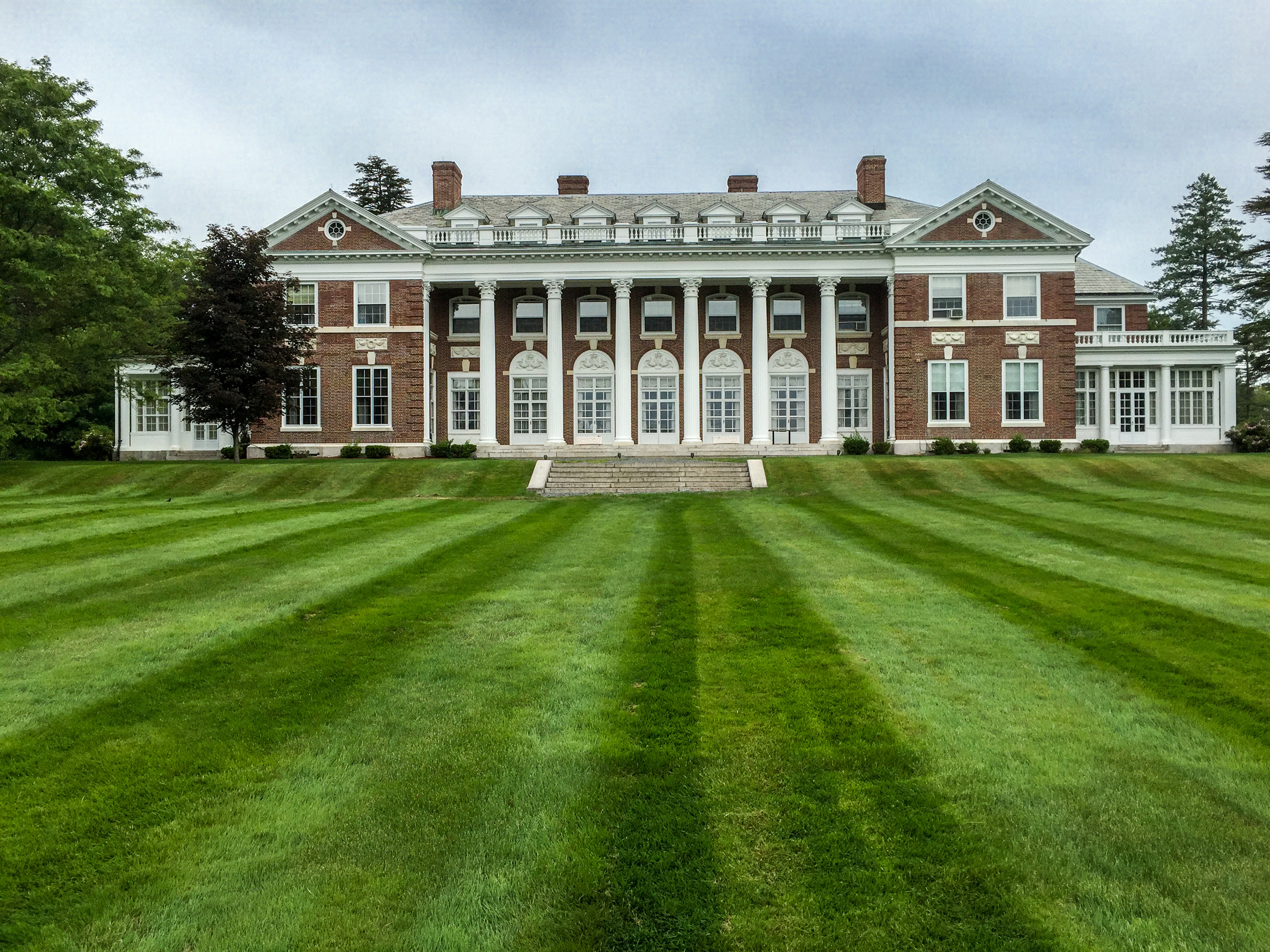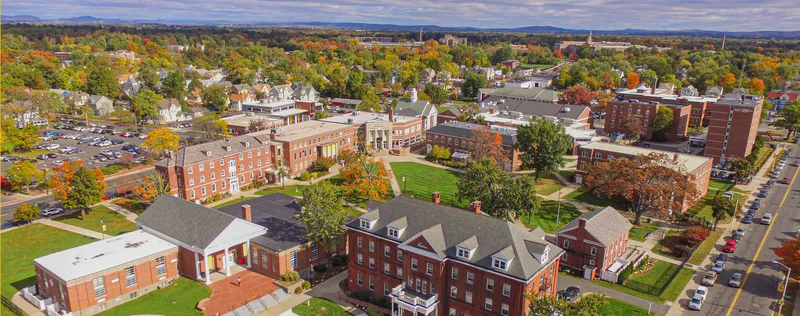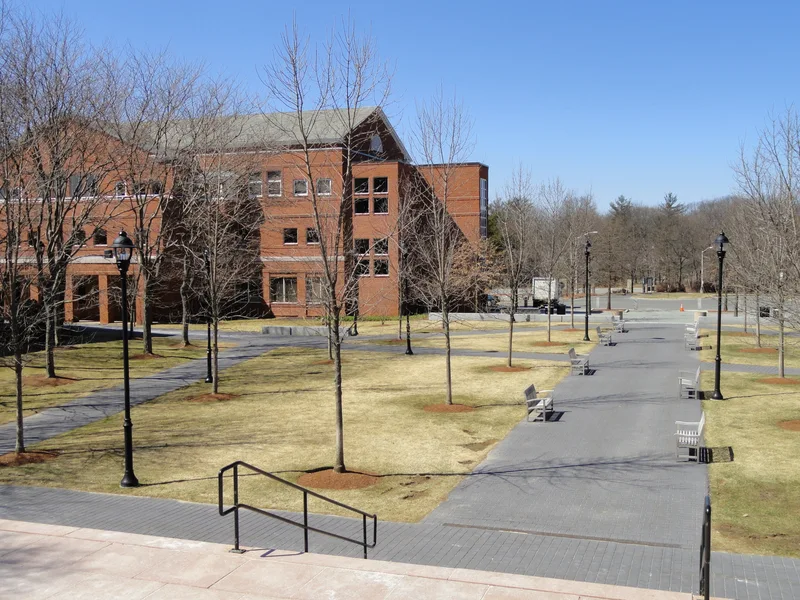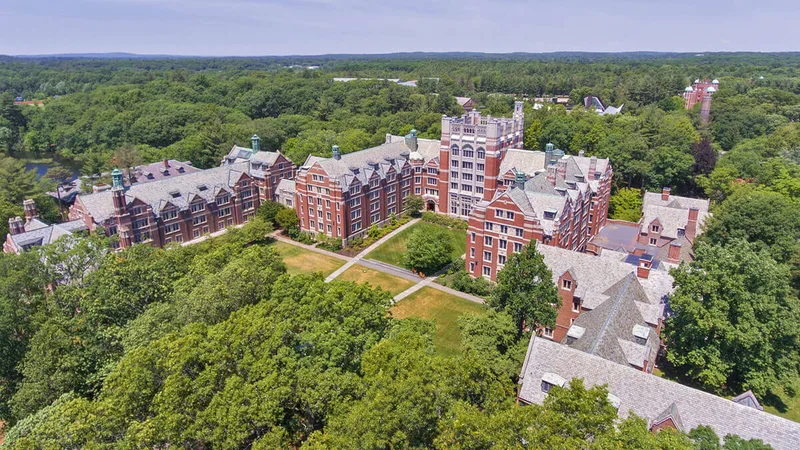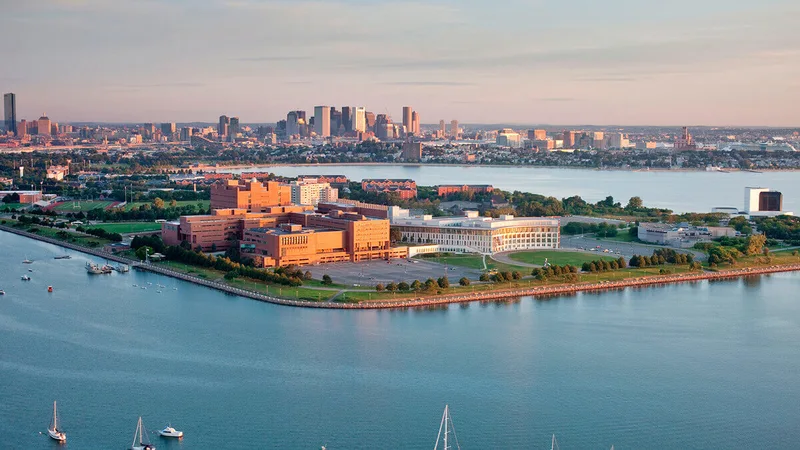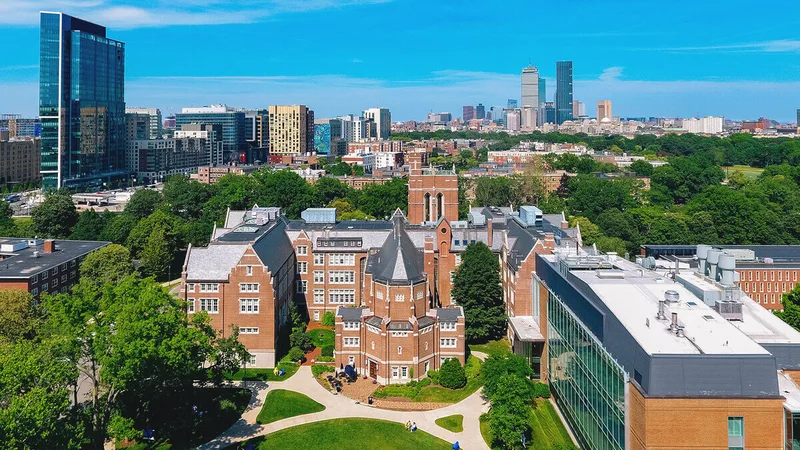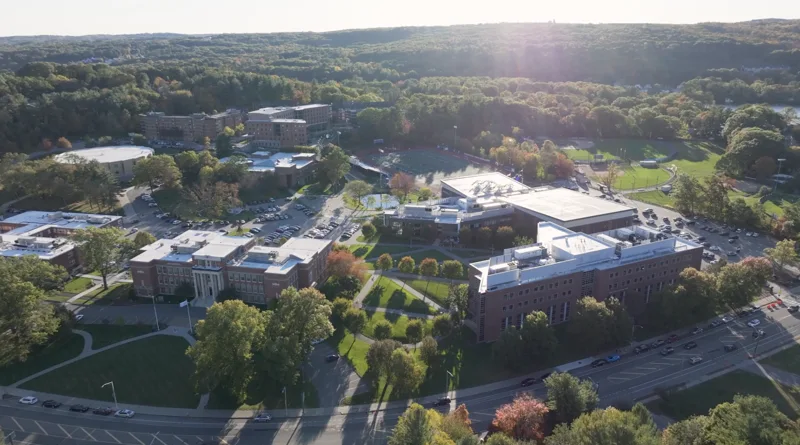

Boston University
Boston, MA
Competitive athletics, research opportunities and access to Boston give recruits compelling reasons to consider this urban university.
Browse programs
College directoryEvery program, filtered by what fits Sport directoryMen's and women's, every division State directoryPrograms in the states you would play inGo deeper
Major directoryYour major and your sport in one list Camp directoryID camps and showcases at college programs Conference directoryEvery conference and its member colleges
Massachusetts offers a deep set of women’s cross country options, especially for athletes prioritizing a strong college-fit search. Use this guide to compare divisions, recruiting pathways, and scholarship-eligible programs.
10 of 45 play in divisions that allow athletic scholarships
At a glance
45 women's cross country programs in Massachusetts. Tap a level to jump to its schools.
Division III has the most options here, with 35 of 45 programs (78%).
NCAA Division I
Massachusetts has a solid group of Division I women’s cross country programs, giving in-state options for athletes targeting the top NCAA level. Expect a competitive recruiting pace and year-round communication timelines.
Strongest programs first, by Pathley's program strength score.
Boston, MA
Competitive athletics, research opportunities and access to Boston give recruits compelling reasons to consider this urban university.
Worcester, MA
Athletes choose a close residential community where demanding liberal arts study complements competitive Division I athletics.
Chestnut Hill, MA
Competitive athletics, demanding academics and Boston access appeal to recruits who want substantial opportunities beyond their sport.
Amherst, MA
Competitive athletics, research opportunities and an active residential community give recruits reasons to look closely here.
Boston, MA
Co-op experience, demanding academics and Boston opportunities appeal to athletes with clear competitive and career goals.
North Andover, MA
A residential community near Boston pairs demanding athletics with practical academics and an Augustinian Catholic mission.
Easton, MA
A small residential community, approachable faculty and competitive athletics help you connect your sport with broader goals.
NCAA Division II
Division II opportunities in Massachusetts are more limited than many states for women’s cross country, so your target list may need to be selective. If you want more D2 choices, it can help to add nearby states to your search.
Strongest programs first, by Pathley's program strength score.
Springfield, MA
Career-focused academics, accessible admissions and a small campus community give athletes practical reasons to consider competing here.
Worcester, MA
Small classes, a supportive Catholic community and competitive athletics give recruits several reasons to consider Assumption.
Waltham, MA
Business-focused academics, competitive athletics and access to Boston appeal to athletes with clear professional goals.
NCAA Division III
Massachusetts stands out nationally for Division III women’s cross country depth, creating lots of ways to match coaching style, academics, and campus feel. This is a strong environment for recruits who want breadth and flexibility in their college list.
Strongest programs first, by Pathley's program strength score.
Williamstown, MA
Close faculty relationships, competitive athletics and generous need-based aid appeal to athletes seeking a demanding liberal arts education.
Amherst, MA
Athletes choose Amherst for demanding academics, close faculty relationships and competitive athletics within a small residential community.
Medford, MA
Rigorous academics, collaborative campus life and Boston access appeal to athletes who want more than competition.
Waltham, MA
Close faculty relationships, undergraduate research and competitive athletics appeal to students who want substantial academic and athletic commitments.
Cambridge, MA
Athletes choose this research-focused environment for challenging academics, collaborative peers and competitive sport in urban Cambridge.
Northampton, MA
Athletes choose Smith for academic flexibility, faculty connections and a women's college community alongside competitive athletics.
Springfield, MA
Sport-focused academics, accessible admissions and a close-knit community give athletes clear reasons to consider studying and competing here.
Wellesley, MA
Athletes choose Wellesley for demanding academics, competitive athletics, close faculty relationships and a residential community near Boston.
Boston, MA
Hands-on academics, paid co-op opportunities and Boston access give athletes practical reasons to pursue this technical college.
Norton, MA
A flexible liberal arts curriculum, NEWMAC competition and access to Boston and Providence give athletes strong reasons to consider Wheaton.
Wellesley, MA
Athletes choose Babson for competitive athletics, entrepreneurial learning, a close-knit community and strong business career outcomes.
Worcester, MA
Research opportunities, close faculty connections and NEWMAC competition give athletes a clear mix of academic and athletic priorities.
Boston, MA
Athletes choose a specialized creative education, competitive conference play and daily access to downtown Boston.
South Hadley, MA
Close faculty relationships and a residential women's college community complement competitive athletics and demanding liberal arts study.
Boston, MA
Research opportunities, waterfront city life and public tuition value complement a competitive Division III athletic experience.
Dartmouth, MA
Career-focused programs, accessible admissions and regional Division III competition give athletes practical reasons to consider this campus.
Worcester, MA
Hands-on STEM learning and competitive athletics appeal to students who want their academic and athletic commitments to matter.
Franklin, MA
Accessible admissions, supportive academics and a small residential community give athletes practical reasons to consider competing here.
Boston, MA
Athletes choose a close-knit campus where Division III competition meets career preparation and Boston internship opportunities.
Newton, MA
Career-focused learning, accessible admissions and a small campus community give athletes practical reasons to consider Lasell.
Weston, MA
Health-focused academics, close faculty connections and competitive conference play appeal to athletes seeking a smaller college environment.
Boston, MA
Women-centered education, health-focused academics and Boston surroundings give athletes a distinctive setting for study and competition.
Bridgewater, MA
Accessible admissions, career-focused programs and public tuition give athletes practical reasons to consider competing here.
Fitchburg, MA
Career-focused academics, accessible admissions and a compact campus appeal to athletes seeking a balanced college experience.
Framingham, MA
Accessible faculty, public tuition and a commuter-friendly campus help athletes build a practical college experience.
Wenham, MA
Christian community, close faculty connections and access to Boston give athletes reasons to look beyond competition.
Buzzards Bay, MA
Maritime career preparation, structured cadet life and waterfront surroundings give athletes a distinctive college experience.
Dudley, MA
Business-focused learning, close faculty access and a residential community give athletes clear reasons to consider Nichols.
Boston, MA
Downtown Boston access and professionally focused academics appeal to athletes who want competition alongside career preparation.
Springfield, MA
Career-focused programs, accessible admissions and a small campus community give athletes clear reasons to consider competing here.
Westfield, MA
Athletes choose a small campus community, career-focused programs and regional competition, with public tuition supporting affordability.
Worcester, MA
Accessible admissions, applied academics and MASCAC competition give athletes practical reasons to consider this urban campus.
Milton, MA
A small residential community and individualized academic support appeal to athletes balancing coursework with competition.
Beverly, MA
Required internships, accessible faculty and a seaside campus appeal to athletes seeking career preparation alongside competitive athletics.
Cambridge, MA
Career-focused programs, approachable faculty, and Cambridge surroundings give athletes reasons to look closely at Lesley.
Free school matcher
Pick your position and level, and we score every women's cross country program on roster openings at your position, athletic level and academics.
Conferences
Every women's cross country conference with at least one program in Massachusetts, across every division.
Scorecard
This scorecard summarizes how Massachusetts stacks up for women’s cross country recruits based on in-state program availability, division mix, scholarship pathways, and overall college-fit signals.
Overall opportunity score
StrongMassachusetts is a strong state for women’s cross country recruiting overall, driven by exceptional Division III depth and a solid Division I presence.
Massachusetts offers more women’s cross country programs than a typical state, giving recruits a deep in-state pool to build a balanced list.
With Division I, II, and III options in-state, Massachusetts provides strong access across NCAA levels even without NAIA programs.
Scholarship-eligible women’s cross country options exist in Massachusetts, but the scholarship landscape is more limited than in many states for this sport.
Massachusetts supports a strong college-fit search for women’s cross country with many programs and a school-size profile that skews smaller than typical, though costs may run higher.
Recruiting snapshot
Who it suits, what the landscape looks like, where the money is and what gives this state an edge.
Recruits who want a large set of in-state choices, especially athletes focused on Division III fit and consistent competition.
The in-state landscape is notably deep overall and heavily weighted toward Division III, with additional Division I options and fewer Division II choices.
Athletic aid is most commonly tied to Division I, Division II, and NAIA programs, while Division III recruiting is typically more academic and fit-driven rather than scholarship-based.
Massachusetts sits in a dense Northeast college corridor, making it practical to pair in-state recruiting with nearby states for more meet exposure and additional roster opportunities.
Key metrics
How women's cross country programs in Massachusetts compare with the average state on program count, tuition, enrollment and admissions.
Three ways to start
Pick the option that matches where you are, and we will show you the plan that fits.
News
Resources
National rankings
Sport hub
The Women's Cross Country hub brings every division together: how D1, D2, D3 and NAIA compare, the strongest programs in each state, camps, and the recruiting guides for each level.