
Accessible admissions, applied academics and MASCAC competition give athletes practical reasons to consider this urban campus.
- 5,745
- Students
- 88%
- Admit rate
- $13,381
- Net price
Browse programs
College directoryEvery program, filtered by what fits Sport directoryMen's and women's, every division State directoryPrograms in the states you would play inGo deeper
Major directoryYour major and your sport in one list Camp directoryID camps and showcases at college programs Conference directoryEvery conference and its member colleges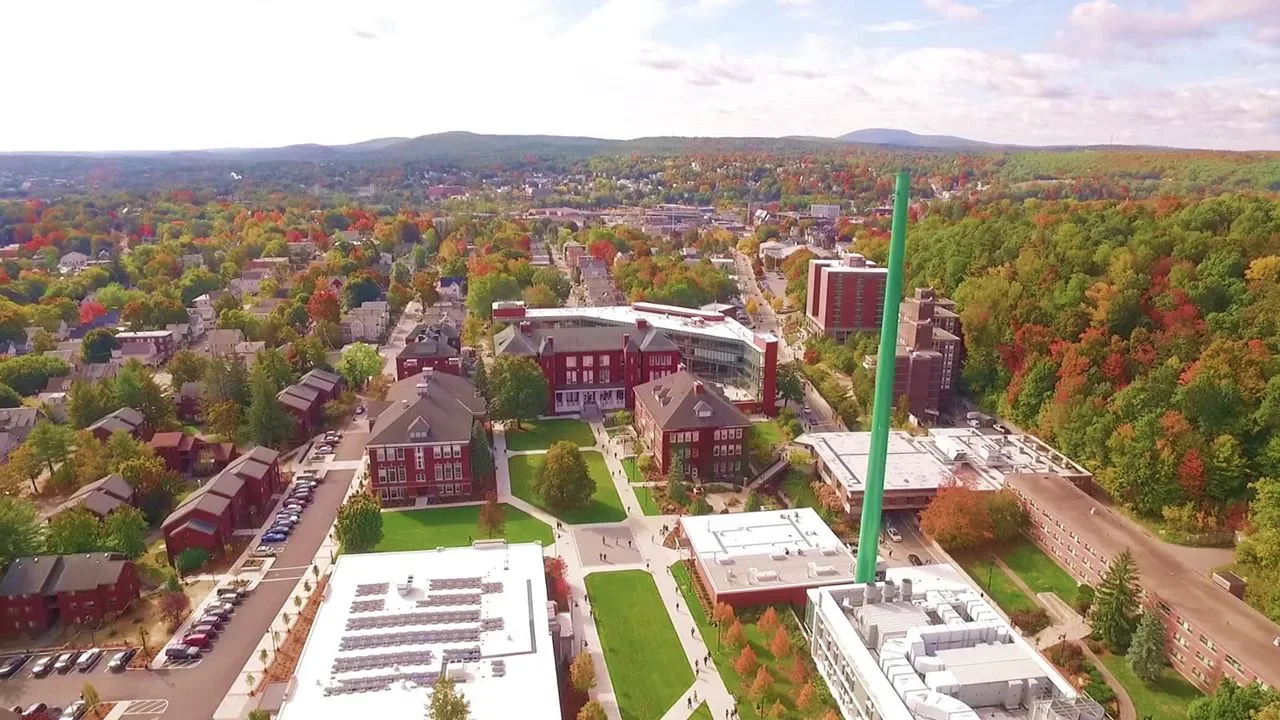

Fitchburg, MassachusettsMassachusetts State Collegiate Athletic Conference
Overview
Mission and culture
Fitchburg State University is a public university in Fitchburg, Massachusetts, with a small-campus feel and NCAA Division III athletics in the MASCAC. Its career-focused programs, including education, nursing and communications media, make it worth considering if you want practical preparation alongside a competitive college sports experience.
Why athletes choose Fitchburg State University
Career-focused academics, accessible admissions and a compact campus appeal to athletes seeking a balanced college experience.
Fit check
Pick a sport, your position and level, add a test score if you have one, and get an instant read on your chances here. Free, and no account needed.
Academics
Fitchburg State University combines professional fields such as education and nursing with applied business and technology programs, giving athletes practical academic options to weigh alongside coursework demands and career goals.
Academic strength
A composite of graduation rate, earnings after college, how selective admissions are and how hard the coursework is.
Acceptance rate
More selectiveMore accessible
Admissions are highly accessible, making classroom readiness and choosing the right academic program more important than navigating intense selectivity.
Six-year graduation rate
0%100%
There is a reasonable path to graduation, especially when you maintain focus and seek academic support.
Academic difficulty
Rated 3 out of 5
Coursework presents a balanced challenge, so consistent study habits matter alongside practices and competition.
Student to faculty ratio
students for every faculty member
Faculty should be reasonably reachable, giving you opportunities to build relationships and discuss academic challenges.
Median earnings
per year, ten years after starting college
Six years after: $41,999Graduate earnings are moderate, so compare affordability with your intended major and plans for career preparation.
Undergraduate enrollment
undergraduate students
The small undergraduate community offers a more familiar campus environment as you build connections beyond your athletic program.
SAT and ACT scores
The test-optional policy lets you decide whether scores strengthen your application, while the typical score profile suggests an accessible academic entry point.
Most popular majors
Admissions
Prepare your application to Fitchburg State University by reviewing deadlines by plan, test policy, the application fee and recommendation requirements alongside your recruiting timeline.
Majors
27 undergraduate majors across 7 academic areas.
No major matches that search.
Campus life
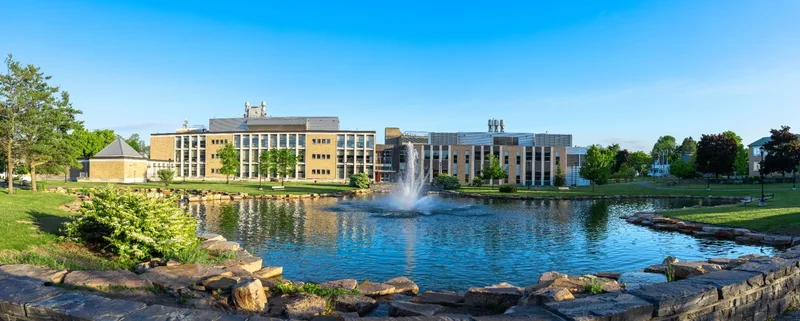
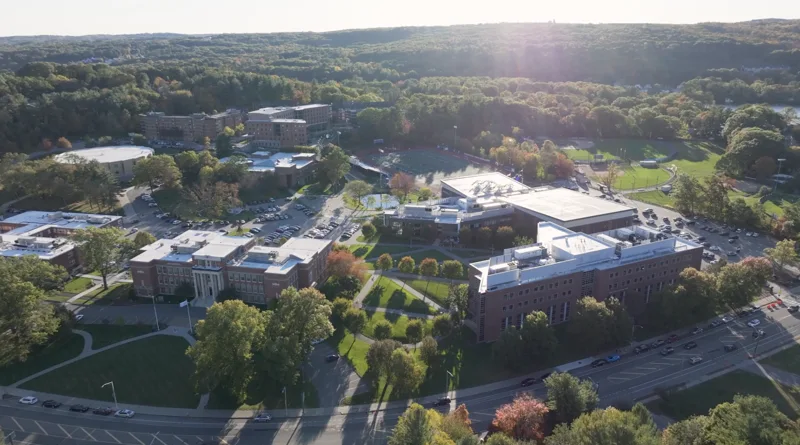
A compact suburban campus in north-central Massachusetts combines residence halls, student clubs and athletics, with Boston accessible by train for a change of pace.
Athletics
The Falcons compete in NCAA Division III within the MASCAC, with opportunities across fall, winter and spring seasons. Men's ice hockey is a notable program.
Athletic department
Explore how Fitchburg State University supports its NCAA Division III programs through department revenue, recruiting expenditures and the distribution of athletes and athletic aid across men's and women's programs.
Athletes
Recruiting spend
Source: the federal Equity in Athletics report, 2025.
Cost
At Fitchburg State University, compare public in-state tuition value with the published attendance cost, net price after grants and available need-based or merit-based financial aid.
Average net price
What families pay on average after grants and scholarships, including tuition, housing and fees.
Published tuition
The sticker price a year, before any aid.
Financial aid
Need-based and merit-based aid availableAthletic scholarships, where a program offers them, are awarded by the coaching staff and come on top of these figures.
NIL
NIL rating
Fitchburg State University in Fitchburg, Massachusetts offers a growing name, image and likeness (NIL) environment typical of an NCAA Division III campus. Student-athletes in a range of college sports can pursue localized NIL opportunities that fit around academics and community engagement.
See the full NIL breakdownStudent fit
The kind of student-athlete who tends to do well at Fitchburg State University.
Fitchburg State University suits athletes who want NCAA Division III competition, a small campus and a practical route toward a career. It is worth exploring if you are interested in education, nursing or criminal justice and want coursework that presents a balanced challenge rather than an intensely selective academic environment. You should be comfortable maintaining steady study habits, building faculty relationships and seeking support when your sport makes the schedule demanding. Families prioritizing affordability can consider its public tuition and available aid, but recruits who need athletic scholarship funding should look elsewhere because the department does not award athletic aid.
Who thrives here
Career Focused AthletesTeam First CompetitorsInternship Driven StudentsAffordability Focused PlannersSmall Campus LearnersQuestions
It is best known for strong professional and career-focused programs in education, business, communications, criminal justice, nursing, and computer science, along with a solid foundation in the liberal arts. Many programs emphasize hands-on learning, internships, and practical experience.
Admission is considered moderately selective. Applicants with a solid high school record, college-preparatory coursework, and satisfactory grades and test scores, if submitted, have a good chance of being admitted, especially when they show consistent effort and involvement.
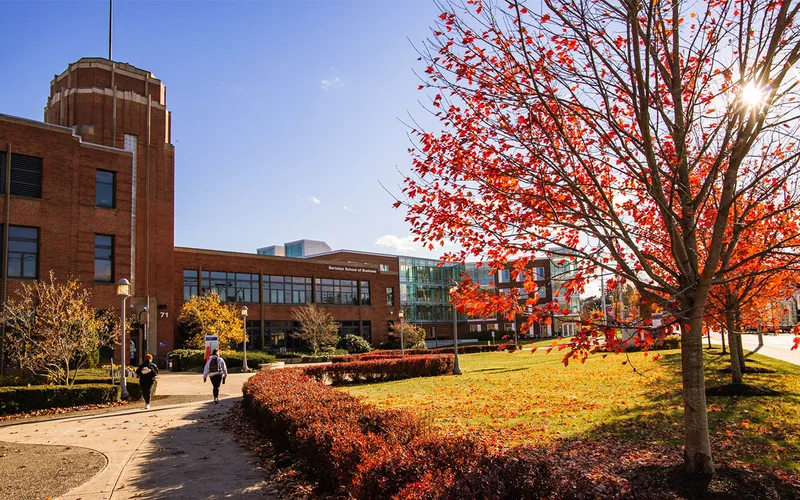
The campus offers a small, close-knit environment with a mix of historic and modern buildings in an urban New England setting. Students typically find it easy to get to know classmates and professors, and many participate in clubs, activities, and community events in the city and surrounding region.
Yes, first-year students have access to academic advising, orientation programs, tutoring, and success workshops designed to ease the transition to college. Small class sizes and approachable faculty also help new students adjust both academically and socially.
Students can choose from traditional residence halls and suite-style living, with options that help build community among first-year and returning students. On-campus housing is designed to keep students close to classes, dining, and campus activities.
Students benefit from a career services office that connects them with internships, co-op experiences, and job opportunities in the region and beyond. Many academic programs integrate fieldwork and practical placements to help students build professional networks.
Student life includes a range of clubs, academic and cultural organizations, student government, performing arts, recreation, and community service opportunities. The campus also offers fitness facilities and events that give students ways to get involved and stay active.
There are online and hybrid options, especially at the graduate and continuing education levels. Some undergraduate courses may also be offered in flexible formats, allowing students to balance coursework with work, commuting, or other responsibilities.
The university competes in NCAA Division III with a variety of men’s and women’s varsity sports. Student-athletes participate without athletic scholarships, focusing on a balance of academics and athletics and competing in regional conferences against other DIII institutions.
Student-athletes are expected to prioritize academics while meeting team commitments. The Division III model, along with supportive faculty, structured practice schedules, and campus academic resources, helps athletes manage their time and succeed in both areas.
Yes, many students commute from nearby communities. The campus provides parking options, common spaces, dining, and student services that are accessible to commuting students, helping them stay engaged in academic and campus life.
Students who do well tend to value a smaller campus, want direct access to professors, and are interested in applied, career-oriented programs. Those who get involved in campus activities, internships, or athletics typically find a strong sense of community and support.
Compare
Other colleges worth comparing with Fitchburg State University.
Accessible admissions, applied academics and MASCAC competition give athletes practical reasons to consider this urban campus.
A close-knit campus, practical academic programs and nearby career opportunities give athletes reasons to look beyond competition.
Accessible faculty, public tuition and a commuter-friendly campus help athletes build a practical college experience.
Accessible admissions, career-focused programs and public tuition give athletes practical reasons to consider competing here.
Career-oriented academics and Skyline Conference competition appeal to athletes seeking practical preparation alongside their sport.
A small residential community and undergraduate-focused teaching give athletes a personal setting for balancing academics and competition.
Accessible admissions, career-focused majors and a welcoming campus give athletes practical reasons to consider competing here.
Plattsburgh, NY
Why it is similar: Similar academics and size.Athletes choose this small campus for competitive athletics, accessible admissions, public tuition value and nearby outdoor recreation.
Division III competition, career-focused academics and a suburban campus give athletes several reasons to consider this college.
Hands-on academics, career connections and Division III competition appeal to athletes who want a practical college experience.
Stevens Point, WI
Why it is similar: Similar academics and size.Regional competition, specialized academic strengths and public university value give athletes several practical reasons to consider competing here.
Accessible faculty, applied learning and Portland career connections complement competitive athletics in the Little East Conference.
Three ways to start
Pick the option that matches where you are, and we will show you the plan that fits.
Resources