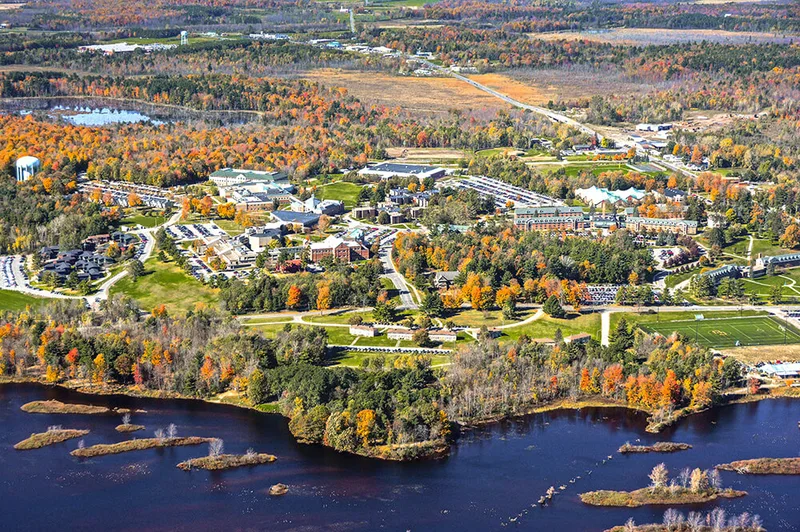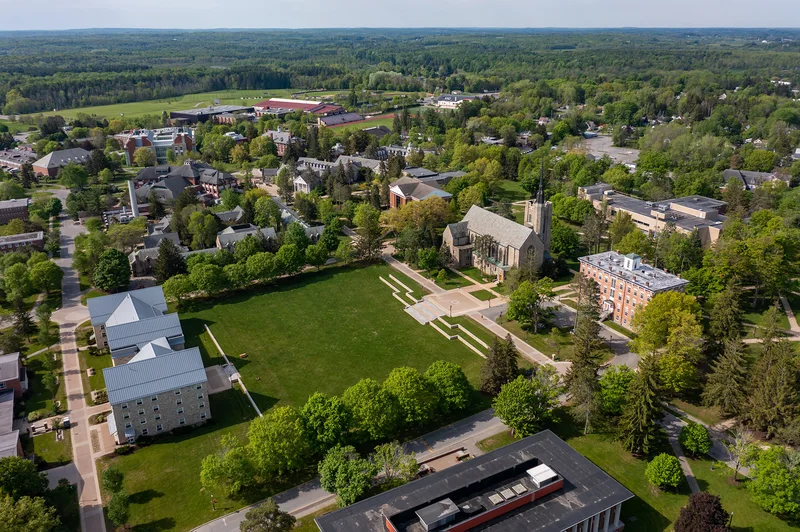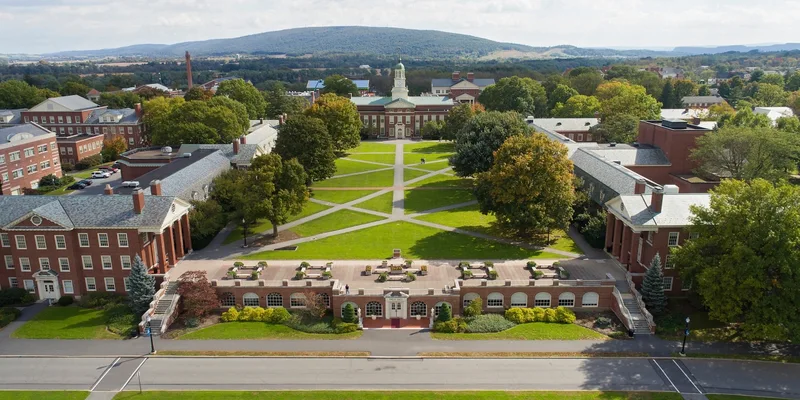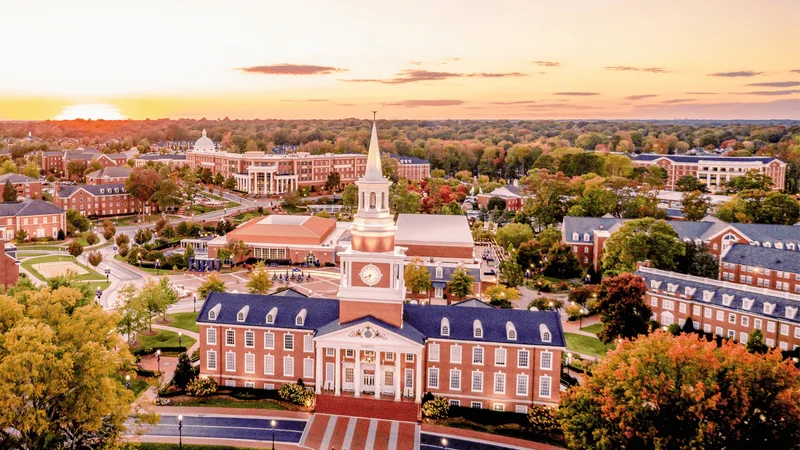

Close faculty relationships and residential community complement strong academics and competitive Patriot League athletics.
- 2,775
- Students
- 31%
- Admit rate
- $34,433
- Net price
Browse programs
College directoryEvery program, filtered by what fits Sport directoryMen's and women's, every division State directoryPrograms in the states you would play inGo deeper
Major directoryYour major and your sport in one list Camp directoryID camps and showcases at college programs Conference directoryEvery conference and its member collegesOverview
Mission and culture
College of the Holy Cross is a Jesuit Catholic liberal arts college in Worcester, Massachusetts, pairing rigorous undergraduate study with NCAA Division I athletics, primarily in the Patriot League. Its small residential community, close faculty mentorship and strong graduate outcomes make academic fit especially important for prospective recruits.
Why athletes choose College of the Holy Cross
Athletes choose a close residential community where demanding liberal arts study complements competitive Division I athletics.
Fit check
Pick a sport, your position and level, add a test score if you have one, and get an instant read on your chances here. Free, and no account needed.
Academics
College of the Holy Cross combines demanding liberal arts coursework, undergraduate research and preprofessional preparation, making academic readiness, faculty relationships and long-term career goals central to evaluating your fit here.
Academic strength
A composite of graduation rate, earnings after college, how selective admissions are and how hard the coursework is.
Acceptance rate
More selectiveMore accessible
Admissions are selective, so recruits need strong classroom preparation alongside athletic ability to make a competitive application.
Six-year graduation rate
0%100%
Graduation outcomes suggest an excellent chance of finishing on time while pursuing your athletic goals.
Academic difficulty
Rated 4 out of 5
Coursework is demanding, requiring careful time management alongside practices, travel and competition.
Student to faculty ratio
students for every faculty member
Small classes make close faculty mentoring likely, helping you connect academic interests with your athletic schedule.
Median earnings
per year, ten years after starting college
Six years after: $69,984Strong graduate earnings support the value proposition, though your major and financial aid package still matter.
Undergraduate enrollment
undergraduate students
The small undergraduate community offers a close-knit daily experience, especially for athletes seeking familiar faces beyond their teams.
SAT and ACT scores
Testing is optional, but the strong score profile suggests submitted results should reinforce an application already grounded in solid academic performance.
Most popular majors
Admissions
Prepare your application to College of the Holy Cross by reviewing deadlines by plan, test policy, the application fee and recommendation requirements alongside recruiting conversations.
Binding. If admitted, you commit to attend.
A second binding round with a later deadline.
The standard deadline. Not binding.
Majors
27 undergraduate majors across 4 academic areas.
No major matches that search.
Campus life
A small residential campus in suburban Worcester brings together student organizations, athletics and community service within a Jesuit liberal arts environment.
Athletics
Competition is NCAA Division I, primarily in the Patriot League, while ice hockey competes in Atlantic Hockey and Hockey East. Recruits should expect serious athletic commitments alongside demanding academics.
Athletic department
The NCAA Division I athletic department at College of the Holy Cross can be evaluated through its overall finances, recruiting investment and distribution of athletic aid across men's and women's programs.
Athletes
Athletic aid
Recruiting spend
Source: the federal Equity in Athletics report, 2025.
Cost
At College of the Holy Cross, compare the published cost with your price after grants, considering how available need-based and merit-based aid affect this private college's affordability.
Average net price
What families pay on average after grants and scholarships, including tuition, housing and fees.
Published tuition
The sticker price a year, before any aid.
Financial aid
Need-based and merit-based aid availableAthletic scholarships, where a program offers them, are awarded by the coaching staff and come on top of these figures.
NIL
NIL rating
The College of the Holy Cross in Worcester, Massachusetts offers a solid name, image and likeness (NIL) environment for NCAA Division I athletes, especially within its strong college sports culture. Student-athletes can use NIL to build their personal brands on campus, in the city of Worcester, and across New England alumni networks.
See the full NIL breakdownStudent fit
The kind of student-athlete who tends to do well at College of the Holy Cross.
College of the Holy Cross best suits athletes ready for NCAA Division I competition who also want a demanding liberal arts education and close faculty mentorship. Strong students interested in humanities, social sciences or natural sciences can find an academic direction that connects with undergraduate research and preparation for professional study. The small residential community in Worcester fits someone who values familiar faces, student involvement and a Jesuit Catholic environment with an emphasis on service. Athletes seeking lighter coursework or a large-campus experience may feel less at home, and families should weigh their individual aid offer carefully against the cost.
Who thrives here
Student Athlete BalanceDisciplined AcademicsSmall Class LearnersJesuit Values FitSelf Motivated PlannersQuestions
It is best known for its rigorous liberal arts curriculum, strong programs in the humanities and social sciences, and excellent preparation for fields such as law, medicine, business, and education. Small class sizes and close faculty mentorship are central to the academic experience.
Admission is highly selective, with a holistic review that weighs academic performance, rigor of coursework, recommendations, essays, and extracurricular involvement. Competitive applicants typically have strong grades in challenging courses and a clear record of engagement both in and out of the classroom.
The college looks for intellectually curious students who have excelled in a demanding high school curriculum and who show initiative, leadership, and a commitment to service. Fit with a close-knit, residential liberal arts community is also an important consideration.
It has a strong reputation for preparing students for medical and law school, thanks to rigorous coursework, intensive advising, research and internship opportunities, and strong placement rates into professional programs. Many graduates go on to attend highly regarded medical and law schools.
Student life centers on a fully residential campus with active involvement in clubs, community service, the arts, and athletics. The community is close-knit, and most students live on campus, which fosters strong connections and frequent campus events.
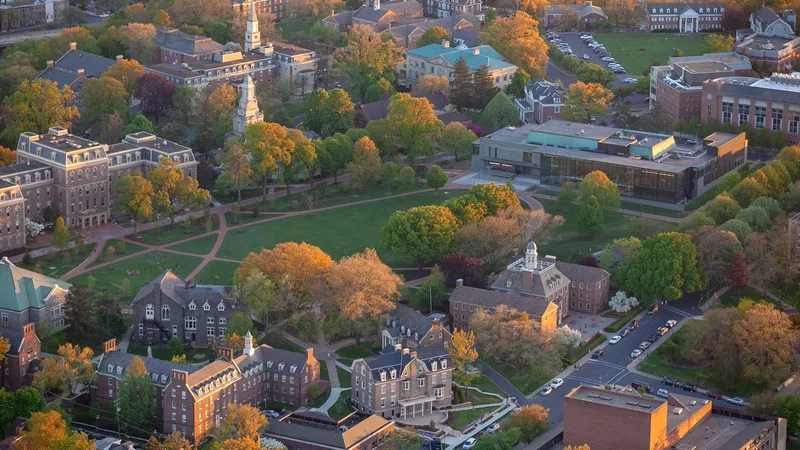
The campus is located in Worcester, Massachusetts, on a hillside overlooking the city. Students have access to urban amenities such as restaurants, cultural venues, internships, and public transportation, while still living on a traditional, self-contained college campus.
Yes. Students complete a broad set of distribution or core requirements across disciplines, including humanities, social sciences, natural sciences, and other areas. This structure is designed to provide a well-rounded liberal arts education while still allowing room for majors and electives.
It is a Jesuit, Catholic institution, which means it emphasizes intellectual rigor, ethical reflection, service to others, and education of the whole person. Students of all faiths and backgrounds are welcome, and many engage with service and reflection opportunities regardless of religious affiliation.
Its varsity teams compete in NCAA Division I. Student-athletes balance rigorous academics with high-level competition, supported by academic advising, training facilities, and structured practice schedules.
Athletics play a visible role in campus life, with robust participation in varsity, club, and intramural sports. Games are well attended, school spirit is strong, and student-athletes are integrated into the broader campus community while maintaining a strong emphasis on academics.
Students have access to faculty-mentored research across many disciplines, as well as structured internship programs in fields like business, government, healthcare, and the arts. Career services help students find opportunities and connect with an active alumni network.
Classes are generally small, fostering discussion-based learning, close interaction with professors, and frequent feedback. The environment is personal and collaborative, and students are encouraged to participate actively in seminars, labs, and group projects.
Compare
Other colleges worth comparing with College of the Holy Cross.
Close faculty relationships and residential community complement strong academics and competitive Patriot League athletics.
Close faculty relationships and a residential community help athletes stay connected while pursuing demanding academics and competitive athletics.
Career-focused academics and a close-knit campus give athletes a clear identity beyond Division I competition.
A residential community, strong career outcomes and demanding conference competition appeal to athletes seeking academic and athletic commitment.
Career-focused academics and a close-knit campus appeal to athletes seeking demanding coursework alongside competitive athletics.
Career-focused academics, competitive athletics and a residential community give recruits distinct reasons to consider Fairfield.
Competitive athletics, career-focused academics and a residential Hudson River setting give recruits distinct reasons to consider studying here.
Close faculty relationships, a residential community and competitive athletics appeal to students seeking a well-rounded college experience.
Close faculty relationships and strong career preparation complement competitive athletics in a small, residential community.
Division I competition, hands-on academics and a residential community give athletes clear reasons to consider this campus.
Competitive athletics, applied learning and Philadelphia career opportunities appeal to athletes with clear professional goals.
Big East competition, career-focused academics and nearby internship opportunities appeal to athletes planning beyond their playing careers.
Three ways to start
Pick the option that matches where you are, and we will show you the plan that fits.
Resources