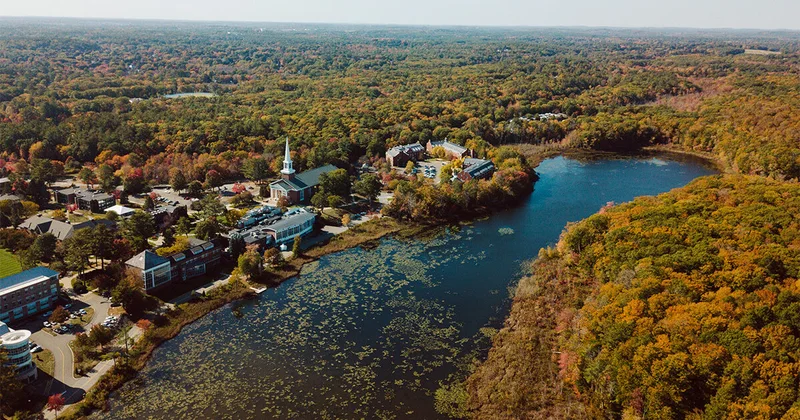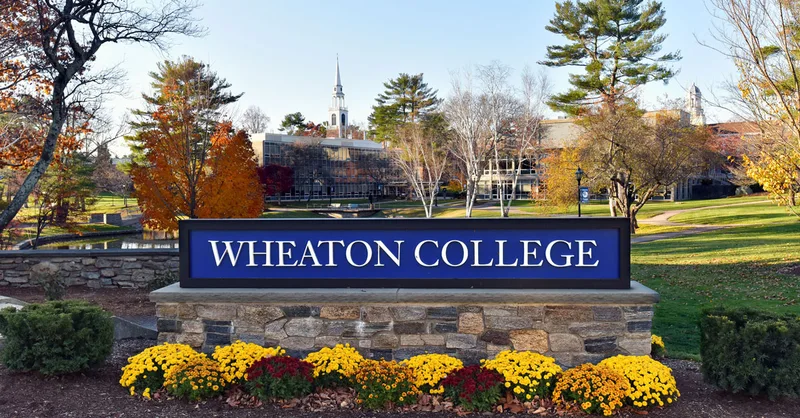

A flexible liberal arts curriculum, NEWMAC competition and access to Boston and Providence give athletes strong reasons to consider Wheaton.
- 1,785
- Students
- 68%
- Admit rate
- $31,147
- Net price
Browse programs
College directoryEvery program, filtered by what fits Sport directoryMen's and women's, every division State directoryPrograms in the states you would play inGo deeper
Major directoryYour major and your sport in one list Camp directoryID camps and showcases at college programs Conference directoryEvery conference and its member colleges

Springfield, MassachusettsNew England Women's and Men's Athletic Conference
Overview
Mission and culture
Springfield College in Springfield, Massachusetts, combines NCAA Division III athletics with an academic identity rooted in health sciences, physical education and sport. Known as the birthplace of basketball, it offers a small, close-knit campus where its Humanics philosophy connects education of spirit, mind and body with service-oriented leadership.
Why athletes choose Springfield College
Sport-focused academics, accessible admissions and a close-knit community give athletes clear reasons to consider studying and competing here.
Fit check
Pick a sport, your position and level, add a test score if you have one, and get an instant read on your chances here. Free, and no account needed.
Academics
Springfield College's strengths in exercise, health and education frame a closer look at its admissions profile, coursework, popular majors, graduate outcomes and the personal attention available in a small academic community.
Academic strength
A composite of graduation rate, earnings after college, how selective admissions are and how hard the coursework is.
Acceptance rate
More selectiveMore accessible
Admissions are accessible overall, giving recruits with solid academic preparation a realistic opportunity to pursue a good fit.
Six-year graduation rate
0%100%
Students have a solid path to graduation, with consistent academic progress important throughout an athletic career.
Academic difficulty
Rated 4 out of 5
Expect demanding coursework that requires careful planning alongside practices, competition and travel.
Student to faculty ratio
students for every faculty member
Faculty should be reachable, making it easier to build academic relationships while balancing your sport.
Median earnings
per year, ten years after starting college
Six years after: $43,692Graduate earnings are moderate, so weigh affordability carefully and connect your major with practical career preparation.
Undergraduate enrollment
undergraduate students
The small undergraduate community offers a close-knit daily experience, appealing to athletes who prefer familiar faces over a sprawling campus.
SAT and ACT scores
Testing is optional, so recruits can decide whether their scores strengthen an application while keeping classroom preparation central to their admissions plans.
Most popular majors
Admissions
Plan your application to Springfield College by reviewing deadlines by admission plan, test policy, the application fee and recommendation requirements alongside your recruiting conversations.
Binding. If admitted, you commit to attend.
A second binding round with a later deadline.
Majors
29 undergraduate majors across 6 academic areas.
No major matches that search.
Campus life
A small suburban campus in Springfield combines housing, clubs and recreation with service opportunities shaped by the Humanics emphasis on spirit, mind and body.
Athletics
Athletes compete in NCAA Division III, primarily in the NEWMAC, within a college deeply connected to physical education and sport, including basketball, football and gymnastics.
Athletic department
Explore how Springfield College supports its NCAA Division III athletic department through program spending and recruiting investment, with a closer look at athlete participation and funding patterns by gender.
Athletes
Recruiting spend
Source: the federal Equity in Athletics report, 2025.
Cost
At Springfield College, compare the published cost with the price after grants, and consider how need-based and merit-based aid could shape your family's budget without athletic aid.
Average net price
What families pay on average after grants and scholarships, including tuition, housing and fees.
Published tuition
The sticker price a year, before any aid.
Financial aid
Need-based and merit-based aid availableAthletic scholarships, where a program offers them, are awarded by the coaching staff and come on top of these figures.
NIL
NIL rating
Springfield College in Springfield, Massachusetts offers a growing name, image and likeness (NIL) environment that fits a competitive NCAA Division III athletic program. Student-athletes across many college sports can build personal brands through campus visibility and community connections in western Massachusetts.
See the full NIL breakdownStudent fit
The kind of student-athlete who tends to do well at Springfield College.
Springfield College is a strong fit for athletes seeking NCAA Division III competition and a small campus where sport, health and service are central to the college's identity. It particularly suits students interested in exercise science, sport management or health science who are ready for demanding coursework and want reachable faculty while balancing their athletic commitments. You may appreciate the suburban Springfield setting, close-knit community and opportunities to connect classroom learning with practical experience. Families should weigh the cost after grants carefully, while athletes seeking athletic scholarships or a large-campus environment may find a better match elsewhere.
Who thrives here
Service Oriented AthletesHealth Science InterestedCoaching And Leadership DrivenClose Knit Community SeekersTime Management StrongQuestions
Springfield College is best known for its strong programs in health sciences, exercise science, physical education, and human services, along with solid offerings in business, education, and the liberal arts. It emphasizes a holistic approach to education focused on leadership, service, and the humanics philosophy of educating spirit, mind, and body.
Admission is considered competitive. Applicants are typically expected to present a solid high school record, including college-preparatory coursework, along with standardized test scores if submitted, a personal essay, and recommendations. Demonstrated interest in community service and leadership can also strengthen an application.
Class sizes are generally small, which allows for close interaction with faculty and peers. Students can expect discussion-based courses, personalized feedback, and opportunities for hands-on learning and research due to the college’s smaller overall enrollment.
Yes, there is a dedicated career services office that helps students with internships, co-op experiences, resume and interview preparation, and job search strategies. Many academic programs incorporate fieldwork or practicum experiences that connect students directly with employers and community organizations.
Popular majors include exercise science, athletic training, physical therapy pathways, sport management, physical education, health sciences, psychology, education, and business-related programs. Many students are drawn to fields connected to health, wellness, and human performance.
Campus life is close-knit and community-oriented, with most students involved in clubs, service organizations, intramural sports, and campus events. The residential environment emphasizes leadership, wellness, and involvement, and many students live on campus, especially in their early years.
Yes, a variety of residence halls and on-campus housing options are available, including traditional dorms and suite-style living. Housing is designed to support a strong sense of community, and many first-year students are required or encouraged to live on campus.
The campus is located in a residential area of Springfield, Massachusetts, with access to parks, the Connecticut River, and local businesses. Students can reach cultural venues, restaurants, and entertainment in the city, as well as outdoor recreation and other colleges in the greater Pioneer Valley.
Varsity teams compete at the NCAA Division III level. Student-athletes balance academics and athletics, and programs emphasize personal development, teamwork, and sportsmanship rather than athletic scholarships.
In addition to varsity sports, there are numerous club and intramural options for students who want to stay active and compete more casually. Fitness facilities, group exercise classes, and recreational programs support a campus culture centered on wellness and physical activity.
Yes, there are a range of graduate and professional programs, particularly in areas like physical therapy, occupational therapy, athletic training, counseling, education, and sport and exercise-related fields. Many undergraduates pursue combined or accelerated pathways into these advanced degrees.
Students who are interested in health, wellness, human services, or education, and who value a small, supportive community with strong opportunities for leadership and service, tend to do well. Those who appreciate active campus involvement and a balance of academics and co-curricular activities are a good fit.
Compare
Other colleges worth comparing with Springfield College.
A flexible liberal arts curriculum, NEWMAC competition and access to Boston and Providence give athletes strong reasons to consider Wheaton.
Personal faculty connections, accessible admissions and a close-knit Catholic community complement the Atlantic East athletic experience.
Christian community, close faculty connections and access to Boston give athletes reasons to look beyond competition.
Close faculty relationships and a residential community appeal to athletes seeking competitive sports alongside a personalized education.
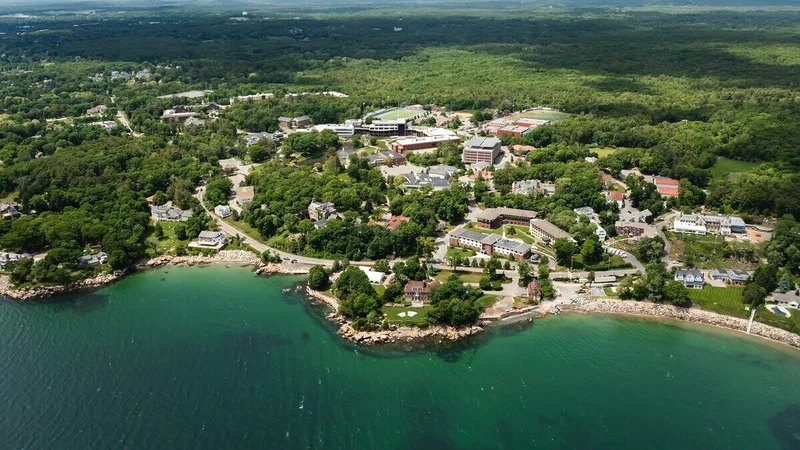
Required internships, accessible faculty and a seaside campus appeal to athletes seeking career preparation alongside competitive athletics.
Personalized instruction, professional programs and a close-knit campus make it easier to connect athletics with broader goals.
Athletes choose a close-knit campus where competitive athletics, career-focused academics and a service culture share space.
Close faculty relationships and practical career preparation appeal to athletes seeking a small-campus Division III experience.
Small classes, hands-on academics and Division III competition appeal to athletes seeking a close-knit residential college experience.
Athletes come for regional competition, approachable faculty, career-focused academics and a close-knit campus by the ocean.
Close faculty relationships and hands-on learning complement conference competition within a small, residential Southern California community.
Athletes choose a residential community that pairs competitive CCIW athletics with professional programs and financial aid options.
Three ways to start
Pick the option that matches where you are, and we will show you the plan that fits.
News
Resources