Research opportunities, close faculty connections and NEWMAC competition give athletes a clear mix of academic and athletic priorities.
- 3,925
- Students
- 40%
- Admit rate
- $28,714
- Net price
Browse programs
College directoryEvery program, filtered by what fits Sport directoryMen's and women's, every division State directoryPrograms in the states you would play inGo deeper
Major directoryYour major and your sport in one list Camp directoryID camps and showcases at college programs Conference directoryEvery conference and its member colleges

Boston, MassachusettsGreat Northeast Athletic Conference
Overview
Mission and culture
Simmons University offers a women-centered undergraduate education in Boston, combining a small campus community with NCAA Division III athletics. Its strengths in nursing, health sciences and social work make it especially relevant for athletes seeking professional preparation alongside competition in an urban setting.
Why athletes choose Simmons University
Women-centered education, health-focused academics and Boston surroundings give athletes a distinctive setting for study and competition.
Fit check
Pick a sport, your position and level, add a test score if you have one, and get an instant read on your chances here. Free, and no account needed.
Academics
Simmons University pairs demanding coursework with professional strengths in nursing, health sciences and social work, making academic fit, faculty access and career preparation important considerations for prospective athletes.
Academic strength
A composite of graduation rate, earnings after college, how selective admissions are and how hard the coursework is.
Acceptance rate
More selectiveMore accessible
Admissions are accessible overall, so recruits should focus on classroom readiness while checking expectations for their intended program.
Six-year graduation rate
0%100%
Students have a solid path to graduation, with steady academic planning important throughout an athletic career.
Academic difficulty
Rated 4 out of 5
Coursework is demanding, making careful planning important when classes compete with practices and travel.
Student to faculty ratio
students for every faculty member
A personal academic environment makes close faculty relationships and mentoring realistic priorities for student-athletes.
Median earnings
per year, ten years after starting college
Six years after: $61,420Graduate earnings suggest solid outcomes, giving families a useful reason to weigh career preparation alongside cost.
Undergraduate enrollment
undergraduate students
The small undergraduate community offers a more familiar daily environment while Boston provides variety beyond the campus.
SAT and ACT scores
Testing is optional, and the score profile suggests strong academic preparation; recruits should consider whether submitting scores would strengthen their application.
Most popular majors
Admissions
Prepare your application to Simmons University by reviewing deadlines by admission plan, test policy, application fee and recommendation requirements alongside your athletic recruiting conversations.
Not binding. Hear back early and decide by May 1.
The standard deadline. Not binding.
Majors
33 undergraduate majors across 5 academic areas.
No major matches that search.
Campus life
A small, women-centered campus in Boston’s Longwood Medical Area places daily college life near medical, cultural and research institutions.
Athletics
Competition is NCAA Division III, primarily in the Great Northeast Athletic Conference, with rowing in NEWMAC. Women's athletics complement a women-centered undergraduate experience.
Cost
At Simmons University, need-based and merit-based aid can help offset private college costs, so compare the published price with net price after grants and Boston living expenses.
Average net price
What families pay on average after grants and scholarships, including tuition, housing and fees.
Published tuition
The sticker price a year, before any aid.
Financial aid
Need-based and merit-based aid availableAthletic scholarships, where a program offers them, are awarded by the coaching staff and come on top of these figures.
NIL
NIL rating
Simmons University in Boston, Massachusetts offers a growing name, image and likeness (NIL) environment that reflects its urban setting and focused campus community. Student-athletes in Simmons University college sports can tap into Boston’s large market for modest, relationship-based NIL opportunities tied to academics, wellness, and community engagement.
See the full NIL breakdownStudent fit
The kind of student-athlete who tends to do well at Simmons University.
Simmons University is a strong fit for athletes seeking women's NCAA Division III competition, a small undergraduate community and professional preparation in an urban setting. It particularly suits students drawn to nursing, health sciences or social work who are ready to manage demanding coursework alongside practices, competition and travel. Athletes who value a women-centered education and close faculty relationships can find a setting aligned with those priorities, while Boston adds access to nearby medical, cultural and research institutions. Families should weigh available need-based and merit-based aid carefully, especially if affordability or a quieter college-town environment is a top priority.
Who thrives here
Driven WomenMission DrivenCareer Focused AthletesIndependent Self StartersTeam Culture BuildersQuestions
It is best known for strong programs in nursing and health sciences, library and information science, social work, business, and the liberal arts, combined with a long-standing focus on women’s leadership, social justice, and career preparation.
The university is located in the Fenway neighborhood of Boston, Massachusetts, with an urban campus that offers easy access to museums, medical centers, cultural institutions, and public transportation while maintaining a close-knit residential community feel.
Admissions are considered competitive, with the review process focusing on academic performance, rigor of high school coursework, writing ability, and evidence of engagement in extracurricular, community, or leadership activities.
Students can choose from a range of undergraduate and graduate programs in areas such as nursing, public health, biology, psychology, social work, education, business, management, communications, computer science, and the humanities and social sciences.
The traditional undergraduate program is for women and gender-expansive students, while the graduate and professional programs are coeducational and open to all genders.
Classes are typically small, which supports seminar-style discussion, close interaction with professors, and individualized academic support, creating a collaborative and personalized learning environment.
Yes, there are online and hybrid options, particularly in graduate areas like nursing, public health, business, and library and information science, designed to provide flexibility for working professionals and distance learners.
Students benefit from guaranteed or strongly encouraged internships, hands-on learning, and access to Boston’s hospitals, schools, nonprofits, corporations, and cultural organizations, along with dedicated career education support for networking and job placement.
Campus life includes residence halls, student clubs and organizations, cultural and identity-based groups, academic societies, service and advocacy organizations, and events that connect students with the wider Boston community.
Yes, it competes in NCAA Division III with women’s varsity teams in sports such as swimming and diving, soccer, basketball, volleyball, tennis, lacrosse, and others, emphasizing student-athlete balance and a supportive team culture.
Students have access to fitness and recreation facilities that typically include a gym, strength and conditioning spaces, and areas for swimming and other indoor sports, as well as fields and courts shared through partnerships in the surrounding Boston area.
Yes, the university offers financial aid through a combination of merit scholarships, need-based grants, loans, and work-study opportunities, with personalized counseling to help students understand and plan for college costs.
Compare
Other colleges worth comparing with Simmons University.
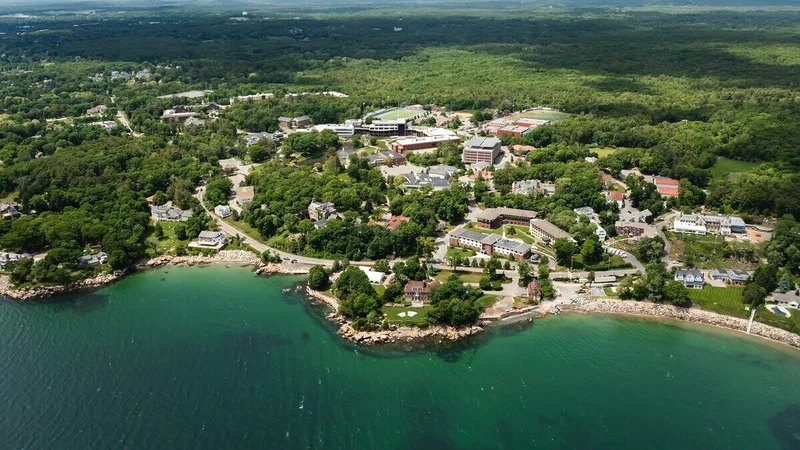
Research opportunities, close faculty connections and NEWMAC competition give athletes a clear mix of academic and athletic priorities.
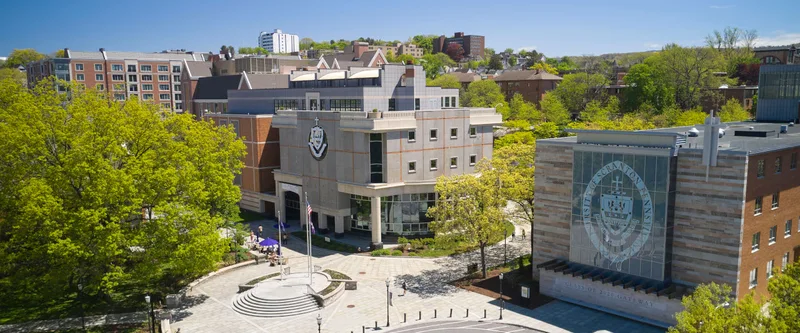
Competitive athletics, hands-on academics and close mentoring appeal to recruits who want a connected college experience.
Athletes choose a specialized creative education, competitive conference play and daily access to downtown Boston.
Athletes choose Pratt for creative study, Division III competition and access to Brooklyn's wider cultural community.
Required internships, accessible faculty and a seaside campus appeal to athletes seeking career preparation alongside competitive athletics.
Personal attention, career-focused academics and Landmark Conference competition give athletes clear reasons to consider this urban campus.
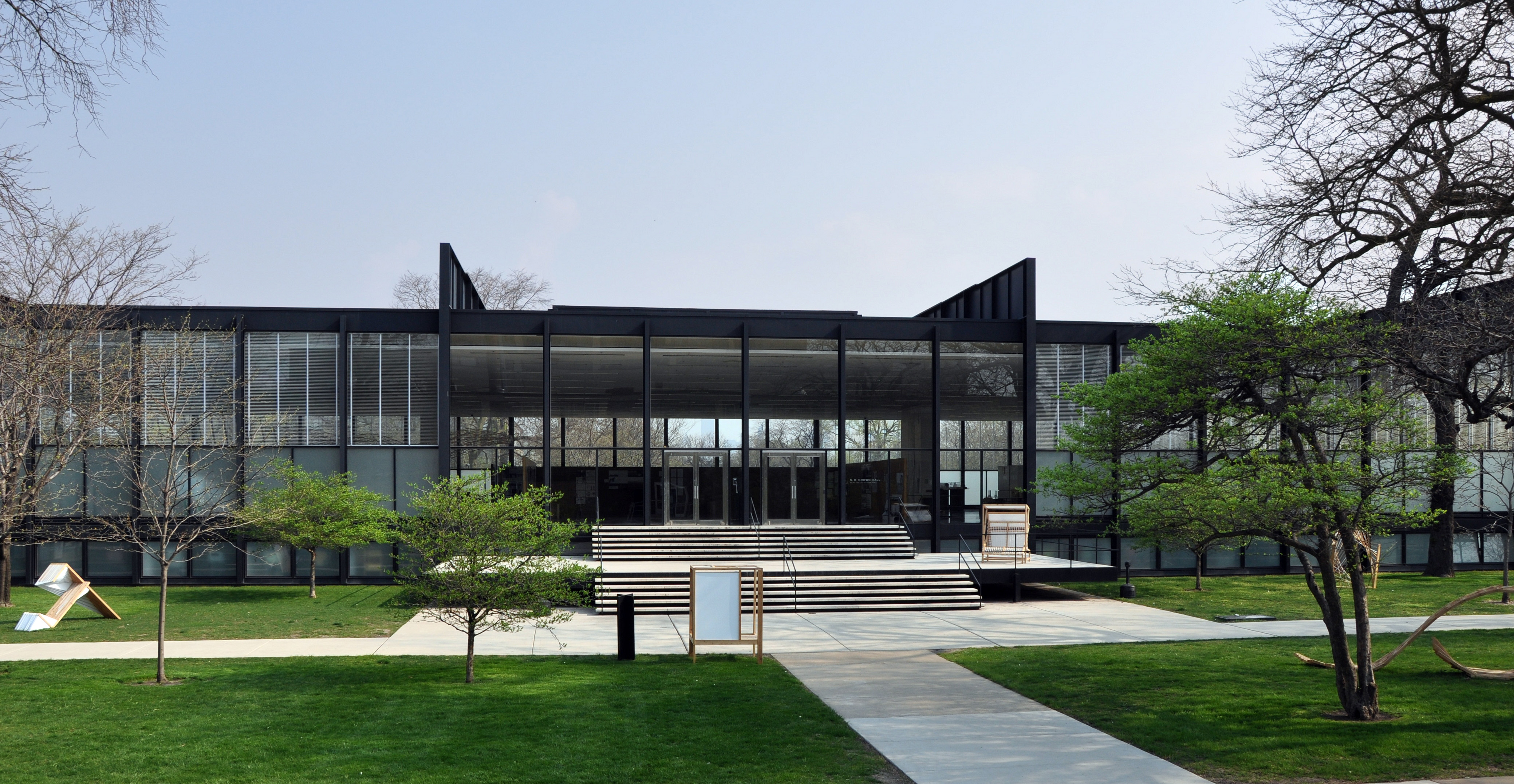
Athletes choose a small undergraduate community, technology-focused academics and competitive athletics within Chicago's urban setting.
Competitive athletics, undergraduate research and close faculty relationships give athletes meaningful opportunities beyond their sport.
Athletes choose a close-knit campus where competitive athletics, career-focused academics and a service culture share space.
Athletes choose a Catholic academic community with accessible faculty and Washington opportunities beyond their sport.
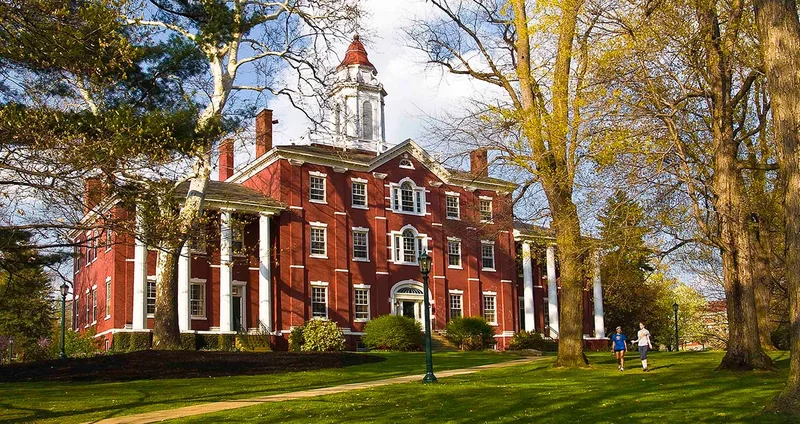
Small classes, hands-on academics and Division III competition appeal to athletes seeking a close-knit residential college experience.
A residential community, global academic outlook and Northwest Conference competition appeal to athletes seeking a balanced college experience.
Three ways to start
Pick the option that matches where you are, and we will show you the plan that fits.
Resources