Nike Basketball Camp - Complete Skills I
- Jun 15 to 19, 2026
- Kneller Athletic Center, Clark University, Worcester, MA
- $439
Youth skills camp focusing on fundamentals, shooting, offense/defense, and team play; full-day and half-day options listed.
Browse programs
College directoryEvery program, filtered by what fits Sport directoryMen's and women's, every division State directoryPrograms in the states you would play inGo deeper
Major directoryYour major and your sport in one list Camp directoryID camps and showcases at college programs Conference directoryEvery conference and its member colleges
Worcester, MassachusettsNew England Women's and Men's Athletic Conference
Overview
Mission and culture
Clark University combines a small undergraduate community with research opportunities in Worcester, Massachusetts, and competes in NCAA Division III athletics in the NEWMAC. Its strengths in geography, psychology and environmental science, along with close faculty interaction, make it worth considering if you want demanding academics alongside your sport.
Why athletes choose Clark University
Research opportunities, close faculty connections and NEWMAC competition give athletes a clear mix of academic and athletic priorities.
Fit check
Pick a sport, your position and level, add a test score if you have one, and get an instant read on your chances here. Free, and no account needed.
Academics
Clark University pairs interdisciplinary liberal arts with research strengths in geography, psychology and environmental science, making academic challenge, faculty access and career direction important parts of evaluating your fit.
Academic strength
A composite of graduation rate, earnings after college, how selective admissions are and how hard the coursework is.
Acceptance rate
More selectiveMore accessible
Admissions are moderately selective, so recruits should bring solid academic preparation rather than count on athletic interest alone.
Six-year graduation rate
0%100%
Students have a solid path to graduation, especially when they maintain academic momentum alongside athletic commitments.
Academic difficulty
Rated 4 out of 5
Demanding coursework calls for careful planning around practices, travel and competition.
Student to faculty ratio
students for every faculty member
Close faculty access can support personal mentoring, especially when you build relationships and seek guidance early.
Median earnings
per year, ten years after starting college
Six years after: $49,022Graduate earnings suggest solid outcomes, giving families a useful starting point for weighing cost against career goals.
Undergraduate enrollment
undergraduate students
The small undergraduate community offers a more personal daily experience while still connecting students to a research university.
SAT and ACT scores
Testing is optional, but the strong submitted score profile means recruits should consider whether their results strengthen an application grounded in classroom performance.
Most popular majors
Admissions
Preparing your application to Clark University means reviewing deadlines by plan, test policy, the application fee and recommendation requirements alongside your recruiting conversations.
Binding. If admitted, you commit to attend.
Not binding. Hear back early and decide by May 1.
A second binding round with a later deadline.
The standard deadline. Not binding.
Majors
31 undergraduate majors across 4 academic areas.
No major matches that search.
Campus life
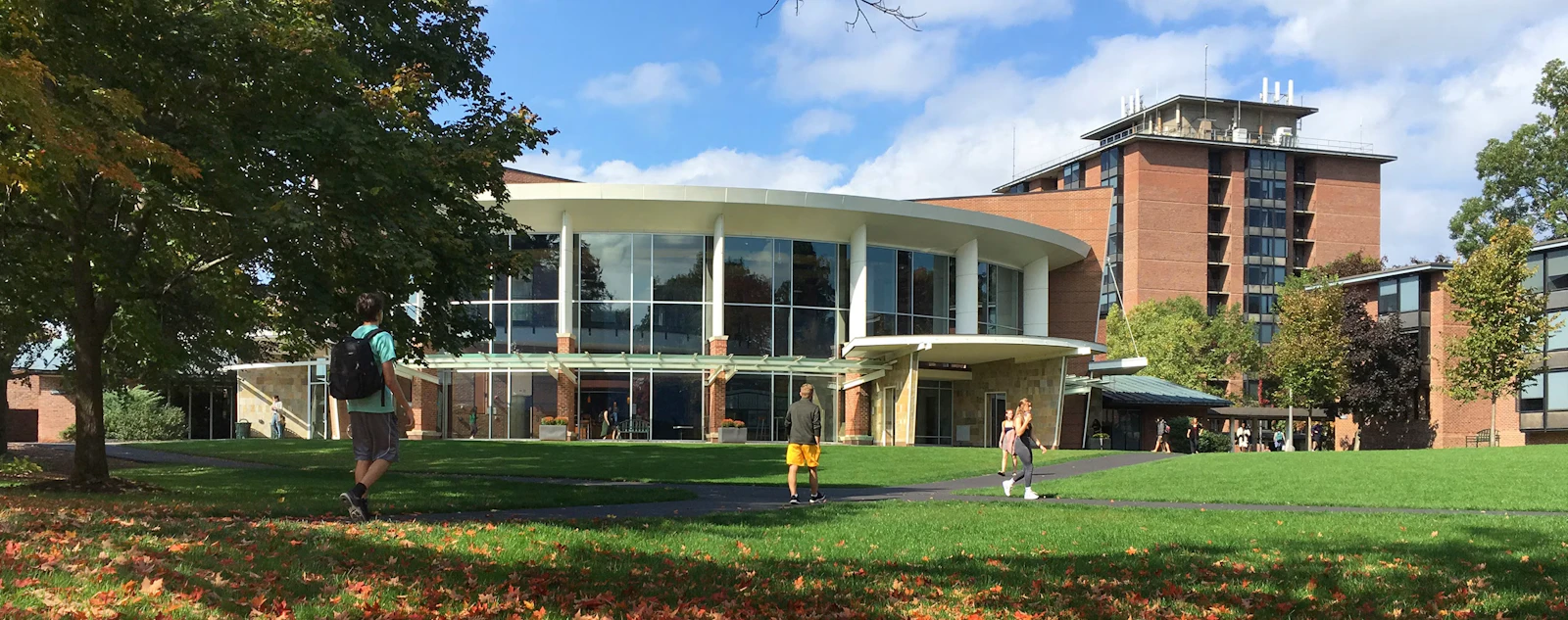
A small residential campus in urban Worcester combines close faculty interaction, community engagement and co-curricular involvement with access to city life.
Athletics
Athletes compete in NCAA Division III, primarily within the New England Women's and Men's Athletic Conference, balancing conference competition with demanding coursework in a small university community.
Athletic department
Explore how Clark University supports its NCAA Division III athletic department through program spending and recruiting investment, with athlete participation and aid information broken down by gender.
Athletes
Recruiting spend
Source: the federal Equity in Athletics report, 2025.
Cost
At Clark University, need-based and merit-based aid can shape affordability, so compare the published cost with the average price after grants rather than planning around athletic aid.
Average net price
What families pay on average after grants and scholarships, including tuition, housing and fees.
Published tuition
The sticker price a year, before any aid.
Financial aid
Need-based and merit-based aid availableAthletic scholarships, where a program offers them, are awarded by the coaching staff and come on top of these figures.
NIL
NIL rating
The NIL, or name image and likeness, environment at Clark University in Worcester, Massachusetts offers focused opportunities typical of a strong NCAA Division III academic institution. Student-athletes across Clark University college sports can build personal brands through campus leadership, community presence, and digital content rather than large-scale commercial deals.
See the full NIL breakdownStudent fit
The kind of student-athlete who tends to do well at Clark University.
Clark University fits athletes who want NCAA Division III competition alongside challenging academics and the personal connections of a small undergraduate community. It is especially worth exploring if your interests include psychology, geography or environmental science, and you want research opportunities without giving up close faculty access. Students who enjoy an urban setting, hands-on learning and community engagement may find Worcester and the campus environment appealing. Families should be comfortable evaluating need-based and merit-based aid rather than athletic scholarships, while athletes seeking a less demanding academic schedule should think carefully about balancing coursework with practices and travel.
Who thrives here
Time ManagementCurious LearnersFaculty RelationshipsCommunity EngagementGrad School OrientedCamps
Clark University has not posted new camp dates yet. These ran last season.
Youth skills camp focusing on fundamentals, shooting, offense/defense, and team play; full-day and half-day options listed.
Youth skills camp offering fundamental development and game-play instruction; day options available.
Youth skills camp emphasizing individual skill development and team concepts; day options available.
Questions
Clark University is known for its strong liberal arts and sciences foundation, standout programs in psychology, geography, international development, business, and environmental science, and a focus on research, experiential learning, and social justice. It offers rigorous academics in a small, student-centered setting.
Admission is considered very competitive. Successful applicants typically have a strong academic record, challenging coursework in high school, solid writing skills, and evidence of engagement in activities that show initiative, leadership, or intellectual curiosity.
Students experience a close-knit, collaborative community with small classes, direct access to professors, and many opportunities for research, internships, and community engagement in Worcester. The campus culture tends to be inclusive, socially aware, and academically focused.
Undergraduates have extensive access to research across the humanities, social sciences, and natural sciences. Many students collaborate with faculty on projects, pursue independent study, and present or publish their work, sometimes as early as their first or second year.
The university is especially well regarded for programs in psychology, geography, global and international studies, environmental science, business and management, political science, and the social sciences broadly, while also offering a wide range of majors in the arts and sciences.
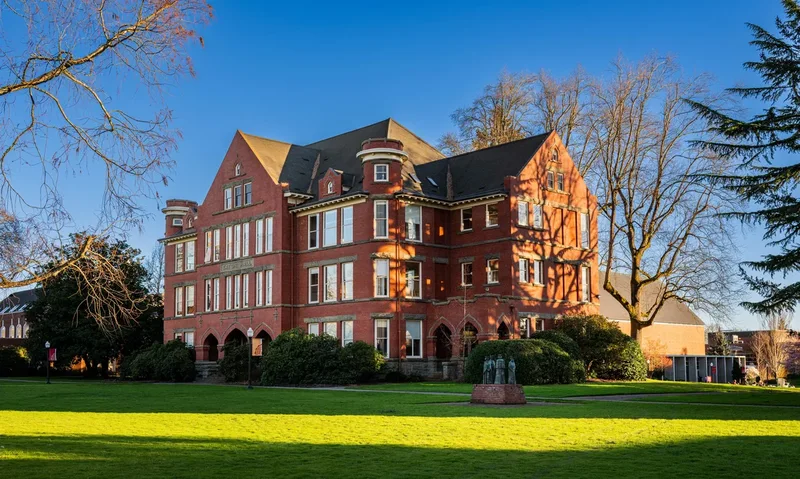
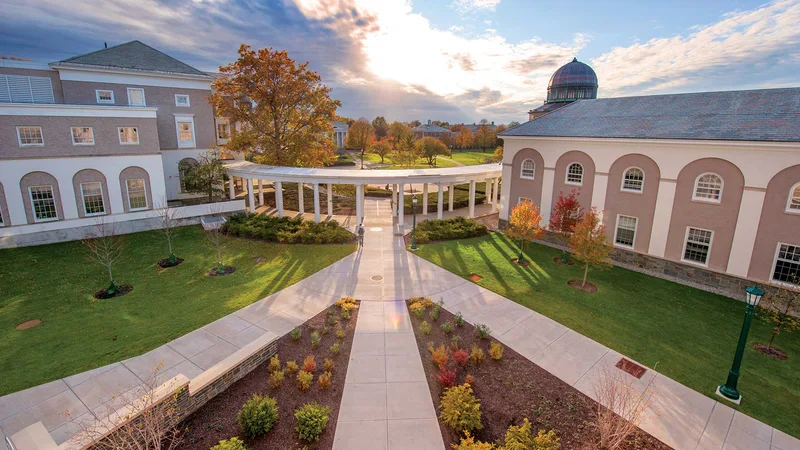
The campus is compact and walkable, with a traditional New England collegiate feel, historic brick buildings, updated academic and research spaces, residence halls, and student life facilities all located in an urban neighborhood of Worcester.
The university is located in Worcester, Massachusetts, a mid-sized city with a growing arts and restaurant scene, multiple colleges, and access to internships, community organizations, and healthcare institutions, while still being within reach of Boston and other New England destinations.
Classes are generally small, allowing for discussion-based learning, close interaction with professors, and frequent collaboration with classmates. The learning environment emphasizes critical thinking, writing, research, and active participation.
Clark competes in NCAA Division III, which emphasizes a balance between athletics and academics. Student-athletes participate in varsity, club, and intramural sports without athletic scholarships, focusing on both competitive play and overall student development.
Student-athletes balance rigorous coursework with practice, competition, and team activities. Coaches and academic support staff work with athletes to manage schedules, maintain academic performance, and stay engaged in campus life beyond athletics.
The university offers selected accelerated and combined bachelor’s and master’s pathways in areas such as business, public administration, and some arts and sciences fields, allowing motivated students to complete advanced degrees in a shorter time frame.
Students have access to academic advising, tutoring and writing support, career services, counseling and wellness resources, accessibility services, and various mentoring and success programs designed to help them thrive academically and personally.
Compare
Other colleges worth comparing with Clark University.
Women-centered education, health-focused academics and Boston surroundings give athletes a distinctive setting for study and competition.
Athletes choose a specialized creative education, competitive conference play and daily access to downtown Boston.
Close faculty relationships, challenging liberal arts coursework and Centennial Conference competition make this a distinctive recruiting option.
Athletes choose a setting where challenging liberal arts study, close faculty relationships and competition can fit together.
Close faculty relationships and Memphis opportunities give athletes a college experience that extends beyond competition.
Close faculty relationships and access to government internships complement a residential campus and competitive Division III athletics.
Strong academics, an evangelical Christian community and CCIW competition near Chicago give athletes compelling reasons to consider Wheaton.
Engineering, close faculty relationships and a residential campus with city access give athletes distinct reasons to consider Union.
Athletes can combine competitive athletics with strong liberal arts academics, music opportunities and a close-knit residential community.
Immersive academics, close faculty connections and varied athletic competition appeal to recruits who also value outdoor experiences.
Close faculty mentorship and creative academics give athletes room to pursue interests beyond Liberty League competition.
Close faculty relationships, NESCAC competition and Hartford internship opportunities appeal to athletes seeking a demanding liberal arts experience.
Three ways to start
Pick the option that matches where you are, and we will show you the plan that fits.
Resources