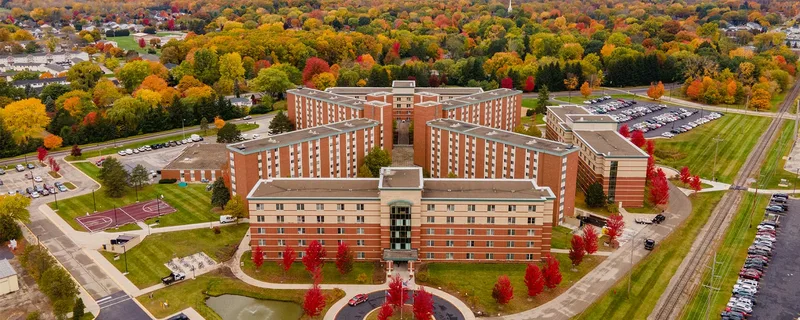
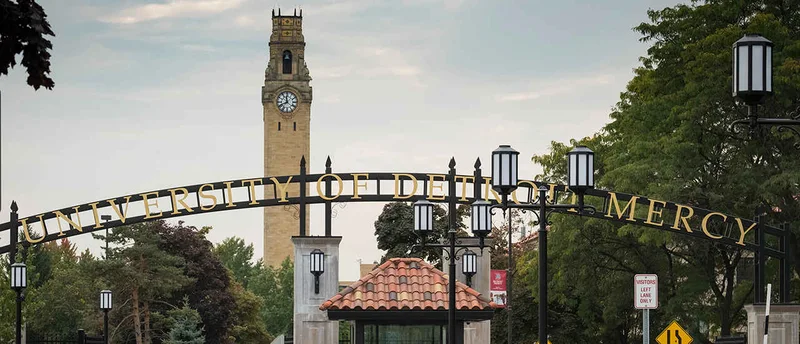
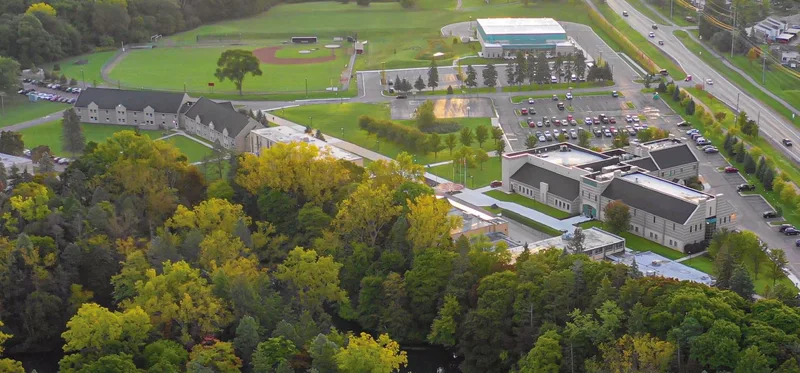
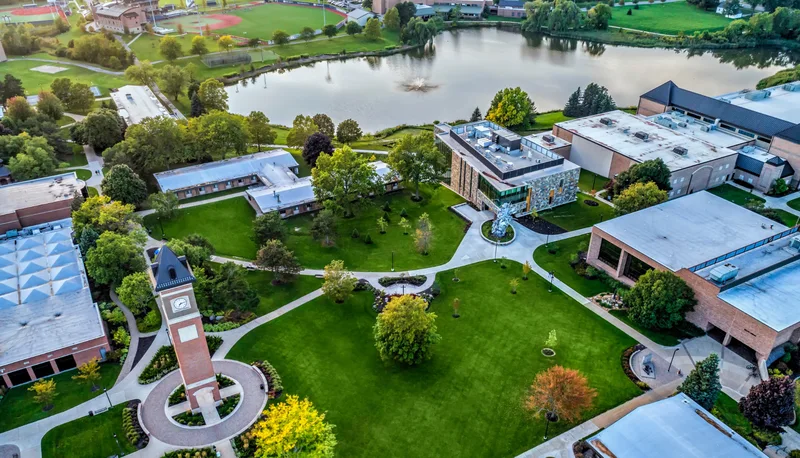
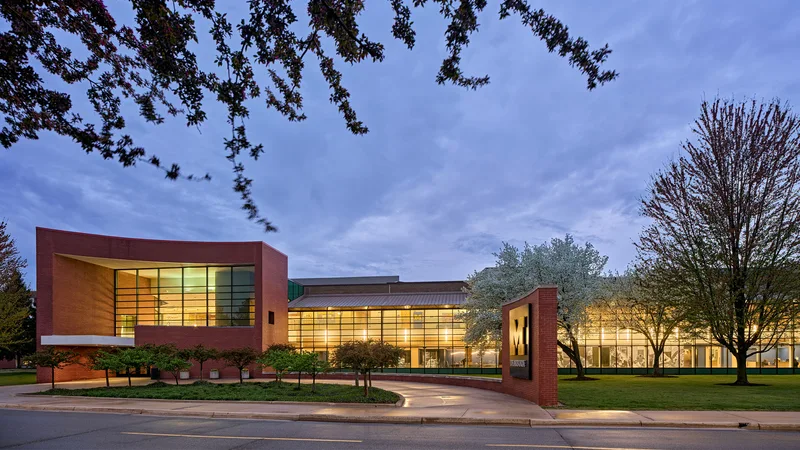
University of Michigan
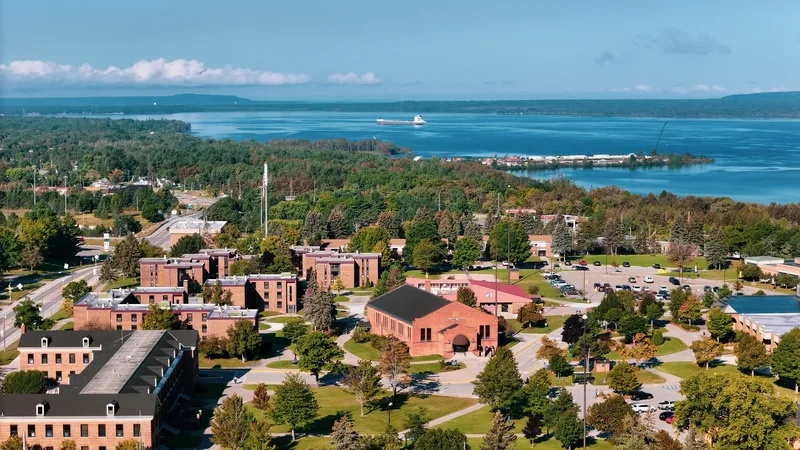
Ann Arbor, MI
Big Ten competition, broad academic choices and strong career outcomes appeal to athletes with ambitious goals.
Browse programs
College directoryEvery program, filtered by what fits Sport directoryMen's and women's, every division State directoryPrograms in the states you would play inGo deeper
Major directoryYour major and your sport in one list Camp directoryID camps and showcases at college programs Conference directoryEvery conference and its member colleges
Michigan offers a solid mix of women’s cross country programs across multiple college levels. Use this guide to compare divisions, scholarship pathways, and overall recruiting opportunity in-state.
23 of 30 play in divisions that allow athletic scholarships
At a glance
30 women's cross country programs in Michigan. Tap a level to jump to its schools.
Division II has the most options here, with 9 of 30 programs (30%).
NCAA Division I
Michigan’s Division I women’s cross country options are in line with what you see in many states. These programs tend to be the most competitive recruiting environments and often prioritize proven varsity-level performance.
Strongest programs first, by Pathley's program strength score.
Ann Arbor, MI
Big Ten competition, broad academic choices and strong career outcomes appeal to athletes with ambitious goals.
Mount Pleasant, MI
Conference competition, professional programs and a residential campus appeal to athletes seeking a balanced college experience.
Ypsilanti, MI
Conference competition, applied academics and nearby career opportunities give athletes practical reasons to consider studying here.
Rochester Hills, MI
Career-focused academics, Division I competition and access to Detroit-area employers give athletes practical reasons to consider this campus.
Detroit, MI
Competitive athletics, close faculty relationships and Detroit-based professional opportunities give recruits several reasons to consider this campus.
Kalamazoo, MI
Specialized academics, competitive athletics and a residential Kalamazoo campus give recruits distinct reasons to consider this university.
NCAA Division II
Division II is a standout pathway in Michigan for women’s cross country, offering more in-state options than a typical state. It can be a strong middle ground for athletes seeking a high level of competition with a broader range of roster opportunities.
Strongest programs first, by Pathley's program strength score.
Grand Rapids, MI
Career-oriented majors, accessible admissions and GLIAC competition appeal to athletes seeking practical preparation alongside their sport.
Big Rapids, MI
Career-focused programs, competitive athletics and an affordable net price make this a practical option for recruits.
Allendale, MI
Competitive athletics, career-focused majors and West Michigan internship opportunities give recruits practical reasons to consider this campus.
Sault Ste. Marie, MI
Hands-on learning, close faculty access and Great Lakes surroundings give athletes reasons to look beyond competition.
Marquette, MI
Professional programs, public tuition and outdoor access give athletes practical reasons to consider competing here.
University Center, MI
Practical academics, accessible admissions and GLIAC competition give athletes a balanced path through college and into work.
Detroit, MI
Athletes choose an urban research setting that pairs Division II competition with professional programs and accessible admissions.
Hillsdale, MI
A classical curriculum, close faculty relationships and competitive athletics appeal to students seeking a demanding college experience.
Midland, MI
Business-focused academics, career connections and a small campus community complement the demands of competitive athletics.
NCAA Division III
Michigan has a meaningful Division III presence for women’s cross country, with programs that emphasize academic fit and overall college experience. Recruiting often centers on admissions alignment, campus preferences, and the ability to contribute right away.
Strongest programs first, by Pathley's program strength score.
Adrian, MI
A close-knit residential community and career-focused study give athletes reasons to look beyond their sport.
Albion, MI
Close faculty relationships and a residential community help athletes connect their athletic goals with academic and career plans.
Alma, MI
Close faculty relationships and a residential community help athletes connect their college experience with goals beyond competition.
Grand Rapids, MI
Competitive athletics, close faculty access and career-focused academics give recruits reasons to consider this small campus.
Holland, MI
Competitive athletics, undergraduate research and close faculty relationships give athletes meaningful opportunities beyond their sport.
Kalamazoo, MI
Athletes come for competitive athletics, personalized liberal arts study and a small community with close faculty connections.
Olivet, MI
A small campus, applied academic programs and conference competition give athletes clear reasons to consider Olivet.
NAIA
Michigan’s NAIA landscape is deeper than many states for women’s cross country, giving recruits additional scholarship-eligible options beyond the NCAA. NAIA programs can be a good match for athletes who want a competitive team environment with flexible recruiting timelines.
Strongest programs first, by Pathley's program strength score.
Grand Rapids, MI
Close faculty relationships, NAIA competition and access to Grand Rapids employers make this small college worth considering.
Howell, MI
A small campus community and applied business education give athletes a focused setting for college competition.
Southfield, MI
Athletes choose a close-knit campus where technical studies, industry connections and competitive athletics share the spotlight.
Rochester Hills, MI
A close-knit community, career-focused majors and regional NAIA competition give athletes several reasons to consider this campus.
Spring Arbor, MI
Close faculty relationships, career-focused majors and Crossroads League competition give athletes a clear mix of academic and athletic opportunities.
Grand Rapids, MI
Christian community, Wolverine-Hoosier Athletic Conference competition and access to Grand Rapids employers draw athletes to Cornerstone.
Livonia, MI
Career-focused programs, a wide range of NAIA sports and access to the Detroit area make this small Catholic university worth considering.
Dearborn, MI
A University of Michigan degree, strong engineering programs and NAIA competition give athletes practical reasons to consider Dearborn.
Free school matcher
Pick your position and level, and we score every women's cross country program on roster openings at your position, athletic level and academics.
Conferences
Every women's cross country conference with at least one program in Michigan, across every division.
Scorecard
This scorecard summarizes in-state program availability, division variety, scholarship-eligible pathways, and overall college-fit signals for women’s cross country recruits considering Michigan.
Overall opportunity score
StrongMichigan is a strong state for women’s cross country recruiting thanks to broad in-state options and above-typical scholarship-eligible depth.
Michigan’s overall number of women’s cross country programs is close to a typical state, giving most recruits several in-state places to start their search.
With programs across NCAA Division I, II, III, and NAIA, Michigan gives recruits a rare ability to compare multiple competitive levels without leaving the state.
Michigan offers stronger-than-typical access to scholarship-eligible women’s cross country programs, especially through Division II and NAIA options.
Across Michigan’s women’s cross country schools, the overall mix trends slightly more affordable and a bit more admissions-accessible than typical, with many programs at larger campuses.
Recruiting snapshot
Who it suits, what the landscape looks like, where the money is and what gives this state an edge.
Athletes who want multiple in-state divisions to compare, with especially strong Division II and NAIA pathways.
The in-state landscape is broad and balanced, offering a range of competition levels and roster situations rather than a single concentrated tier.
Most athletic scholarship opportunities are tied to NCAA Division I, NCAA Division II, and NAIA programs, while NCAA Division III recruiting is typically more academic and fit-driven with need-based and merit aid as key tools.
Michigan’s mix of campus settings and strong regional competition can make it practical to target multiple schools in one travel loop while staying visible to nearby Midwest recruiting networks.
Key metrics
How women's cross country programs in Michigan compare with the average state on program count, tuition, enrollment and admissions.
Three ways to start
Pick the option that matches where you are, and we will show you the plan that fits.
News
Resources
National rankings
Sport hub
The Women's Cross Country hub brings every division together: how D1, D2, D3 and NAIA compare, the strongest programs in each state, camps, and the recruiting guides for each level.