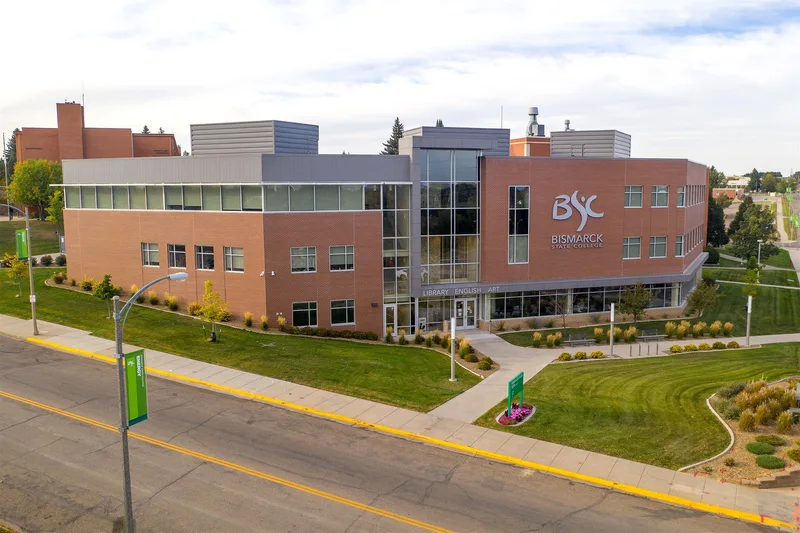
Accessible admissions, career-focused academics and affordable costs give athletes practical reasons to consider this campus.
- 3,736
- Students
- 84%
- Admit rate
- $7,888
- Net price
Browse programs
College directoryEvery program, filtered by what fits Sport directoryMen's and women's, every division State directoryPrograms in the states you would play inGo deeper
Major directoryYour major and your sport in one list Camp directoryID camps and showcases at college programs Conference directoryEvery conference and its member colleges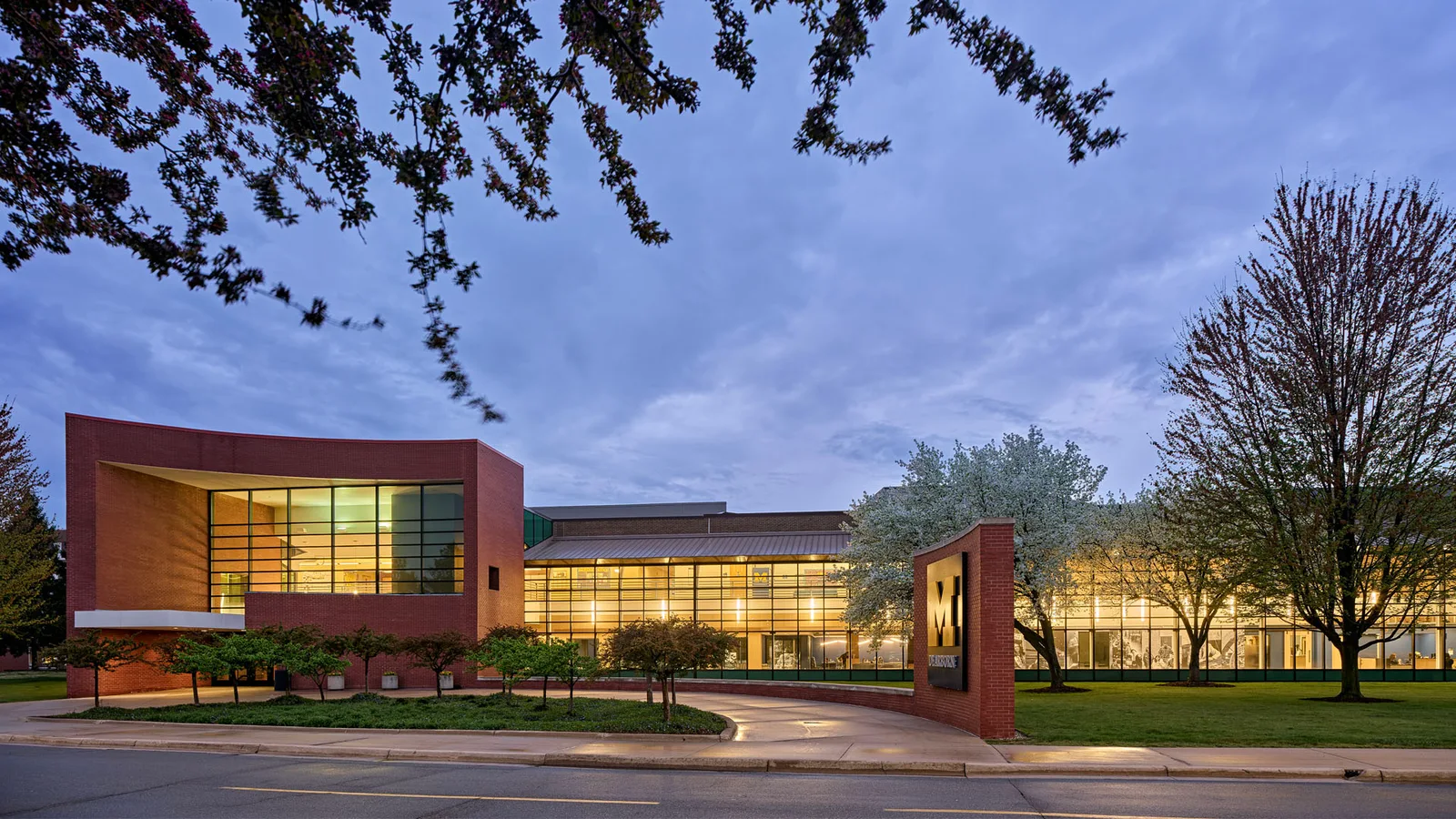

Dearborn, MichiganWolverine-Hoosier Athletic Conference
Overview
Mission and culture
The University of Michigan-Dearborn is a public research university in Metro Detroit, governed by the University of Michigan Board of Regents and built on land once part of Henry Ford's Fair Lane estate. It is especially strong in engineering and computer science, and its Wolverines compete in the NAIA in the Wolverine-Hoosier Athletic Conference.
Why athletes choose University of Michigan-Dearborn
A University of Michigan degree, strong engineering programs and NAIA competition give athletes practical reasons to consider Dearborn.
Fit check
Pick a sport, your position and level, add a test score if you have one, and get an instant read on your chances here. Free, and no account needed.
Academics
The University of Michigan-Dearborn pairs a strong engineering and computer science college with business, health and liberal arts programs, making academic preparation and career goals central to your recruiting decision.
Academic strength
A composite of graduation rate, earnings after college, how selective admissions are and how hard the coursework is.
Acceptance rate
More selectiveMore accessible
Admissions are moderately selective, so solid classroom preparation matters even when a coach is interested in your athletic ability.
Six-year graduation rate
0%100%
Students have a solid path to graduation, with consistent academic progress important alongside training and competition.
Academic difficulty
Rated 3 out of 5
Coursework presents a balanced challenge, with technical majors in particular calling for steady study habits alongside athletic commitments.
Student to faculty ratio
students for every faculty member
Expect reachable faculty with some larger classes, with initiative helping you build useful academic relationships.
Median earnings
per year, ten years after starting college
Six years after: $58,021Graduate earnings suggest strong outcomes, which makes the low net price for Michigan residents especially worth noting.
Undergraduate enrollment
undergraduate students
The medium-sized undergraduate community offers variety without overwhelming scale, giving you room to find connections beyond your team.
SAT and ACT scores
The test profile suggests solid academic preparation matters, especially for recruits interested in engineering or computer science.
Most popular majors
Popular choices such as Electrical Engineering, Computer Science and Psychology reflect a technical, career-oriented academic direction.
Admissions
Prepare your application to the University of Michigan-Dearborn by reviewing deadlines, test policy, the application fee and recommendation requirements alongside your recruiting conversations.
Majors
55 undergraduate majors across 7 academic areas.
No major matches that search.
Campus life
A suburban campus with a large nature preserve serves a mostly Michigan-based student body, many of whom commute, with limited on-campus housing at The Union and easy access to Detroit-area employers.
Athletics
Athletes compete in the NAIA, primarily in the Wolverine-Hoosier Athletic Conference, which the university has been part of since 2004-05, with programs including baseball, basketball, soccer, golf, lacrosse and volleyball.
Athletic department
Explore how the University of Michigan-Dearborn supports its NAIA athletic department through athlete participation, department revenue, recruiting investment and the distribution of athletic aid and recruiting spending by gender.
Athletes
Athletic aid
Recruiting spend
Source: the federal Equity in Athletics report, 2025.
Cost
At the University of Michigan-Dearborn, in-state tuition and available need-based and merit-based aid make the net price worth comparing carefully with your individual aid offer.
Average net price
What families pay on average after grants and scholarships, including tuition, housing and fees.
Published tuition
The sticker price a year, before any aid.
Financial aid
Need-based and merit-based aid availableAthletic scholarships, where a program offers them, are awarded by the coaching staff and come on top of these figures.
NIL
NIL rating
The University of Michigan-Dearborn offers a developing name, image and likeness (NIL) environment for NAIA student-athletes, supported by its connection to the University of Michigan and its location in Metro Detroit. Athletes can draw on a large regional market, although building visibility at a commuter-heavy campus takes personal effort.
See the full NIL breakdownStudent fit
The kind of student-athlete who tends to do well at University of Michigan-Dearborn.
The University of Michigan-Dearborn fits athletes who want NAIA competition alongside a demanding, career-focused education, particularly in engineering, computer science or business. You should bring solid academic preparation and strong time-management habits, since admissions are moderately selective and technical majors require steady work. The campus suits students who are comfortable with a commuter-heavy environment and want close access to Detroit-area internships and employers. Michigan families may find the in-state net price appealing, while athletes seeking a traditional residential campus experience may want to compare other options.
Who thrives here
Engineering Minded AthletesCareer Focused StudentsIndependent CommutersFirst Generation AchieversDetroit Network BuildersQuestions
The campus is in Dearborn, Michigan, in the Detroit metropolitan area. Its location provides access to major employers, cultural attractions, and professional opportunities throughout southeastern Michigan.
The university is known for engineering, business, computer science, and career-focused education. It also offers programs in the arts, sciences, education, and health-related fields, with an emphasis on applied learning.
Yes. Dearborn is one of the University of Michigan's three campuses, alongside Ann Arbor and Flint. It has its own admissions process, academic offerings, and campus experience.
First-year admission considers high school academic performance and preparation for college-level coursework. Requirements can vary by applicant type and academic program, so applicants should check the official admissions website for current criteria and required materials.
Yes. Tuition generally differs for Michigan residents and nonresidents. Costs also depend on the academic program and enrollment level, so the official tuition schedule is the best source for estimating expenses.
Eligible students may receive scholarships, grants, loans, and work-study assistance. Completing the FAFSA helps determine eligibility for many types of aid, while some scholarships may have separate application requirements.
The university is primarily a commuter campus and does not operate traditional on-campus residence halls. Students who want to live nearby can explore privately operated apartments and other off-campus housing options in Dearborn.
Student life includes organizations, cultural activities, service opportunities, and campus events. Because many students commute, participating in clubs and activities can be an important way to build connections outside the classroom.
Dearborn experiences four distinct seasons, with warm summers and cold winters that can bring snow and ice. Students should plan for winter clothing and changing travel conditions, especially when commuting.
Students can pursue internships and other career-related learning opportunities in the Detroit metropolitan area. The region's automotive, engineering, technology, and business employers make the location especially relevant for students seeking practical experience.
The Wolverines compete in the NAIA, primarily in the Wolverine-Hoosier Athletic Conference. Conference affiliation and competition structure can vary by sport.
Prospective student-athletes can contact the athletic program for their sport and complete any available recruiting questionnaire. Sharing academic records, athletic experience, and relevant video can help introduce them to the program. Admission and NAIA eligibility are separate requirements.
Compare
Other colleges worth comparing with University of Michigan-Dearborn.
Accessible admissions, career-focused academics and affordable costs give athletes practical reasons to consider this campus.
Affordable study, flexible coursework and competitive NAIA athletics give recruits practical reasons to consider this Shreveport campus.
Personal faculty access, affordable public tuition and regional career connections complement the opportunity to compete in NAIA athletics.
Affordable study and a quieter campus appeal to athletes seeking NAIA competition with an undergraduate focus.
Affordable study, flexible classes and regional career connections help athletes build a practical path through college.
Applied academics, accessible admissions and NAIA competition appeal to athletes who want a career-focused college experience.
Hands-on programs, reachable faculty and relatively affordable tuition give athletes practical reasons to consider competing here.
Career-focused academics, Division I competition and access to Detroit-area employers give athletes practical reasons to consider this campus.
Athletes can pair Sun Conference competition with individualized honors study, close mentoring and affordable in-state tuition.
A small campus, interdisciplinary coursework and accessible costs appeal to athletes seeking a connected college experience.
Athletes can combine NAIA competition with career-focused study, a Baptist campus environment and financial aid options.
Athletes are drawn to NAIA competition, career-focused majors and a residential community built around Christian faith.
Three ways to start
Pick the option that matches where you are, and we will show you the plan that fits.
Resources