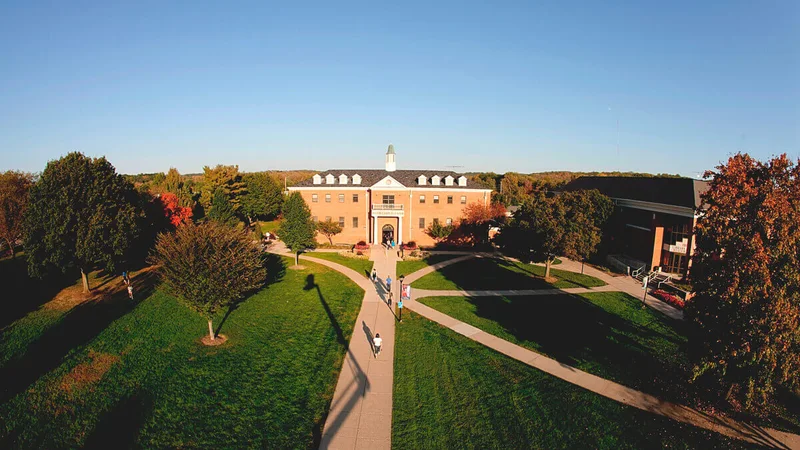
Accessible admissions, personal faculty connections and professional majors give athletes practical reasons to consider competing here.
- 2,289
- Students
- 72%
- Admit rate
- $18,669
- Net price
Browse programs
College directoryEvery program, filtered by what fits Sport directoryMen's and women's, every division State directoryPrograms in the states you would play inGo deeper
Major directoryYour major and your sport in one list Camp directoryID camps and showcases at college programs Conference directoryEvery conference and its member colleges

Spring Arbor, MichiganCrossroads League
Overview
Mission and culture
Spring Arbor University combines a small campus in rural Spring Arbor, Michigan, with NAIA athletics in the Crossroads League. Its strengths in nursing and teacher education, close faculty relationships and opportunities for study abroad make it worth considering if you want a personal college experience.
Why athletes choose Spring Arbor University
Close faculty relationships, career-focused majors and Crossroads League competition give athletes a clear mix of academic and athletic opportunities.
Fit check
Pick a sport, your position and level, add a test score if you have one, and get an instant read on your chances here. Free, and no account needed.
Academics
Spring Arbor University pairs liberal arts learning with strengths in nursing, education and business, giving recruits a useful starting point for weighing academic demands, faculty access and career preparation.
Academic strength
A composite of graduation rate, earnings after college, how selective admissions are and how hard the coursework is.
Acceptance rate
More selectiveMore accessible
Admissions are moderately selective, so solid classroom preparation matters alongside your athletic ability and conversations with coaches.
Six-year graduation rate
0%100%
Students have a solid path to graduation, with consistent academic progress helping athletes stay on track.
Academic difficulty
Rated 4 out of 5
Coursework is demanding, making consistent study habits important alongside practices, travel and competition.
Student to faculty ratio
students for every faculty member
Faculty are generally reachable, giving athletes room to build relationships and discuss academic demands around competition.
Median earnings
per year, ten years after starting college
Six years after: $45,592Graduate earnings are moderate, so compare affordability carefully and connect your major with a clear career plan.
Undergraduate enrollment
undergraduate students
The small undergraduate community offers a close-knit setting where familiar faces and personal relationships can shape your daily experience.
SAT and ACT scores
The test profile accommodates varied academic backgrounds, but scores may be required, so confirm which testing expectations apply to your application.
Most popular majors
Admissions
Plan your application to Spring Arbor University by reviewing deadlines, test policy, application fees and recommendation requirements while coordinating admissions steps with your recruiting conversations.
Majors
37 undergraduate majors across 7 academic areas.
No major matches that search.
Campus life
A small residential community in rural Michigan offers close faculty connections, active student organizations and athletics, with a quieter setting outside larger cities.
Athletics
Athletes compete at the NAIA level, primarily in the Crossroads League, with programs including soccer, basketball and bowling offering a competitive small-campus experience.
Athletic department
Explore how Spring Arbor University supports its NAIA athletic department through program spending, recruiting resources and athletic aid, including how those investments are distributed across men's and women's programs.
Athletes
Athletic aid
Source: the federal Equity in Athletics report, 2025.
Cost
At Spring Arbor University, comparing the published cost with the net price after grants and available need-based, merit-based and athletic aid helps families evaluate affordability.
Average net price
What families pay on average after grants and scholarships, including tuition, housing and fees.
Published tuition
The sticker price a year, before any aid.
Financial aid
Need-based and merit-based aid availableAthletic scholarships, where a program offers them, are awarded by the coaching staff and come on top of these figures.
NIL
NIL rating
Spring Arbor University in Spring Arbor, Michigan offers a developing name, image and likeness (NIL) environment where student-athletes at a smaller Christian campus can build localized personal brands. College sports at Spring Arbor University benefit from close community ties, giving motivated athletes room to learn and grow in NIL while balancing academics and competition.
See the full NIL breakdownStudent fit
The kind of student-athlete who tends to do well at Spring Arbor University.
Spring Arbor University suits athletes who want NAIA competition in the Crossroads League while pursuing a demanding academic path in a small college community. It is especially worth exploring if nursing, teacher education or business interests you and you value getting to know faculty rather than blending into a larger student body. The rural residential setting fits someone comfortable with a quieter daily environment and a social life shaped by campus organizations and athletics. Families should weigh aid offers carefully, while recruits should consider whether their preferred major's workload fits the time demands of their sport.
Who thrives here
Faith Centered AthletesSmall Class LearnersStructure And RoutinePurpose Driven CompetitorsMentorship SeekersQuestions
Spring Arbor University is known for a strong liberal arts foundation, Christ-centered education, and professional programs such as education, business, nursing, social work, and the arts and sciences. It emphasizes critical thinking, ethical leadership, and integrating faith with learning in a small-campus environment.
Admission is considered competitive but accessible for well-prepared students. A solid high school record, college-preparatory coursework, and evidence of engagement in activities or service typically strengthen an application. The admissions office reviews applicants holistically, considering academics, character, and fit with the university’s mission.
Student life is close-knit and community-oriented, with residence hall activities, campus ministries, intramural sports, music and theatre opportunities, and service projects. Many students participate in small groups, chapel, and local outreach, creating a campus culture that is relational, supportive, and rooted in Christian values.
Yes, it is a Christian university with a Wesleyan and evangelical heritage. The campus culture encourages spiritual growth through chapel services, discipleship groups, and faith-based coursework, while welcoming students who are open to exploring or deepening their Christian faith.
Popular areas of study include business, education, nursing, social work, communications, psychology, and various arts and sciences majors. Students can choose from undergraduate degrees, adult and professional programs, and selected graduate programs designed to prepare them for careers and service-oriented leadership.
The campus has a traditional residential feel with academic buildings, residence halls, athletic facilities, and green spaces all within walking distance. Its location in Spring Arbor, Michigan, offers a quiet, small-town setting while still being within driving distance of larger cities, internships, and cultural activities.
Yes, it offers online and adult-friendly degree options in fields such as business, education, nursing, and human services. These programs are designed for working adults, providing flexible schedules, accelerated formats, and support services tailored to nontraditional students.
The university competes in the NAIA, primarily within the Crossroads League. Student-athletes have opportunities to participate in varsity sports while balancing academic commitments and engaging in a campus culture that emphasizes character and sportsmanship.
The athletics program includes sports such as soccer, basketball, baseball, softball, volleyball, tennis, track and field, and others, depending on gender and season. Teams compete against regional and national NAIA opponents, and student-athletes receive support to succeed both on the field and in the classroom.
Most traditional undergraduates live on campus in residence halls or campus housing, which helps foster a strong sense of community and involvement. Housing options vary by class year and include typical dorm-style living as well as more apartment-style arrangements for upper-level students.
Students have access to academic advising, tutoring, writing and math support, and faculty mentorship. A career services office assists with internships, resume development, interview preparation, and job search strategies, helping students connect their academic work with meaningful careers and service opportunities.
It can be a strong option for out-of-state and transfer students seeking a smaller Christian campus with a tight-knit community. Orientation programs, academic advising, and residence life staff help new students transition smoothly and get involved in campus life, regardless of their previous college experience or home state.
Compare
Other colleges worth comparing with Spring Arbor University.
Accessible admissions, personal faculty connections and professional majors give athletes practical reasons to consider competing here.
Crossroads League competition, a small campus and flexible academic paths give athletes several reasons to consider Grace.
Personal faculty attention and career-focused programs give athletes reasons to look beyond the playing field.
Close faculty relationships and a supportive community help athletes pursue challenging academics alongside NAIA competition.
Athletes choose a close-knit, faith-centered community where competitive sports sit alongside teacher education and career preparation.
Faith-centered community, accessible faculty and NAIA competition give athletes a connected college experience beyond their sport.
A close-knit Christian community and approachable faculty help athletes connect their education with competitive NAIA athletics.
Strong health programs, NAIA competition and access to the Chicago area make St. Francis appealing to career-minded athletes.
Athletes can pursue NAIA competition alongside specialized academics, approachable faculty and a close-knit urban campus community.
Competitive NAIA athletics, career-focused programs and a close-knit residential community give recruits distinct reasons to consider Dordt.
Athletes choose a close-knit Christian community where personal faculty support complements competitive Mid-South Conference athletics.
Athletes are drawn to NAIA competition, career-focused majors and a residential community built around Christian faith.
Three ways to start
Pick the option that matches where you are, and we will show you the plan that fits.
Resources