
Career-focused academics, affordable tuition and access to Chicago complement a competitive Division II athletic experience.
- 9,051
- Students
- 72%
- Admit rate
- $6,079
- Net price
Browse programs
College directoryEvery program, filtered by what fits Sport directoryMen's and women's, every division State directoryPrograms in the states you would play inGo deeper
Major directoryYour major and your sport in one list Camp directoryID camps and showcases at college programs Conference directoryEvery conference and its member colleges

Big Rapids, MichiganGreat Lakes Intercollegiate Athletic Conference
Overview
Mission and culture
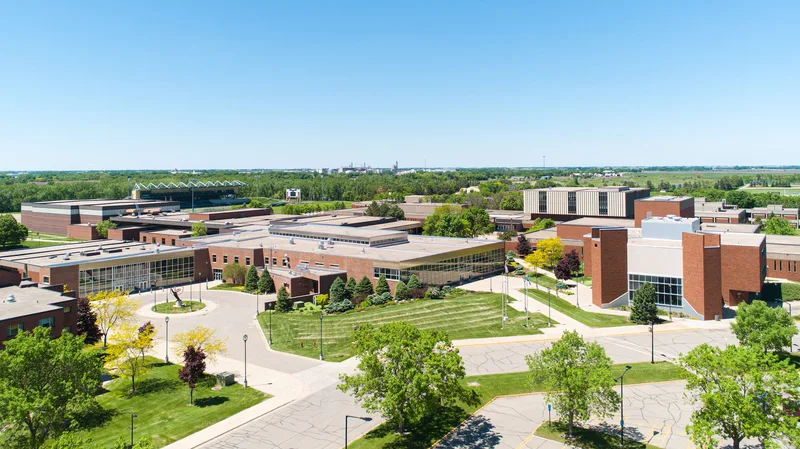
Ferris State University is a career-focused public university in Big Rapids, Michigan, with a rural residential campus and primarily NCAA Division II athletics. Its hands-on academic strengths include engineering technology, business and health professions, while championship football adds a demanding competitive identity.
Why athletes choose Ferris State University
Career-focused programs, competitive athletics and an affordable net price make this a practical option for recruits.
Fit check
Pick a sport, your position and level, add a test score if you have one, and get an instant read on your chances here. Free, and no account needed.
Academics
Ferris State University emphasizes applied, career-oriented learning, with strengths in engineering technology, business and health professions that give athletes practical academic options while they assess coursework demands, faculty access and outcomes.
Academic strength
A composite of graduation rate, earnings after college, how selective admissions are and how hard the coursework is.
Acceptance rate
More selectiveMore accessible
Admissions are highly accessible, so recruits should focus on classroom readiness and program fit rather than intense selectivity.
Six-year graduation rate
0%100%
Finishing is a reasonable goal, but athletes should maintain steady academic focus and seek support when needed.
Academic difficulty
Rated 3 out of 5
Coursework presents a balanced challenge that calls for steady effort alongside athletic commitments.
Student to faculty ratio
students for every faculty member
Faculty should be reasonably reachable, giving athletes opportunities to build relationships and discuss coursework around athletic demands.
Median earnings
per year, ten years after starting college
Six years after: $47,339Graduate earnings are moderate, making thoughtful major selection and career planning important when weighing educational value.
Undergraduate enrollment
undergraduate students
The medium-sized undergraduate community offers variety without an overwhelming scale, with room to build connections beyond your sport.
SAT and ACT scores
Testing is optional, and the score profile suggests an accessible academic entry point for recruits who demonstrate solid classroom preparation and readiness.
Most popular majors
Admissions
Plan your application to Ferris State University by reviewing deadlines by admission plan, test policy, the application fee and recommendation requirements alongside recruiting conversations.
Majors
52 undergraduate majors across 7 academic areas.
No major matches that search.
Campus life
Daily life centers on a medium-sized residential campus in rural Big Rapids, with athletics and events but fewer nightlife options and urban amenities.
Athletics
Most programs compete in NCAA Division II's GLIAC, while men's ice hockey plays in NCAA Division I's CCHA. Football's national championships reflect the competitive expectations recruits should consider.
Athletic department
Explore how Ferris State University supports its primarily NCAA Division II athletic department through program spending, recruiting investment and athletic aid, including how recruiting resources and aid differ by gender.
Athletes
Athletic aid
Recruiting spend
Source: the federal Equity in Athletics report, 2025.
Cost
For Ferris State University, compare the published cost with the price after grants, available need-based and merit-based aid, and tuition that does not differ by residency.
Average net price
What families pay on average after grants and scholarships, including tuition, housing and fees.
Published tuition
The sticker price a year, before any aid.
Financial aid
Need-based and merit-based aid availableAthletic scholarships, where a program offers them, are awarded by the coaching staff and come on top of these figures.
NIL
NIL rating
Ferris State University in Big Rapids, Michigan offers a growing name, image and likeness (NIL) environment built around its strong college sports culture and regional fan base. Student-athletes can tap into local and statewide recognition, especially as Ferris State teams compete at a high level and engage the community.
See the full NIL breakdownStudent fit
The kind of student-athlete who tends to do well at Ferris State University.
Ferris State University fits athletes who want serious competition alongside practical, career-focused academics rather than a highly selective admissions environment. Recruits interested in engineering technology, business or health professions can find academic directions connected to the university's applied strengths, while football prospects should recognize the expectations associated with a championship program. The medium-sized residential campus suits students who value a small-town setting, campus events and opportunities to build faculty relationships, but it may feel limiting if you want extensive nightlife or urban amenities. Athletes prepared to manage a balanced academic challenge and seek support when needed are well positioned to pursue both their sport and degree.
Who thrives here
Winning Focused CompetitorsStructure And AccountabilityWeight Room CultureHands On Career MajorsSmall Town Team CommunityQuestions
It is known for its strong career-focused programs, especially in fields like business, health professions, engineering technology, education, and criminal justice, as well as a hands-on, applied learning approach that prepares students for specific professions.
It is located in Big Rapids in western Michigan, with a traditional residential campus that offers a classic college-town feel, a mix of modern and historic facilities, and easy access to outdoor recreation and regional cities.
Admission is considered moderately selective; applicants with a solid high school record, a college-prep curriculum, and evidence of readiness for college-level work generally have a good chance of admission.
It offers a wide range of associate, bachelor’s, and graduate degrees, along with professional and certificate programs, across areas such as business, engineering and technology, health sciences, arts and sciences, and education.
Student life includes residence halls and apartments, student clubs and organizations, Greek life, intramural sports, campus events, and access to recreation centers, creating a community-oriented atmosphere on and around campus.
Yes, it has a long-standing reputation in engineering technology and applied technical fields, emphasizing laboratory work, internships, and partnerships with industry to help students move directly into technical and engineering careers.
It is considered a strong option for health and medical-related majors, offering programs in areas such as pharmacy, nursing, optometry, dental, and allied health, with clinical experiences and professional preparation built into the curriculum.
The university provides a range of on-campus housing options, including traditional residence halls and apartment-style living, with amenities such as dining access, study spaces, and staff support to help students transition to college life.
Its varsity teams compete in NCAA Division II in most sports, with a highly competitive athletics program that includes sports such as football, basketball, soccer, volleyball, golf, tennis, track and field, ice hockey, and others depending on the year.
It is widely recognized as a strong NCAA Division II athletics program, with teams that frequently contend for conference and national success and student-athletes who benefit from competitive play, academic support, and modern training facilities.
Students have access to a career services office that offers resume help, internship and job listings, interview preparation, career fairs, and employer networking, all focused on connecting academic programs with real-world employment opportunities.
Yes, many programs emphasize experiential learning through labs, clinical placements, co-ops, and internships, allowing students to gain practical experience and industry connections before graduation.
Compare
Other colleges worth comparing with Ferris State University.
Career-focused academics, affordable tuition and access to Chicago complement a competitive Division II athletic experience.
Competitive athletics, professional programs and relatively affordable costs attract recruits who want a balanced college experience.
Professional programs, public tuition and outdoor access give athletes practical reasons to consider competing here.
Practical academics, accessible admissions and GLIAC competition give athletes a balanced path through college and into work.
A small-campus community and practical academic options appeal to athletes seeking competitive athletics in a rural setting.
Applied learning, accessible admissions and a residential college-town setting give athletes practical reasons to consider competing here.
Practical academics, regional affordability and a small campus appeal to athletes seeking competitive athletics in a rural community.
Career-focused academics, competitive athletics and relatively affordable public tuition draw athletes to this residential campus.
Career-focused programs, accessible admissions and affordable tuition give athletes practical reasons to consider competing here.
Affordable study, faculty access and competitive Division II athletics appeal to recruits who value a close-knit community.
Regional Division II competition, affordable tuition and broad academic choices give recruits several practical reasons to consider enrolling.
Affordable costs and regionally focused academics give athletes practical reasons to pursue competitive Division II opportunities here.
Three ways to start
Pick the option that matches where you are, and we will show you the plan that fits.
News
Resources