Hitting Camp
- Jan 18, 2026
- Wayne State indoor facilities / Matthaei Center, Detroit, MI
- $70
One-day hitting clinic for grades 4-12 focusing on hitting and bunting technique with drill work and machine reps; includes t-shirt.
Browse programs
College directoryEvery program, filtered by what fits Sport directoryMen's and women's, every division State directoryPrograms in the states you would play inGo deeper
Major directoryYour major and your sport in one list Camp directoryID camps and showcases at college programs Conference directoryEvery conference and its member collegesOverview
Mission and culture
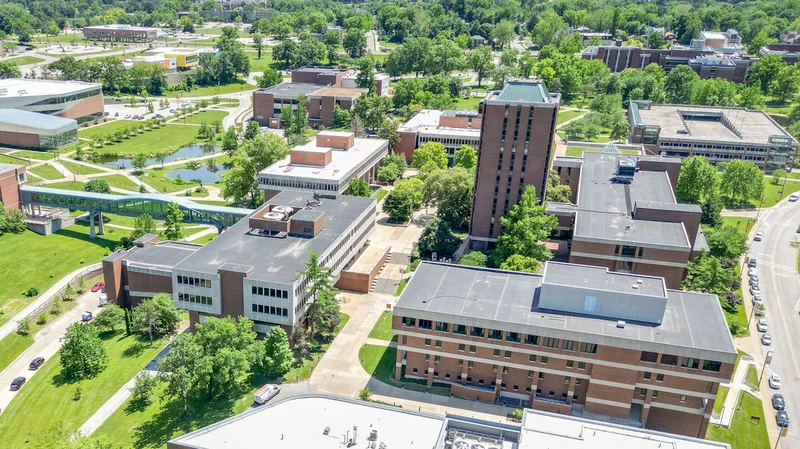
Wayne State University is a public research university in Detroit, Michigan, with NCAA Division II athletics and an academic focus that includes health sciences, engineering and business. Its Midtown location connects college life with city culture, research opportunities and career preparation in Detroit's regional economy.
Why athletes choose Wayne State University
Athletes choose an urban research setting that pairs Division II competition with professional programs and accessible admissions.
Fit check
Pick a sport, your position and level, add a test score if you have one, and get an instant read on your chances here. Free, and no account needed.
Academics
Wayne State University combines an urban research mission with health sciences, engineering and professional programs, giving recruits a range of academic paths to weigh alongside coursework demands and degree completion.
Academic strength
A composite of graduation rate, earnings after college, how selective admissions are and how hard the coursework is.
Acceptance rate
More selectiveMore accessible
Admissions are accessible for prepared recruits, though you should still check whether your intended program has additional expectations.
Six-year graduation rate
0%100%
Finishing a degree is a reasonable goal with steady academic focus and consistent use of support.
Academic difficulty
Rated 3 out of 5
Coursework offers a balanced challenge that calls for steady planning around practices and competition.
Student to faculty ratio
students for every faculty member
Faculty are generally reachable, giving athletes room to build academic relationships while managing busy schedules.
Median earnings
per year, ten years after starting college
Six years after: $45,207Graduate earnings are moderate, so weigh affordability alongside your major's career direction and practical preparation.
Undergraduate enrollment
undergraduate students
The large undergraduate community offers variety, while finding connections within your sport and major can make daily life more personal.
SAT and ACT scores
Testing is optional, and the score profile suggests prepared recruits can consider whether submitting results would strengthen their application alongside classroom performance.
Most popular majors
Admissions
Prepare your application to Wayne State University by reviewing deadlines by admission plan, test policy, application fees and recommendation requirements within its rolling admissions process.
Majors
72 undergraduate majors across 7 academic areas.
No major matches that search.
Campus life
Daily life centers on Midtown Detroit, with residence halls, apartments and a student center connecting a diverse campus community to city culture and internships.
Athletics
Competing primarily in the GLIAC, the NCAA Division II program offers a regionally competitive setting across sports such as football, basketball and swimming and diving.
Athletic department
Explore how Wayne State University supports its NCAA Division II athletic department through program funding, recruiting investment and athletic aid, including how those resources are distributed by gender.
Athletes
Athletic aid
Recruiting spend
Source: the federal Equity in Athletics report, 2025.
Cost
For Michigan families, Wayne State University's public tuition structure makes residency important, while grants and need-based or merit-based aid help shape the cost beyond the published price.
Average net price
What families pay on average after grants and scholarships, including tuition, housing and fees.
Published tuition
The sticker price a year, before any aid.
Financial aid
Need-based and merit-based aid availableAthletic scholarships, where a program offers them, are awarded by the coaching staff and come on top of these figures.
NIL
NIL rating
Wayne State University in Detroit, Michigan offers a growing name, image and likeness (NIL) environment that benefits from its large urban campus and diverse college sports programs. Student‑athletes at Wayne State can tap into Detroit’s sizable market to develop NIL opportunities that align with both campus life and the broader community.
See the full NIL breakdownStudent fit
The kind of student-athlete who tends to do well at Wayne State University.
Wayne State University fits athletes who want NCAA Division II competition alongside the academic breadth of a major urban research university. It is especially worth considering if your interests include health sciences, engineering or business and you want Detroit's research, clinical and internship opportunities to inform your career plans. You should be comfortable with a large, diverse student community and city surroundings, while taking initiative to build relationships with faculty and maintain steady progress toward graduation. Families seeking accessible admissions and potential in-state value may find a good match, while athletes wanting a small campus or quieter setting may prefer another environment.
Who thrives here
City Driven AthletesIndependent Self StartersCareer Focused PlannersTime Management BuildersInternship SeekersCamps
Wayne State University has not posted new camp dates yet. These ran last season.
One-day hitting clinic for grades 4-12 focusing on hitting and bunting technique with drill work and machine reps; includes t-shirt.
Day skills camp for grades 6-12 (classes of 2026–2032) covering hitting and defensive sessions with position-specific instruction; includes lunch/Q&A and is limited in size.
Day camp focused on pitching development including bullpens, arm care, classroom instruction, strength & conditioning education and positional drills; two age sessions (ages 8-13 and 14-18).
Questions
It is best known for strong programs in health sciences, engineering, business, and the liberal arts, as well as its role as a major urban research university with deep community engagement in Detroit.
It is located in the Midtown neighborhood of Detroit, Michigan, an urban area with museums, music venues, restaurants, and cultural institutions within walking distance of campus.
Admission is moderately selective, with applicants evaluated on high school coursework, grades, test scores if submitted, and overall academic preparation, making it accessible to strong, college-ready students.
Popular areas of study include nursing and other health professions, engineering, business, education, computer science, social sciences, and the arts and humanities.
Student life is shaped by its urban setting, with many students involved in research, internships, community service, student organizations, and cultural events both on campus and in the city.
Yes, it offers residence halls and apartment-style housing, with options geared toward first-year students, upperclass students, and graduate or professional students who want to live near campus.
Many students commute from the Detroit metro area, but a significant number live on or near campus, creating a mix of residential and commuter life and offering flexible options for different lifestyles.
It provides need-based financial aid, merit scholarships, and program-specific awards, with aid packages commonly combining grants, scholarships, work-study, and loans for eligible students.
Academics are moderately rigorous, with a focus on real-world learning, research opportunities, and small to medium class sizes in many programs that allow for interaction with faculty.
Students benefit from the university’s location in a major city, accessing internships, co-ops, and jobs in healthcare, automotive, technology, business, and nonprofit sectors throughout the Detroit region.
Yes, it fields intercollegiate varsity teams in multiple sports, along with club and intramural options, giving students opportunities to compete, stay active, and be involved in campus recreation.
It is considered supportive of first-generation and nontraditional students, offering advising, academic support services, flexible scheduling, and resources tailored to diverse student backgrounds and ages.
Compare
Other colleges worth comparing with Wayne State University.
Career-focused programs, urban opportunities and financial aid give athletes practical reasons to consider competing here.
Athletes can combine competitive athletics with accessible admissions, in-state tuition value and San Francisco career opportunities.
Applied academics, accessible admissions and competitive athletics give recruits practical reasons to consider this southern Minnesota campus.
Competitive athletics, career-focused majors and West Michigan internship opportunities give recruits practical reasons to consider this campus.
Accessible admissions, reachable faculty and conference competition give athletes practical reasons to consider this Colorado Springs campus.
Affordable study, varied academic options and an urban campus give athletes practical reasons to consider competing here.
Affordable tuition, competitive athletics and a leadership-focused campus give recruits practical reasons to consider this university.
Los Angeles, CA
Why it is similar: Similar academics and size.Career-focused programs, accessible admissions and Los Angeles opportunities give athletes practical reasons to pursue a place here.
Accessible admissions, career-focused academics and regional conference competition give athletes several practical reasons to consider this campus.
Career-focused academics, affordable tuition and a supportive smaller community give athletes practical reasons to consider competing here.
San Bernardino, CA
Why it is similar: Similar academics and size.Affordable costs, practical majors and competitive athletics appeal to recruits who value a diverse, community-connected campus.
Championship-level athletics, applied learning and a supportive small-town campus give recruits clear reasons to consider this university.
Three ways to start
Pick the option that matches where you are, and we will show you the plan that fits.
Resources