Recruiting campSoftball · Women's
Winter Prospect Camp I
- Jan 24, 2026
- $159
Winter prospect camp for softball listed January 24, 2026 on the official Hope Softball camps site.
Browse programs
College directoryEvery program, filtered by what fits Sport directoryMen's and women's, every division State directoryPrograms in the states you would play inGo deeper
Major directoryYour major and your sport in one list Camp directoryID camps and showcases at college programs Conference directoryEvery conference and its member collegesOverview
Mission and culture
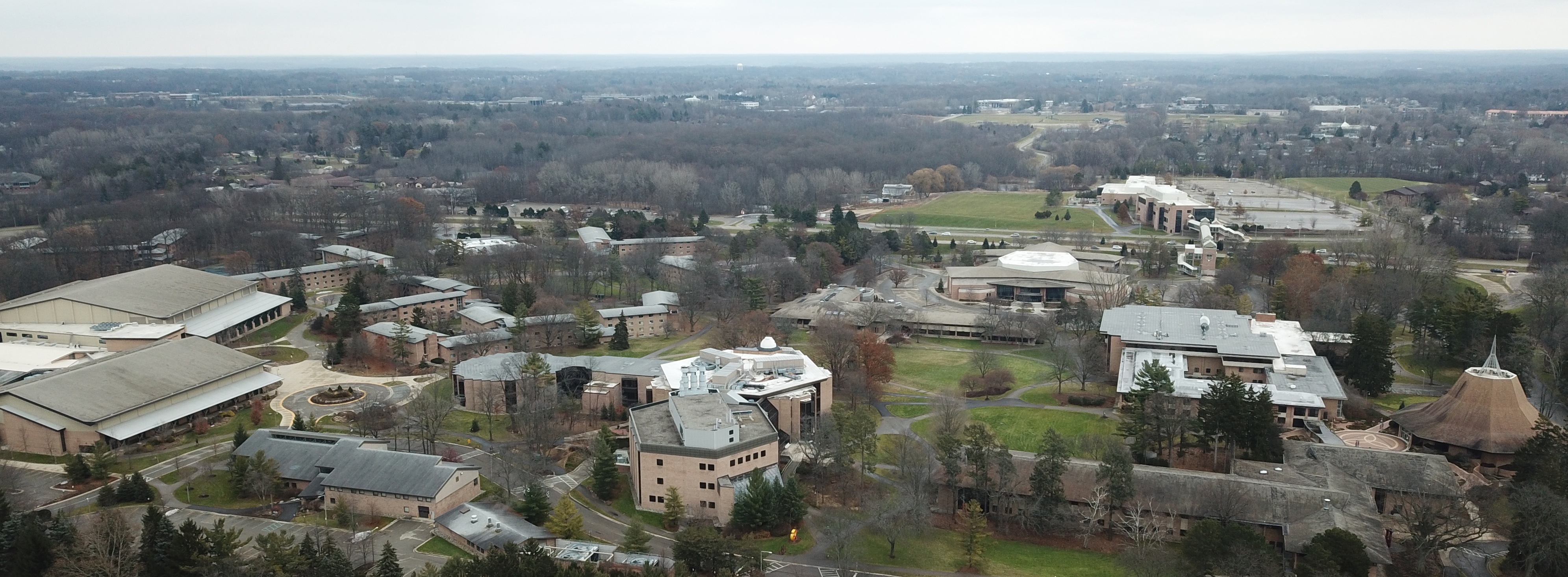
Hope College is a liberal arts college in Holland, Michigan, combining undergraduate research with NCAA Division III athletics in the Michigan Intercollegiate Athletic Association. Its small, residential campus offers close faculty access and challenging academics, with strengths spanning business, nursing, engineering and the sciences.
Why athletes choose Hope College
Competitive athletics, undergraduate research and close faculty relationships give athletes meaningful opportunities beyond their sport.
Fit check
Pick a sport, your position and level, add a test score if you have one, and get an instant read on your chances here. Free, and no account needed.
Academics
Hope College pairs challenging liberal arts coursework with undergraduate research and creative projects, making faculty access, major selection and career preparation important considerations when planning your life as an athlete.
Academic strength
A composite of graduation rate, earnings after college, how selective admissions are and how hard the coursework is.
Acceptance rate
More selectiveMore accessible
Admissions are accessible, giving recruits with solid academic preparation a realistic opportunity to pursue both college coursework and athletics.
Six-year graduation rate
0%100%
Graduation outcomes suggest an excellent chance of finishing on time while keeping academics central to your athletic experience.
Academic difficulty
Rated 4 out of 5
Demanding coursework requires careful time management when practices, travel and research commitments overlap.
Student to faculty ratio
students for every faculty member
Close faculty access creates opportunities for personal mentoring as you balance demanding coursework with athletic commitments.
Median earnings
per year, ten years after starting college
Six years after: $49,727Graduate earnings suggest solid outcomes, making major selection and financial aid important parts of evaluating value.
Undergraduate enrollment
undergraduate students
The small undergraduate community offers a close-knit environment where your academic and athletic circles can overlap in daily life.
SAT and ACT scores
Testing is optional, and the score profile suggests solid academic preparation matters when deciding whether scores will strengthen your application.
Most popular majors
Admissions
To plan your application to Hope College, review deadlines by admission plan, testing policies, application fees and recommendation requirements alongside your recruiting conversations.
Not binding. Hear back early and decide by May 1.
Majors
39 undergraduate majors across 7 academic areas.
No major matches that search.
Campus life
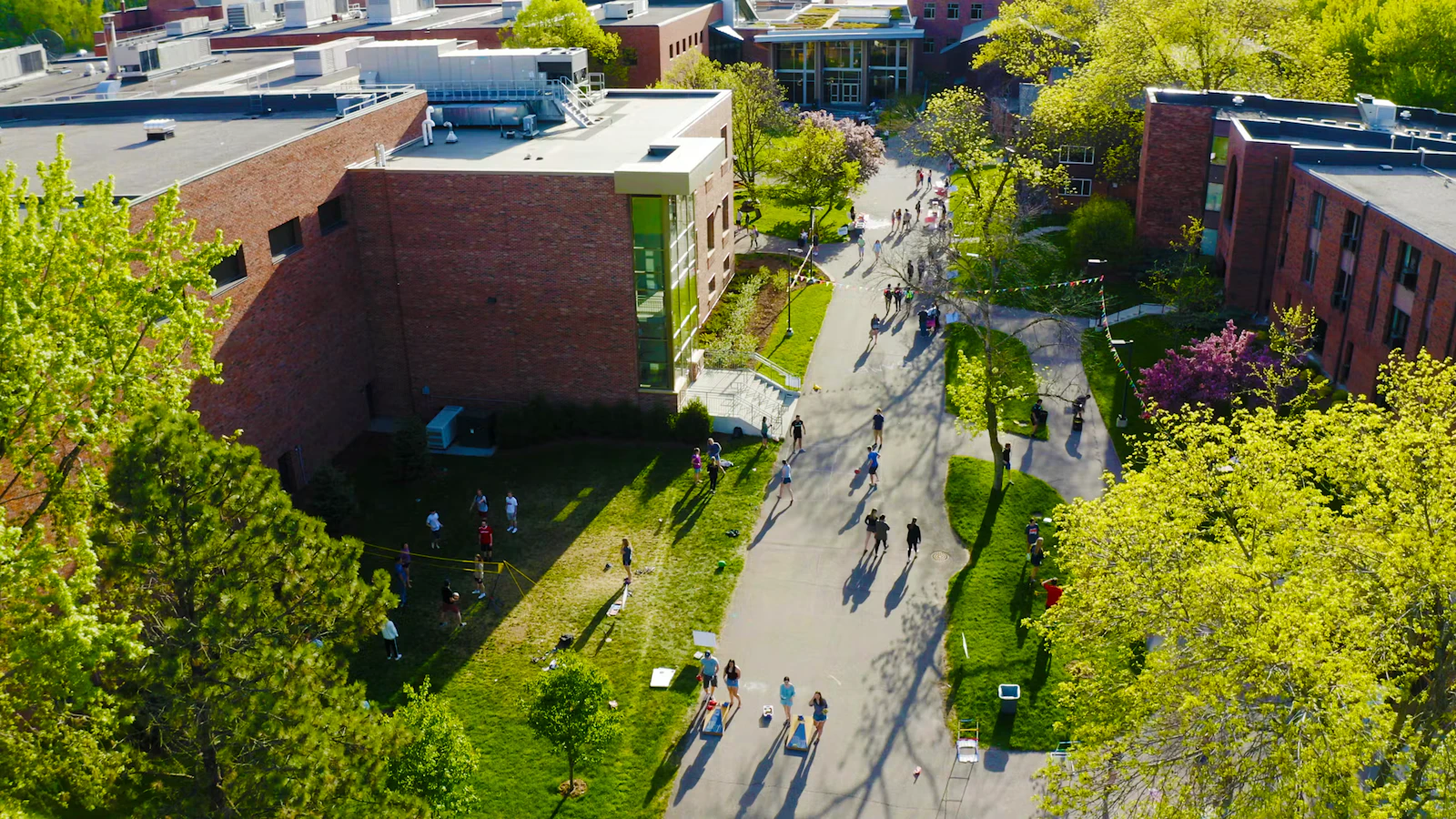
A small residential campus in downtown Holland combines a close-knit community, active student organizations and access to nearby Lake Michigan.
Athletics
Athletes compete in NCAA Division III through the Michigan Intercollegiate Athletic Association, with basketball among the programs noted for competitive success.
Athletic department
Explore how Hope College supports its NCAA Division III programs through department spending and recruiting investment, alongside the athlete population and the availability of athletic aid by gender.
Athletes
Recruiting spend
Source: the federal Equity in Athletics report, 2025.
Cost
At Hope College, compare the published cost with the price after grants, then consider how available need-based and merit-based aid could shape your family's budget.
Average net price
What families pay on average after grants and scholarships, including tuition, housing and fees.
Published tuition
The sticker price a year, before any aid.
Financial aid
Need-based and merit-based aid availableAthletic scholarships, where a program offers them, are awarded by the coaching staff and come on top of these figures.
NIL
NIL rating
Hope College in Holland, Michigan offers a growing name, image and likeness (NIL) environment where student-athletes in Division III college sports can build personal brands within a close-knit campus community. While the NIL stage is smaller than at major Division I programs, Hope’s strong athletic culture and supportive alumni base create meaningful local and regional opportunities.
See the full NIL breakdownStudent fit
The kind of student-athlete who tends to do well at Hope College.
Hope College fits athletes seeking competitive NCAA Division III athletics alongside demanding liberal arts study and opportunities for undergraduate research. You should be ready to manage practices and travel while staying engaged in coursework, especially if business, nursing, biology or engineering aligns with your goals. The small residential community in downtown Holland suits students who want close faculty relationships, active campus involvement and access to Lake Michigan rather than a large university environment. Families should weigh need-based and merit-based aid carefully, since athletic aid is not offered, and athletes seeking a less demanding academic experience may find the balance challenging.
Who thrives here
Close Knit CommunityAccountability FocusedValues Driven AthletesResidential Campus LifePurpose And ServiceCamps
Hope College has not posted new camp dates yet. These ran last season.
Winter prospect camp for softball listed January 24, 2026 on the official Hope Softball camps site.
Winter prospect camp for softball listed January 31, 2026 on the official Hope Softball camps site.
One session of the Hope Football prospect camp listed for May 17, 2026 on the college camps page.
Questions
It is best known for combining strong liberal arts and science programs with a Christian mission, offering competitive academics, close faculty-student mentoring, and an active campus life in a small-college setting.
It is located in Holland, Michigan, a small lakeshore city known for its historic downtown, access to Lake Michigan beaches, and four-season outdoor recreation, all within walking distance of campus.
Admission is competitive, with the college looking for a solid academic record, college-preparatory coursework, and involvement outside the classroom, while also considering character, leadership, and fit with the campus community.
The college seeks students who are academically prepared, curious, and engaged, who value a faith-informed education, want close interaction with professors, and are eager to participate in campus life, service, and leadership.
Yes, it has a strong reputation in the sciences and pre-health, offering rigorous coursework, undergraduate research opportunities with faculty, and advising that supports students pursuing medical, dental, and other health-related professional programs.
It has historic ties to the Reformed Church in America and maintains a Christian identity, integrating faith and learning while welcoming students from a range of denominational and religious backgrounds.
Students typically experience small class sizes, close relationships with professors, and a tight-knit campus community, with many opportunities to get involved in clubs, the arts, service, worship, and undergraduate research.
The college offers a wide range of majors in the arts and humanities, natural and applied sciences, social sciences, business, education, and pre-professional tracks such as pre-health and pre-law, along with interdisciplinary options and honors-level work.
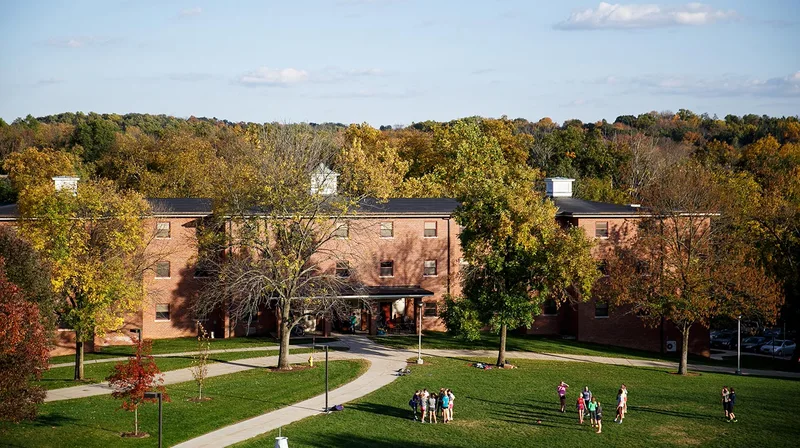
Most first-year students live in residence halls, and many upper-level students live in themed houses, apartments, or cottages near campus, contributing to a residential environment where a large share of students live within walking distance of classes and activities.
It competes in NCAA Division III, emphasizing student-athletes who balance academics and athletics, with a proud tradition in several sports and strong support from the campus and local community at games and meets.
Student-athletes are expected to prioritize academics, and they are supported through faculty advising, academic resources, and structured team schedules that help them manage practices, competition, and coursework effectively.
Students have access to a variety of study abroad and domestic off-campus programs, allowing them to take approved coursework, engage in internships, and experience different cultures while staying on track for graduation.
Compare
Other colleges worth comparing with Hope College.
Competitive athletics, close faculty access and career-focused academics give recruits reasons to consider this small campus.
Professional programs, reachable faculty and a small residential community give athletes clear reasons to consider competing here.
Competitive MIAC athletics, a Christian community and Twin Cities access give athletes clear reasons to consider Bethel.
Athletes are drawn to competitive athletics, a Christian community, approachable faculty and opportunities to learn through experience.
Athletes choose a close-knit Christian community where hands-on academics and competitive athletics share space with professional preparation.
Athletes choose a close-knit campus where Division III competition meets career preparation and Boston internship opportunities.
Close faculty relationships and hands-on learning complement conference competition within a small, residential Southern California community.
Athletes choose this campus for Catholic community, Division III competition and academics with a clear theology focus.
Competitive athletics, performing arts and nearby Cleveland opportunities appeal to athletes seeking a small-campus experience.
Close faculty relationships and a residential community appeal to athletes seeking competitive sports alongside a personalized education.
Personal attention, career-focused academics and Landmark Conference competition give athletes clear reasons to consider this urban campus.
Hands-on academics, paid co-op opportunities and Boston access give athletes practical reasons to pursue this technical college.
Three ways to start
Pick the option that matches where you are, and we will show you the plan that fits.
Resources