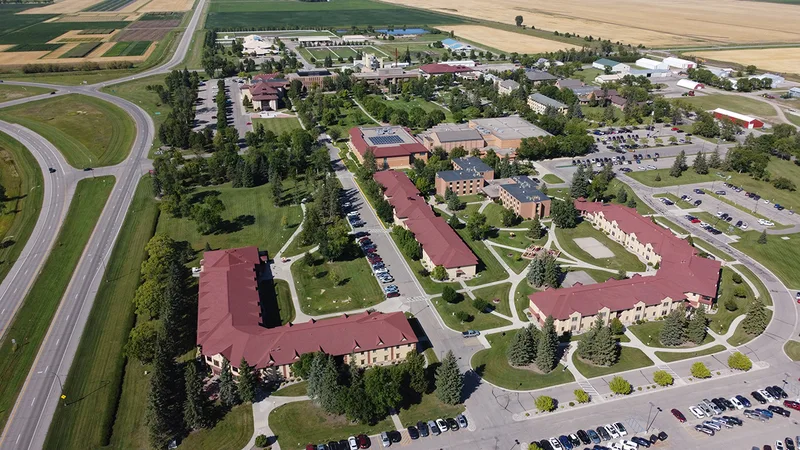
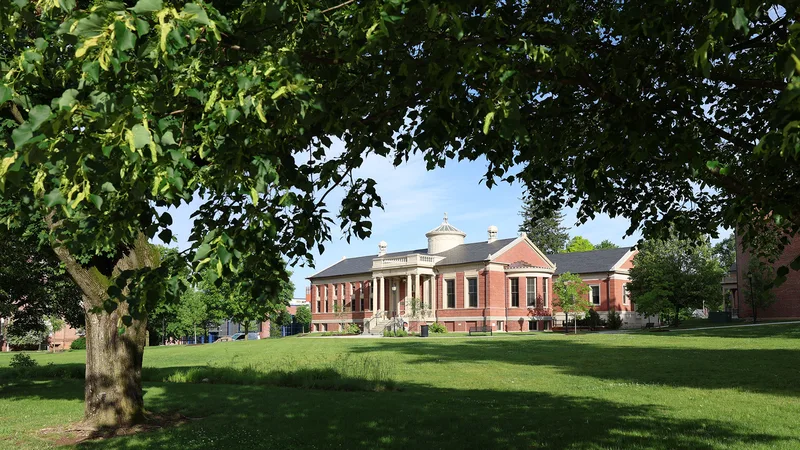
Affordable tuition, approachable faculty and competitive athletics draw recruits who prefer a small campus with outdoor access.
- 2,098
- Students
- $12,549
- Net price
Browse programs
College directoryEvery program, filtered by what fits Sport directoryMen's and women's, every division State directoryPrograms in the states you would play inGo deeper
Major directoryYour major and your sport in one list Camp directoryID camps and showcases at college programs Conference directoryEvery conference and its member colleges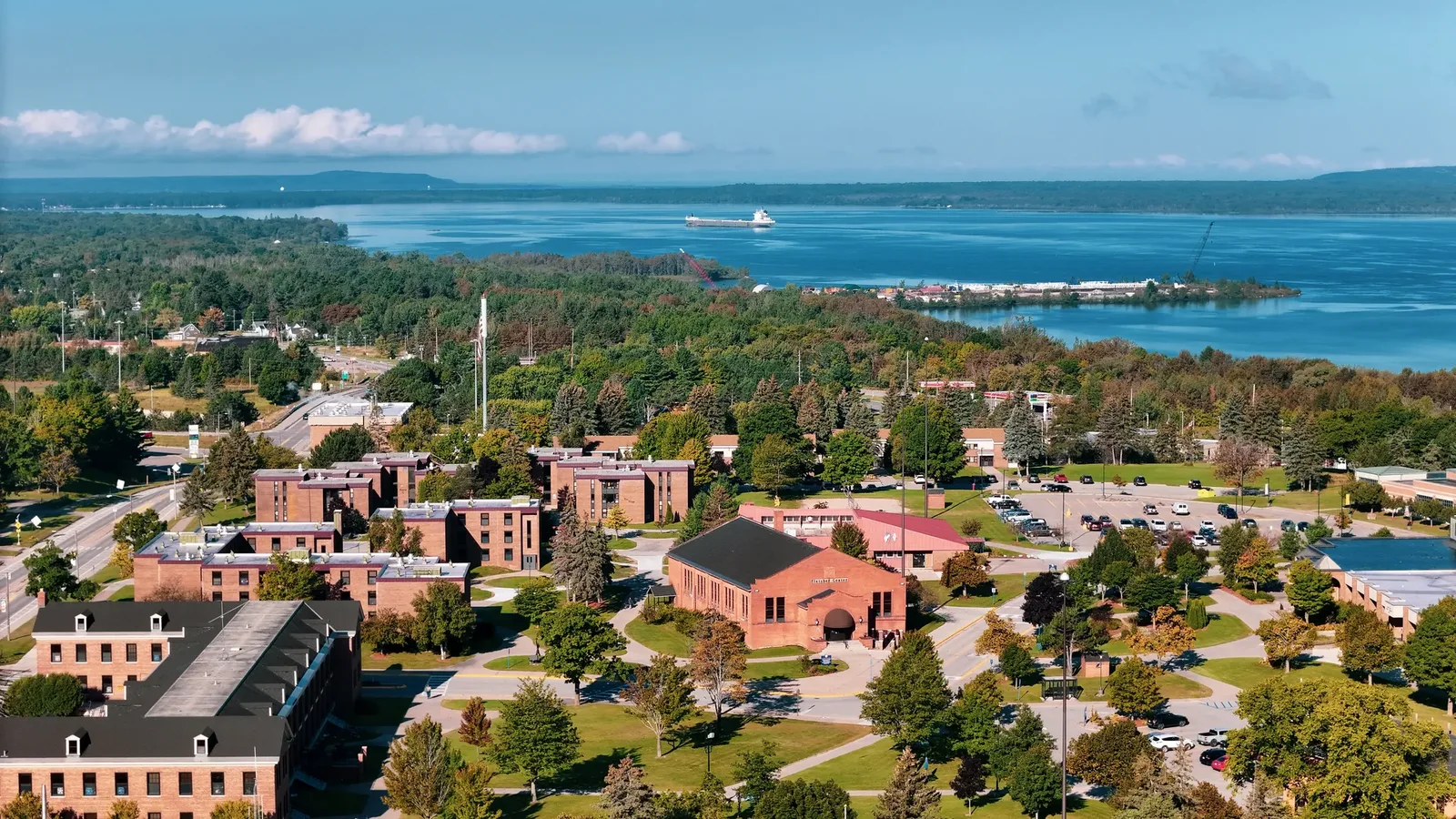

Sault Ste. Marie, MichiganGreat Lakes Intercollegiate Athletic Conference
Overview
Mission and culture
Lake Superior State University is a small public university in Sault Ste. Marie, Michigan, with hands-on academics tied to the Great Lakes region. Most athletes compete in NCAA Division II, while men's ice hockey plays in NCAA Division I and brings a history of national championships.
Why athletes choose Lake Superior State University
Hands-on learning, close faculty access and Great Lakes surroundings give athletes reasons to look beyond competition.
Fit check
Pick a sport, your position and level, add a test score if you have one, and get an instant read on your chances here. Free, and no account needed.
Academics
Lake Superior State University emphasizes applied learning in fields such as fisheries, engineering and nursing, with its academic profile helping you weigh classroom demands, faculty access and longer-term career value.
Academic strength
A composite of graduation rate, earnings after college, how selective admissions are and how hard the coursework is.
Acceptance rate
More selectiveMore accessible
Admissions are accessible, making solid classroom preparation a practical foundation for recruits considering both academic and athletic fit.
Six-year graduation rate
0%100%
Finishing is a reasonable goal, but athletes should maintain steady academic focus and seek support when needed.
Academic difficulty
Rated 3 out of 5
Coursework offers a balanced challenge, making steady study habits important alongside athletic commitments.
Student to faculty ratio
students for every faculty member
Faculty should be reachable, giving athletes opportunities to ask questions and build connections around busy schedules.
Median earnings
per year, ten years after starting college
Six years after: $42,767Graduate earnings are moderate, so connect your intended major with career plans when weighing the overall value.
Undergraduate enrollment
undergraduate students
The small undergraduate community offers a more familiar daily environment for athletes who prefer knowing people across campus.
SAT and ACT scores
Testing is optional, and the typical score profile suggests recruits with solid classroom preparation can reasonably consider applying while weighing whether scores strengthen their application.
Most popular majors
Admissions
For Lake Superior State University, review the rolling admissions process alongside application deadlines, test policy, the application fee and recommendation requirements as you plan.
Majors
37 undergraduate majors across 7 academic areas.
No major matches that search.
Campus life
A small, close-knit campus in Sault Ste. Marie pairs small-town daily life with outdoor recreation and access to the St. Marys River.
Athletics
Most programs compete in NCAA Division II through the GLIAC, while men's ice hockey competes in NCAA Division I through the CCHA with a history of national championships.
Athletic department
Explore how Lake Superior State University supports its compact athletic department across NCAA Division II and Division I competition, including program spending, recruiting investment and athletic aid by gender.
Athletes
Athletic aid
Recruiting spend
Source: the federal Equity in Athletics report, 2025.
Cost
At Lake Superior State University, equal in-state and out-of-state tuition makes residency less central to cost planning, while grants and merit-based or need-based aid shape your final price.
Average net price
What families pay on average after grants and scholarships, including tuition, housing and fees.
Published tuition
The sticker price a year, before any aid.
Financial aid
Need-based and merit-based aid availableAthletic scholarships, where a program offers them, are awarded by the coaching staff and come on top of these figures.
NIL
NIL rating
Lake Superior State University in Sault Ste. Marie, Michigan offers a developing name, image and likeness (NIL) environment that fits its smaller enrollment and college sports profile. Student-athletes can find personalized local opportunities and build their brands while competing at a smaller-campus school setting.
See the full NIL breakdownStudent fit
The kind of student-athlete who tends to do well at Lake Superior State University.
Lake Superior State University fits athletes seeking NCAA Division II competition in a small campus community, with a separate NCAA Division I pathway for men's ice hockey recruits. It especially suits students drawn to hands-on fields such as fisheries and wildlife management, engineering or nursing who are ready to maintain steady study habits alongside practices and travel. Families who value accessible admissions, reachable faculty and tuition that does not change with residency have practical reasons to consider it. Athletes comfortable with cold winters and small-town life may appreciate the outdoor setting, while those seeking a large urban campus may prefer another environment.
Who thrives here
Tight Knit CommunitySelf Motivated AthletesOutdoor Focused StudentsHands On LearnersQuieter Town PreferenceQuestions
It is known for its strong programs in fisheries and wildlife, environmental and natural resources, engineering technology, criminal justice, and business, as well as its scenic location near the Canadian border and access to outdoor recreation.
It is located in Sault Ste. Marie in Michigan’s Upper Peninsula, with a compact campus that overlooks the St. Marys River and offers a small-town setting, four-season climate, and easy access to Lake Superior and outdoor activities.
Admission is considered moderately selective, with a holistic review that looks at high school coursework, grades, and test scores if submitted, making it accessible to students with solid academic preparation.
The academic environment is moderately challenging with a focus on hands-on learning, small class sizes, and close interaction with faculty, supporting students who want personal attention and practical experience.
It offers undergraduate programs in areas such as fisheries and wildlife, biology, engineering and engineering technology, business, education, criminal justice, fire science, nursing, and computer science, along with select graduate options.
Yes, it offers on-campus housing in residence halls and apartments, with options for traditional first-year living as well as upper-class and apartment-style accommodations close to academic buildings and campus facilities.
Student life is centered on a close-knit community with student clubs, intramural sports, outdoor recreation, student government, and campus events, along with easy access to trails, water sports, and winter activities in the surrounding area.
It is a strong choice for students interested in fisheries, wildlife, environmental science, and natural resources, offering field-based learning, research opportunities, and proximity to forests, lakes, and the Great Lakes ecosystem.
Its varsity teams compete in NCAA Division II for most sports, while men’s ice hockey competes at the NCAA Division I level, giving student-athletes a competitive environment with a smaller campus feel.
Yes, it has a men’s ice hockey program that competes in NCAA Division I and is a prominent part of campus spirit, with home games drawing strong student and community support.
Students can typically access a combination of scholarships, grants, loans, and work-study, with merit-based awards, need-based aid, and special scholarships for certain majors or residency regions, depending on eligibility and application timing.
Yes, its location near the international border makes it popular with Canadian students, and there are established processes for international admissions, credit evaluation, and support services for cross-border students.
Compare
Other colleges worth comparing with Lake Superior State University.
Affordable tuition, approachable faculty and competitive athletics draw recruits who prefer a small campus with outdoor access.
Applied academics, a small-campus community and Division II competition give athletes a practical path through college.
A small campus, career-oriented academics and affordable tuition give athletes practical reasons to consider competing here.
Applied academics, a close-knit campus and conference competition give athletes a clear mix of priorities.
A small campus, accessible admissions and Mountain East competition give athletes clear reasons to consider this university.
A small campus, accessible admissions and historically Black identity give athletes distinct reasons to consider studying here.
A lakeside community, practical majors and varied competitive pathways give athletes clear reasons to consider studying here.
Athletes choose an urban research setting that pairs Division II competition with professional programs and accessible admissions.
Practical academics, accessible admissions and GLIAC competition give athletes a balanced path through college and into work.
A small campus, career-focused academics and Mountain East competition give athletes clear reasons to consider Glenville.
Athletes find competitive regional play, approachable faculty and state capital opportunities within a supportive campus community.
Athletes choose this small Nebraska campus for competitive athletics, accessible academics and relatively affordable college costs.
Three ways to start
Pick the option that matches where you are, and we will show you the plan that fits.
Resources