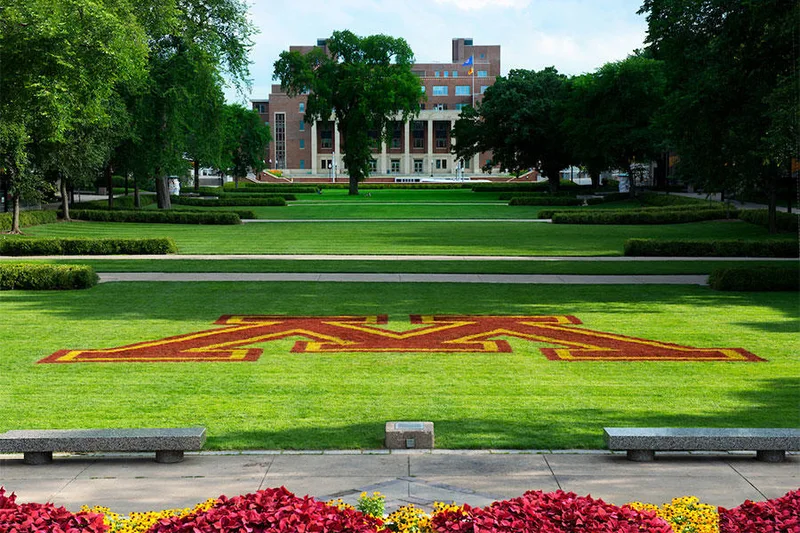

University of Minnesota, Twin Cities
Minneapolis, MN
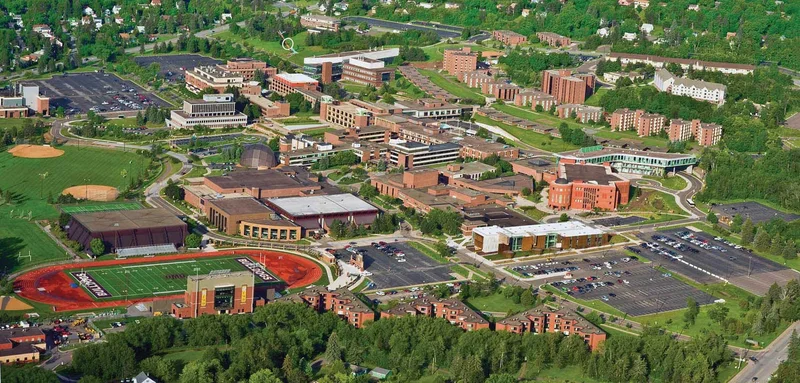
Big Ten competition, research strength and access to Twin Cities employers give athletes strong reasons to consider Minnesota.
Browse programs
College directoryEvery program, filtered by what fits Sport directoryMen's and women's, every division State directoryPrograms in the states you would play inGo deeper
Major directoryYour major and your sport in one list Camp directoryID camps and showcases at college programs Conference directoryEvery conference and its member colleges
Minnesota offers a solid set of women’s tennis options, especially for athletes prioritizing D2 and D3 college fit. Use this page to compare divisions, recruiting paths, and what to expect in-state.
9 of 25 play in divisions that allow athletic scholarships
At a glance
25 women's tennis programs in Minnesota. Tap a level to jump to its schools.
Division III has the most options here, with 16 of 25 programs (64%).
NCAA Division I
Minnesota’s Division I women’s tennis footprint is limited, so D1-focused recruits often add nearby states to build a complete list. If you stay in-state, be ready for a narrow, highly competitive target.
Strongest programs first, by Pathley's program strength score.
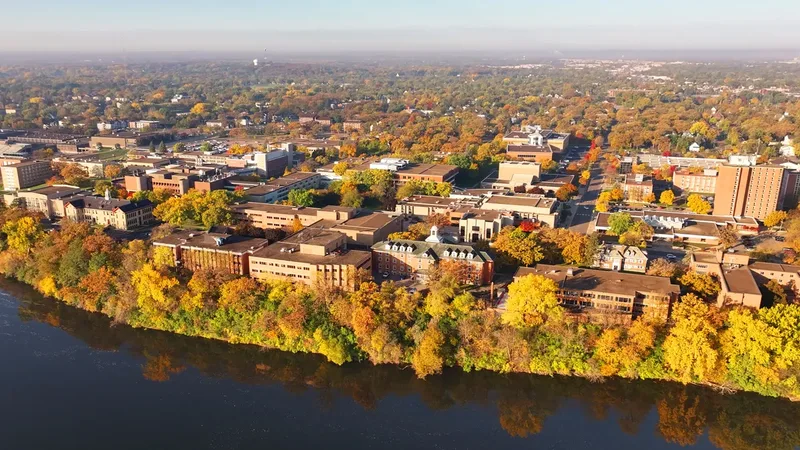
Minneapolis, MN
Big Ten competition, research strength and access to Twin Cities employers give athletes strong reasons to consider Minnesota.
Saint Paul, MN
Division I competition, a respected business school and access to Twin Cities employers give athletes strong reasons to consider St. Thomas.
NCAA Division II
Division II is one of the more practical scholarship-eligible paths for women’s tennis in Minnesota, with multiple programs and a range of roster needs. This level can be a strong match if you want competitive tennis with a balanced college experience.
Strongest programs first, by Pathley's program strength score.
Mankato, MN
Applied academics, accessible admissions and competitive athletics give recruits practical reasons to consider this southern Minnesota campus.
Winona, MN
Career-focused programs, reachable faculty and a close-knit riverfront community give athletes reasons to consider competing here.
Crookston, MN
Applied academics, a small-campus community and Division II competition give athletes a practical path through college.
Moorhead, MN
Career-focused programs, regional internship access and a supportive campus give athletes practical reasons to consider competing here.
Bemidji, MN
A lakeside community, practical majors and varied competitive pathways give athletes clear reasons to consider studying here.
St. Cloud, MN
Career-focused programs, accessible admissions and relatively affordable tuition give athletes practical reasons to consider competing here.
Duluth, MN
Athletes choose this campus for its engineering strengths, competitive athletics, public university value and lakeside setting.
NCAA Division III
Minnesota stands out for Division III women’s tennis options, giving recruits plenty of ways to prioritize academics, campus feel, and playing time. Because athletic scholarships are not offered in D3, fit and admissions alignment matter most.
Strongest programs first, by Pathley's program strength score.
Northfield, MN
Close faculty relationships, demanding academics and conference competition appeal to athletes who want a residential liberal arts experience.
Saint Paul, MN
Competitive MIAC athletics, a Christian community and Twin Cities access give athletes clear reasons to consider Bethel.
Saint Peter, MN
Competitive conference athletics, close mentoring and a residential community appeal to athletes seeking a connected college experience.
Northfield, MN
Athletes can combine competitive athletics with strong liberal arts academics, music opportunities and a close-knit residential community.
Saint Paul, MN
Women-centered education, healthcare preparation and Division III competition give athletes distinct reasons to consider this urban campus.
Winona, MN
A small campus, career-focused academics and MIAC competition give athletes a connected college experience.
Duluth, MN
A supportive community and health-focused academics appeal to athletes seeking personal connections alongside competitive college sports.
Saint Paul, MN
Close faculty relationships, globally focused academics and Twin Cities opportunities complement competitive Division III athletics here.
St. Joseph, MN
A women-focused community and close faculty relationships give athletes room to develop academically, competitively and personally.
Saint Paul, MN
Close faculty relationships and Twin Cities opportunities let athletes connect their college experience with goals beyond competition.
Moorhead, MN
Close faculty relationships and a residential community help athletes connect their competitive goals with a liberal arts education.
Saint Paul, MN
Accessible admissions, a small-campus community and Twin Cities career opportunities give athletes practical reasons to consider competing here.
New Ulm, MN
Focused career preparation and a small residential community give athletes a clear purpose beyond competition.
Morris, MN
Athletes choose Morris for close faculty access, liberal arts study, accessible admissions and Division III competition.
Mankato, MN
Close faculty relationships and a small campus community help athletes connect their academic and athletic goals.
Saint Bonifacius, MN
A close-knit campus and approachable faculty help athletes build connections while balancing coursework and competition.
Free school matcher
Pick your position and level, and we score every women's tennis program on roster openings at your position, athletic level and academics.
Conferences
Every women's tennis conference with at least one program in Minnesota, across every division.
Scorecard
This scorecard summarizes how Minnesota stacks up for women’s tennis recruits across in-state program availability, division mix, scholarship-eligible pathways, and overall college-fit factors.
Overall opportunity score
AverageMinnesota is an average overall state for women’s tennis recruiting, with its strongest value coming from D3 depth and a workable D2 pathway.
Minnesota’s women’s tennis program depth is emerging overall, with the total landscape shaped heavily by non-scholarship D3 opportunities rather than broad multi-division volume.
Division access is strong because Minnesota offers meaningful options across D1, D2, and a deep D3 tier, even without NAIA coverage.
Scholarship opportunity is emerging since in-state athletic-aid pathways mostly run through a limited D1 presence and a moderate set of D2 programs.
Academic fit is average for women’s tennis recruits, with generally accessible admissions and smaller-campus options, though costs may skew higher than a typical state for this sport.
Recruiting snapshot
Who it suits, what the landscape looks like, where the money is and what gives this state an edge.
Recruits who want many D3 options plus a realistic D2 route, and who value finding the right campus size and academic environment.
The in-state landscape leans heavily toward Division III, with fewer scholarship-eligible teams and a narrow Division I target.
In women’s tennis, athletic scholarship opportunities are most commonly tied to NCAA D1, NCAA D2, and NAIA programs, while NCAA D3 recruiting is typically more academic and fit-driven without athletic scholarships.
Minnesota can be a practical Midwest-based recruiting hub, letting families pair in-state visits with nearby regional trips and showcase plans without constant long-distance travel.
Key metrics
How women's tennis programs in Minnesota compare with the average state on program count, tuition, enrollment and admissions.
Three ways to start
Pick the option that matches where you are, and we will show you the plan that fits.
News
Resources
National rankings
Sport hub
The Women's Tennis hub brings every division together: how D1, D2, D3 and NAIA compare, the strongest programs in each state, camps, and the recruiting guides for each level.