Youth campBaseball · Men's
UMN Morris Baseball Youth Hitting League (Wednesdays)
- Jan 21 to Feb 11, 2026
- On-campus, Morris, MN
- $40
Weekly youth hitting league run by Cougar coaches providing hitting instruction and drills for ages 7–18.
Browse programs
College directoryEvery program, filtered by what fits Sport directoryMen's and women's, every division State directoryPrograms in the states you would play inGo deeper
Major directoryYour major and your sport in one list Camp directoryID camps and showcases at college programs Conference directoryEvery conference and its member colleges

Morris, MinnesotaUpper Midwest Athletic Conference
Overview
Mission and culture
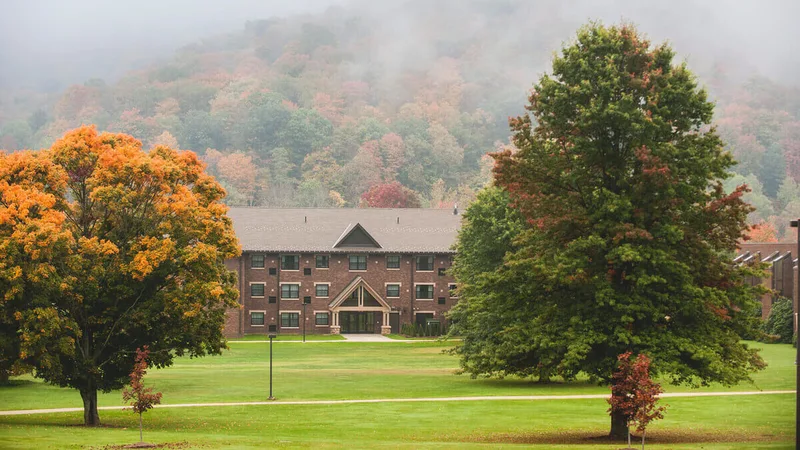
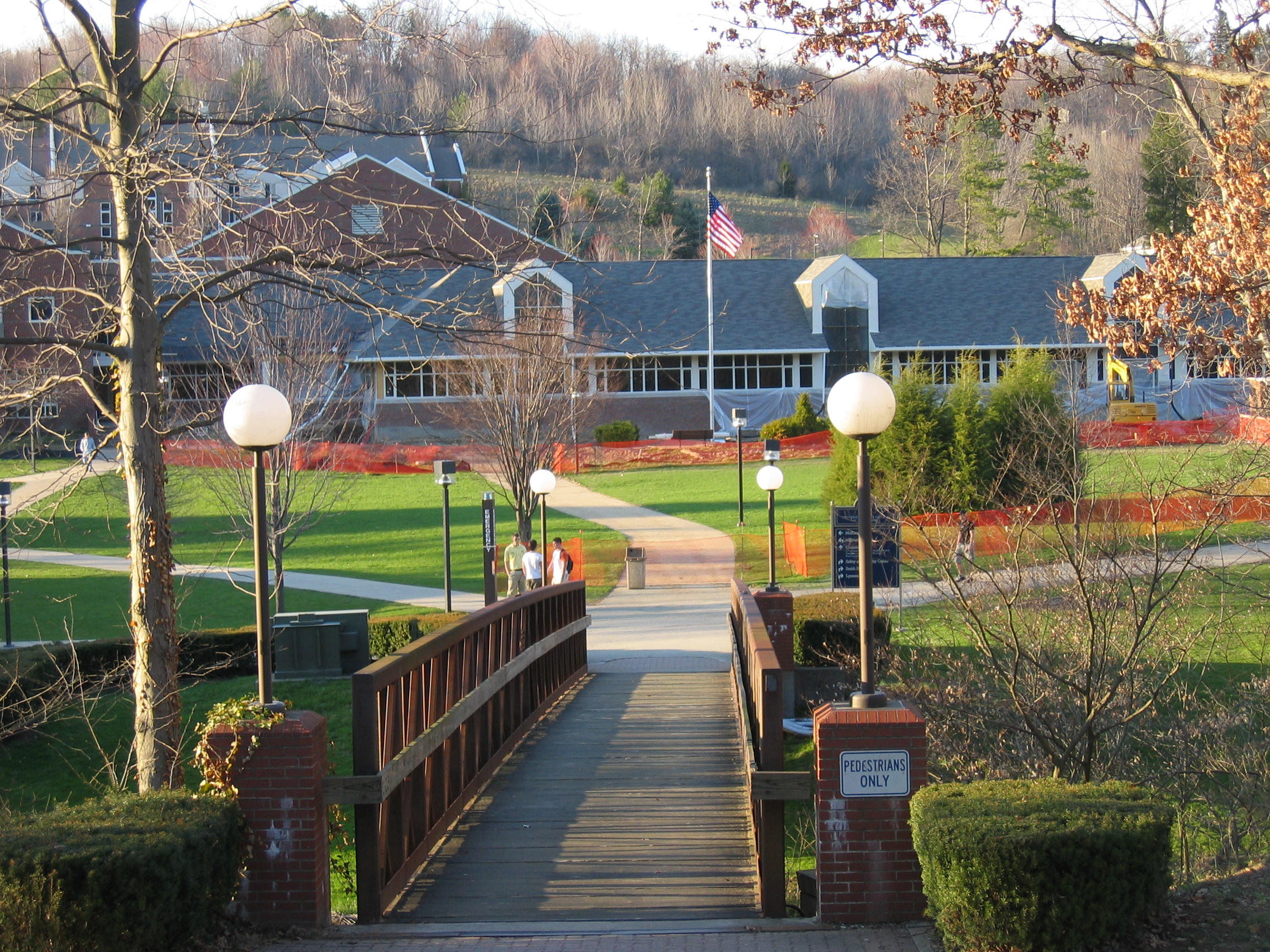
University of Minnesota Morris is a public liberal arts college in rural Morris, Minnesota, offering NCAA Division III athletics within the University of Minnesota system. Its small residential campus, sustainability initiatives and undergraduate research opportunities make it worth considering if you want close academic connections alongside competition.
Why athletes choose University of Minnesota Morris
Athletes choose Morris for close faculty access, liberal arts study, accessible admissions and Division III competition.
Fit check
Pick a sport, your position and level, add a test score if you have one, and get an instant read on your chances here. Free, and no account needed.
Academics
University of Minnesota Morris pairs a broad liberal arts education with undergraduate research opportunities, making academic fit a matter of exploring your interests while preparing for demanding coursework alongside athletics.
Academic strength
A composite of graduation rate, earnings after college, how selective admissions are and how hard the coursework is.
Acceptance rate
More selectiveMore accessible
Admissions are accessible, giving recruits with solid academic preparation a realistic opportunity to pursue both college study and athletics.
Six-year graduation rate
0%100%
Students have a solid path to finishing, with consistent academic progress remaining important throughout an athletic career.
Academic difficulty
Rated 4 out of 5
Coursework is challenging, so balancing classes and athletics calls for disciplined planning.
Student to faculty ratio
students for every faculty member
Close faculty access creates opportunities for personal mentoring as you balance academic goals with athletic commitments.
Median earnings
per year, ten years after starting college
Six years after: $43,163Graduate earnings are moderate, making thoughtful major selection and career preparation important when weighing the college's value.
Undergraduate enrollment
undergraduate students
The small undergraduate community offers a close-knit setting where you can build connections beyond your teammates and classes.
SAT and ACT scores
The test profile suggests recruits with solid classroom preparation can be competitive, but scores are sometimes required, so confirm expectations for your application.
Most popular majors
Admissions
To plan your application to University of Minnesota Morris, review deadlines by admission plan, test policy, the application fee and recommendation requirements alongside your recruiting timeline.
Not binding. Hear back early and decide by May 1.
Majors
25 undergraduate majors across 6 academic areas.
No major matches that search.
Campus life
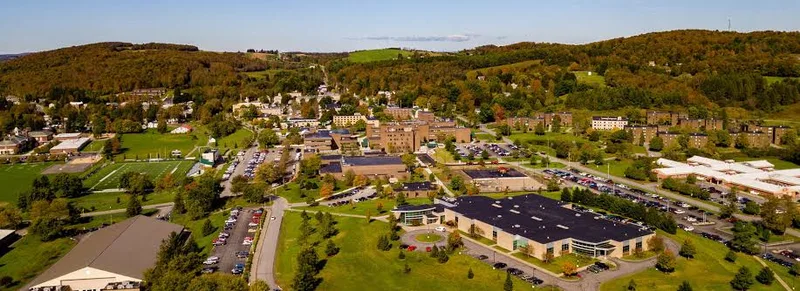
A small residential campus in rural Morris combines close faculty interaction, sustainability initiatives and opportunities for internships or field experiences.
Athletics
The Cougars compete in NCAA Division III within the Upper Midwest Athletic Conference, offering a small-campus athletic environment with options including football, basketball and soccer.
Athletic department
Explore how University of Minnesota Morris supports its NCAA Division III athletic department through program spending and recruiting investment, including the distribution of athletes, recruiting resources and athletic aid by gender.
Athletes
Recruiting spend
Source: the federal Equity in Athletics report, 2025.
Cost
At University of Minnesota Morris, a relatively affordable net price makes it useful to compare published costs with need-based and merit-based aid when building your family's college budget.
Average net price
What families pay on average after grants and scholarships, including tuition, housing and fees.
Published tuition
The sticker price a year, before any aid.
Financial aid
Need-based and merit-based aid availableAthletic scholarships, where a program offers them, are awarded by the coaching staff and come on top of these figures.
NIL
NIL rating
The name, image and likeness (NIL) environment at the University of Minnesota Morris gives student-athletes in Morris, Minnesota, a chance to connect with the campus and regional community. As a NCAA Division III program with a close-knit feel, NIL at UMN Morris typically focuses on local and digital opportunities tied to college sports visibility and community engagement.
See the full NIL breakdownStudent fit
The kind of student-athlete who tends to do well at University of Minnesota Morris.
University of Minnesota Morris fits athletes seeking NCAA Division III competition, a small residential community and a liberal arts education with room to explore academic interests. It suits students who are ready for challenging coursework and want close faculty access, undergraduate research opportunities or a campus with a clear sustainability focus. Recruits who prefer rural surroundings and personal connections over a large campus may find the setting appealing, especially if affordability is central to their search. Families should weigh need-based and merit-based aid carefully, since the athletic department does not provide athletic aid, and consider how each major connects to career goals.
Who thrives here
Tight Knit CommunitySelf Motivated StudentsResidential Campus LifeBalanced Scholar AthletesSustainability MindsetCamps
University of Minnesota Morris has not posted new camp dates yet. These ran last season.
Weekly youth hitting league run by Cougar coaches providing hitting instruction and drills for ages 7–18.
Sunday youth hitting league offering hitting instruction and drills for ages 7–18.
Single-day pitching session focusing on mechanics, arm care, grips, drills and velocity testing for ages 8–18.
Questions
It is best known for its strong liberal arts education, emphasis on undergraduate research, and close student-faculty interaction. Students often choose it for rigorous programs in the sciences, humanities, social sciences, and education, along with an institutional focus on sustainability and global perspectives.
Admission is considered competitive but accessible for well-prepared students. Applicants with solid high school records, college-prep coursework, and evidence of academic motivation generally have a good chance, especially if they also show involvement in activities and a strong fit with a small liberal arts environment.
The student experience is defined by small classes, close-knit community life, and active involvement in clubs, organizations, research, and service. Students often describe campus life as welcoming and collaborative, with many opportunities to build relationships with peers and faculty both in and out of the classroom.
Yes, undergraduate research is a major strength. Students can work closely with faculty on projects in fields such as biology, environmental science, psychology, and the humanities. Many present their work at conferences or publish with faculty, and research experiences are commonly available even early in a student’s academic career.
Campus culture tends to be friendly, inclusive, and academically focused. Students often value community engagement, sustainability, and social responsibility. The smaller size fosters a sense of belonging, where it is easy to get involved in activities, leadership roles, and campus traditions.
Support for first-year students typically includes orientation programs, first-year seminars, academic advising, and access to tutoring and writing support. Residence life and student affairs staff help new students transition to college life and connect with campus resources, organizations, and support services.
Advantages include small class sizes, strong access to professors, and numerous opportunities for leadership, research, and campus involvement. Students are more likely to know classmates and faculty personally, receive individualized attention, and take on meaningful roles in projects, organizations, and campus governance.
It is recognized for a strong commitment to environmental sustainability, including initiatives in renewable energy, green campus operations, and sustainability-focused coursework. Students often engage in projects related to environmental stewardship, and sustainability is integrated into many aspects of campus planning and academic life.
It competes in NCAA Division III, which emphasizes a balance between academics and athletics. Student-athletes typically do not receive athletic scholarships, but they benefit from competitive play, structured training, and strong academic support, with the expectation that academics remain the top priority.
The athletics experience is competitive yet student-centered, with a focus on personal development, teamwork, and academic success. Athletes usually have close relationships with coaches and teammates, access to training and fitness facilities, and the chance to represent their school while staying fully engaged in campus life.
Students generally have access to a mix of need-based aid, merit-based scholarships, grants, work-study opportunities, and loans. Aid packages are based on financial need and academic profile, and the financial aid office can help families understand options, eligibility, and how to plan for overall college costs.
Student housing typically consists of residence halls and apartment-style options, with most first-year students living on campus. Housing is designed to support community-building, with lounges, study spaces, and programs that help students connect, succeed academically, and feel at home in the campus environment.
Compare
Other colleges worth comparing with University of Minnesota Morris.
A small campus, approachable faculty and competitive athletics appeal to recruits who want a close-knit college experience.
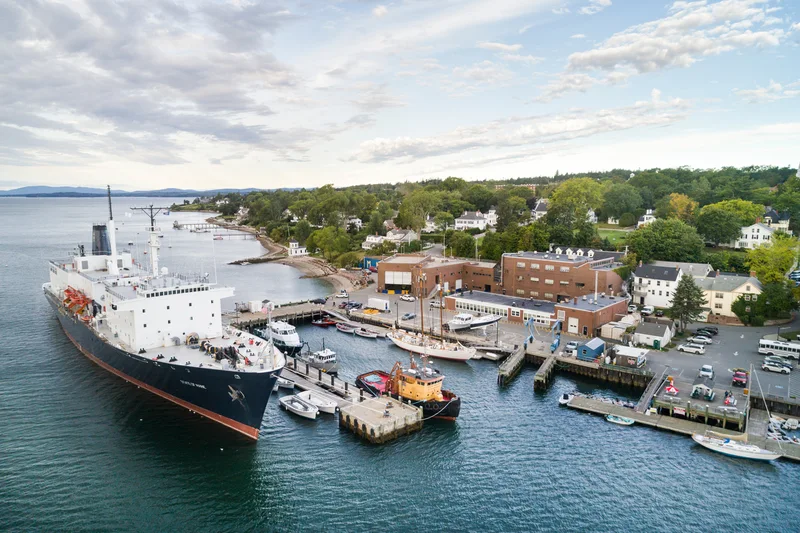
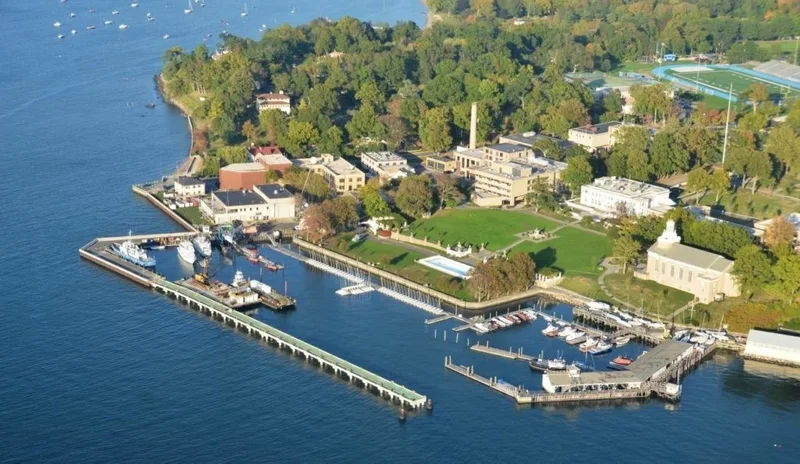
Career-focused maritime training, close faculty access and Division III competition give athletes a distinctive college experience.
Maritime career preparation, close faculty access and competitive athletics appeal to recruits who welcome a structured academy lifestyle.
A small campus, accessible admissions and personalized attention give athletes room to pursue both coursework and competition.
Close faculty relationships and a small campus community help athletes connect their academic and athletic goals.
Hands-on academics, small classes and rural campus life appeal to athletes seeking practical career preparation.
Accessible faculty, liberal arts study and a close-knit rural campus give athletes room to develop beyond competition.
Hands-on academics, career connections and Division III competition appeal to athletes who want a practical college experience.
A close-knit campus, practical academic programs and nearby career opportunities give athletes reasons to look beyond competition.
Regional competition, specialized academic strengths and public university value give athletes several practical reasons to consider competing here.
Focused career preparation and a small residential community give athletes a clear purpose beyond competition.
Close faculty relationships and a residential community help athletes connect their sport with a broader college experience.
Three ways to start
Pick the option that matches where you are, and we will show you the plan that fits.
Resources