What is Concordia College in Moorhead known for academically?
It is known for strong programs in the liberal arts and sciences, business, education, and music, with a curriculum that emphasizes critical thinking, global engagement, and ethical leadership. Students benefit from close interaction with faculty and a supportive, learning-focused campus culture.
How hard is it to get into Concordia College in Moorhead?
Admission is moderately selective, focusing on a student’s overall academic record, course rigor, involvement, and personal fit. Strong grades, solid college-prep coursework, and a thoughtful application essay can significantly improve your chances of being admitted.
What is the campus environment like at Concordia College in Moorhead, Minnesota?
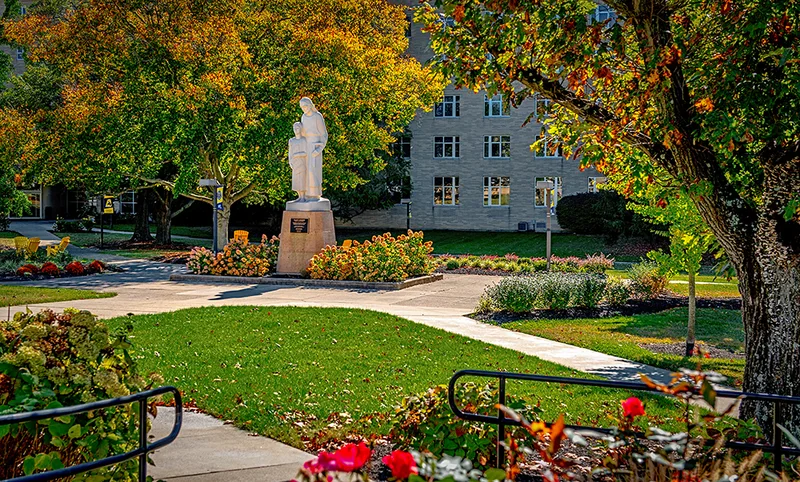
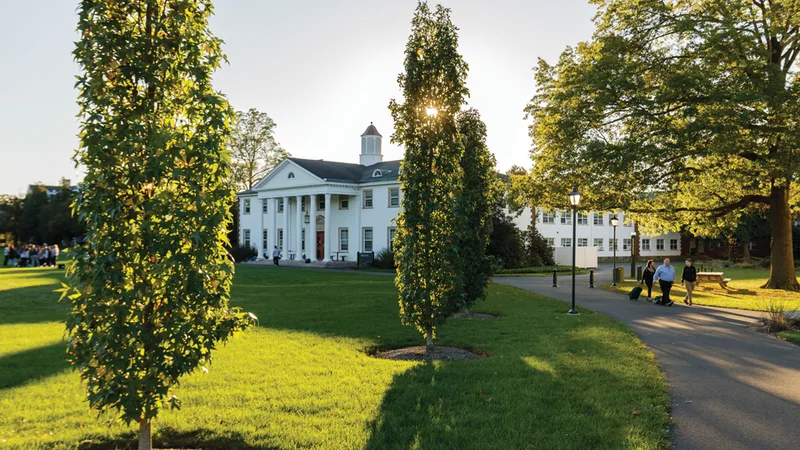
The campus offers a close-knit, residential environment where most students live and learn in a compact setting. It combines small classes, accessible professors, and a variety of student organizations, creating a community-oriented atmosphere with a strong sense of tradition and school spirit.
What majors and programs are popular at Concordia College in Moorhead?
Popular areas of study include business and accounting, education, nursing and health-related fields, natural and social sciences, communication, and music. There is also a strong emphasis on interdisciplinary learning and undergraduate research opportunities across many majors.
Does Concordia College have a religious affiliation and how does it affect campus life?
The college is affiliated with the Evangelical Lutheran Church in America, which shapes its values around service, vocation, and global responsibility. Students of all faith backgrounds are welcome, and religion is present through optional chapel services, service-learning, and courses in religion and ethics.
What is student life like at Concordia College in Moorhead?
Student life centers on residence hall communities, music ensembles, campus ministry, intramural sports, and numerous clubs and organizations. Events like concerts, lectures, festivals, and service projects provide ways for students to get involved and build lasting connections.
What are the class sizes like at Concordia College?
Classes are generally small, allowing students to know their professors and classmates well. This setting encourages discussion, personalized feedback, and faculty mentorship, which can be especially helpful for advising, research, and preparing for careers or graduate school.
Does Concordia College in Moorhead offer study abroad opportunities?
Yes, it offers a wide range of study away and study abroad programs, including semester-long experiences and shorter global seminars. These programs are integrated into the curriculum to help students connect their majors with global issues and cross-cultural learning.
What athletic division is Concordia College in Moorhead and what does that mean for student-athletes?
It competes in NCAA Division III, which emphasizes a balance between academics and athletics. Student-athletes participate in competitive varsity sports without athletic scholarships, focusing on personal development, team commitment, and success in the classroom as well as in competition.
What is the athletics experience like for students at Concordia College?
Student-athletes can expect competitive conference play, structured training, and strong support for managing academic and athletic responsibilities. Many students also participate in club and intramural sports, creating an active campus recreation culture beyond varsity teams.
Where is Concordia College located and what is the surrounding community like?
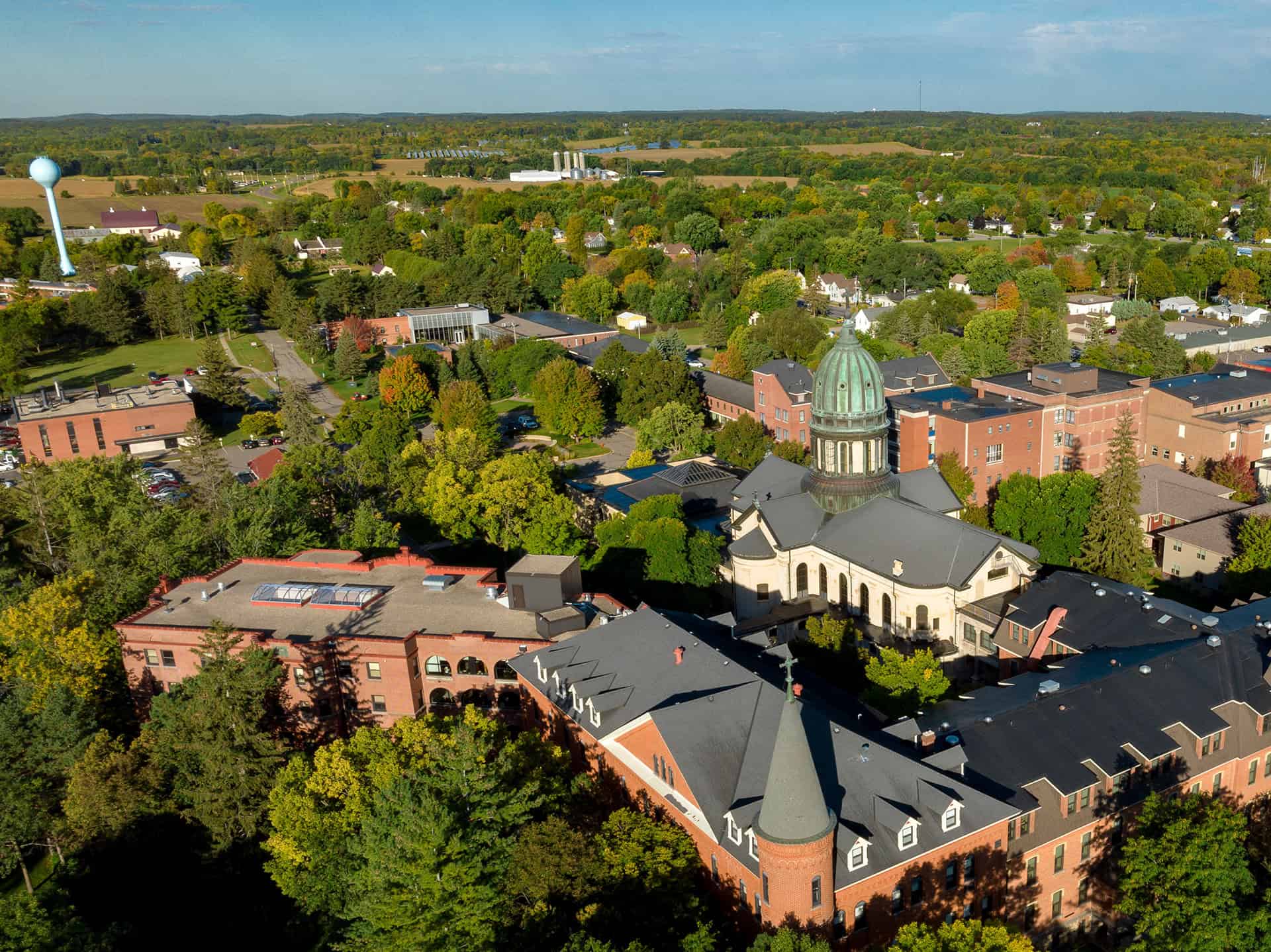
The campus is in Moorhead, Minnesota, part of the Fargo-Moorhead metropolitan area. Students have access to a mix of small-college charm and city amenities, including arts and cultural events, internships, part-time jobs, restaurants, and outdoor recreation in all seasons.
What kind of student typically thrives at Concordia College in Moorhead?
Students who thrive tend to value a smaller, relationship-centered campus, are interested in engaging with the liberal arts, and want close connections with faculty and peers. They often seek opportunities for leadership, service, music or athletics, and are motivated to make a positive impact in their communities.