Recruiting campSoccer · Women's
Recruit ID Camps (Shelley Smith) — Jan
- Jan 17, 2026
- USC / Stone Stadium area (check site for details), Columbia, SC
Recruit ID camp for girls seeking Division I exposure and collegiate-level training.
Browse programs
College directoryEvery program, filtered by what fits Sport directoryMen's and women's, every division State directoryPrograms in the states you would play inGo deeper
Major directoryYour major and your sport in one list Camp directoryID camps and showcases at college programs Conference directoryEvery conference and its member colleges

One plan built for University of South Carolina Women's Soccer, with the roster read, the coach's contact and a dated plan, delivered within 24 hours. An expert checks every plan.
Overview
Key facts about the University of South Carolina women's soccer team.
University of South Carolina plays Division I women's soccer in the Southeastern Conference from its campus in Columbia, South Carolina. The most room for the Class of 2027 is among defenders, with five leaving after the 2026-27 season, followed by five forwards. It is an experienced group, with 16 of 29 players seniors or graduate students.
Head Coach
players a season
Fit check
Pick your position and level, add a test score if you have one, and get an instant read on your chances here. Free, and no account needed.
Coaching staff
Head coach
Shelley SmithHead CoachRoster
The roster by class
29 players on the latest roster (2026).
Roster openings after 2026-27
Goalkeeper 2 · Defender 5 · Midfielder 4 · Forward 5
More spots open up than at most programs: 16 players are set to leave after the 2026-27 season, or 55% of the roster against a median of 24% among Division I women's soccer teams, and the Class of 2027 stands to gain. The squad loses five defenders after that season, which gives that group the most room for that class, followed by five forwards.
See who you would be replacingOn the current roster, 16 of the 29 players are seniors or graduate students, or 55%. On the current roster, five of the 29 players came from other colleges, a share that is high among Division I women's soccer teams. Those players will leave soon, which tends to open spots for the next class.
Positions
How many players a season the program carries at each position, and how tall they are.
Average height 5'7"
Average height 5'7"
Average height 5'6"
Average height 5'6"
Transfers
transfers in for 2026-27
transfers out
Footprint
Where the players are from
Counted from players on recent rosters with a known hometown.
Top home states
Recruiting is spread thin geographically, since even the top five states combine for 57% of the roster, compared with a median of 68% among Division I women's soccer teams.
Recruiting
South Carolina is a highly competitive NCAA Division I program in the SEC with a consistent national postseason presence. The Gamecocks made the NCAA Tournament in 2025 for the 13th consecutive season and have a roster that includes experienced upperclassmen, transfers, and international players, making recruiting and roster competition demanding.
Recruiting difficulty
South Carolina operates near the national tournament level, so most roster opportunities require proven high-level club or elite academy experience.
What coaches value
How to get recruited here
Build a strong recruiting profile with full-match video, concise highlights, academic information, position details, and a current club or high school schedule. Complete the program's recruiting questionnaire, attend relevant camps or clinics when possible, and contact the staff early with specific information about how your game fits a high-level SEC environment.
How hard is it to make the team
Making South Carolina's roster is difficult because the program competes in the SEC and has maintained a long NCAA Tournament streak. Recruits generally need to show strong technical ability, tactical understanding, athletic consistency, and the capacity to contribute against nationally competitive opponents, while walk-on or developmental opportunities should not be assumed.
Who fits this program
Videos
Program stats
Athletes on the roster
Coaches on staff
Spent per athlete
Spending and revenue a year
Revenue covers everything the program spends.
According to the 2025 EADA report, the program spends about $13,000 per athlete on operations, about twice the Division I median.
Source: the federal Equity in Athletics report, 2025.
Feeders
The high schools and clubs that sent the most players to this roster.
The school
At the University of South Carolina, strengths in business, public health and research shape an academic experience where athletes should weigh demanding coursework alongside faculty access, major options and career outcomes.
 University of South CarolinaColumbia, South CarolinaSee the full profile
Acceptance rate
Graduation rate
Camps
New camp dates are not posted yet. These ran last season.
Recruit ID camp for girls seeking Division I exposure and collegiate-level training.
Recruit ID camp for girls seeking Division I exposure.
Recruit ID camp for girls seeking Division I exposure.
Official links
Similar programs
Programs at a similar level, with similar academics, worth adding to your recruiting list.
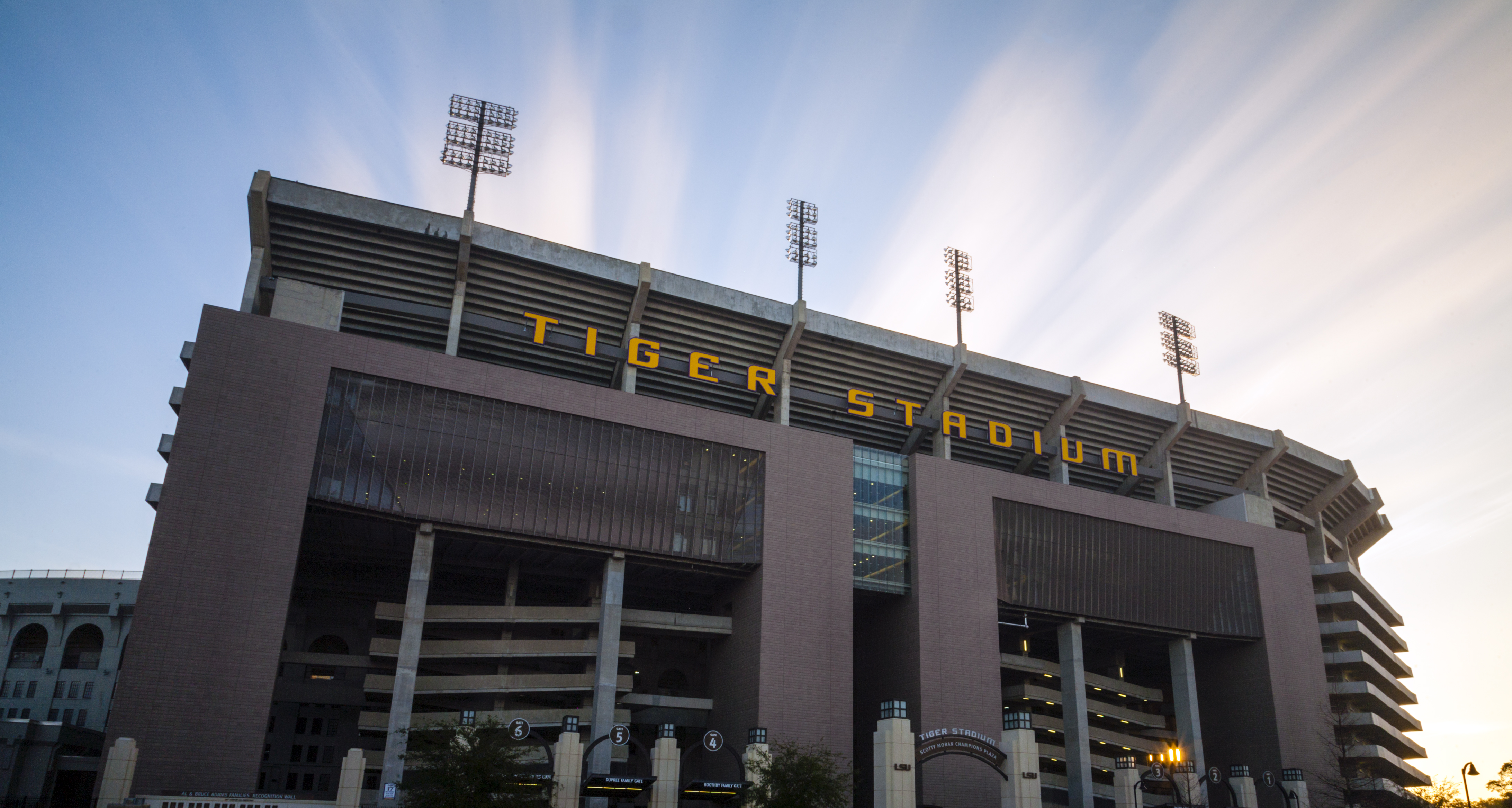
Southeastern Conference competition, research opportunities and Baton Rouge employer connections give athletes distinct reasons to consider LSU.
SEC competition, established academics and a tradition-rich campus appeal to athletes seeking a demanding college experience.
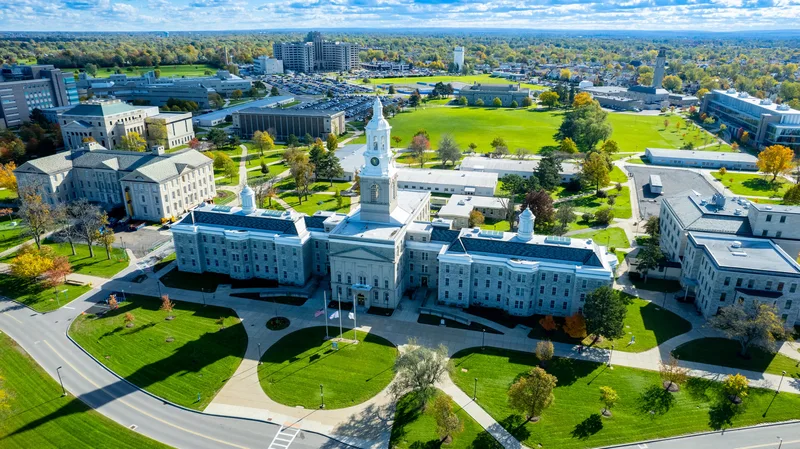
Research resources, professional programs and Mid-American Conference competition give athletes several reasons to consider Buffalo.
Close faculty connections and Seattle internship access complement competitive athletics and a service-centered Jesuit education.
Competitive athletics, professional programs and Chicago opportunities give athletes reasons to look beyond the playing field.
Competitive athletics, professional programs and nearby New York City give recruits several reasons to consider this campus.
Teams in South Carolina
Clemson, SC
Strong professional programs and ACC competition attract athletes who want a residential college experience with career direction.
Conway, SC
Competitive athletics, coastal research opportunities and nearby Myrtle Beach give recruits distinct reasons to consider this campus.
Charleston, SC
Division I competition, undergraduate teaching and Charleston's coastal city setting give athletes distinct reasons to consider this campus.
Greenville, SC
Close faculty relationships and a residential community help athletes stay connected while pursuing demanding academics and competitive athletics.
Clinton, SC
Close faculty relationships and professional pathways give athletes a personal academic setting alongside demanding competition.
Rock Hill, SC
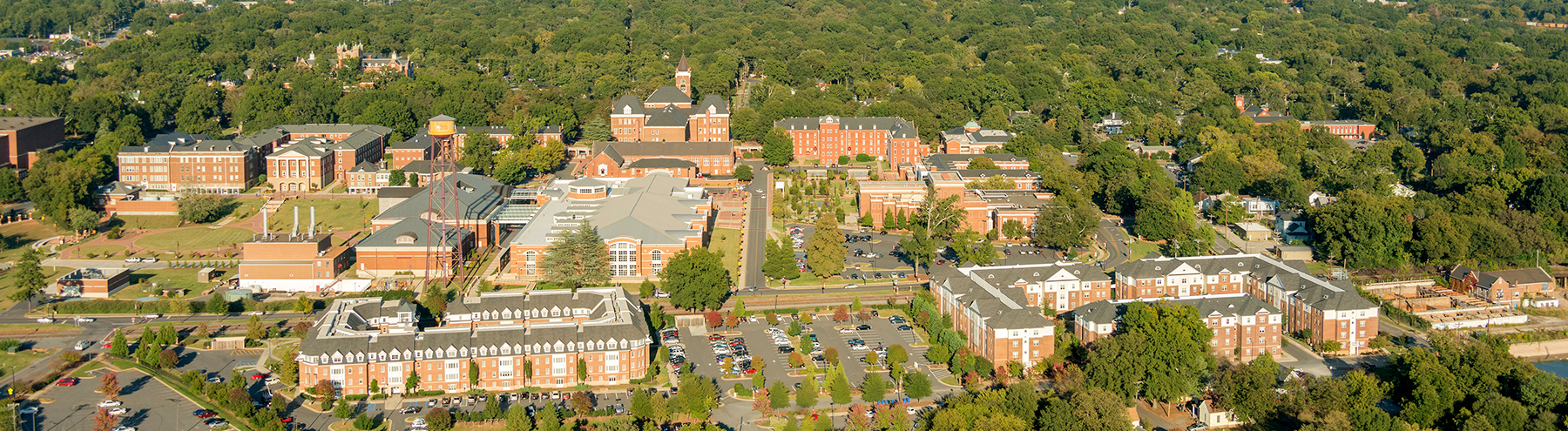
A small campus, accessible faculty and Big South competition offer athletes a balance of community and challenge.
Spartanburg, SC
Athletes choose a close-knit campus where Southern Conference competition pairs with personal academics and financial aid options.
North Charleston, SC
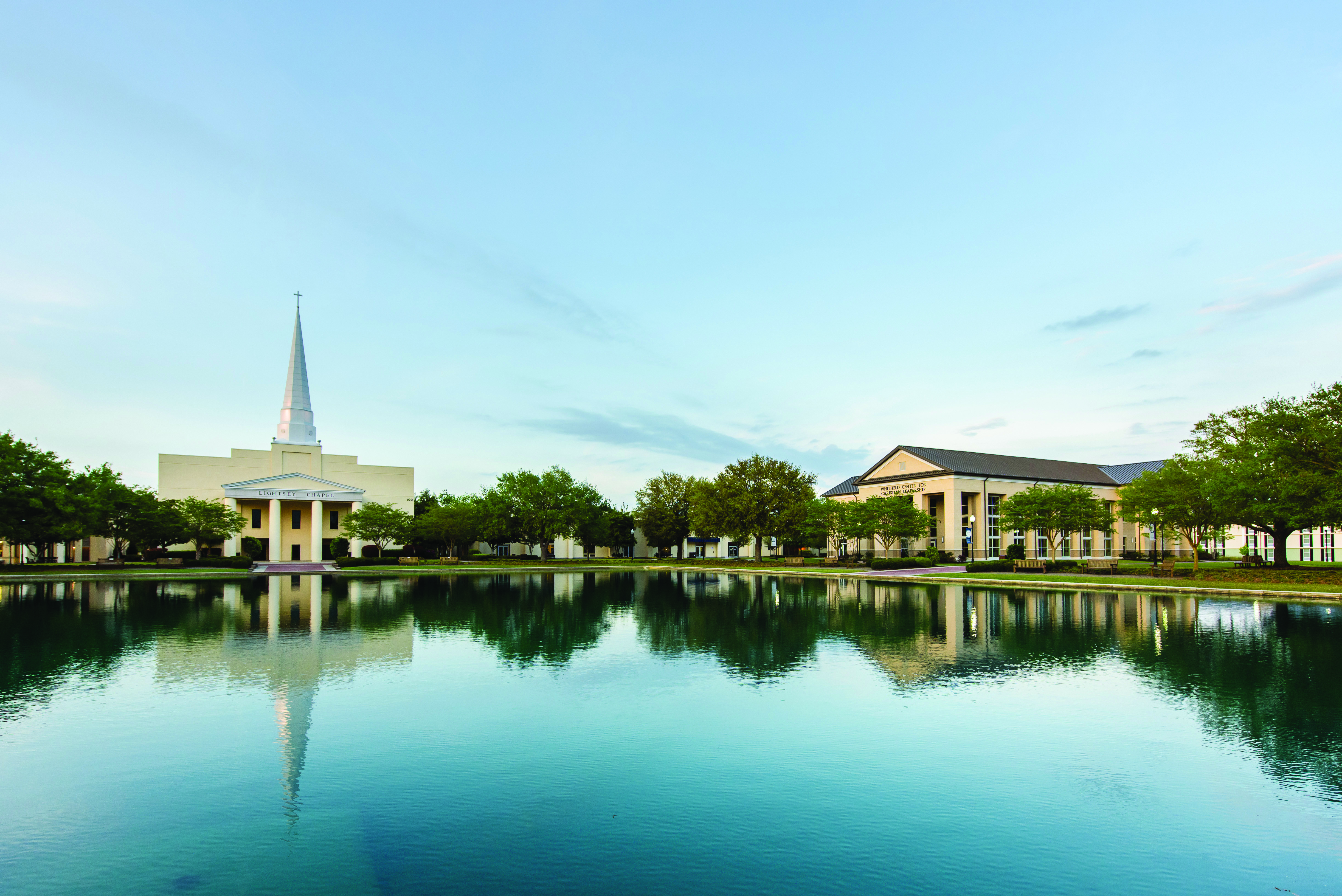
A small Christian community and close faculty interaction help athletes find connection alongside Division I competition.
Orangeburg, SC
A supportive HBCU community, distinctive academics and Division I competition give recruits clear reasons to consider enrolling.
Charleston, SC
Athletes choose a disciplined cadet environment that combines competitive athletics, leadership preparation and life in Charleston.
Spartanburg, SC
A small-campus setting, health-focused academics and Big South competition give recruits distinct reasons to consider coming here.
Roster openings · 2026-27
Every program ranked by players in their final year, with the positions they are losing.
Three ways to start
Pick the option that matches where you are, and we will show you the plan that fits.
Resources