Nike Soccer Camp - All Skills (Jun 15-19, 2026)
- Jun 15 to 19, 2026
- Seattle University Park, Seattle, WA
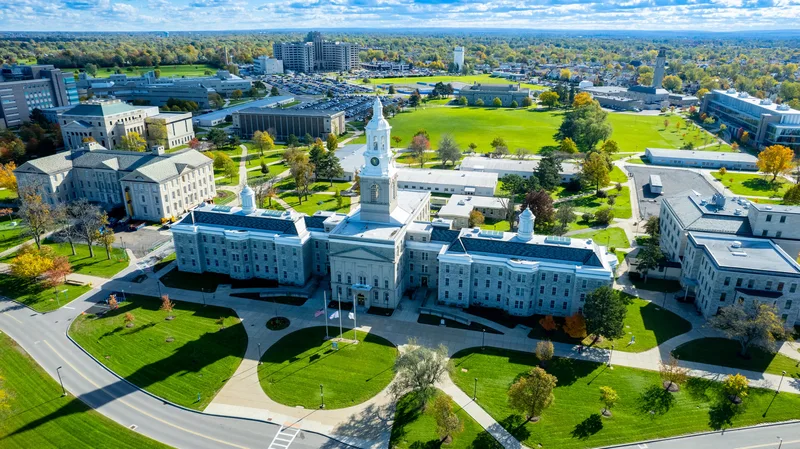
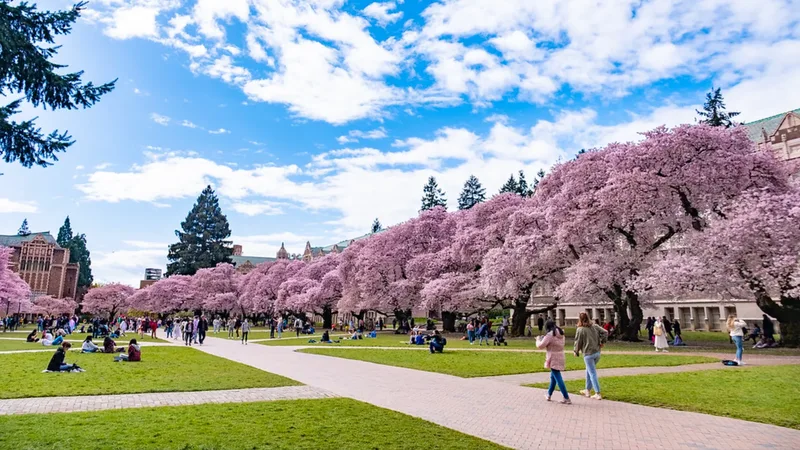
All-skills day camp for ages 5-12 offering technical and tactical instruction and small-sided games led by Seattle U coaches and players.
Browse programs
College directoryEvery program, filtered by what fits Sport directoryMen's and women's, every division State directoryPrograms in the states you would play inGo deeper
Major directoryYour major and your sport in one list Camp directoryID camps and showcases at college programs Conference directoryEvery conference and its member collegesOne plan built for Seattle University Women's Soccer, with the roster read, the coach's contact and a dated plan, delivered within 24 hours. An expert checks every plan.
Overview
Key facts about the Seattle University women's soccer team.
Seattle University plays Division I women's soccer in the West Coast Conference from its campus in Seattle, Washington. Four straight winning seasons run through 2025. The roster is stable, with 88% of last season's non-seniors back, above the 76% median among Division I women's soccer teams.
Head Coach
players a season
Fit check
Pick your position and level, add a test score if you have one, and get an instant read on your chances here. Free, and no account needed.
Coaching staff
Head coach
Julie WoodwardHead CoachRoster
The roster by class
30 players on the latest roster (2026).
Roster openings after 2026-27
Goalkeeper 1 · Defender 1 · Midfielder 2 · Forward 2
Position by position, forwards lead the departures, with two leaving after the 2026-27 season, followed by two midfielders. Recruits at those positions would face the least entrenched competition.
See who you would be replacingContinuity is a strength, with 88% of last season's non-seniors back, ahead of the 76% median among Division I women's soccer teams.
Positions
How many players a season the program carries at each position, and how tall they are.
Average height 5'8"
Average height 5'7"
Average height 5'5"
Average height 5'7"
Transfers
transfers in for 2026-27
transfers out
Footprint
Where the players are from
Counted from players on recent rosters with a known hometown.
Top home states
Washington leads the way at 40%, and the five largest states together account for 87% of the roster, compared with 68% for the median team among Division I women's soccer teams.
Results
Swipe to see every season
2021
47%7-8-4overall
1-6-3conference
2022
63%11-6-3overall
8-2-2conference
2023
52%10-9-2overall
6-2-1conference
2024
68%10-3-6overall
4-1-2conference
2025
68%10-3-6overall
6-3-2conference
Not one of the last four seasons has ended below .500, and the win rate over that run is 63%.
Standings
Where Seattle University stands in the West Coast Conference.
Schedule and travel
The season's games, home and away, and how far the team travels.
Recruiting
Seattle University women's soccer is a highly competitive NCAA Division I program competing in the West Coast Conference. The team faces a strong conference schedule and regularly tests itself against high-level regional and Power Four opponents, so recruiting favors athletes who are technically polished, tactically intelligent, physically prepared, and ready to contribute in a demanding environment.
Recruiting difficulty
The program operates at a high Division I level with a demanding conference schedule, making roster opportunities difficult but realistic for well-developed recruits.
What coaches value
How to get recruited here
Build a complete recruiting profile with competitive match film, position-specific clips, verified athletic information, and a concise academic summary. Contact the staff early, attend appropriate identification camps, and show how your technical ability, tactical role, and physical tools fit the team's Division I and West Coast Conference level.
How hard is it to make the team
Making Seattle University's women's soccer team is difficult because it is a high-level Division I program with a deep roster and demanding conference competition. Most recruits should expect to compete for opportunities against experienced players, so consistent performance in elite club or high school environments, positional versatility, and readiness for the college training pace are important.
Who fits this program
Videos
Program stats
Athletes on the roster
Coaches on staff
Spent per athlete
Spending and revenue a year
Revenue covers everything the program spends.
The operating budget is above its peers: around $9,600 per athlete in the 2025 EADA report, about 58% above the Division I median.
Source: the federal Equity in Athletics report, 2025.
The school
Seattle University combines a Jesuit educational foundation with established strengths in business, health and technology, making academic fit about both your classroom interests and your plans beyond athletic competition.
Acceptance rate
Graduation rate
Camps
New camp dates are not posted yet. These ran last season.
All-skills day camp for ages 5-12 offering technical and tactical instruction and small-sided games led by Seattle U coaches and players.
Elite performance day camp for ages 8-14 with higher-intensity technical/tactical training and collegiate-level instruction.
Nike Soccer all-skills youth camp for ages 5-12 hosted jointly by Seattle U men's and women's soccer programs; on-field instruction from SU coaches and players.
Official links
Similar programs
Programs at a similar level, with similar academics, worth adding to your recruiting list.
Close faculty relationships and established professional programs give athletes academic reasons to pursue competitive Division I opportunities.
Competitive athletics, career-focused academics and an urban Jesuit mission give recruits distinct reasons to consider studying here.
Nationally prominent basketball, reachable faculty and strong career outcomes give athletes compelling reasons to consider this campus.
SEC competition, research opportunities and an active urban campus attract athletes who want a broad college experience.
Competitive athletics, professional programs and nearby New York City give recruits several reasons to consider this campus.
Research resources, professional programs and Mid-American Conference competition give athletes several reasons to consider Buffalo.
Teams in Washington
Spokane, WA
Nationally prominent basketball, reachable faculty and strong career outcomes give athletes compelling reasons to consider this campus.
Seattle, WA
Big Ten competition, research-focused academics and Seattle career opportunities give athletes compelling reasons to consider this campus.
Cheney, WA
Hands-on academics, Big Sky competition and in-state value give athletes practical reasons to consider studying here.
Pullman, WA
Division I competition, hands-on research and a spirited residential community give recruits distinct reasons to consider Pullman.
Roster openings · 2026-27
Every program ranked by players in their final year, with the positions they are losing.
Three ways to start
Pick the option that matches where you are, and we will show you the plan that fits.
Resources