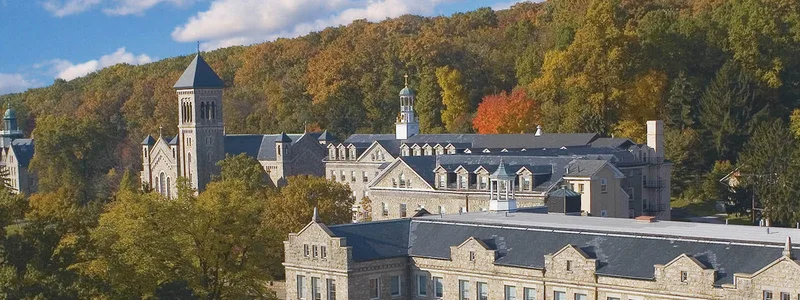
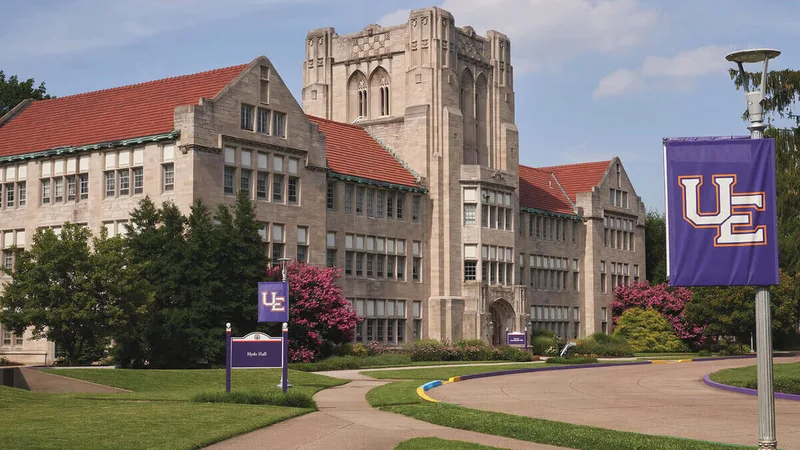
A small campus community and faith-informed education give athletes a personal setting for Division I competition.
- 3,104
- Students
- 77%
- Admit rate
- $17,674
- Net price
Browse programs
College directoryEvery program, filtered by what fits Sport directoryMen's and women's, every division State directoryPrograms in the states you would play inGo deeper
Major directoryYour major and your sport in one list Camp directoryID camps and showcases at college programs Conference directoryEvery conference and its member collegesOverview
Mission and culture
Presbyterian College is a small liberal arts college in Clinton, South Carolina, pairing a residential campus with NCAA Division I athletics. Close faculty interaction, undergraduate research and health-focused professional pathways, including a School of Pharmacy, define the experience for athletes seeking a personal academic environment.
Why athletes choose Presbyterian College
Close faculty relationships and professional pathways give athletes a personal academic setting alongside demanding competition.
Fit check
Pick a sport, your position and level, add a test score if you have one, and get an instant read on your chances here. Free, and no account needed.
Academics
Presbyterian College combines liberal arts study with undergraduate research and pre-professional pathways, giving athletes room to explore academic interests while building toward careers in healthcare, business and other fields.
Academic strength
A composite of graduation rate, earnings after college, how selective admissions are and how hard the coursework is.
Acceptance rate
More selectiveMore accessible
Admissions are accessible, making classroom readiness an important part of your application alongside your potential athletic contribution.
Six-year graduation rate
0%100%
Finishing a degree is a reasonable goal, with steady academic focus and support remaining important.
Academic difficulty
Rated 3 out of 5
Coursework presents a balanced challenge that requires steady study habits alongside athletic commitments.
Student to faculty ratio
students for every faculty member
Faculty should be reachable, giving athletes opportunities to build personal academic relationships and seek guidance.
Median earnings
per year, ten years after starting college
Six years after: $44,387Graduate earnings suggest solid outcomes, making the connection between your major and career goals worth exploring.
Undergraduate enrollment
undergraduate students
The small undergraduate community offers a personal campus experience where you can build connections beyond your athletic program.
SAT and ACT scores
Testing is optional, and the score profile suggests an accessible academic entry point for recruits who demonstrate solid preparation in the classroom.
Most popular majors
Admissions
Prepare your Presbyterian College application by reviewing deadlines by admission plan, test policy, application fee and recommendation requirements alongside your athletic recruiting conversations.
Not binding. Hear back early and decide by May 1.
The standard deadline. Not binding.
Majors
18 undergraduate majors across 5 academic areas.
No major matches that search.
Campus life
A small residential campus in rural Clinton encourages close-knit relationships, with a strong honor code and regular opportunities to connect with faculty.
Athletics
Competition is at the NCAA Division I level, primarily in the Big South Conference, while football competes in the Pioneer Football League and wrestling in the Southern Conference.
Athletic department
The NCAA Division I athletic department at Presbyterian College supports a substantial athlete community, with program spending, recruiting investment and athletic aid by gender offering context for your recruiting conversations.
Athletes
Athletic aid
Recruiting spend
Source: the federal Equity in Athletics report, 2025.
Cost
At Presbyterian College, need-based and merit-based aid can reduce the published cost, so compare the net price after grants with the financial aid offered to your family.
Average net price
What families pay on average after grants and scholarships, including tuition, housing and fees.
Published tuition
The sticker price a year, before any aid.
Financial aid
Need-based and merit-based aid availableAthletic scholarships, where a program offers them, are awarded by the coaching staff and come on top of these figures.
NIL
NIL rating
Presbyterian College in Clinton, South Carolina offers a developing NIL (name, image and likeness) environment where Division I athletes can connect with local and regional partners. The small-campus setting and close-knit college sports community create personalized NIL opportunities across multiple men's and women's teams.
See the full NIL breakdownStudent fit
The kind of student-athlete who tends to do well at Presbyterian College.
Presbyterian College fits athletes who want NCAA Division I competition without giving up a small, personal college environment. It is especially worth exploring if you value faculty relationships, undergraduate research and professional pathways in health fields, or want to study business, biology or psychology while continuing your sport. The residential setting and strong honor code suit students who want a close-knit community and are comfortable living in a rural town rather than a busy city. Academically, expect a balanced challenge, and plan to stay consistent with coursework, degree planning and career preparation rather than treating accessible admissions as a sign that college will be effortless.
Who thrives here
Relationship Driven LearnersTeam First CompetitorsCoachability And AccountabilityHealth Pathway PlannersSmall Town ComfortQuestions
It is known for strong undergraduate programs in the liberal arts and sciences, along with respected offerings in business, education, and health-related fields. Small class sizes and close faculty interaction are key features of the academic experience.
Admission is considered moderately selective. Applicants with solid grades in a college-preparatory curriculum, competitive test scores if submitted, and evidence of involvement outside the classroom have a strong chance of being admitted.
The student experience is close-knit and community-oriented, with a residential campus, active student organizations, and opportunities for leadership. Students often get to know professors and peers well because of the small-school environment.
Popular areas of study include biology and other natural sciences, business and management, education, political science, psychology, and pre-professional pathways such as pre-med, pre-law, and pre-pharmacy.
Campus life centers around residence halls, Greek life, service organizations, intramural sports, and campus traditions. Many students participate in multiple activities, and events on the main quad and in campus facilities create an active social scene during the week and on weekends.
It is located in Clinton, a small town in upstate South Carolina. The area offers a quiet, community-focused environment, with larger cities in the region accessible by car for additional shopping, dining, internships, and cultural experiences.
Classes are typically small, discussion-based, and taught by faculty rather than teaching assistants. Students can expect personalized attention, regular feedback, and opportunities for undergraduate research and independent study.
Yes. Students interested in medicine, law, health professions, and other professional fields receive advising, help with course planning, and guidance on entrance exams and applications. Many participate in internships, research, and shadowing experiences to prepare for graduate or professional school.
It competes in NCAA Division I athletics. Students can participate in a variety of varsity sports, as well as club and intramural options, providing opportunities for both competitive athletes and those who enjoy recreational play.
Game days have an energetic but intimate feel, with strong school spirit, a supportive student section, and close interaction between athletes, students, and alumni. The small-campus setting makes it easy for the community to rally around teams across different sports.
The college typically offers a combination of merit-based scholarships, need-based aid, and other institutional awards. Many students qualify for some level of assistance, and prospective students are encouraged to submit the FAFSA and any required institutional forms.
Most undergraduates live on campus in residence halls, suites, or apartment-style housing. Living on campus helps students build community, and housing is generally organized to support both first-year transition and upper-class independence.
Compare
Other colleges worth comparing with Presbyterian College.
A small campus community and faith-informed education give athletes a personal setting for Division I competition.
Close faculty relationships and career-focused learning complement competitive athletics within a small Catholic campus community.
A small Christian community and close faculty interaction help athletes find connection alongside Division I competition.
Personal faculty connections and Division I competition give athletes a small-campus experience without stepping away from competitive sports.
A small campus, demanding competition and career-focused academics give athletes a distinctive balance in Charlotte.
Athletes can pursue Division I competition while staying connected to faculty in a small university community.
Close faculty access and career-focused academics give athletes a personal foundation for balancing Division I competition.
A small Christian community and Houston career connections give athletes reasons to look beyond the competition schedule.
Personal instruction, career-focused programs and Louisville opportunities give athletes reasons to look beyond the competition schedule.
Close faculty mentoring, Division I competition and substantial institutional aid make this small campus worth considering.
Faith-centered campus life and career-focused academics appeal to athletes seeking a small college community in Dallas.
Close faculty connections and career-focused academics appeal to athletes seeking competitive sports within a small campus community.
Three ways to start
Pick the option that matches where you are, and we will show you the plan that fits.
Resources