Recruiting campSoccer · Women's
Tiger Girls Soccer Camp - Winter ID Camp
- Jan 31, 2026
- Riggs Field, Clemson, SC
- $225
One-day ID camp for grades 9–12 with position-specific training and evaluation.
Browse programs
College directoryEvery program, filtered by what fits Sport directoryMen's and women's, every division State directoryPrograms in the states you would play inGo deeper
Major directoryYour major and your sport in one list Camp directoryID camps and showcases at college programs Conference directoryEvery conference and its member colleges

One plan built for Clemson University Women's Soccer, with the roster read, the coach's contact and a dated plan, delivered within 24 hours. An expert checks every plan.
Overview
Key facts about the Clemson University women's soccer team.
Clemson University runs a women's soccer team in Clemson, South Carolina, competing in the Atlantic Coast Conference at the Division I level. The most room for the Class of 2027 is among forwards, with three leaving after the 2026-27 season, followed by three midfielders. The roster is stable, with 95% of last season's non-seniors back, above the 76% median among Division I women's soccer teams.
Head Coach
players a season
Fit check
Pick your position and level, add a test score if you have one, and get an instant read on your chances here. Free, and no account needed.
Coaching staff
Head coach
Eddie RadwanskiHead CoachRoster
The roster by class
28 players on the latest roster (2026).
Roster openings after 2026-27
Goalkeeper 2 · Midfielder 3 · Forward 3
Forwards are where the Class of 2027 has the most room: three leave after the 2026-27 season, followed by three midfielders. Players at those positions have the clearest chance to step into new roles.
See who you would be replacingRoster continuity stands out, since 95% of last season's non-seniors returned, ahead of the 76% median among Division I women's soccer teams.
Positions
How many players a season the program carries at each position, and how tall they are.
Average height 5'9"
Average height 5'7"
Average height 5'6"
Average height 5'6"
Transfers
transfers in for 2026-27
transfers out
Footprint
Where the players are from
Counted from players on recent rosters with a known hometown.
Top home states
This program recruits away from home, with 2% of the roster from South Carolina, compared with a median of 28% among Division I women's soccer teams.
Results
Swipe to see every season
2021
63%12-7-1overall
6-3-1conference
2022
58%8-5-5overall
4-3-3conference
2023
77%18-4-4overall
7-2-1conference
2024
44%6-8-3overall
2-7-1conference
2025
55%8-6-5overall
4-4-2conference
Over the last five seasons, a 61% winning percentage ranks in the top quarter among Division I women's soccer teams, where the median is 49%.
Recruiting
Clemson women’s soccer is a highly competitive NCAA Division I program in the ACC, a conference known for strong women’s soccer competition. The Tigers earned a 2025 NCAA Tournament bid, were ranked No. 25 entering the 2026 season, and reached the College Cup semifinals in 2023. Recruits should expect a national-level evaluation process and strong competition for roster opportunities.
Recruiting difficulty
Clemson is a strong ACC program with recent NCAA Tournament participation and limited roster opportunities for players who are not already competing at a high Division I level.
What coaches value
How to get recruited here
Build a concise recruiting profile with verified match film, full-game footage, academic information, position, height, graduation year, and competitive schedule. Contact the staff early, explain why Clemson fits your goals, and use showcase events or club competition against strong opponents to demonstrate that you can handle ACC-level speed and physicality.
How hard is it to make the team
Making Clemson’s women’s soccer team is very difficult because it competes in the ACC and has recently played at the NCAA Tournament level. Most roster candidates will need strong club or high school credentials, reliable technical execution, tactical maturity, and the ability to contribute in a demanding Division I environment.
Who fits this program
Videos
Program stats
Athletes on the roster
Coaches on staff
Spent per athlete
Spending and revenue a year
Revenue covers everything the program spends.
Coaches are responsible for fewer athletes than usual, with about seven athletes per coach in the 2025 EADA report compared with a median of nine among Division I women's soccer teams. The program puts around $11,000 per athlete into operations in the same report, about twice the Division I median.
Source: the federal Equity in Athletics report, 2025.
The school
Clemson University combines strong engineering, business and health-related programs with hands-on learning, making academic preparation, course demands and career direction important considerations as you weigh the fit alongside your sport.
 Clemson UniversityClemson, South CarolinaSee the full profile
Acceptance rate
Graduation rate
Camps
New camp dates are not posted yet. These ran last season.
One-day ID camp for grades 9–12 with position-specific training and evaluation.
One-day ID camp for current 8th-12th graders with training and evaluation.
Multi-day summer pre-elite camp for younger players (grades 5–8) focusing on skill development and training sessions.
Official links
Similar programs
Programs at a similar level, with similar academics, worth adding to your recruiting list.
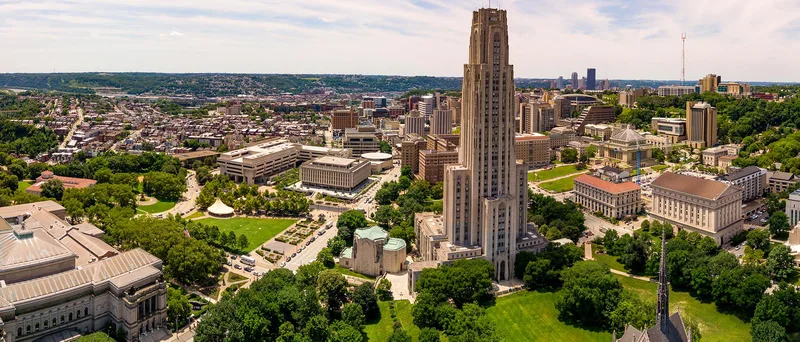
Health sciences, research opportunities and ACC competition draw athletes who want an academically demanding urban college experience.
Blacksburg, VA
Why it is similar: Same conference.ACC competition, strong technical academics and a spirited residential community give athletes compelling reasons to consider Blacksburg.
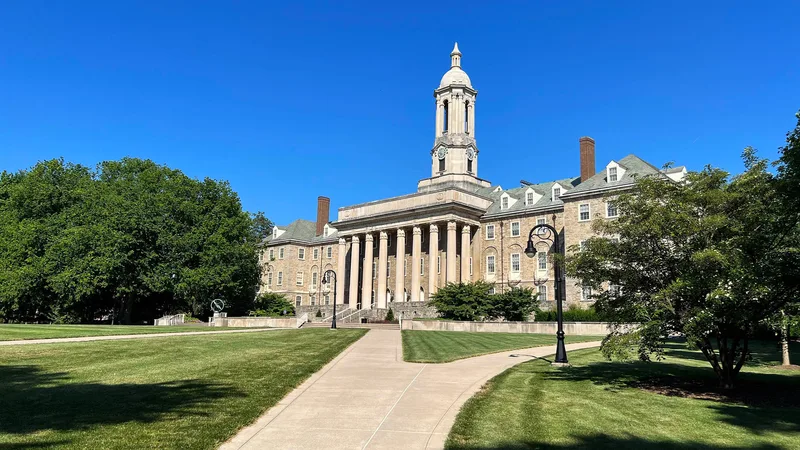
Big Ten competition, research opportunities and active campus life appeal to athletes seeking a broad college experience.
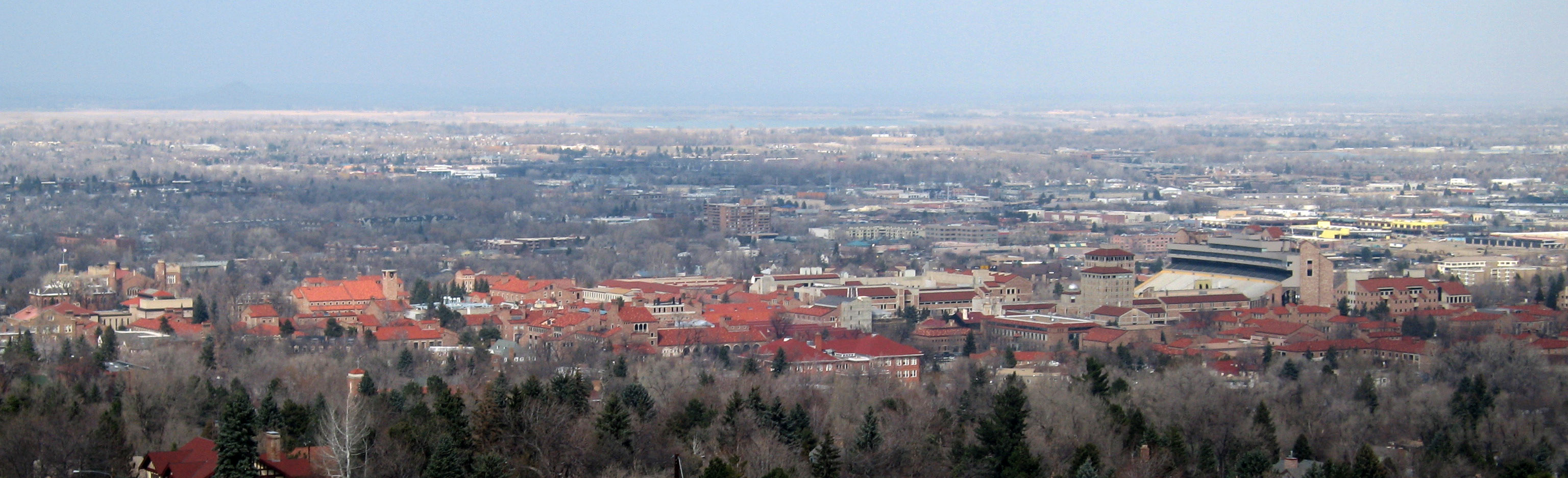
Competitive athletics, research opportunities and an outdoor-focused campus give athletes compelling reasons to consider life in Boulder.
Big Ten competition, strong technical academics and a residential college-town experience give athletes distinct reasons to consider Purdue.
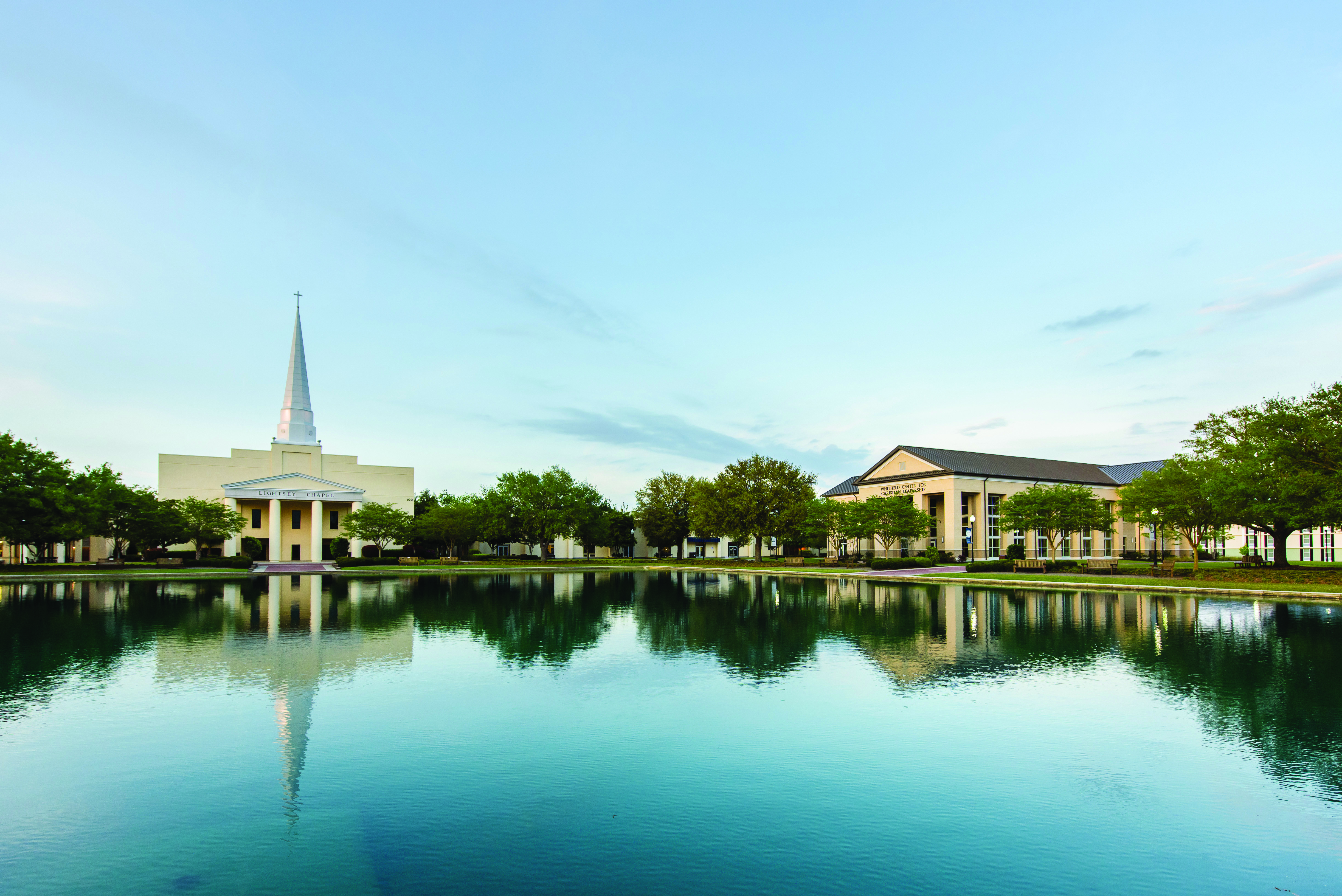
Competitive athletics, established academic programs and a faith-centered community appeal to athletes seeking structure and value.
Teams in South Carolina
Conway, SC
Competitive athletics, coastal research opportunities and nearby Myrtle Beach give recruits distinct reasons to consider this campus.
Charleston, SC
Division I competition, undergraduate teaching and Charleston's coastal city setting give athletes distinct reasons to consider this campus.
Greenville, SC
Close faculty relationships and a residential community help athletes stay connected while pursuing demanding academics and competitive athletics.
Clinton, SC
Close faculty relationships and professional pathways give athletes a personal academic setting alongside demanding competition.
Columbia, SC
SEC competition, research opportunities and an active urban campus attract athletes who want a broad college experience.
Rock Hill, SC
A small campus, accessible faculty and Big South competition offer athletes a balance of community and challenge.
Spartanburg, SC
Athletes choose a close-knit campus where Southern Conference competition pairs with personal academics and financial aid options.
North Charleston, SC
A small Christian community and close faculty interaction help athletes find connection alongside Division I competition.
Orangeburg, SC
A supportive HBCU community, distinctive academics and Division I competition give recruits clear reasons to consider enrolling.
Charleston, SC
Athletes choose a disciplined cadet environment that combines competitive athletics, leadership preparation and life in Charleston.
Spartanburg, SC
A small-campus setting, health-focused academics and Big South competition give recruits distinct reasons to consider coming here.
Roster openings · 2026-27
Every program ranked by players in their final year, with the positions they are losing.
Three ways to start
Pick the option that matches where you are, and we will show you the plan that fits.
Resources