Russell Triplett Winter Hitting Camp
- Jan 17, 2026
- College Park Field (717 Rutledge Ave), Charleston, SC
- $175
Day clinic for players ages 8–18 focusing on hitting mechanics, bat speed, plate discipline, drills, live pitching and video analysis.
Browse programs
College directoryEvery program, filtered by what fits Sport directoryMen's and women's, every division State directoryPrograms in the states you would play inGo deeper
Major directoryYour major and your sport in one list Camp directoryID camps and showcases at college programs Conference directoryEvery conference and its member colleges
Charleston, South CarolinaSouthern Conference
Overview
Mission and culture
The Citadel, The Military College of South Carolina, is a state-supported senior military college in Charleston with NCAA Division I athletics in the Southern Conference. Its Corps of Cadets shapes a disciplined college experience, with leadership development, ROTC pathways and academics grounded in engineering, business and criminal justice.
Why athletes choose The Citadel, The Military College of South Carolina
Athletes choose a disciplined cadet environment that combines competitive athletics, leadership preparation and life in Charleston.
Fit check
Pick a sport, your position and level, add a test score if you have one, and get an instant read on your chances here. Free, and no account needed.
Academics
At The Citadel, The Military College of South Carolina, academics combine engineering, business and criminal justice with leadership development, making classroom preparation and the balance between coursework and athletics important considerations.
Academic strength
A composite of graduation rate, earnings after college, how selective admissions are and how hard the coursework is.
Acceptance rate
More selectiveMore accessible
Admissions are selective, so recruits should bring strong classroom preparation rather than assume athletic interest guarantees admission.
Six-year graduation rate
0%100%
Students have a solid path to graduation, with consistent academic focus helping athletes stay on track.
Academic difficulty
Rated 3 out of 5
Coursework presents a balanced challenge alongside athletics and the disciplined cadet routine.
Student to faculty ratio
students for every faculty member
Faculty should be reasonably reachable, making it practical to build academic relationships alongside your athletic commitments.
Median earnings
per year, ten years after starting college
Six years after: $60,168Graduate earnings suggest solid career outcomes, giving families a useful reason to weigh academic fit alongside cost.
Undergraduate enrollment
undergraduate students
The small undergraduate community offers a more personal setting within the structured routines and shared expectations of cadet life.
SAT and ACT scores
The test profile suggests solid academic preparation matters, while optional testing lets recruits decide whether scores strengthen an application supported by classroom performance.
Most popular majors
Admissions
Prepare your application to The Citadel, The Military College of South Carolina, by reviewing deadlines, test policy, application fees and recommendation requirements alongside recruiting conversations.
The standard deadline. Not binding.
Majors
27 undergraduate majors across 7 academic areas.
No major matches that search.
Campus life
Daily life centers on a small, disciplined cadet community, with military-style routines and leadership development in the urban setting of historic Charleston.
Athletics
Competing in NCAA Division I within the Southern Conference, athletes balance regional competition with a regimented cadet experience, including programs such as football, baseball and volleyball.
Athletic department
Explore how The Citadel, The Military College of South Carolina, supports Division I competition through department finances, recruiting expenditures and athletic aid, including how resources are distributed by gender.
Athletes
Athletic aid
Recruiting spend
Source: the federal Equity in Athletics report, 2025.
Cost
At The Citadel, The Military College of South Carolina, residency affects tuition, while need-based and merit-based aid help shape the cost families should compare after grants.
Average net price
What families pay on average after grants and scholarships, including tuition, housing and fees.
Published tuition
The sticker price a year, before any aid.
Financial aid
Need-based and merit-based aid availableAthletic scholarships, where a program offers them, are awarded by the coaching staff and come on top of these figures.
NIL
NIL rating
The Citadel, The Military College of South Carolina in Charleston offers a structured but growing name, image and likeness (NIL) environment that fits its military and academic mission. Student-athletes in Citadel college sports can find localized NIL opportunities that connect with the strong community identity of Charleston and the state of South Carolina.
See the full NIL breakdownStudent fit
The kind of student-athlete who tends to do well at The Citadel, The Military College of South Carolina.
The Citadel, The Military College of South Carolina, best suits athletes seeking NCAA Division I competition within a disciplined military-style college experience rather than a loosely structured campus routine. Strong academic preparation matters for selective admission, while the moderate coursework challenge calls for steady effort alongside athletic commitments and cadet responsibilities. It fits students interested in engineering, business or criminal justice who value leadership development, reachable faculty and potential ROTC pathways into military service. Athletes who prefer a small undergraduate community in historic Charleston may feel comfortable here, while those wanting substantial freedom from regimented daily expectations may find the environment less appealing.
Who thrives here
Highly Structured LifestyleEarly Morning RoutinePeer AccountabilityLeadership DevelopmentElite Time ManagementCamps
The Citadel, The Military College of South Carolina has not posted new camp dates yet. These ran last season.
Day clinic for players ages 8–18 focusing on hitting mechanics, bat speed, plate discipline, drills, live pitching and video analysis.
Two-day bundle combining the Winter Hitting Camp and the Pitcher & Defensive Skills Camp for players ages 8–18.
Day clinic for players ages 8–18 focused on pitching fundamentals, arm care and defensive skills for catchers, infielders and outfielders.
Questions
It is known for its Corps of Cadets, strong military tradition, disciplined campus environment, and emphasis on leadership development combined with a solid undergraduate education, particularly in engineering, business, and the humanities.
The campus is located in Charleston, South Carolina, near the Ashley River. The environment is structured and regimented for cadets, with historic barracks, parade grounds, and a distinctive coastal Southern setting that offers access to a vibrant city and nearby beaches.
It is a state-supported military college, not a federal service academy. Students are part of a Corps of Cadets with military-style discipline and training, but graduates are not required to enter the armed forces unless they have specific ROTC or service commitments.
The academic rigor is generally considered moderate. Students experience a structured schedule that balances coursework, military obligations, and physical training, and they receive close support from faculty and academic services to help them succeed.
Popular programs include civil, mechanical, and electrical engineering, business administration, criminal justice, political science, education, and intelligence and security studies, all taught with a focus on leadership and applied learning.
Most traditional undergraduates are cadets in the Corps, living under the military system. However, there are veteran, active duty, and civilian evening or online students who can earn degrees without participating in the full cadet lifestyle.
Daily life is highly structured, with early wake-up, formations, inspections, physical training, classes, study periods, and required events. Weekdays are regimented, while weekends offer more free time along with parades, athletic events, and leave periods.
The college competes in NCAA Division I, primarily in the Southern Conference, offering varsity teams in sports such as football, baseball, basketball, wrestling, track and field, and others, with strong school spirit and traditions around game days and parades.
Varsity teams are largely composed of cadets, but non-cadet students may have access to certain club sports, intramurals, and campus fitness facilities, depending on their enrollment status and program, encouraging an active and healthy lifestyle.
Campus culture centers on honor, discipline, respect, and teamwork. Traditions, uniforms, formations, and parades shape the experience, and students build close bonds with classmates through shared challenges and a focus on character and leadership.
Cadets are generally required to participate in ROTC during their undergraduate years, choosing an Army, Navy, Marine Corps, or Air Force track. Commissioning into the military is encouraged but not mandatory for all cadets.
Graduates frequently enter the military as commissioned officers, but many also go into engineering, business, government, law enforcement, education, and graduate or professional schools, leveraging leadership training and a strong alumni network.
Compare
Other colleges worth comparing with The Citadel, The Military College of South Carolina.
Asheville, NC
Why it is similar: Similar academics and size.Close faculty connections, undergraduate research and Asheville's arts and outdoor opportunities complement the Division I athletic experience.
Division I competition, undergraduate teaching and Charleston's coastal city setting give athletes distinct reasons to consider this campus.
Personal instruction, career-focused programs and Louisville opportunities give athletes reasons to look beyond the competition schedule.
A small campus, accessible faculty and Big South competition offer athletes a balance of community and challenge.
Career-focused programs, riverfront campus life and Division I competition give athletes distinct reasons to consider enrolling.
Accessible admissions, specialized academics and Sun Belt competition give recruits several distinct reasons to consider studying here.
SEC competition, research opportunities and in-state value draw athletes who want a broad university experience.
Big Sky competition, accessible admissions and an outdoor-oriented community give athletes distinct reasons to consider studying here.
Personal faculty connections and Division I competition give athletes a small-campus experience without stepping away from competitive sports.
Athletes choose this campus for its engineering strengths, competitive athletics, public university value and lakeside setting.
Big 12 competition, applied academics and a collaborative campus attract athletes who want room to grow.
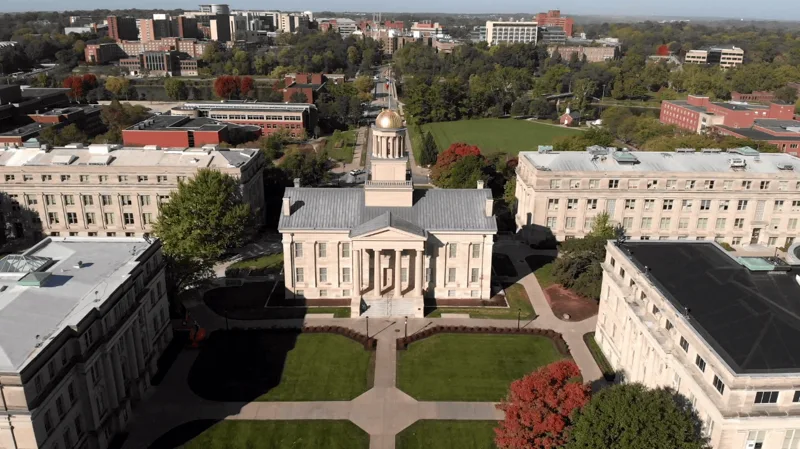
Big Ten competition, broad academic choices and Iowa City's writing culture give athletes distinct reasons to consider Iowa.
Three ways to start
Pick the option that matches where you are, and we will show you the plan that fits.
Resources