
Recruiting campField Hockey · Women's
ID Clinic
- Feb 15, 2026
- River Campus, Rochester, NY
- $100
Half-day ID clinic for high school players featuring skills work, an overview of the program and recruiting calendar, and a Q&A with coaches and students.
Browse programs
College directoryEvery program, filtered by what fits Sport directoryMen's and women's, every division State directoryPrograms in the states you would play inGo deeper
Major directoryYour major and your sport in one list Camp directoryID camps and showcases at college programs Conference directoryEvery conference and its member collegesOverview
Mission and culture
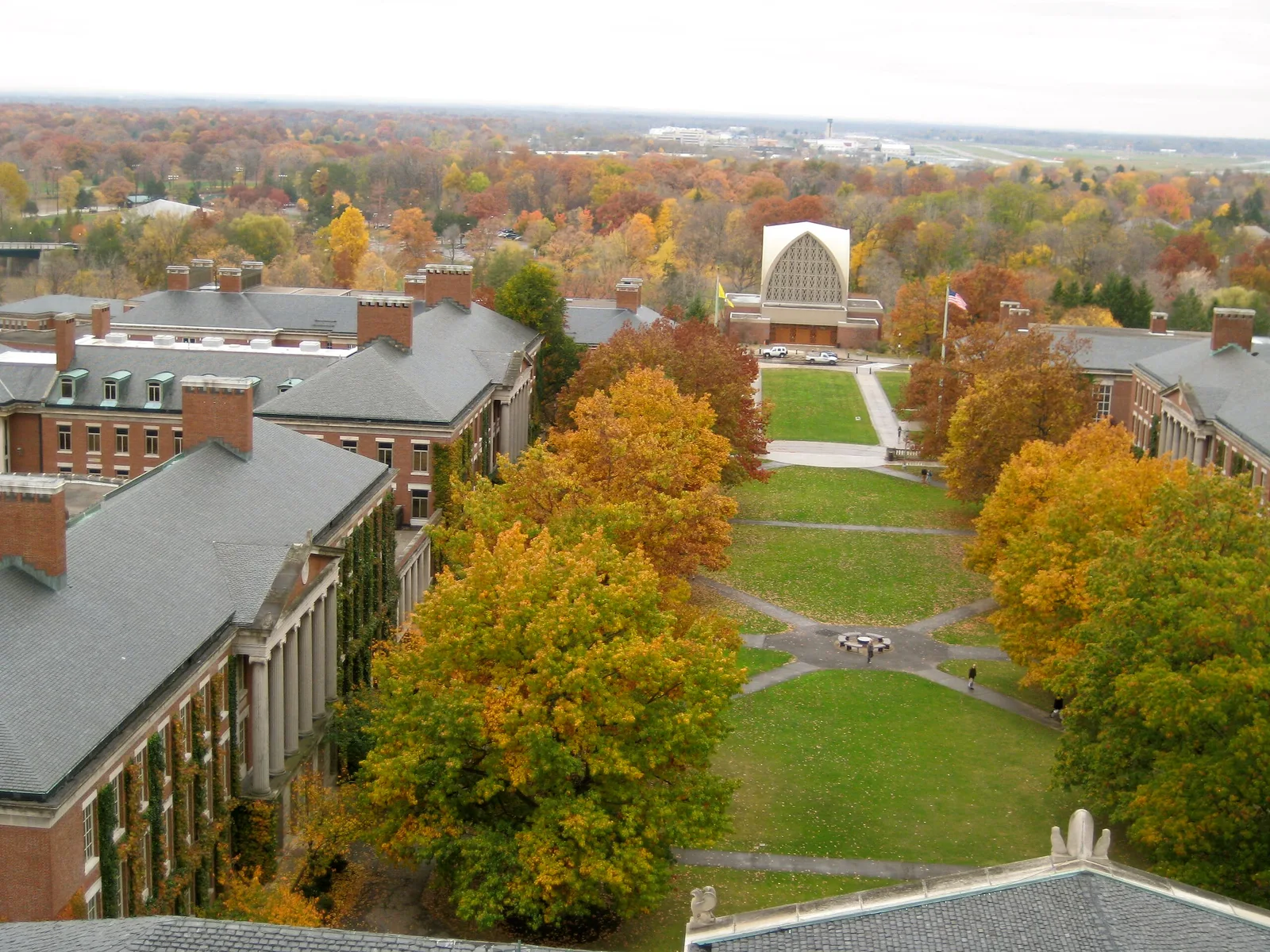
The University of Rochester is a research university in Rochester, New York, pairing NCAA Division III athletics with a demanding academic environment. Its flexible curriculum, undergraduate research opportunities and Eastman School of Music make it worth considering if you want substantial academic choice alongside your sport.
Why athletes choose University of Rochester
Flexible academic choices and research opportunities appeal to athletes who want serious study alongside competitive athletics.
Fit check
Pick a sport, your position and level, add a test score if you have one, and get an instant read on your chances here. Free, and no account needed.
Academics
The University of Rochester combines strong engineering, science and music offerings with interdisciplinary study, making academic preparation, faculty access and career direction important considerations as you evaluate athletic fit.
Academic strength
A composite of graduation rate, earnings after college, how selective admissions are and how hard the coursework is.
Acceptance rate
More selectiveMore accessible
Admissions are moderately selective, so solid academic preparation matters even when you bring a strong athletic profile.
Six-year graduation rate
0%100%
Graduation outcomes indicate an excellent chance of finishing on time while balancing academic and athletic commitments.
Academic difficulty
Rated 5 out of 5
Coursework is very demanding and time intensive, requiring careful planning around practices and competition.
Student to faculty ratio
students for every faculty member
A personal academic environment makes close faculty mentoring likely, especially when you actively build those relationships.
Median earnings
per year, ten years after starting college
Six years after: $68,333Strong graduate earnings suggest promising long-term value, while your major and career preparation still matter.
Undergraduate enrollment
undergraduate students
The medium-sized undergraduate community offers room to explore interests while finding connections through your team, classes and campus activities.
SAT and ACT scores
Testing is optional, but the strong score profile suggests submitted results should reinforce an already well-prepared academic application.
Most popular majors
Admissions
Plan your application to the University of Rochester by reviewing deadlines by admission plan, test policy, application fees and recommendation requirements alongside your recruiting conversations.
Binding. If admitted, you commit to attend.
A second binding round with a later deadline.
The standard deadline. Not binding.
Majors
50 undergraduate majors across 7 academic areas.
No major matches that search.
Campus life
A medium-sized residential campus in urban Rochester combines student clubs, Greek life and research involvement with opportunities to build community through athletics.
Athletics
Most programs compete in NCAA Division III through the University Athletic Association and Liberty League, while men's squash competes in Division I.
Athletic department
The University of Rochester athletic department's largely NCAA Division III profile provides context for examining its athlete population, operating revenue, recruiting investment and gender breakdowns in spending and aid.
Athletes
Recruiting spend
Source: the federal Equity in Athletics report, 2025.
Cost
At the University of Rochester, compare the substantial published cost with the net price after grants, then review how need-based and merit-based aid could affect your family's budget.
Average net price
What families pay on average after grants and scholarships, including tuition, housing and fees.
Published tuition
The sticker price a year, before any aid.
Financial aid
Need-based and merit-based aid availableAthletic scholarships, where a program offers them, are awarded by the coaching staff and come on top of these figures.
NIL
NIL rating
The University of Rochester in Rochester, New York offers a growing name, image and likeness (NIL) environment that fits a strong academic, NCAA Division III campus. Student-athletes across a wide range of college sports can explore localized NIL opportunities that align with their studies and community involvement.
See the full NIL breakdownStudent fit
The kind of student-athlete who tends to do well at University of Rochester.
The University of Rochester fits athletes who want primarily NCAA Division III competition without stepping away from demanding academics and substantial research opportunities. It particularly suits students drawn to engineering, sciences or music who appreciate flexible course choices and want to connect interests across disciplines while staying committed to their sport. A medium-sized residential community in an urban setting can appeal if you want student clubs, close faculty relationships and a life beyond your team. It is less suited to athletes seeking a lighter academic workload or athletic scholarships, so your family should weigh academic demands and need-based or merit-based aid carefully.
Who thrives here
Self Directed LearnersInterdisciplinary ExplorersResearch Oriented StudentsGrad School FocusedHigh Workload BalancersCamps
University of Rochester has not posted new camp dates yet. These ran last season.
Half-day ID clinic for high school players featuring skills work, an overview of the program and recruiting calendar, and a Q&A with coaches and students.
Half-day ID clinic for high school players featuring skills work, an overview of the program and recruiting calendar, and a Q&A with coaches and students.
Questions
It is best known for rigorous programs in engineering, the natural sciences, music, business, and the social sciences, along with strong research opportunities and a flexible curriculum that lets students shape their course of study.
Admission is very competitive, with the college looking for strong grades in challenging courses, solid standardized test performance if submitted, and evidence of intellectual curiosity, involvement, and character.
It looks for academically driven, intellectually curious students who take initiative, welcome interdisciplinary learning, and contribute to campus life through leadership, creativity, service, or research.
Instead of a strict core, it offers a flexible curriculum built around a primary area of study and additional clusters, giving students broad exposure to the humanities, social sciences, and natural sciences without many required survey courses.
Campus life is active and residential, with many students living on or near campus, joining a wide range of clubs, music and arts groups, cultural organizations, service groups, and intramural or club sports in a mid-sized city setting.
It is located in Rochester, New York, a mid-sized city in western New York that offers a mix of urban amenities, cultural institutions, and outdoor recreation, with distinct seasons and easy access to the Finger Lakes region.
Undergraduates have broad access to research across disciplines, including lab work in the sciences and engineering, projects in the social sciences and humanities, and opportunities connected to nearby medical and research institutions.
Most first-year students live in residence halls, and many continue in campus housing, including traditional dorms, suites, and apartment-style options, with residential communities that support academic focus and social engagement.
It has a strong reputation in music and the arts, with high-level performance, composition, and academic programs, a vibrant ensemble and performance scene, and many opportunities for non-majors to participate in lessons and ensembles.
Its varsity teams compete in NCAA Division III, emphasizing a balance between rigorous academics and competitive athletics without athletic scholarships, while still offering high-level training and conference and national competition.
Student-athletes balance demanding coursework with practice, competition, and strength and conditioning, supported by academic advising, training staff, and facilities that allow them to pursue both academic and athletic goals.
Graduates benefit from strong preparation in analytical and communication skills, extensive research and internship options, and a robust career center and alumni network, leading many to competitive jobs, graduate programs, or professional schools.
Compare
Other colleges worth comparing with University of Rochester.
Technical depth, competitive athletics and Pittsburgh career opportunities appeal to athletes ready for a demanding academic experience.
An open curriculum and close faculty relationships appeal to athletes seeking demanding academics alongside NESCAC competition.
Athletes choose a technology-focused education, research opportunities and competitive athletics backed by strong graduate career outcomes.
Strong academics, established athletic success and Atlanta internship access appeal to recruits who want a demanding college experience.
Research opportunities, strong career outcomes and urban access appeal to athletes who take academics as seriously as competition.
Rigorous academics, collaborative campus life and Boston access appeal to athletes who want more than competition.
Athletes choose this research-focused environment for challenging academics, collaborative peers and competitive sport in urban Cambridge.
Athletes choose Stevens for technology-focused academics, competitive athletics and career opportunities near New York City.
An open curriculum, close faculty connections and competitive NESCAC athletics appeal to academically driven recruits.
Close faculty connections and a collaborative campus culture complement demanding academics and competitive NESCAC athletics.
Competitive athletics, close faculty access and city career opportunities appeal to athletes who want demanding academics.
Close faculty relationships, undergraduate research and competitive athletics appeal to students who want substantial academic and athletic commitments.
Three ways to start
Pick the option that matches where you are, and we will show you the plan that fits.
Resources