Close faculty relationships, undergraduate research and competitive athletics appeal to students who want substantial academic and athletic commitments.
- 5,205
- Students
- 41%
- Admit rate
- $35,736
- Net price
Browse programs
College directoryEvery program, filtered by what fits Sport directoryMen's and women's, every division State directoryPrograms in the states you would play inGo deeper
Major directoryYour major and your sport in one list Camp directoryID camps and showcases at college programs Conference directoryEvery conference and its member collegesOverview
Mission and culture
Rensselaer Polytechnic Institute is a technological research university in Troy, New York, with a strong focus on engineering, computer science and applied sciences. Athletes combine demanding academics with NCAA Division III competition in the Liberty League, while men's and women's ice hockey compete in NCAA Division I.
Why athletes choose Rensselaer Polytechnic Institute
Athletes choose a technology-focused education, research opportunities and competitive athletics backed by strong graduate career outcomes.
Fit check
Pick a sport, your position and level, add a test score if you have one, and get an instant read on your chances here. Free, and no account needed.
Academics
Rensselaer Polytechnic Institute's engineering and technology focus shapes an academic experience where course rigor, faculty access, major selection and career outcomes matter alongside your commitment to competing in college.
Academic strength
A composite of graduation rate, earnings after college, how selective admissions are and how hard the coursework is.
Acceptance rate
More selectiveMore accessible
Admissions are moderately selective, so solid academic preparation matters even when your athletic profile attracts a coach's interest.
Six-year graduation rate
0%100%
Graduation outcomes suggest an excellent chance of finishing on time while maintaining steady academic progress alongside athletics.
Academic difficulty
Rated 5 out of 5
Coursework is very demanding and time intensive, making careful planning essential alongside athletics.
Student to faculty ratio
students for every faculty member
Faculty are generally reachable, giving you opportunities to build academic relationships while balancing coursework and competition.
Median earnings
per year, ten years after starting college
Six years after: $83,054Strong graduate earnings support the value proposition, particularly when your major aligns with a clear career plan.
Undergraduate enrollment
undergraduate students
The medium-sized undergraduate community offers room to explore clubs and interests while finding your place among technically minded peers.
SAT and ACT scores
The strong test score profile reflects substantial academic preparation, and testing is sometimes required, so confirm which requirements apply to your application.
Most popular majors
Admissions
Plan your application to Rensselaer Polytechnic Institute by reviewing deadlines by admission plan, test policy, the application fee and recommendation requirements alongside your recruiting timeline.
Binding. If admitted, you commit to attend.
Not binding. Hear back early and decide by May 1.
A second binding round with a later deadline.
The standard deadline. Not binding.
Majors
37 undergraduate majors across 6 academic areas.
No major matches that search.
Campus life
A technology-focused campus in suburban Troy blends an engineering-centered community with active clubs, Greek life and access to a small-city setting.
Athletics
Most programs compete in NCAA Division III's Liberty League, while men's and women's ice hockey play NCAA Division I in ECAC Hockey, creating distinct recruiting paths within the same institution.
Athletic department
The athletic department at Rensselaer Polytechnic Institute combines predominantly NCAA Division III programs with NCAA Division I hockey, making its recruiting investment, revenue and gender breakdown in athletic aid worth examining.
Athletes
Athletic aid
Recruiting spend
Source: the federal Equity in Athletics report, 2025.
Cost
At Rensselaer Polytechnic Institute, compare the published cost with the net price after grants, then consider how available need-based and merit-based aid could shape your family's budget.
Average net price
What families pay on average after grants and scholarships, including tuition, housing and fees.
Published tuition
The sticker price a year, before any aid.
Financial aid
Need-based and merit-based aid availableAthletic scholarships, where a program offers them, are awarded by the coaching staff and come on top of these figures.
NIL
NIL rating
Rensselaer Polytechnic Institute in Troy, New York offers a growing name, image and likeness (NIL) environment that fits a strong NCAA Division III athletics program. Student-athletes in RPI college sports can leverage the school’s academic reputation, loyal alumni base, and regional recognition to build personal brands on and off campus.
See the full NIL breakdownStudent fit
The kind of student-athlete who tends to do well at Rensselaer Polytechnic Institute.
Rensselaer Polytechnic Institute best suits athletes who want a demanding technical education and are prepared to manage substantial coursework alongside practices, travel and competition. It offers a fit for NCAA Division III recruits seeking Liberty League competition, with a different competitive pathway for men's and women's ice hockey at the NCAA Division I level. Students drawn to engineering, computer science, undergraduate research and technology-focused careers may find the academic culture especially appealing, while reachable faculty can help them build meaningful academic connections. The medium-sized community and suburban Troy setting suit athletes who want clubs and Greek life without choosing a very large university.
Who thrives here
Driven STEM AthletesTime ManagersProject Oriented BuildersCareer Focused PlannersCoach Professor CommunicatorsQuestions
It is best known for rigorous programs in engineering, computer science, and technology-focused fields, along with strong strengths in architecture, business, and the sciences. The curriculum emphasizes research, innovation, and hands-on learning, preparing students for careers in STEM and related disciplines.
Admission is very competitive. Successful applicants typically have a strong academic record in challenging courses, especially in math and science, solid standardized test performance when submitted, and evidence of involvement in activities such as research, robotics, coding, or other STEM-related pursuits.
Student life balances demanding academics with an active campus culture that includes clubs, professional societies, makerspaces, Greek life, arts, and community service. Many students participate in project teams, hackathons, research, and entrepreneurship, creating a collaborative, tech-focused environment.
The campus is located in Troy, New York, overlooking the Hudson River. The surrounding area combines an historic downtown with access to outdoor activities in the Capital Region, and it is within driving distance of Albany, the Adirondacks, and several major East Coast cities.
The school is medium-sized, so students experience a mix of larger introductory lectures and smaller upper-level classes and labs. The learning environment is intensive and collaborative, with frequent group projects, design work, and close interaction with faculty in advanced courses and research settings.
Undergraduates have extensive access to research across engineering, computing, and the sciences. Many students join faculty-led projects, work in specialized labs, participate in summer research programs, and may co-author papers or present at conferences before graduating.
Popular programs include mechanical, electrical, computer, and aerospace engineering, computer science, information technology, architecture, and various physical and life sciences. Interdisciplinary options such as game design, data science, and business and technology also attract many students.
Most first-year students live in on-campus residence halls with required housing for new undergraduates. Housing options include traditional dorms and suite-style living, with access to dining halls, study spaces, and residential programming that supports academic success and community building.
The school competes in NCAA Division III for most sports, with a strong emphasis on balancing academics and athletics. Student-athletes typically manage demanding STEM coursework alongside practice and competition, and there is solid campus support and school spirit for varsity and club teams.
Prospective student-athletes can pursue varsity, club, and intramural sports at the Division III level. Coaches and admissions look for students who are academically strong and can contribute athletically, and many athletes also participate in research, internships, and technical clubs.
Graduates are highly recruited by technology firms, engineering companies, consulting and financial organizations, and research institutions. Many secure internships and co-ops during college, then move into roles in software development, engineering design, data analysis, product development, and graduate or professional study.
Students have strong access to internships, co-ops, and industry partnerships, especially in engineering and computing fields. Career services host career fairs, employer events, and advising, and many students gain multiple work experiences with major companies before graduating.
Compare
Other colleges worth comparing with Rensselaer Polytechnic Institute.
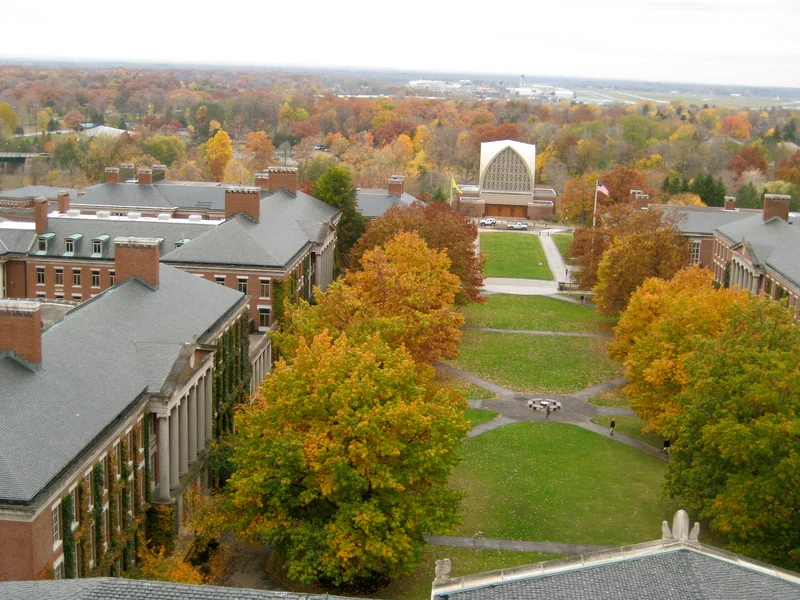
Close faculty relationships, undergraduate research and competitive athletics appeal to students who want substantial academic and athletic commitments.
Athletes choose Babson for competitive athletics, entrepreneurial learning, a close-knit community and strong business career outcomes.
Athletes choose Stevens for technology-focused academics, competitive athletics and career opportunities near New York City.
Competitive athletics, close faculty access and city career opportunities appeal to athletes who want demanding academics.
Flexible academic choices and research opportunities appeal to athletes who want serious study alongside competitive athletics.
An open curriculum and residential community give athletes room to explore while competing in the Liberty League.
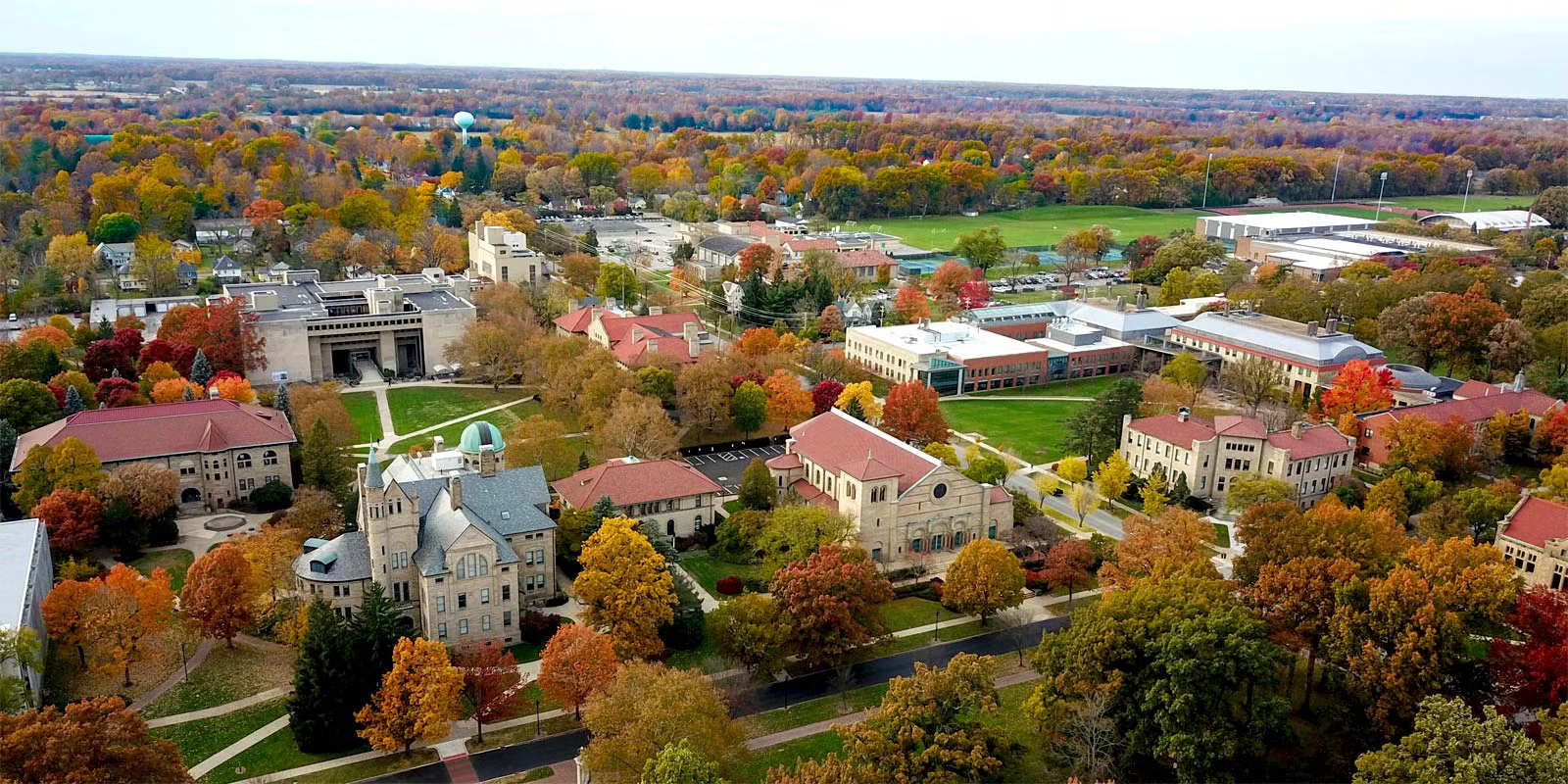
Athletes choose Oberlin for demanding academics, close faculty relationships and a campus shaped by music and activism.
Close faculty relationships, interdisciplinary study and NESCAC competition appeal to athletes seeking a small residential college.
Rigorous academics, collaborative campus life and Boston access appeal to athletes who want more than competition.
An open curriculum and close faculty relationships appeal to athletes seeking demanding academics alongside NESCAC competition.
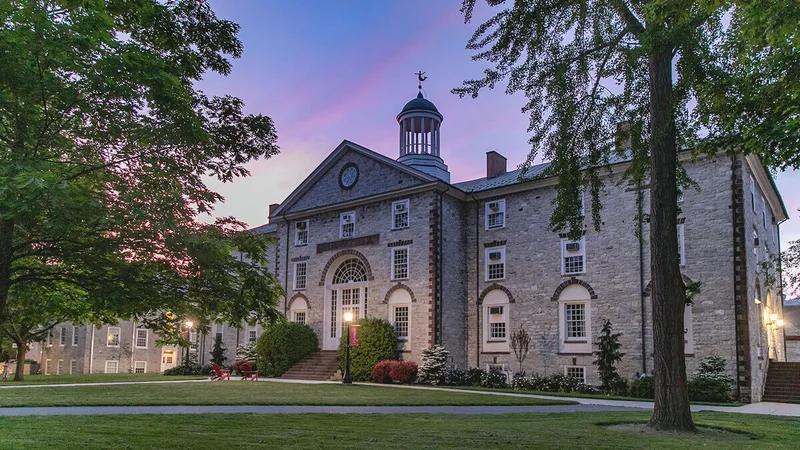
Global learning, a close-knit campus and competitive conference programs give athletes reasons to consider Dickinson.
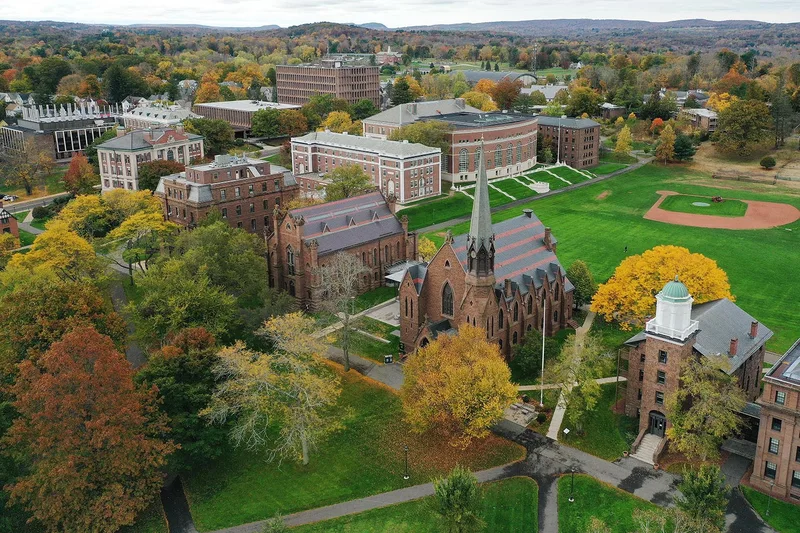
Close faculty relationships, NESCAC competition and Hartford internship opportunities appeal to athletes seeking a demanding liberal arts experience.
Three ways to start
Pick the option that matches where you are, and we will show you the plan that fits.
Resources