What is Carnegie Mellon University best known for academically?
Carnegie Mellon University is best known for its strengths in computer science, engineering, business, fine arts, and interdisciplinary programs that combine technology with the arts and humanities.
How hard is it to get into Carnegie Mellon University?
Admission is highly selective, with successful applicants typically presenting strong grades in rigorous courses, high standardized test performance if submitted, and exceptional achievements in areas like research, leadership, the arts, or technology.
What is the campus environment like at Carnegie Mellon University?
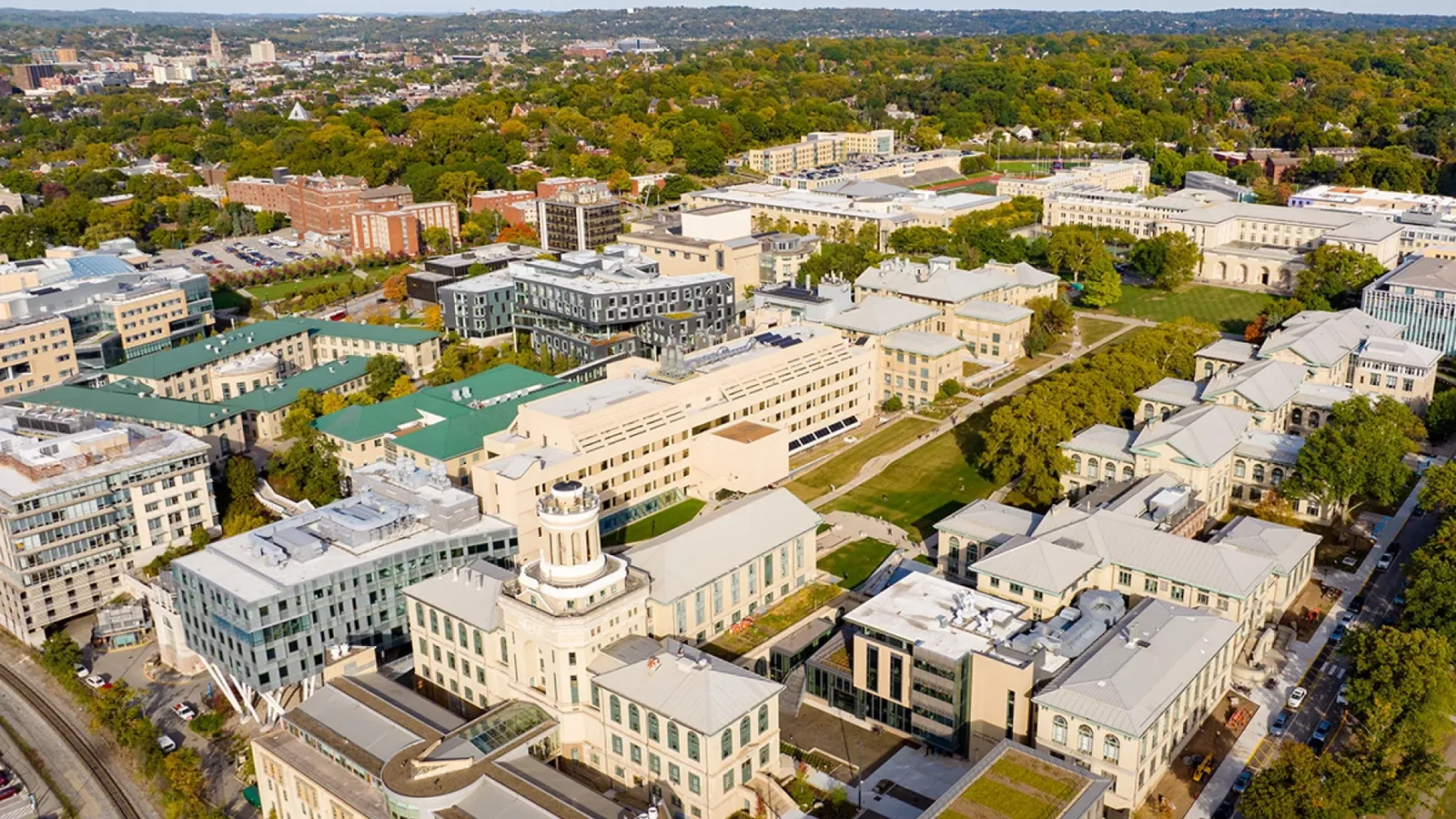
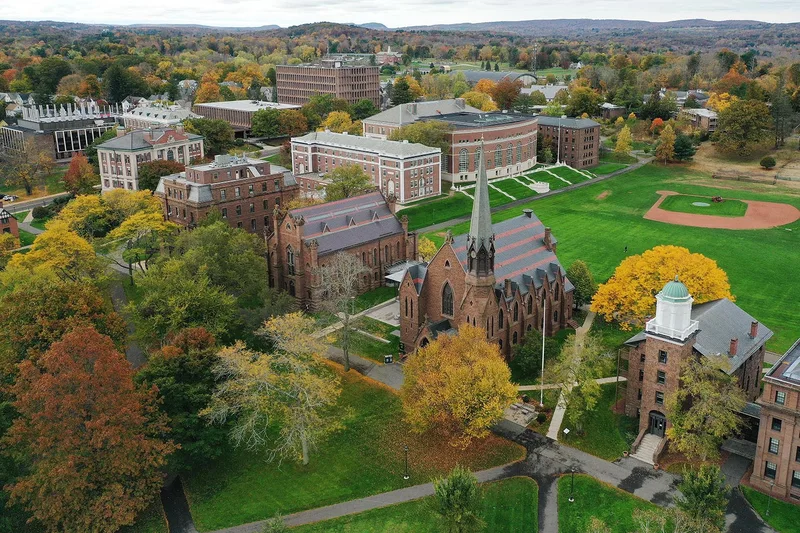
The campus offers an urban setting with a close-knit, collaborative community, blending a tech-focused culture with a vibrant arts scene and easy access to the amenities of Pittsburgh.
What majors and programs is Carnegie Mellon particularly strong in?
It is particularly strong in computer science, artificial intelligence, robotics, engineering disciplines, design, drama, music, business, information systems, and public policy, along with many interdisciplinary programs.
Does Carnegie Mellon University offer good research opportunities for undergraduates?
Undergraduates have broad access to research across fields such as computing, engineering, the sciences, social sciences, and the arts, often working closely with faculty on cutting-edge projects and lab work.
What is student life like at Carnegie Mellon University?
Student life is active and project-driven, with many students involved in research, hackathons, arts productions, student organizations, cultural groups, and traditions that emphasize creativity and collaboration.
Where is Carnegie Mellon University located and what is the surrounding area like?
It is located in the Oakland and Squirrel Hill area of Pittsburgh, surrounded by other universities, museums, parks, and cultural institutions, giving students access to internships, entertainment, and outdoor activities.
Is Carnegie Mellon University good for engineering and computer science?
Engineering and computer science are among its most renowned areas, with rigorous curricula, strong industry connections, extensive research opportunities, and graduates who are highly sought after by employers and graduate programs.
What athletic division does Carnegie Mellon compete in?
Varsity teams compete in NCAA Division III, emphasizing a balance between academics and athletics and offering student-athletes competitive play without the obligations of athletic scholarships.
What athletic opportunities are available for students at Carnegie Mellon?
Students can participate in NCAA Division III varsity teams, club sports, and a wide range of intramural activities, with access to fitness facilities, recreational programs, and wellness resources on campus.
What is the typical class size and learning environment at Carnegie Mellon University?
Classes often combine lectures with smaller discussion or lab sections, creating an interactive learning environment where students can engage with faculty, collaborate on projects, and receive individualized feedback.
How strong are Carnegie Mellon University’s career outcomes and internships?
Career outcomes are consistently strong, with students securing internships and full-time roles in technology, finance, consulting, arts, public service, and other industries, supported by an active career services office and a global alumni network.