

Close faculty relationships and a residential women's college community complement competitive athletics and demanding liberal arts study.
- 2,275
- Students
- 36%
- Admit rate
- $26,441
- Net price
Browse programs
College directoryEvery program, filtered by what fits Sport directoryMen's and women's, every division State directoryPrograms in the states you would play inGo deeper
Major directoryYour major and your sport in one list Camp directoryID camps and showcases at college programs Conference directoryEvery conference and its member collegesOverview
Mission and culture
Bates College is a small liberal arts college in Lewiston, Maine, combining rigorous academics with NCAA Division III competition in the New England Small College Athletic Conference. Close faculty relationships, a collaborative residential community and an emphasis on interdisciplinary study help define the experience.
Why athletes choose Bates College
Close faculty connections and a collaborative campus culture complement demanding academics and competitive NESCAC athletics.
Fit check
Pick a sport, your position and level, add a test score if you have one, and get an instant read on your chances here. Free, and no account needed.
Academics
Bates College pairs a demanding liberal arts curriculum with interdisciplinary study, community-engaged learning and a senior thesis or capstone, making academic curiosity central to your experience as an athlete.
Academic strength
A composite of graduation rate, earnings after college, how selective admissions are and how hard the coursework is.
Acceptance rate
More selectiveMore accessible
Admissions are highly selective, so recruits need standout academic preparation and accomplishments alongside their athletic potential.
Six-year graduation rate
0%100%
Strong graduation outcomes suggest an excellent path to completing your degree while maintaining your athletic commitments.
Academic difficulty
Rated 5 out of 5
Coursework is very challenging and time intensive, requiring careful planning around practices and competition.
Student to faculty ratio
students for every faculty member
Small classes make close mentoring likely, with opportunities to build meaningful faculty relationships throughout your studies.
Median earnings
per year, ten years after starting college
Six years after: $59,202Graduate earnings suggest solid outcomes, giving families a useful reason to consider long-term value alongside affordability.
Undergraduate enrollment
undergraduate students
The small undergraduate community offers a close-knit daily experience, especially for athletes who value familiar faces and personal connections.
SAT and ACT scores
Testing is optional, but the strong score profile suggests that recruits should bring excellent classroom preparation whether or not they submit results.
Most popular majors
Admissions
Preparing your application to Bates College means understanding deadlines by admission plan, test policy, application fees and recommendation requirements alongside the demands of recruiting.
Binding. If admitted, you commit to attend.
A second binding round with a later deadline.
The standard deadline. Not binding.
Majors
28 undergraduate majors across 4 academic areas.
No major matches that search.
Campus life
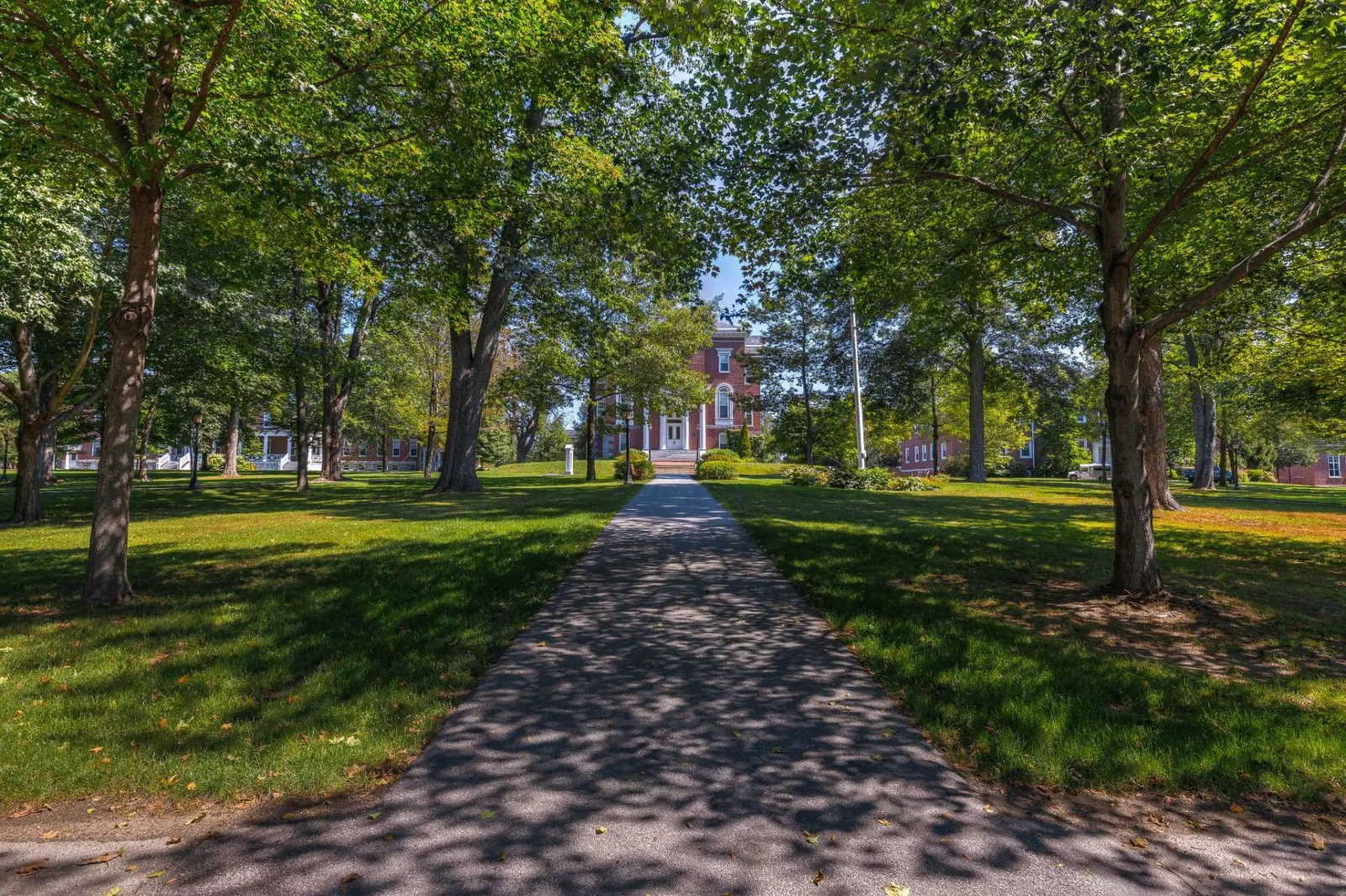
A small residential community in urban Lewiston brings students together through a shared dining hall, outdoor activities, arts and civic engagement.
Athletics
Competing in NCAA Division III within the New England Small College Athletic Conference, athletes balance competitive schedules with rigorous study in a small liberal arts environment.
Athletic department
The athletic department at Bates College supports competitive NCAA Division III programs, with this section examining athlete participation, department finances, recruiting investment and how athletic aid differs by gender.
Athletes
Recruiting spend
Source: the federal Equity in Athletics report, 2025.
Cost
At Bates College, need-based aid can help reduce the published cost, so compare the net price after grants and available financial support before deciding whether attendance is affordable.
Average net price
What families pay on average after grants and scholarships, including tuition, housing and fees.
Published tuition
The sticker price a year, before any aid.
Financial aid
Need-based aid availableAthletic scholarships, where a program offers them, are awarded by the coaching staff and come on top of these figures.
NIL
NIL rating
Bates College in Lewiston, Maine offers a growing but small-scale name, image and likeness (NIL) environment typical of a highly academic NCAA Division III program. Student-athletes in a range of Bates College sports can explore individualized NIL opportunities that fit well with the tight-knit campus and local community.
See the full NIL breakdownStudent fit
The kind of student-athlete who tends to do well at Bates College.
Bates College fits athletes who want competitive NCAA Division III athletics in the NESCAC while taking a demanding liberal arts education seriously. You should bring standout academic preparation, genuine curiosity across disciplines and the time-management habits needed to balance your sport with substantial coursework and a senior thesis or capstone. The small residential community in urban Lewiston suits students who prefer familiar faces, collaborative peers, close faculty relationships and opportunities for research or civic engagement. Families should be comfortable evaluating need-based aid rather than athletic scholarships, and athletes seeking a less intensive academic experience may find the workload a poor match.
Who thrives here
Driven Student AthletesRelationship Based LearnersOrganized Self StartersCommunity Oriented TeammatesAcademically Ambitious StudentsQuestions
It is best known for its strong liberal arts curriculum, rigorous academics, close faculty-student relationships, and an emphasis on critical thinking, writing, and undergraduate research across the humanities, social sciences, natural sciences, and interdisciplinary programs.
Admission is highly selective, with a holistic review that considers academic performance, rigor of coursework, recommendations, activities, and personal qualities. Strong grades in challenging classes and well-developed interests are important for competitive applicants.
It offers need-based financial aid to eligible students and is committed to meeting demonstrated financial need using a combination of grants, work-study, and limited loans. Merit aid is less common than need-based aid, and families should submit required financial aid forms by published deadlines.
Students who thrive are typically intellectually curious, collaborative, and engaged in their communities. Those who value small classes, close interaction with professors, a strong sense of community, and opportunities for research, leadership, and service tend to do well.
Campus life is residential and close-knit, with most students living on or near campus. There are many student-run clubs, arts and music groups, outdoor and environmental organizations, identity-based groups, and community engagement opportunities, creating an active social and co-curricular scene.
Popular areas of study often include economics, politics, psychology, biology, environmental studies, and various interdisciplinary programs. Students also commonly pursue double majors or combine a major with a minor to tailor their academic paths.
Graduates benefit from a dedicated career services office, strong alumni network, and robust internship and research opportunities. Many students complete internships during college, and alumni go on to careers in fields such as finance, consulting, education, nonprofits, public service, technology, and graduate or professional school.
Students typically experience small, discussion-based classes and accessible professors who know them by name. Office hours, research collaborations, and advising relationships are central to the academic experience, allowing for personalized attention and mentorship.
Housing is primarily residential, with a mix of traditional residence halls and themed or interest-based living options. Dining emphasizes community meals, with campus dining halls known for accommodating various dietary needs and providing a wide range of fresh and sustainable food options.
As an NCAA Division III institution, it offers a broad range of varsity sports along with club and intramural options. Student-athletes balance academics and athletics, with an emphasis on academic achievement, competitive play, and strong school spirit rather than athletic scholarships.
Student-athletes receive the same rigorous academic experience as all students, supported by faculty advising, tutoring and writing support, and flexible but structured communication around travel and competition. The culture emphasizes time management, academic responsibility, and collaboration between coaches and academic staff.
It is located in Lewiston in southern Maine, offering a blend of a small-city environment with easy access to outdoor recreation. Students can enjoy local restaurants, arts and cultural events, community partnerships, and short trips to coastal areas, mountains, and the city of Portland.
Compare
Other colleges worth comparing with Bates College.
Close faculty relationships and a residential women's college community complement competitive athletics and demanding liberal arts study.
An open curriculum, close faculty connections and competitive NESCAC athletics appeal to academically driven recruits.
Close faculty relationships, globally focused academics and Twin Cities opportunities complement competitive Division III athletics here.
Close faculty relationships and Los Angeles opportunities complement a residential liberal arts experience and Division III competition.
Close faculty relationships, NESCAC competition and Hartford internship opportunities appeal to athletes seeking a demanding liberal arts experience.
An open curriculum and close faculty relationships appeal to athletes seeking demanding academics alongside NESCAC competition.
Close faculty relationships, interdisciplinary study and NESCAC competition appeal to athletes seeking a small residential college.
Athletes choose Smith for academic flexibility, faculty connections and a women's college community alongside competitive athletics.
Competitive athletics, close academic mentoring and a trust-centered residential community give recruits distinct reasons to consider Haverford.
Engineering, close faculty relationships and a residential campus with city access give athletes distinct reasons to consider Union.
Rigorous academics, close mentoring and competitive NESCAC athletics appeal to recruits seeking a connected campus community.
Close faculty mentorship and rigorous liberal arts study appeal to athletes seeking an academically focused college experience.
Three ways to start
Pick the option that matches where you are, and we will show you the plan that fits.
Resources