Youth campBasketball · Men's
Coach Z's Basketball Camp - Session I
- Jun 1 to 4, 2026
Multi-day boys basketball camp run by Coach Z (Jason Zimmerman) focusing on fundamentals, drills, and team play.
Browse programs
College directoryEvery program, filtered by what fits Sport directoryMen's and women's, every division State directoryPrograms in the states you would play inGo deeper
Major directoryYour major and your sport in one list Camp directoryID camps and showcases at college programs Conference directoryEvery conference and its member collegesOverview
Mission and culture
Emory University is a private research university in Atlanta that combines demanding academics with successful NCAA Division III athletics in the University Athletic Association. Its strengths in health sciences and business, research opportunities and active residential campus make it worth considering if academics are central to your college search.
Why athletes choose Emory University
Strong academics, established athletic success and Atlanta internship access appeal to recruits who want a demanding college experience.
Fit check
Pick a sport, your position and level, add a test score if you have one, and get an instant read on your chances here. Free, and no account needed.
Academics
Emory University combines rigorous coursework with strengths in health sciences and business, making academic preparation, major selection and the balance between classroom expectations and athletic commitments especially important for recruits.
Academic strength
A composite of graduation rate, earnings after college, how selective admissions are and how hard the coursework is.
Acceptance rate
More selectiveMore accessible
Admissions are highly selective, so recruits should bring standout classroom achievement and accomplishments rather than rely on athletic ability alone.
Six-year graduation rate
0%100%
Students have an excellent chance of completing their degrees, supporting a clear academic path alongside athletic commitments.
Academic difficulty
Rated 5 out of 5
Very challenging coursework demands substantial study time and careful planning around practices and travel.
Student to faculty ratio
students for every faculty member
A personal academic environment makes close faculty mentoring likely, which can help when coursework and competition overlap.
Median earnings
per year, ten years after starting college
Six years after: $74,980Strong graduate earnings support the value case, though your major and financial aid package still matter.
Undergraduate enrollment
undergraduate students
The medium-sized undergraduate community offers variety without an overwhelming scale, helping athletes build connections beyond their own programs.
SAT and ACT scores
Testing is optional, but the strong score profile signals high academic expectations, so submitted scores should reinforce an already competitive classroom record.
Most popular majors
Admissions
Prepare your application to Emory University by reviewing deadlines by plan, test policy, application fees and recommendation requirements alongside your conversations with recruiting coaches.
Binding. If admitted, you commit to attend.
A second binding round with a later deadline.
The standard deadline. Not binding.
Majors
44 undergraduate majors across 5 academic areas.
No major matches that search.
Campus life
An active residential campus brings student organizations and athletics together, while Atlanta adds cultural and social options beyond the medium-sized undergraduate community.
Athletics
Competing in NCAA Division III's University Athletic Association, the program pairs rigorous academics with nationally successful athletics, particularly in swimming and diving, tennis and women's golf.
Athletic department
Explore how Emory University supports its competitive NCAA Division III program through department revenue, recruiting expenditures and the distribution of resources across men's and women's athletics, including athletic aid.
Athletes
Recruiting spend
Source: the federal Equity in Athletics report, 2025.
Cost
At Emory University, compare the published cost with the price after grants, accounting for available need-based and merit-based aid while recognizing that athletic scholarships are not offered.
Average net price
What families pay on average after grants and scholarships, including tuition, housing and fees.
Published tuition
The sticker price a year, before any aid.
Financial aid
Need-based and merit-based aid availableAthletic scholarships, where a program offers them, are awarded by the coaching staff and come on top of these figures.
NIL
NIL rating
Emory University in Atlanta, Georgia offers a strong name, image and likeness (NIL) environment for a highly competitive NCAA Division III program. Student‑athletes across Emory’s college sports can benefit from the large media market and professional networking culture found in Atlanta.
See the full NIL breakdownStudent fit
The kind of student-athlete who tends to do well at Emory University.
Emory University best fits athletes who want successful NCAA Division III competition while making demanding academics a central part of their college experience. Strong students interested in health sciences, business or research can find a compelling match, especially if they value close faculty contact and are prepared to organize substantial study time around training and travel. The medium-sized residential community suits someone who wants campus connections plus access to Atlanta's internships, culture and social life. It is less suitable for families relying on athletic scholarships or recruits seeking a lighter academic workload, so academic readiness and the financial aid offer deserve careful attention.
Who thrives here
Serious Students FirstOrganized Self StartersHealth Sciences FocusBusiness DrivenBig City OpportunityCamps
Emory University has not posted new camp dates yet. These ran last season.
Multi-day boys basketball camp run by Coach Z (Jason Zimmerman) focusing on fundamentals, drills, and team play.
Four-day youth baseball camp for rising 1st-8th graders focusing on skill development, drills, and game play.
Multi-day boys basketball camp run by Coach Z (Jason Zimmerman) focusing on fundamentals, drills, and team play.
Questions
It is best known for strong programs in the liberal arts, business, and the health sciences, with particular strengths in pre-med, biology, public health, and law. Students benefit from rigorous academics, close faculty interaction, and research opportunities across many disciplines.
Admission is highly selective. Successful applicants typically have excellent grades in challenging courses, strong standardized test scores if submitted, and standout essays and activities that show intellectual curiosity, impact, and fit with the institution’s values.
Student life blends a close-knit campus community with access to the cultural, professional, and social opportunities of Atlanta. Students engage in clubs, service, research, arts, Greek life, and campus traditions, with a residential culture that supports both academic focus and social connection.
The university is located in a tree-lined residential area of Atlanta, Georgia, not far from the city’s major business, cultural, and healthcare districts. Students enjoy a quiet campus environment with easy access to museums, internships, restaurants, and entertainment in a major metropolitan area.
Students who thrive are typically intellectually driven, collaborative, and open to interdisciplinary study. They value both academic rigor and community engagement and often balance classroom work with research, internships, and service in Atlanta and beyond.
Yes. There are robust pre-med and health-related pathways supported by rigorous coursework, advising, clinical exposure, and research opportunities through affiliated hospitals, clinics, and public health initiatives in the Atlanta area.
Most first-year students live in residence halls designed to build community and support academic success. Upper-level students can choose from a mix of residence halls and apartment-style options, with housing programs that often include themed communities and learning-focused living environments.
Undergraduates can pursue research across the sciences, social sciences, humanities, and arts by working alongside faculty, joining lab groups, or applying for funded fellowships. Many students begin research early in their college careers and present their work at campus symposia or professional conferences.
It competes in NCAA Division III, which emphasizes a balance between academics and athletics. Student-athletes train and compete at a high level while maintaining a full academic load, without athletic scholarships, and often participate fully in campus life outside of their sport.
Varsity teams practice and compete in a structured, competitive environment with access to quality coaching, training facilities, and sports medicine support. The focus is on developing as both a student and an athlete, with schedules designed to accommodate academic responsibilities.
Students benefit from a strong alumni network and career services that connect them to internships, research positions, and jobs in fields such as healthcare, consulting, finance, nonprofits, and technology. The Atlanta location provides additional access to major employers, startups, and cultural institutions.
Students can choose from a wide range of study abroad options and global learning programs, including semester, summer, and faculty-led experiences. These programs allow students to earn credit while gaining international perspective and language or cultural immersion relevant to their academic and career goals.
Compare
Other colleges worth comparing with Emory University.
Strong academics, close faculty relationships and competitive athletics draw recruits who want substantial challenges beyond their sport.
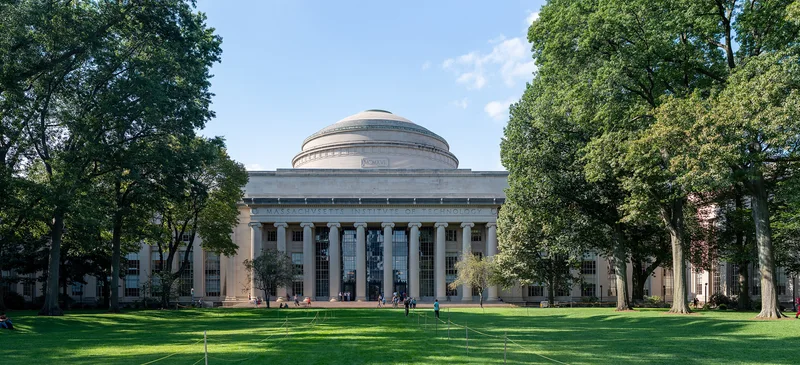
Athletes choose this research-focused environment for challenging academics, collaborative peers and competitive sport in urban Cambridge.
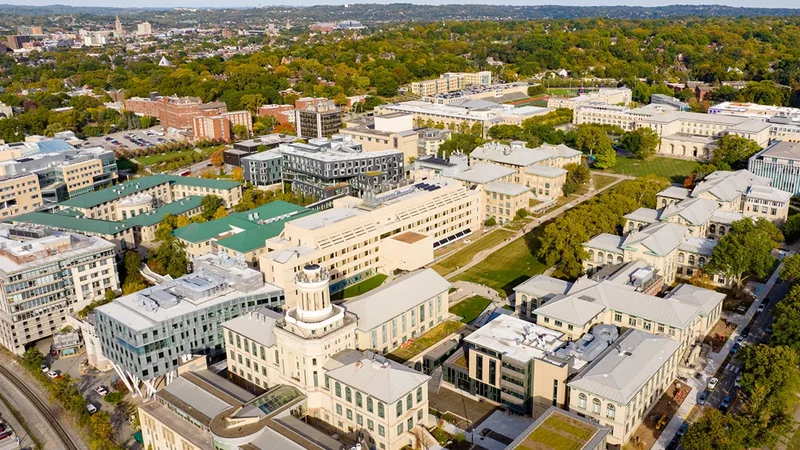
Technical depth, competitive athletics and Pittsburgh career opportunities appeal to athletes ready for a demanding academic experience.
Research opportunities, strong career outcomes and urban access appeal to athletes who take academics as seriously as competition.
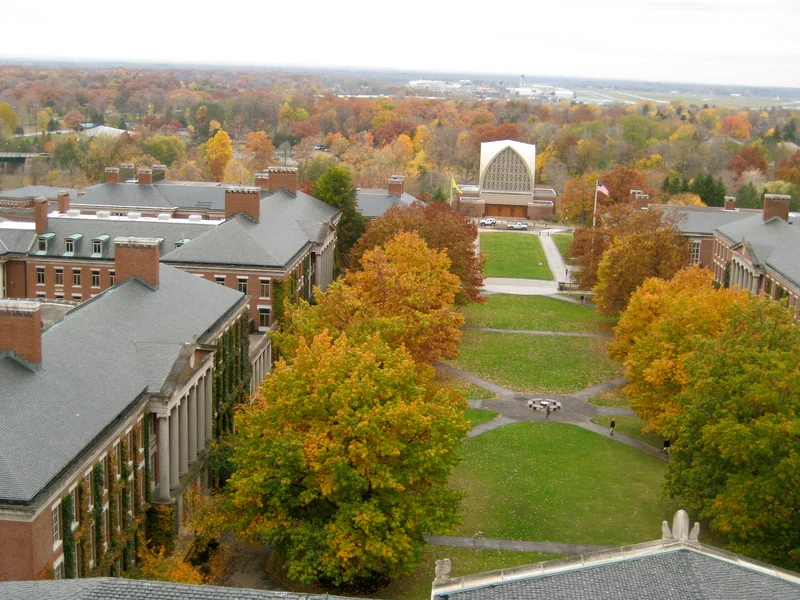
Flexible academic choices and research opportunities appeal to athletes who want serious study alongside competitive athletics.
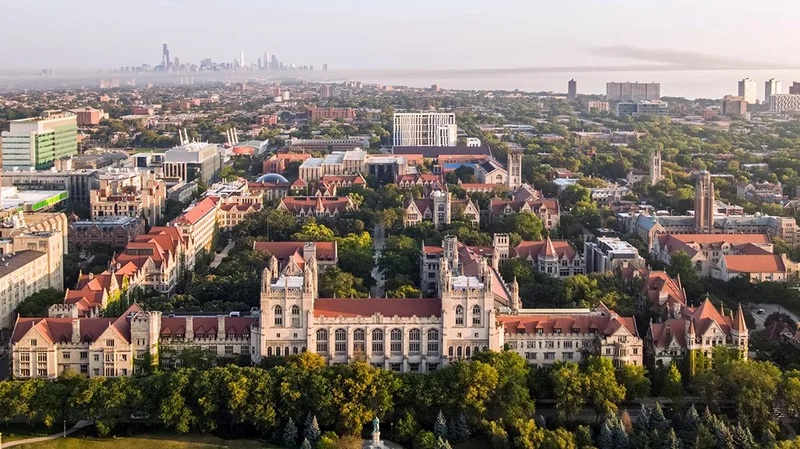
Rigorous academics, competitive athletics and Chicago access appeal to recruits who want intellectual challenge alongside sport.
Rigorous academics, collaborative campus life and Boston access appeal to athletes who want more than competition.
Research strengths, close faculty access and competitive athletics appeal to recruits ready for demanding academic work.
Athletes choose Wellesley for demanding academics, competitive athletics, close faculty relationships and a residential community near Boston.
Close faculty relationships, demanding academics and conference competition appeal to athletes who want a residential liberal arts experience.
Close faculty relationships and Centennial Conference competition appeal to athletes who want demanding academics alongside their sport.
Competitive athletics, close academic mentoring and a trust-centered residential community give recruits distinct reasons to consider Haverford.
Three ways to start
Pick the option that matches where you are, and we will show you the plan that fits.
Resources