Insight
Men's Lacrosse Recruiting: What College Coaches Really Evaluate
A clear guide to men's lacrosse recruiting, including coach expectations, position traits, school fit, timelines, and mistakes families should avoid.
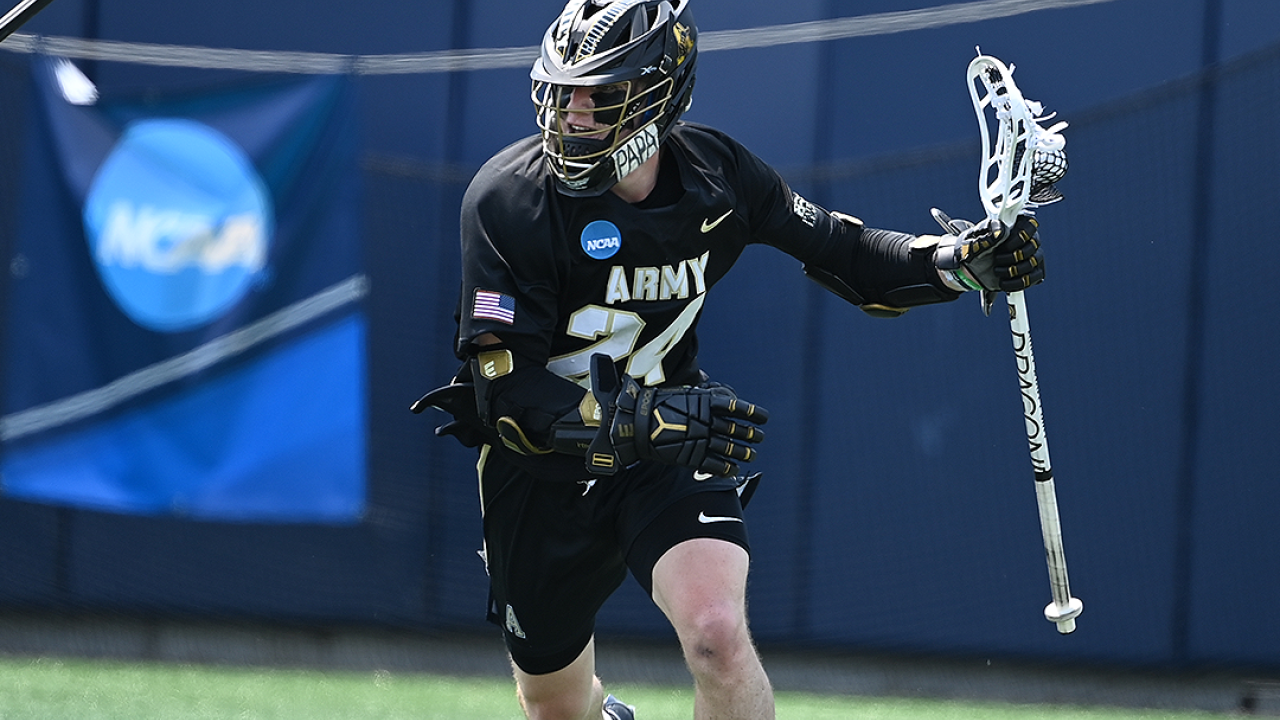
Men's lacrosse recruiting is one of the most misunderstood processes in college sports. From the outside, it can look like summer tournaments, highlight clips, and social media buzz. From a coach's side, it is usually much more specific than that. Staffs are trying to project whether a player can handle the speed of the college game, fit a system, survive the academic side, and keep developing after high school.
That gap creates a lot of confusion for families. A player can be productive in high school and still be hard to place. Another player can have modest point totals but become a strong recruit because his film, athletic tools, and club context translate better to the next level.
One more thing makes the sport tricky. The men's game is still somewhat regional, even as it grows nationally. Participation data from the NFHS participation survey shows a large high school player pool, but the number of college opportunities is much smaller when you compare it with sponsorship pages from the NCAA and the NAIA. That is why fit matters more than hype.
Families often want the whole picture in one place, which is why a question like How does men's lacrosse recruiting usually work from first outreach to commitment? tends to come up early.
In many sports, high school seasons carry most of the recruiting weight. In lacrosse, club play and summer evaluation windows often drive a huge part of the process. Coaches want repeated looks. They want to see who a player is against strong competition, not just a great quarter or a hot weekend.
That is part of why families can misread interest. A camp invite, a social media follow, or a short message is not the same as sustained evaluation. Real interest usually looks more consistent. A staff keeps watching, asks updated questions, tracks academics, and checks how a player performs over time.
Geography matters too. Men's lacrosse has expanded, but many coaches still recruit heavily from established club pipelines and traditional regions. That does not mean players outside those areas cannot get recruited. It does mean they usually need stronger film, clearer communication, and a more intentional school list.
Another difference is how position-specific the evaluation can become. In a lot of sports, coaches can talk generally about athleticism. In men's lacrosse, a coach might like a player overall but still pass because his role projects differently at the college level. A high school midfielder might really be a short-stick defensive midfielder in college. A scorer might become an off-ball finisher instead of a primary dodger. A long-stick defender might rise because of ground ball play and transition value, even if his stat line looks quiet.
Most college staffs are not just counting goals, assists, or all-conference honors. They are studying whether the player's habits, decisions, movement, and physical traits translate upward. They also care about how the player competes when the game gets fast and messy.
The common traits that show up across positions are pretty consistent.
• Competitive motor, especially between possessions.
• Decision-making under pressure, not just skill in open space.
• Pace and change of direction that still work against better athletes.
• Comfort playing within a system, not just freelancing.
• Coachability, body language, and response after mistakes.
• Academic reliability, because coaches do not want admissions or eligibility surprises late in the process.
For offensive players, coaches want more than highlight finishes. They watch how an attackman dodges into pressure, moves without the ball, reads slides, feeds on time, and creates efficient chances. For midfielders, the two-way piece matters. Can he ride? Can he defend honestly? Can he keep pace in transition? Can he shoot on the move without disappearing when possessions get physical?
A midfielder who can do many things well often becomes more recruitable than a pure scorer who needs the ball every time down. Coaches love production, but they recruit roles. If your best film only shows touches in easy space, it may not answer the real evaluation questions.
Defense recruits get judged on footwork, recovery speed, leverage, toughness, communication, and what happens after the first move. A flashy takeaway is nice. Trustworthy positioning is better. Long-stick midfielders get a bump when they can cover in space, scoop in traffic, and turn stops into transition.
Faceoff players are even more specialized. Coaches care about technique, counters, ground ball follow-up, wing awareness, and whether a player can survive when an opponent adjusts. A dominant high school percentage does not always translate if the film lacks context or the level of competition is weak.
Goalie recruiting can be brutally honest. Coaches look at save technique, command of the defense, outlet decisions, clearing confidence, rebound control, and how calm the player stays after allowing a bad goal. Goalies with strong communication and clean fundamentals sometimes out-recruit more athletic goalies who are chaotic in the cage.
That position-specific lens is why families often ask, What do college coaches look for most in attackmen, midfielders, defenders, faceoff specialists, and goalies?
Most players get discovered through a mix of club competition, film, direct coach communication, and repeated live evaluation. That mix can vary by level, but it almost never comes down to one magic exposure event.
Club lacrosse matters because it places prospects against better competition and in front of more college staffs at once. High school lacrosse still matters, especially for local programs or strong traditional powers, but club schedules often supply the cross-check that coaches want before they push harder.
Film is also huge, especially for players outside major recruiting regions. Good film is short, clear, position-specific, and honest. Coaches do not need three minutes of celebration clips, slow-motion edits, or music-driven production. They need to see the actual skill, the decision, and the pace of the play.
Direct outreach matters more than many players think. Coaches notice athletes who communicate like mature students, not like people blasting copy-and-paste messages to every program in the country. A strong introductory email usually includes academic basics, graduation year, club information, measurable context, position, upcoming schedule, and a clean film link.
Families should also remember that eligibility and admissions never disappear from the conversation. Even in early stages, staffs want to know whether a player is moving toward a realistic academic path. For current NCAA requirements, official information lives at the NCAA Eligibility Center.
Not every recruit is chasing the same experience, and not every college coach is building a roster the same way. That matters a lot in lacrosse, where the gap between one level and the next can be about more than talent alone. It can be about admissions, style of play, geography, culture, and how late a staff is willing to recruit.
At the Division I level, the margin for error is small. Coaches usually identify top prospects early, and they care about whether a player can handle elite speed, physicality, and pace. Many D1 recruits come from strong club programs and have been evaluated repeatedly over time. That does not mean late bloomers never happen. It does mean the window is tighter.
Division II can still be very athletic and very serious. Some D2 staffs recruit nationally. Others build more regionally. For a lot of players, D2 is a smart target because it offers strong lacrosse without the absolute depth chart pressure of the highest-profile D1 programs.
Division III is where many families learn that strong academics and strong lacrosse can absolutely coexist. The range is huge, though. Top D3 programs are highly competitive, and many recruit players who easily could have landed elsewhere. The difference is often about academic environment, campus feel, and the kind of college experience the player wants.
NAIA programs remain overlooked by too many families. In reality, they can offer meaningful opportunities for players who want college lacrosse and a different kind of campus fit. The best NAIA options are not fallback choices. They are real homes for recruits whose priorities line up with those programs.
A broader search through the Pathley Sport Directory often reveals how many more lacrosse options exist once families stop focusing only on a handful of famous brands. Comparing academics, location, and school size in the Pathley College Directory can also help keep the list grounded in reality.
The biggest mistake in men's lacrosse recruiting is building a dream list with no middle ground. Plenty of athletes are good enough to play college lacrosse, but not at the exact programs they imagined as sophomores.
That is why a question like Which college levels are usually the most realistic fit for men's lacrosse recruits who are not blue-chip prospects? is often far more useful than asking whether Division I is still possible.
Good communication does not sound desperate, and it does not sound entitled. It sounds informed. The athlete knows why he is reaching out, what level he may fit, and what information a coach actually needs.
A useful message is short enough to read on a phone but specific enough to be worth a response. That means the player identifies position, grad year, club team, academic basics, location, and film link without making the coach hunt for context.
Updates matter too. Coaches do not need a message every week. They do care about meaningful changes, new film, strong academic updates, all-league recognition, improved speed or strength markers, and summer event schedules.
Players should also ask better questions. Instead of asking whether a coach thinks they are good enough, they can ask about playing style, roster building philosophy, academic expectations, or what traits the staff values at that position. Families who want a feel for the questions others are asking often compare them against the Family Recruiting Q&A as a reality check.
One of the most useful communication questions is How should a men's lacrosse player introduce himself to college coaches without sounding generic?
Some mistakes show up in almost every recruiting cycle, regardless of talent level.
• Chasing only nationally ranked brands, even when the academic or athletic fit is shaky.
• Assuming points alone will outweigh film, pace, decision-making, or club context.
• Waiting too long to build a wider list because one or two favorite schools seem exciting.
• Treating camp invites, questionnaire replies, or social media follows like real recruiting traction.
• Sending long emails that bury the key information a coach actually wants.
• Ignoring academics until late, even though admissions and eligibility shape who a coach can seriously recruit.
• Forgetting that college staffs recruit future role players, not just current stars.
The families who handle this well tend to stay honest. They keep updating the school list as new information comes in. They do not cling to a version of the athlete from a year ago. If the game has grown, they raise the target level. If the market feels quieter than expected, they expand the search instead of pretending nothing has changed.
Early in high school, the goal is usually foundation. Players are developing stick skill, athletic traits, academic habits, and quality film. They may hear plenty of opinions from parents on the sideline, club coaches, or older players, but very little of it matters if the actual level has not been established yet.
By the middle of high school, fit starts to matter more than fantasy. Coaches want more complete players, and families need better answers about level, geography, and academics. This is often when the list should widen, not narrow.
Later in the process, clarity becomes everything. Coaches want timely responses, clean information, updated transcripts, event schedules, and players who understand what kind of program they are pursuing. The athletes who stay organized usually look more recruitable because they make it easier for a staff to evaluate them seriously.
When families are stuck between patience and urgency, a useful question is When should a men's lacrosse player widen his college list instead of waiting on a few dream schools?
The smartest families treat men's lacrosse recruiting as a matching process, not a popularity contest. Real recruiting is not about collecting the most camp invites, the flashiest social media attention, or the biggest logo on a hoodie. It is about finding the programs where the player's actual game, academic profile, growth curve, and goals line up.
If there is one thing to remember, it is this. Being clearly recruitable for a wider range of good-fit programs is far more valuable than being vaguely interesting to a few dream schools. Honest evaluation wins. Good film wins. Thoughtful communication wins. A realistic school list wins.
Rosters, coaches, and division breakdowns for every NCAA and NAIA program we track.