Insight
Colleges That Recruit Texas Baseball Players: D1 2026-27
See which D1 colleges recruit Texas baseball players most. 474 rostered players are from Texas, and 82 programs outside the state have at least one.
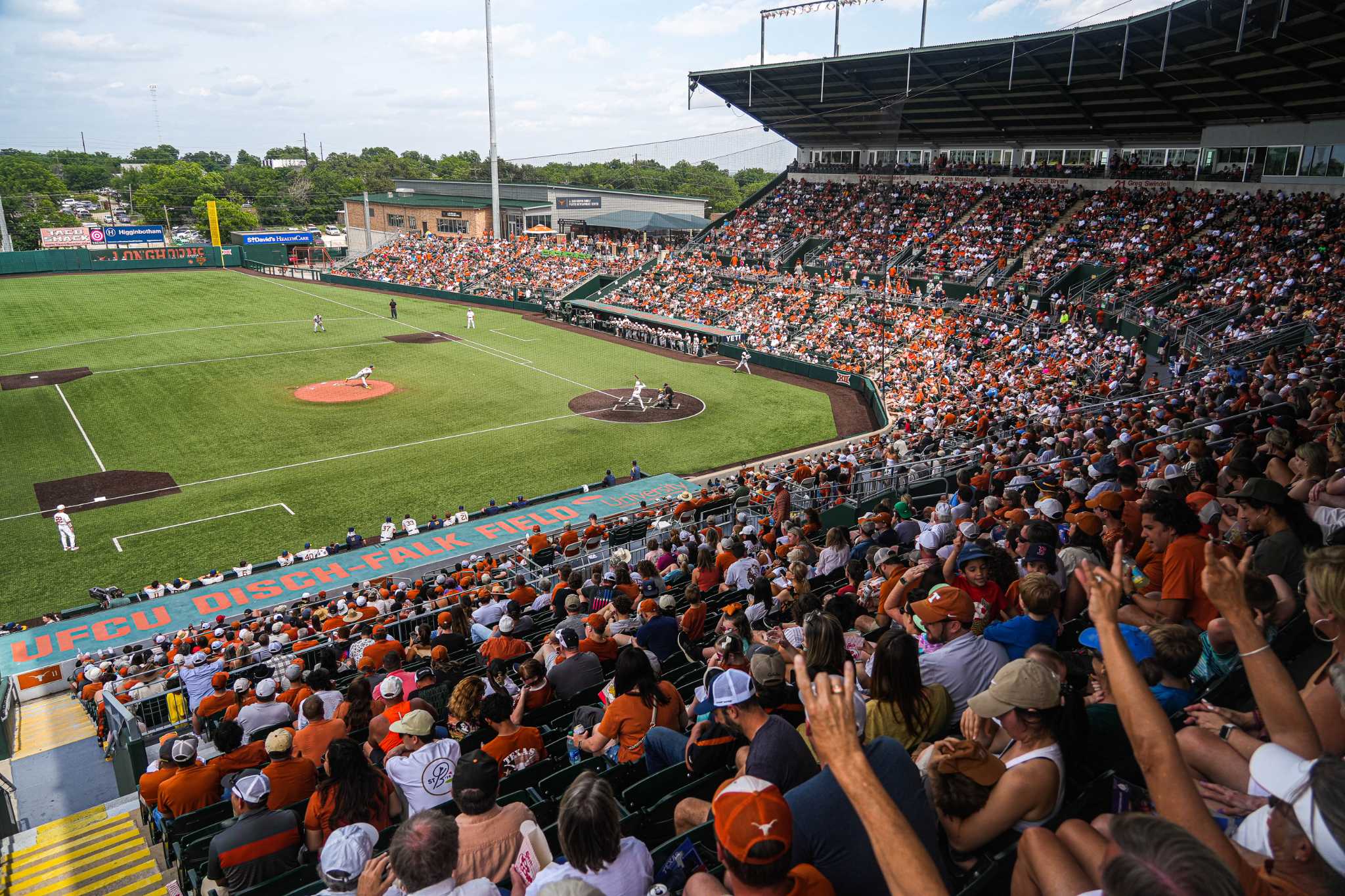
Pathley looked at the hometown listed for every player on current 2026-27 D1 baseball rosters, then counted the players from one state: Texas. The table below ranks the 15 programs with the most players from Texas. It also shows where each program is located and what share of its roster those Texas players make up.
If you play high school baseball in Texas, this is a practical map of the colleges that recruit Texas baseball players most heavily right now. It shows where Texas players are already common in a clubhouse, and it shows that the list does not stop at the state line. Five of the 15 programs in the table are located outside Texas.
The ranking alone will not tell you where to commit. It tells you which programs already carry a lot of players from your state, which is one useful signal of where a Texas player can fit. You still have to check level, position and class years, and many athletes start with a simple question: How do I know if a D1 baseball program is a realistic level for me?
Pathley read the current 2026-27 rosters of 169 D1 baseball programs. Of those, 166 rosters list hometowns for most of their players, covering 6,068 players. That group is the base for the division-wide numbers in this post.
A player counts as from Texas when the roster lists a hometown in Texas. The table counts hometowns only. It does not show how a player arrived, whether as a freshman out of high school or as a transfer from another college, and it does not show class year or position.
School state is where the program is located. Share of roster shows the Texas players as a portion of that program's roster. Rosters do not always list every hometown, so when a share looks unusually high, open the roster and count for yourself.
| # | Program | School state | Players from Texas | Share of roster |
|---|---|---|---|---|
| 1 | Texas State University | TX | 33 | 87% |
| 2 | Sam Houston State University | TX | 31 | 86% |
| 3 | Rice University | TX | 31 | 70% |
| 4 | Abilene Christian University | TX | 29 | 81% |
| 5 | University of Texas at Arlington | TX | 26 | 76% |
| 6 | The University of Oklahoma | OK | 19 | 49% |
| 7 | University of Texas at Austin | TX | 19 | 49% |
| 8 | University of Houston | TX | 19 | 46% |
| 9 | Texas Christian University | TX | 19 | 45% |
| 10 | University of Texas at San Antonio | TX | 18 | 100% |
| 11 | University of Louisiana at Lafayette | LA | 11 | 30% |
| 12 | University of Southern Indiana | IN | 10 | 24% |
| 13 | University of Louisiana at Monroe | LA | 10 | 23% |
| 14 | Austin Peay State University | TN | 8 | 21% |
| 15 | Oral Roberts University | OK | 7 | 21% |
Read the table in two directions. The players column tells you how many Texas players a program has in total, and the share column tells you how much of the clubhouse that represents. A program can rank high on one and lower on the other.
Texas State University leads with 33 players from Texas, which is 87% of its roster. Sam Houston State University and Rice University each have 31 Texas players, but the shares are different: 86% at Sam Houston State and 70% at Rice. The count is the same, yet a larger part of the Rice roster comes from outside Texas.
The first five rows are all Texas programs, and 10 of the 15 rows are. University of Texas at San Antonio has 18 Texas players and a listed share of 100%, the highest in the table. That is exactly the kind of figure worth checking on the roster itself before you read too much into it.
The University of Oklahoma has 19 players from Texas, 49% of its roster, the most of any program located outside Texas. It ranks sixth overall and has the same count of 19 as the three Texas programs listed right after it.
The next out-of-state programs are University of Louisiana at Lafayette with 11 Texas players (30%) and University of Louisiana at Monroe with 10 (23%). The gap between Oklahoma and Lafayette is 8 players, so Oklahoma stands well apart from the rest of the out-of-state group.
Two of the five out-of-state programs are in Oklahoma and two are in Louisiana, the states that border Texas to the north and east. The list also reaches farther: University of Southern Indiana has 10 Texas players (24%), and a program in Tennessee has 8.
Across the 6,068 players with listed hometowns, 474 are from Texas, which is 7.8%. A total of 92 programs have at least one player from Texas, and 82 of those are located outside the state. Most programs with a Texas player on the roster, in other words, are not Texas schools.
That last number matters for your list. Only five out-of-state programs made this table, which leaves 77 more out-of-state programs with at least one Texas player, each with no more than the 7 in the table's last row. A program with two or three Texas players is not closed to you, and it may be a better fit than a program near the top. Before you narrow things down, it helps to ask How can I tell whether a college baseball team needs players at my position?
Open the team page for any program that interests you and look at three columns together: hometown, position and class year. The count in this table is a starting point. The roster tells you whether the Texas players are spread across the field or bunched at one spot, and whether they are older or younger. If you have not done this before, Pathley's guide on how to read a college roster for recruiting walks through it step by step.
A high number of Texas players tells you a program is used to Texas athletes. It does not tell you whether there is room for you. Check these before you put a school on your list:
• Class years at your position. Count the seniors and graduate students who play your position. They are in their final listed year, but some may return with remaining eligibility, and coaches also add players through transfers, so treat a departure as a signal to look into, not a guaranteed spot.
• Freshmen and sophomores already at your position. A program with several young players at your spot has less need there than the overall roster suggests.
• Your own level. Compare your stats, velocity or exit speeds and competition with the players already on the roster. A share of Texas players says nothing about whether you match the program athletically.
• Programs outside this table. Use the list of every D1 baseball program to find schools at your level that are not ranked here, and check their rosters the same way.
To see where seniors and graduate students are concentrated across the division, Pathley's page on D1 baseball roster openings lists likely departures program by program. Pair it with this table to find schools that both carry Texas players and may need your position.
Once a program passes those checks, write to the coaching staff directly. Keep the first email short: your name, graduation year, position, hometown, high school and summer team, a few key numbers, and a link to recent video. Say specifically why that program fits you, such as the class years you noticed at your position on the current roster.
Send each email to one program at a time with the school's name in it, not a group message. If you do not hear back, follow up after a couple of weeks with something new, like updated numbers or a schedule of where you will play next. Pathley's guide to emailing college coaches has templates you can adapt. For when coaches are allowed to reply and contact you, check the baseball recruiting guide below rather than guessing.
The guide covers the rules and timing questions this post leaves out on purpose, so you can plan your outreach around the actual calendar for baseball.
For a Texas player, this table is a good place to start a list and a poor place to finish one. The programs at the top already carry many Texas players, and a few outside the state, led by Oklahoma, carry more than most. That makes them worth a close look.
The bigger lesson sits in the division-wide numbers. Texas players are spread across 92 programs, and 82 of those are outside Texas. The colleges that recruit Texas baseball players are not only the ones at the top of this ranking, and the right school for you depends on your level, your position and the class years on each roster, not on how many players share your home state.
Pick a handful of programs from the table and a handful from outside it, check each roster yourself, and write to the coaches where you see a real fit. When you get to that first message, a good question to work through is What should I include in my first email to a college baseball coach?