Pathley News
NCAA Roster Limits by Sport: Real Numbers & Strategy for Recruits
Understand NCAA roster limits by sport, how roster size really works across divisions, and how to use roster data to target the right programs as a recruit.

When families talk about college athletics, they usually obsess over scholarship money. But before a coach can give you a dollar, they have to give you something even more valuable: a roster spot.
Every team has a finite number of athletes it can realistically carry. In some sports the NCAA sets a hard cap. In others, finances, facilities, and coaching philosophy create natural limits. Either way, understanding NCAA roster limits by sport is one of the most underrated parts of smart recruiting.
If you want to play in college, you should be asking a simple question: How many realistic seats are actually on this team bus, and what would it take for me to earn one of them?
How do NCAA roster limits by sport affect my odds of making a college team in my position?
This article will walk you through how roster limits really work, typical roster sizes by sport and level, and how to use that information to build a smarter recruiting plan. We will also show you how Pathley uses real roster data to give you clarity that old school services cannot match.
First, a reality check. When people Google “NCAA roster limits by sport,” they often expect a simple master chart that says something like: Baseball 35, Soccer 26, Volleyball 18, and so on. The truth is more complicated.
There are three different concepts that get blended together:
• Scholarship limits. The maximum number of athletic scholarships a program can award. This is what most public charts focus on, but it has nothing to do with how many total athletes can be on the team. Many sports carry far more athletes than there are scholarships.
• Roster or squad limits. In a few sports, especially at the Division I level, the NCAA caps the official squad size. For example, Division I baseball has an official 35 player roster limit, even though the scholarship limit is lower. Other sports do not have a true NCAA cap, but may have postseason or travel squad limits.
• Practical roster size. Even without a written NCAA rule, each program has a point where adding another athlete does not make sense. Budgets, practice reps, facilities, and coaching bandwidth all create a natural ceiling.
The NCAA publishes participation and sport sponsorship research that is helpful for seeing how many athletes are playing each sport across divisions. You can explore this kind of data through official NCAA research on participation and demographics. It does not give you a perfect roster limit chart, but it does show where opportunities are more crowded or more open.
At the high school level, participation studies from organizations like the NFHS high school participation survey can give you a sense of how many athletes are chasing a finite number of college roster spots.
Even when there is an official NCAA cap, real world roster sizes still vary for several reasons.
A program can technically roster more athletes than it has scholarships available. But every athlete comes with costs: equipment, gear, meals, travel, medical support, and academic services. Some schools will choose to carry a big roster with many walk ons. Others will intentionally stay smaller so they can invest more per athlete.
This is why you might see one Division I baseball program sitting at the 35 player limit and another sitting closer to 30, even though the rule is the same.
Some coaches like deep benches and a big practice environment. Others prefer a tight rotation with fewer moving parts.
For example, a soccer coach who relies on heavy rotation and pressing might want a roster closer to 28 to 30 players. A coach who sticks with a core starting 11 may be comfortable around 23 to 25. Same sport, same division, but a very different feel if you are player number 24.
Indoor sports with limited court or floor space, like basketball or volleyball, naturally cannot run effective practices with 40 athletes. Outdoor sports with multiple event groups, like track and field, can spread athletes across jumps, throws, sprints, and distance, so carrying 60 or more is realistic at big programs.
Support staff matters too. A program with several paid assistants, graduate assistants, and strength coaches can manage a larger roster than a program where one or two coaches do everything.
Some schools use athletics to help meet enrollment goals. Division II and Division III programs in particular may welcome larger rosters because each additional student athlete is also a tuition paying student, even if they are not on a full scholarship. That can push rosters up in sports where NCAA rules do not impose a tight limit.
All of this is why NCAA roster limits by sport are better understood as “typical ranges plus a few hard caps” than as one simple official chart.
Instead of trying to pretend there is a single magic number for each sport, it is more honest and more useful to talk about typical roster ranges. These are not strict NCAA rules, but they reflect what you will see if you click through hundreds of rosters in the Pathley College Directory or on school websites.
Important: Always confirm current numbers with the specific program. Coached run their teams differently, and rules can change.
College football is its own universe. At the top level, Football Bowl Subdivision programs are managing 85 athletic scholarship players, plus walk ons. Total roster sizes can easily sit in the low 100s between scholarship athletes and walk ons, especially during preseason camp.
At smaller Division I programs, Division II, and Division III, you will still see very large rosters. It is common to see 90 to 120 athletes on the roster when you include developmental and junior varsity groups.
For recruits, this means two big things. First, there are lots of total spots, but competition for actual playing time can be fierce. Second, walk on pathways are real in football if you are honest about where you fit and how long you are willing to compete before seeing the field.
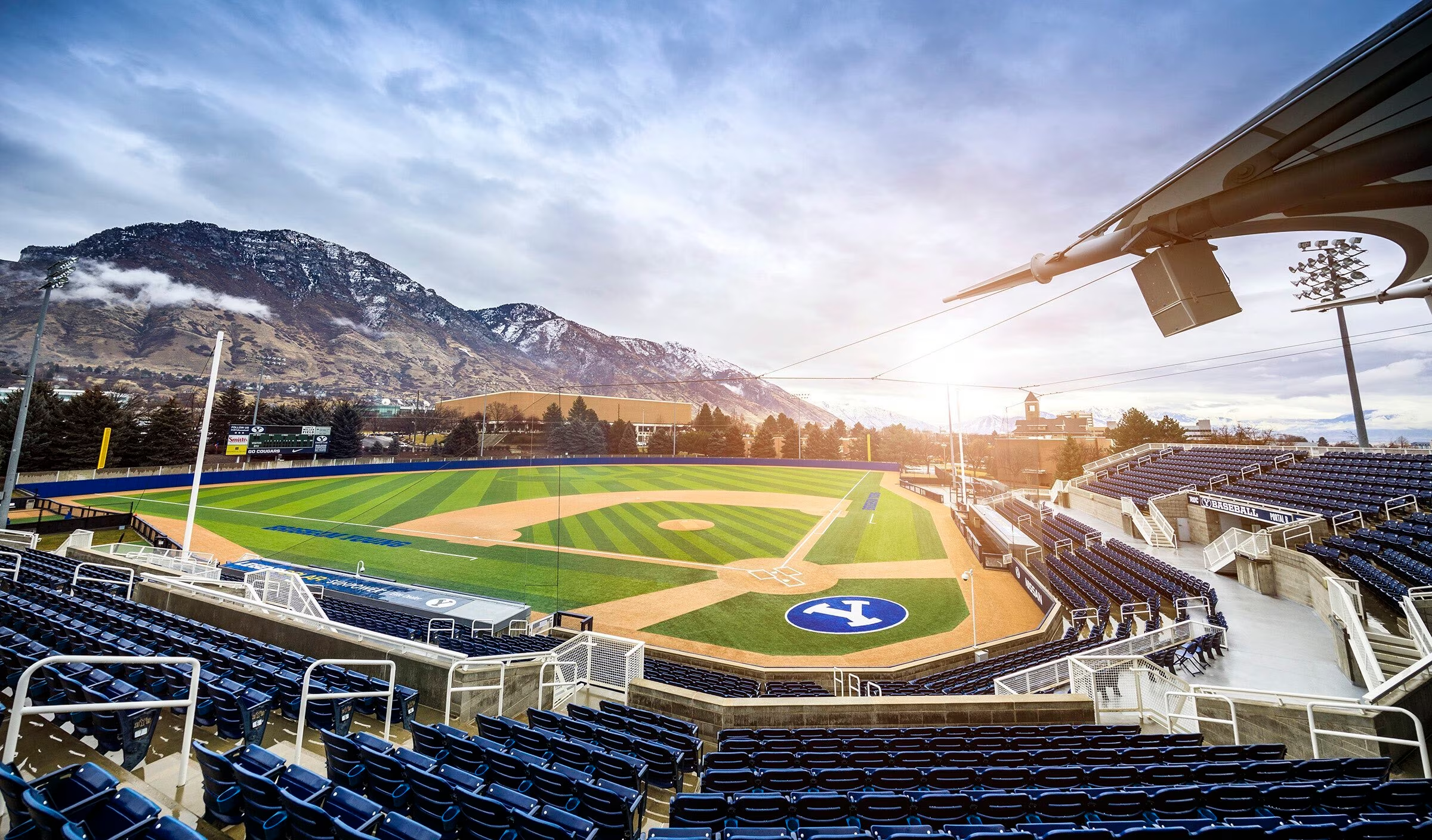
Division I baseball is one of the clearest examples of a true NCAA roster limit by sport. The official squad size is capped at 35 players in many seasons, but the scholarship limit is lower. This forces coaches to make tough decisions about who can be on the roster at all, not just who gets athletic money.
Softball does not always have the same hard roster cap, but you will still typically see rosters in the mid 20s to low 30s at scholarship levels.
For recruits, pitching and specialized positions matter a lot. A baseball program might carry a dozen pitchers and rotate heavily, while position players compete for a smaller number of at bats. You need to look at how many athletes they carry at your position, not just the total roster count.
What is a realistic roster size range for my sport and division if I want a real chance to play?
Men's and women's basketball typically carry some of the smallest rosters in college sports. Across divisions, it is common to see 12 to 18 names on the roster, with 8 to 10 players logging the majority of minutes.
This small roster size means fewer total opportunities for recruits compared to sports like track, swimming, or football. At the same time, if you earn a spot and crack the rotation, you are much more likely to have a clear role.
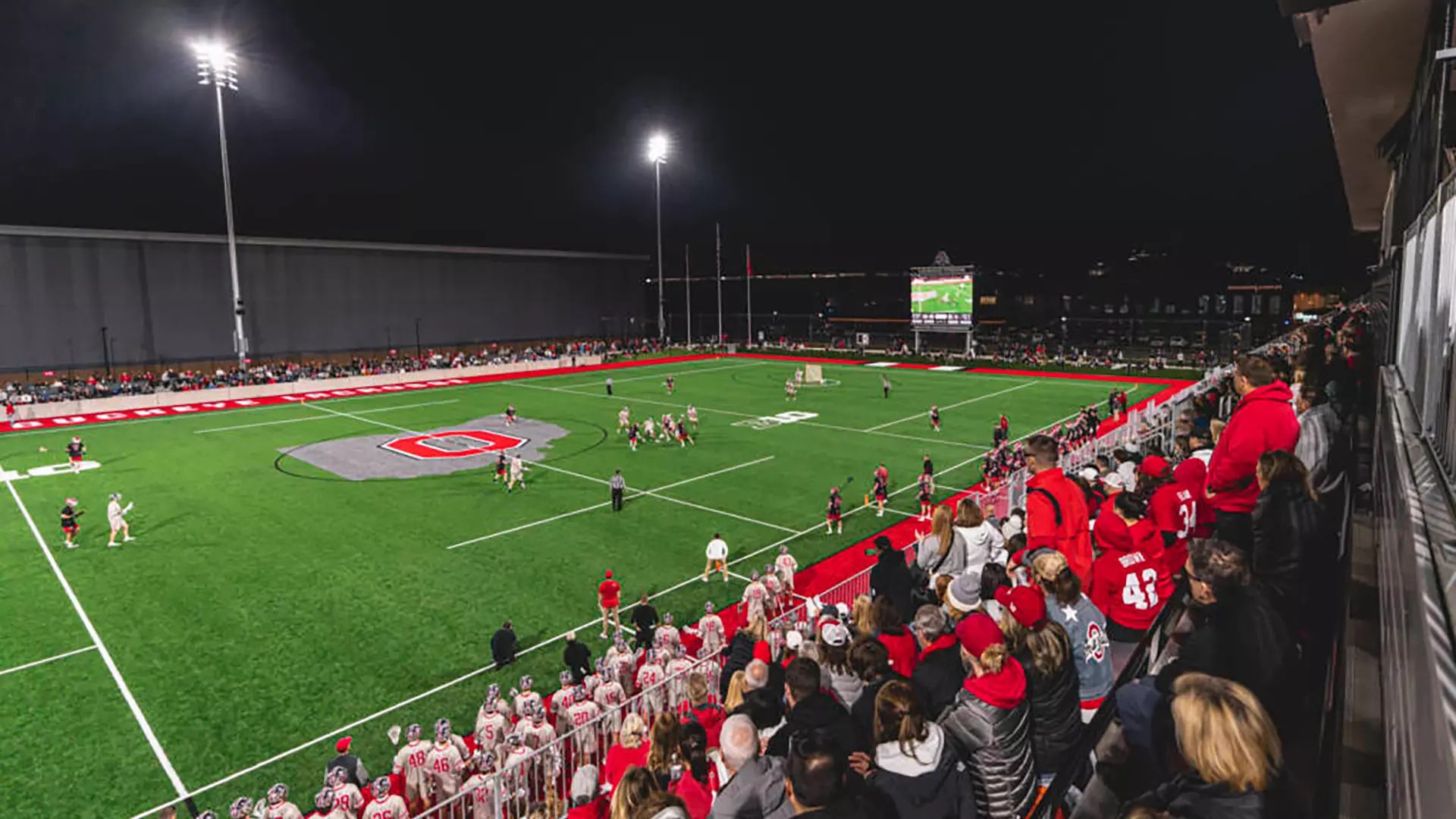
These field sports tend to live in the middle range. Many men's and women's soccer programs carry around 24 to 30 athletes. Lacrosse and field hockey are often similar, sometimes a bit higher, especially at schools that support large rosters.
Coaches balance starters, rotation players, developmental athletes, and often carry extra goalkeepers or specialists. When you look at a roster, pay close attention to how many athletes are in your class and how many play your position.
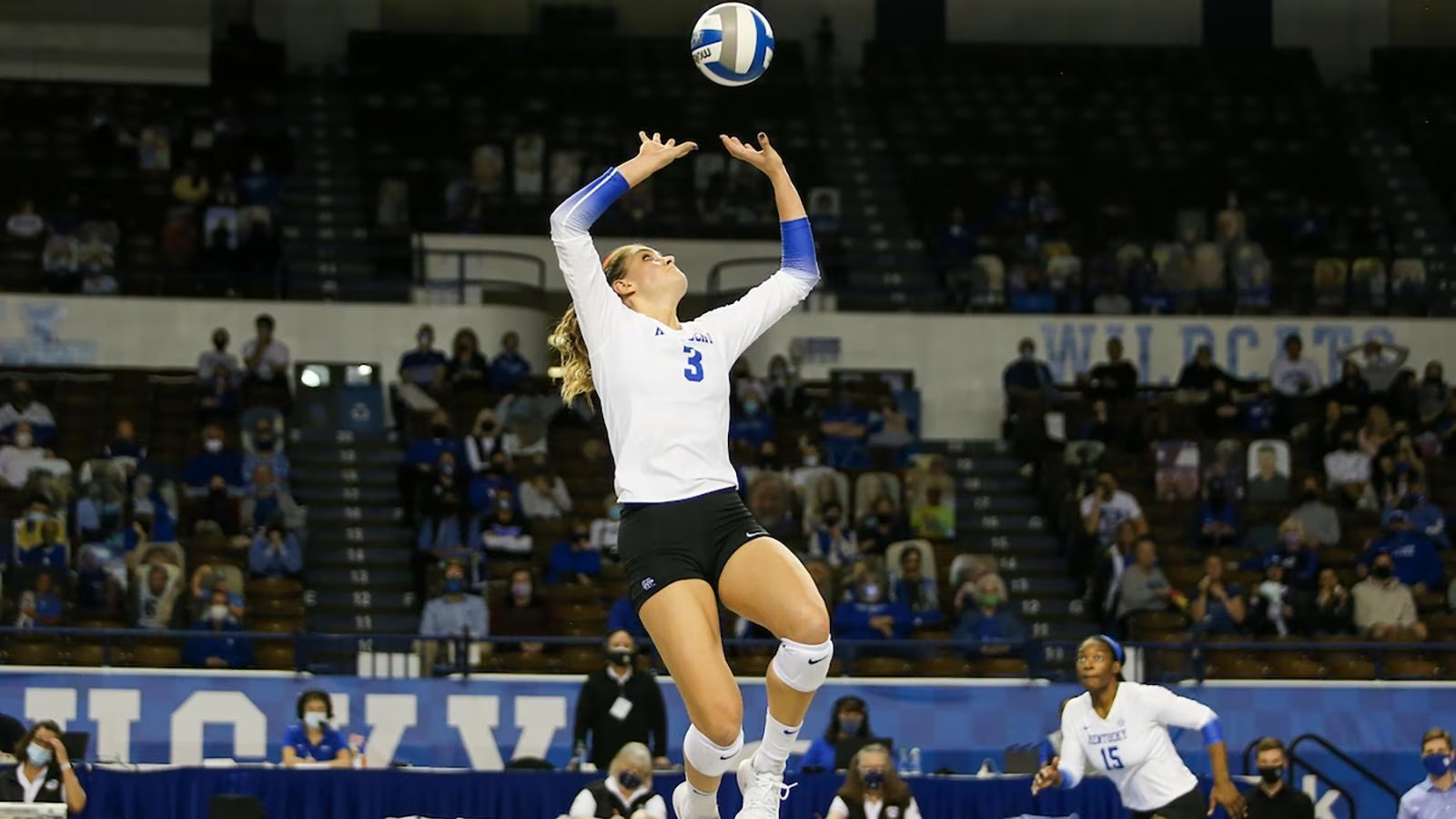
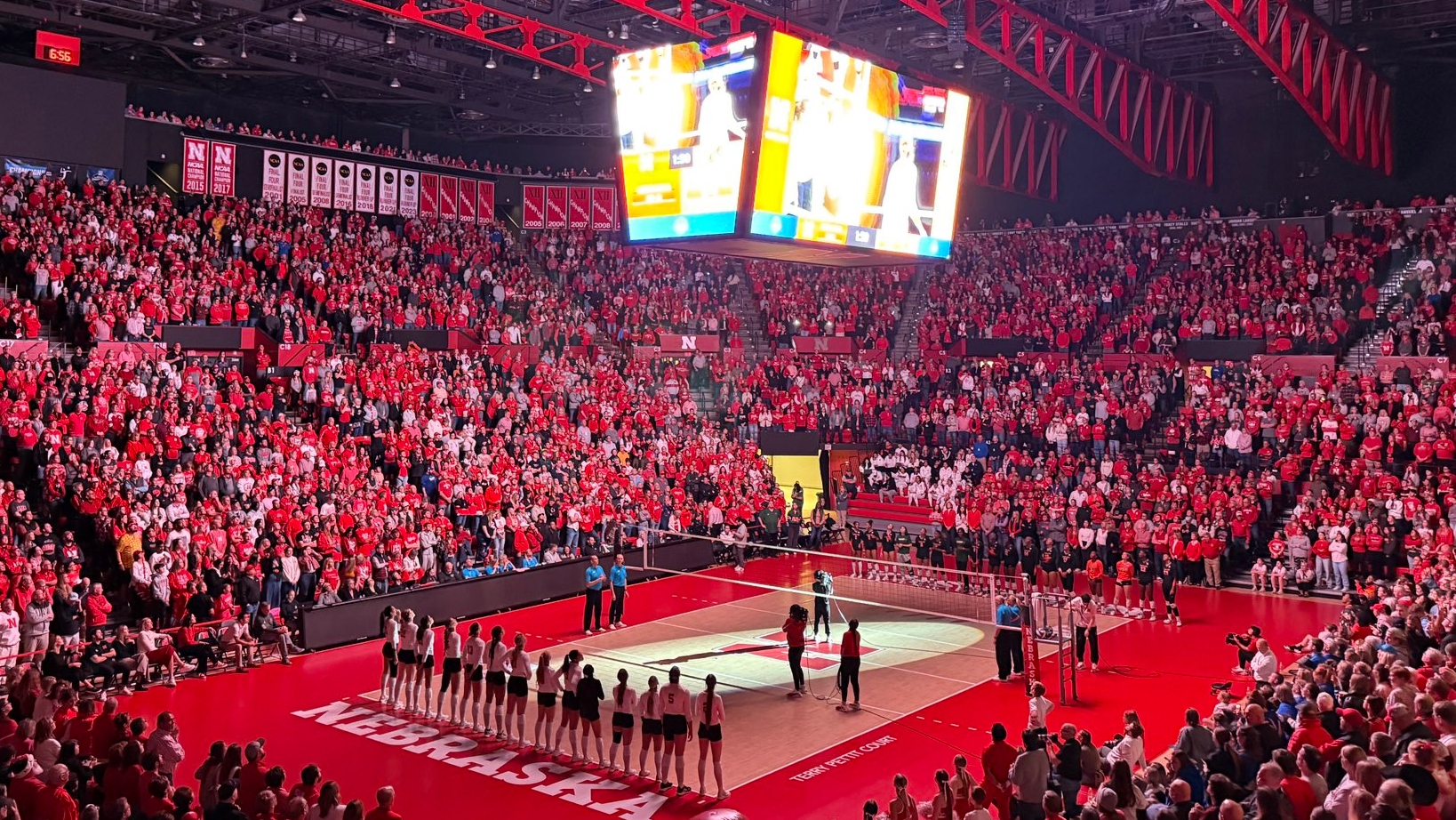
Indoor volleyball rosters are usually smaller, often in the mid teens to low twenties. There are only six players on the court at a time, and substitutions are more structured than in sports like soccer. Coaches typically carry multiple athletes at each position, plus defensive specialists and liberos.
Beach volleyball rosters, where offered, can have different patterns because of the pairs format. Some schools share athletes between indoor and beach, while others treat them as separate teams.
Track and field, combined with cross country, often has some of the largest college rosters. It is not unusual to see 40, 60, or even more athletes when you count all the event groups and both genders.
Because there are so many events, coaches can justify a larger roster and still provide enough reps. At the same time, scholarship money is usually spread very thin in these sports. Many rostered athletes are on partial scholarships or no athletic money at all, especially outside the top of Division I.
If you are in track or cross country, the total roster size matters less than how many athletes the team is carrying in your event group at your performance level. For help mapping the landscape, you can explore the Pathley Track and Field Hub to see how programs vary.
Swimming and diving rosters typically fall into the 20 to 40 athlete range, depending on division and gender. Some large programs will run combined men's and women's rosters with shared staff and facilities. Others may have separate squads.
Events distribution is key here. A sprinter who can contribute to multiple relays is more valuable than someone who only fits into one lane. Coaches use their limited roster spots to maximize lineup flexibility across the full event schedule.
Individual bracket or small team sports like golf and tennis tend to have relatively small rosters, often between 8 and 12 athletes.
At most tournaments, only a subset of the roster competes. For example, college golf lineups typically take a smaller travel group than the full roster. The same is true for tennis, where dual matches use a fixed number of singles and doubles slots.
The upside is that if you earn a roster spot, you may be only one or two ranks away from competing. The downside is that there are fewer total chairs at the table. Tools like the Pathley Golf Hub and Pathley Tennis Hub let you quickly compare program sizes and levels instead of clicking random school sites for hours.
Some sports, especially rowing, intentionally carry very large rosters. Rowing lineups require multiple boats, and many programs offer novice opportunities to athletes who did not row in high school.
It is not unusual to see 50 or more athletes on a rowing roster at certain schools, with a mix of experienced recruits and walk ons who converted from other sports. That creates more roster opportunities, but you still need to be honest about whether the training load, schedule, and culture fit what you want.
If you are exploring a roster heavy sport like rowing, a visit to the Pathley Rowing Hub is a fast way to understand how programs differ in size and level.
Knowing that basketball typically carries 15 athletes and track might carry 60 is helpful. But the real value comes from using those patterns to shape your recruiting moves.
If you are in a small roster sport, you simply cannot apply to five or six schools and hope it works out. You might need a broader list of realistic options so that the math is in your favor.
On the other hand, if you are in a large roster sport with many non scholarship athletes, you have more pathways to join teams at different levels, but you also need a clear plan for how you will move from “on the roster” to “in the lineup.”
This is exactly the type of thinking Pathley is built for. Instead of guessing, you can use Pathley to get AI driven guidance on which levels and conference types match your goals, then layer roster data on top.
College coaches do not only look at total athletes. They slice the roster by position, class year, and development stage.
When you look at a roster, try to answer questions like:
• How many athletes play my position right now?
• How many of them are in my graduation year or one year older?
• Is this coach loading up in one class, or do they like balanced recruiting across years?
• How many recent athletes at my position have actually played, not just sat on the roster?
How should I read a college team roster to see if my graduation year and position are a good fit?
With Pathley, you do not have to do this by hand for every school. The Analyze Team Roster tool lets you plug in a program, then quickly see class balance, positional depth, and where that team is likely to have needs over the next few recruiting cycles.
Because roster limits and scholarship limits are different, two athletes on the same team can have very different situations. In a sport with strict roster caps, simply making the roster is a big deal, even if you are not on a full scholarship.
In other sports, especially where rosters are large and scholarships are limited, you might technically make the team but have a long climb to earn meaningful playing time or athletic aid.
NCAA roster limits by sport can tell you two key things before you commit:
• How likely it is that the coach can keep adding walk ons without crowding the team.
• How much pressure there is on the coach to cut or not renew athletes who are not contributing.
When families ignore this, they sometimes walk into situations where a “spot on the team” is more fragile than it looked on paper.
You do not need a secret database to start getting clarity. With a little structure, you can do solid roster research in an afternoon, then let Pathley automate the hard parts.
Step zero: Know your sport's typical range.
Use the general ranges in this article as a starting point. That gives you context. If you know most women's soccer teams carry around 26 players, a roster of 35 or 18 jumps out as unusual and worth understanding.
Scan the school website roster.
Every athletics site lists current rosters. Look at total counts, then break it down by position and class year in a simple spreadsheet or notes app.
Check recent years.
Click into last year's roster, and the year before if possible. This shows you whether the coach's roster philosophy is stable, growing, or shrinking. If they dropped from 32 athletes to 24 in two years, that matters.
Track your target list in one place.
Instead of random bookmarks, keep a central list of schools, roster sizes, and first impressions. Pathley can help you pull that together quickly. You can start by exploring options in the Pathley College Directory, then save schools that look like a fit.
Once you have some data, let Pathley do the heavy lifting. The College Fit Snapshot tool can show you how your academics and athletics line up with specific schools, while roster analysis fills in how crowded your position really is.
Can you help me build a college list that matches my sport roster sizes and academic goals?
Seeing a massive roster can feel comforting. More spots must mean more chances to make the team, right? Not always.
Huge rosters can also mean more competition for the same small number of starting roles or travel spots. If only 10 to 15 athletes travel regularly and you are athlete number 42, you may technically be “on the team” while rarely competing in the moments that matter.
The flip side is assuming that a small roster means you have no shot. In reality, tight rosters can signal a coach who recruits precisely and invests heavily in development.
If you truly match what that coach wants, a smaller roster can actually mean clearer opportunity, because there is less clutter in the depth chart.
Families sometimes assume that if a Division I program carries 26 players, then a Division II or Division III program will be similar. That is not always true.
Lower division programs may carry more athletes in certain sports to help meet enrollment goals or to support junior varsity squads. In other sports, resource constraints mean they keep rosters smaller than some top level programs.
This is why it is so important to look at actual data instead of guessing. NCAA roster limits by sport are a starting point, but real opportunity is revealed school by school.
Static scholarship charts feel clean and official, but they leave out half the story. They do not tell you how many walk ons the program carries, how many athletes sit on the bench for years, or how many players quietly disappear from the roster after a season or two.
In a modern recruiting world, you need dynamic, school specific insight, not just a PDF with generic scholarship numbers.
Traditional recruiting services focus on profiles and mass messaging. They rarely help you think deeply about roster math and how it affects your actual chances to play.
Pathley is built differently. It is an AI first recruiting platform designed to act like a smart assistant that understands your sport, your level, and your goals, then helps you navigate complex topics like roster size and scholarship strategy in real time.
Inside Pathley you can:
• Explore schools by sport, level, academics, and more in one clean interface, instead of bouncing between dozens of athletic sites.
• Use tools like Analyze Team Roster to see how crowded specific programs are at your position and graduation year.
• Generate an athletic resume in minutes, then attach it to a realistic target list based on real roster data.
• Get instant, sport specific answers through AI chat instead of digging through message boards or outdated articles.
Because Pathley continuously learns from how athletes, parents, and coaches use it, the guidance you get is always adapting as your situation changes. That is a big upgrade from static spreadsheets or one time consulting calls.
Roster spots are the real currency in college sports. Scholarships matter, brand names matter, but if you are not on the roster, none of that matters. Understanding NCAA roster limits by sport, and how individual programs actually build their squads, is one of the fastest ways to make your recruiting process more realistic and less stressful.
If you take away nothing else from this guide, remember these points:
• Scholarship limits and roster limits are not the same thing.
• Typical roster size ranges vary a lot by sport and division.
• The real story is at the position and class year level, not just the total headcount.
• You will make better decisions if you use real roster data instead of guesses or myths.
How can I use roster sizes and team depth charts to build a smarter college recruiting plan?
You do not have to figure this out alone. Pathley was built as a modern alternative to old school services, using AI to bring clarity, structure, and confidence to a process that can feel like guesswork.
Rosters, coaches, and division breakdowns for every NCAA and NAIA program we track.