Pathley News
Women's Lacrosse Recruiting Guide 2026: How To Get Noticed Today
A clear 2026 guide to women's lacrosse recruiting, from timelines and coach expectations to film, emails, and campus fit, so you can find your best college home.
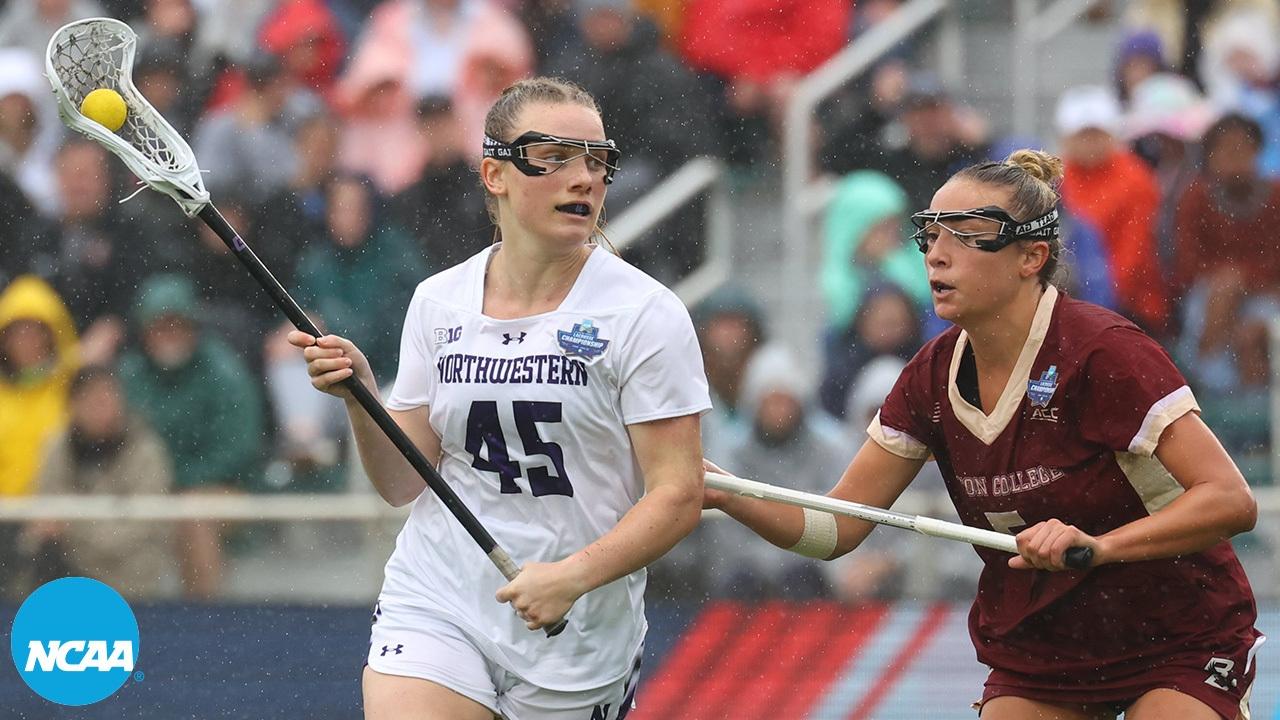
If you play girls or women's lacrosse and dream about seeing your name on a college roster, you already know the recruiting world can feel confusing and crowded. Everyone has an opinion, club coaches are busy, and it seems like some players commit overnight while others wait for years.
This guide is built to cut through the noise. We will walk through how women's lacrosse recruiting really works in 2026, what college coaches actually care about, and how you can build a simple, realistic plan from today all the way to signing.
If you are trying to understand where you stand right now, a great first move is to ask, How does the women's lacrosse recruiting process really work from freshman year to commitment?
Before you can build a recruiting plan, you need a clear picture of your options. Women's college lacrosse is bigger than ever, with programs across NCAA Division I, Division II, Division III, plus NAIA and strong club teams that still feel like serious college athletics.
According to the NCAA women's lacrosse pages, there are hundreds of sponsored programs and thousands of roster spots across the country. That is the good news. The tricky part is that those opportunities are spread across very different levels of play, academic standards, and scholarship realities.
Here is a quick snapshot of what that landscape usually looks like:
• Division I women's lacrosse: Highest average level of play, biggest time commitment, and the most visibility. Scholarship money exists but is usually split across the roster.
• Division II women's lacrosse: Still very competitive with solid scholarship possibilities, but usually a slightly more balanced lifestyle between academics and athletics.
• Division III women's lacrosse: No athletic scholarships, but tons of programs and strong need based and academic aid. Great for athletes who want high level lacrosse without every part of life revolving around it.
• NAIA and club teams: Fewer programs, but sometimes great fits, especially if you care deeply about a specific campus, major, or location.
The goal of your women's lacrosse recruiting process is not just to get recruited. It is to land at a school where the lacrosse level, academics, social environment, and cost all match who you are and who you want to become.
Even though every family experiences recruiting a little differently, the core stages are very similar across sports.
In the early years of high school, most coaches are not ready to recruit you yet, but they are paying attention. They see you on club film, at tournaments, or in your high school season. They notice your athletic upside, competitiveness, and how you respond when things go wrong.
Your job in this stage is to keep developing. Get faster, stronger, and more technical in your position. Keep your grades in a good place. Start learning the landscape so you are not scrambling later. A good starting point is reading a sport wide guide like How to Get Recruited for College Sports, then adapting it to lacrosse specifically.
For NCAA schools, there are specific dates when coaches are allowed to start certain types of direct recruiting communication. Exact dates change from time to time, so always double check the current rules on the NCAA site or with your high school or club coach.
Generally, for women's lacrosse, Division I coaches are limited in what they can say and when, until around your junior year of high school. After that point, they can email, call, text, watch you at events, and invite you on campus for visits at specific times in the recruiting calendar. You can find the latest details on the NCAA recruiting rules and timelines through resources like the NCAA recruiting information pages.
At this stage, coaches are building a board of recruits by class and position. They are comparing you to other athletes they see at tournaments, camps, and online. They are asking themselves whether you can realistically help them win games and fit their system and culture.
As both you and the coaches learn more, everyone starts narrowing down. You should be trimming your target list to schools that fit academically, athletically, socially, and financially. Coaches are trimming their lists to a small group of top options at each position for each class.
Campus visits, phone calls, and honest conversations about role, timing, and money start to matter a lot here. This is where having a clear, organized women's lacrosse recruiting plan matters more than highlight reels and social media hype.
Eventually, everything turns into decisions. For scholarship programs, that might mean an offer, a partial scholarship, or a preferred walk on spot. At non scholarship programs, it might mean a verbal roster spot, application support, or a clear path as a walk on.
Instead of chasing every logo, your focus should be simple. Find a school where you could see yourself thriving even if lacrosse went away, and where the coaching staff believes in you enough to invest in your development.
Families often ask for an exact calendar. The honest answer is that timelines vary a lot based on level, position, geography, and how fast each athlete develops. But there are patterns that show up again and again in women's lacrosse recruiting.
In these years, the most important thing is development.
• Build a strong technical base in your position. If you are an attacker, that may mean finishing with both hands and decision making under pressure. If you are a defender, that might mean footwork, angles, and communication. Goalies should focus on footwork, hand speed, and clearing.
• Start strength and speed work that fits your age and body, with guidance from a qualified coach or trainer.
• Keep your grades strong, since academic eligibility and admissions will matter later. The NCAA publishes academic eligibility standards through its initial eligibility information, and while the details can be confusing, the big idea is simple: the higher your GPA and core course strength, the more doors stay open.
This is also a smart time to start exploring the college landscape. The Pathley lacrosse hub and the Pathley College Directory make it easy to see which schools sponsor women's lacrosse, filter by division, and start a flexible target list.
For many athletes, junior year is the heart of women's lacrosse recruiting. Communication with coaches usually ramps up, and your play on the field starts to look more like the athlete you will be in college.
During this year, you want to:
• Lock in your academic core courses and keep your GPA trending up.
• Compete in events where college coaches are actually watching for your grad year and position.
• Build a clean highlight reel and full game film library.
• Email coaches with personalized messages that explain why their program actually fits you.
If you are not sure what coaches care about most, take a minute to ask, What do college coaches prioritize most when evaluating a women's lacrosse recruit like me?
Some women's lacrosse players commit early in junior year. Others are still searching as seniors. Both paths are normal. At this point the goal is clarity.
Make sure you understand where you are truly being recruited, not just where you have attended a camp or filled out a questionnaire. Talk honestly with coaches about where you stand on their board and what the next steps would look like if they see you as a real option.
Late opportunities still pop up due to injuries, transfers, and shifting rosters. Staying prepared, responsive, and academically eligible keeps you ready for those chances.
Every program has its own style and system, but the evaluation pillars are surprisingly consistent across the sport.
Speed, change of direction, and body control are huge in women's lacrosse. A coach can help you sharpen your stick skills, but it is very hard to teach pure speed or the ability to move laterally and stay balanced in traffic.
Coaches watch how you accelerate, how you defend in space, how you ride after a turnover, and whether your movement looks like it will scale to college level athletes.
For attackers, coaches look for finishing under pressure, feeding decisions, timing on cuts, and the ability to create separation without always needing isolations.
For midfielders, they want two way players who can defend, push transition, and stay dangerous on offense even when tired.
For defenders, communication, footwork, and understanding of team concepts matter as much as individual takeaway checks.
For goalies, they evaluate reaction time, angles, rebound control, clearing decisions, and leadership.
Film and live evaluation reveal how you process the game. Do you recognize doubles early, see the extra pass, or rotate quickly in team defense schemes. Coaches also watch your body language after mistakes, how you interact with teammates, and whether you sprint on and off the field.
They pay attention to whether you warm up like a college athlete and whether you take care of your academic responsibilities, not just your shot chart.
For many women's lacrosse programs, academics are a non negotiable filter. If your transcript does not meet the school's standards or NCAA eligibility rules, recruiting usually stops, no matter how talented you are.
Coaches also trust your club and high school staff for character references. Being coachable, reliable, and low drama will quietly help your recruiting far more than going viral for a single crazy goal.
Talent and work ethic matter, but coaches still need a clear way to evaluate you quickly. That is where your recruiting profile, film, and communication come in.
At minimum, you need a clean one page athletic resume that includes your contact info, academic snapshot, basic measurables, position, key stats, club and high school teams, and links to film. Many athletes also use an online profile to keep everything organized in one place.
With Pathley, you can use the Athletic Resume Builder to turn your stats, honors, and links into a polished PDF in a couple of minutes. That same information feeds your Pathley recruiting tools so the guidance you get is actually tailored to your situation.
You do not need a Hollywood level edit to get recruited. You do need clear, efficient film that shows your best actions early, stays focused on you, and matches your position.
Some simple guidelines:
• Keep your main highlight reel around 3 to 5 minutes.
• Lead with your best 6 to 10 plays, not just the most recent game.
• Use angles where coaches can clearly see spacing, matchups, and your decision making.
• Include at least one full game link for serious coaches who want deeper evaluation.
If you want a deeper breakdown by sport, Pathley has a full guide on building video at College Recruiting Highlight Video.
Once your basic materials are ready, it is time to reach out to schools that actually fit you. That starts with research, not mass emails. Use the Pathley College Directory, the Rankings Directory, and the lacrosse sport hub to find programs that line up with your grades, level, and location preferences.
Then send short, personalized emails that explain who you are, why their program interests you, and where they can see your film. Over time, you will learn which coaches are responding, which are opening your messages but staying quiet, and where you may need to adjust your target list.
If you are unsure what range of programs make sense, you can ask, Which division level is the most realistic fit for my women's lacrosse goals and current resume?
Some of the biggest traps in women's lacrosse recruiting have nothing to do with talent and everything to do with planning.
• Waiting until junior or senior year to think seriously about recruiting, then trying to sprint through everything at once.
• Obsessing over Division I only, even when your current athletic or academic profile lines up better with Division II, Division III, or NAIA schools.
• Playing a busy travel schedule without making sure the events you attend actually have coaches from realistic target schools.
• Sending generic mass emails that look exactly like every other recruit's message in a coach's inbox.
• Ignoring academics, social fit, and cost, then realizing late in the process that a dream lacrosse fit will not work off the field.
The right tools and guidance will not magically guarantee offers, but they can help you avoid wasting seasons, money, and energy on the wrong moves.
Traditional recruiting services tend to focus on building static online profiles or selling broad, one size fits all advice. Women's lacrosse recruiting today moves faster than that. You need answers that match your position, grad year, and current situation, and you need them in real time.
Pathley was built for exactly that. Our AI powered platform gives you a chat based guide through the entire recruiting journey. Instead of hunting through random forums or guessing what to do next, you can ask targeted questions and get context, realistic expectations, and clear action steps that match your sport and level.
Some ways women's lacrosse players and families use Pathley:
• Exploring programs through the Lacrosse Pathley Hub and college directories, then saving real target schools instead of endless maybes.
• Running a College Fit Snapshot on a specific school to see how your academics, athletics, and campus preferences stack up in one simple view.
• Building a clean athletic resume and keeping it updated as stats, honors, and film links change, so every coach always sees your current information.
• Using AI powered guidance to time emails, choose events, prepare for visits, and keep the whole family aligned on what comes next.
If you want to see how this feels in practice, try asking Pathley, What specific women's lacrosse recruiting steps should I focus on over the next 90 days?
Here is the bottom line. Women's lacrosse recruiting is not magic, and it is not only for the early committing club superstars. It rewards athletes who are honest about their level, intentional about their choices, and consistent with their work on and off the field.
Start by understanding the landscape and rules, then build your foundation with grades, development, and film. From there, create a realistic target list, reach out to coaches the right way, and keep checking your progress against your goals and opportunities.
If you ever feel stuck, overwhelmed, or unsure what to do next, you do not have to figure it out alone. Pathley exists so that any women's lacrosse player, parent, or coach can get smart, up to date guidance in a few clicks instead of chasing scattered advice.
Rosters, coaches, and division breakdowns for every NCAA and NAIA program we track.