Insight
Division 3 Colleges With Strong Athletics: How to Evaluate Fit
A clear guide to judging conference level, coaching, academics, and real recruiting fit when comparing competitive Division 3 athletic programs.
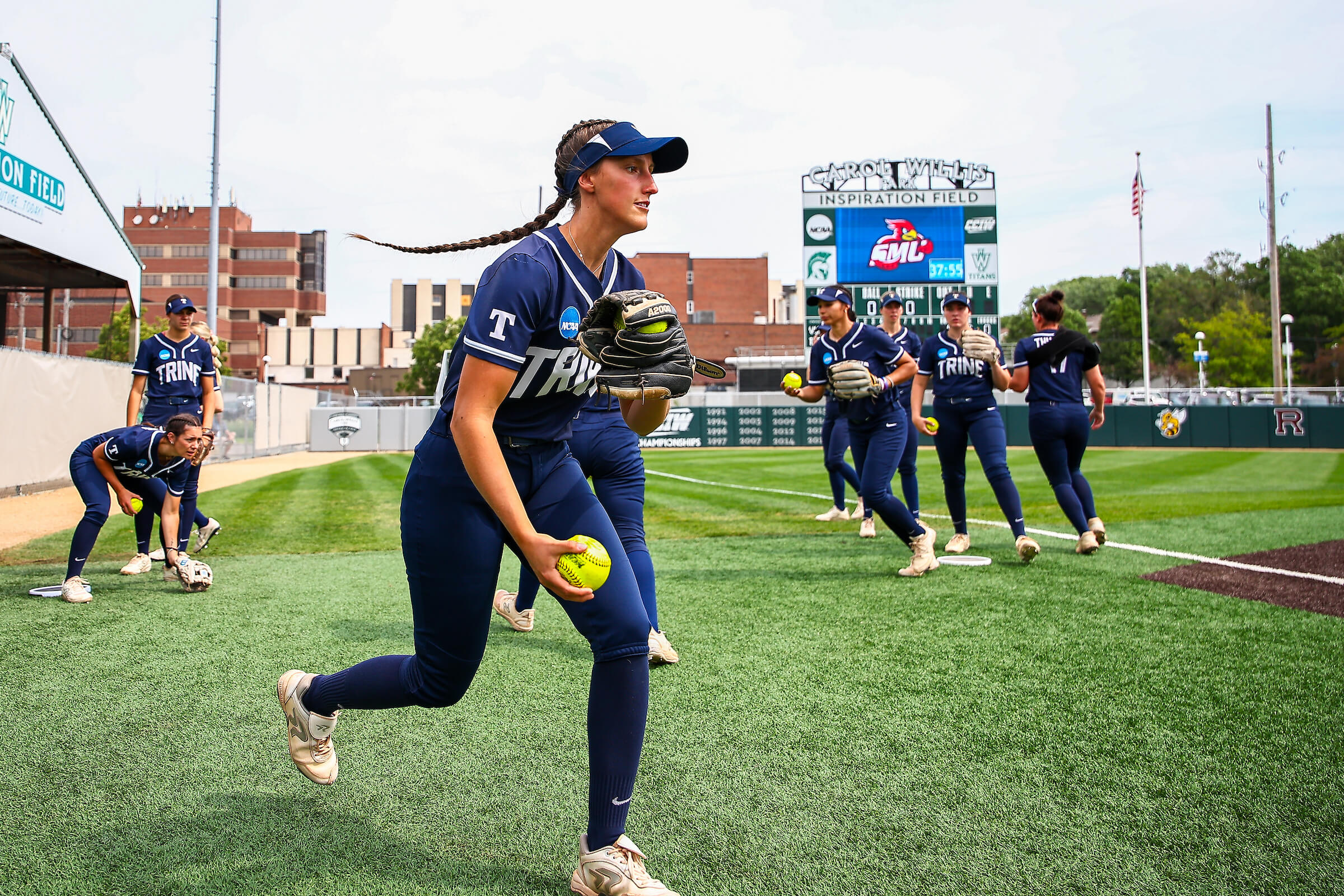
When families search for division 3 colleges with strong athletics, they are usually trying to answer a more personal question. Can an athlete find a school where the sport is serious, the academics matter, and college life still feels balanced?
That search gets messy fast. Division 3 includes nationally ranked teams, selective academic powerhouses, regional public schools, small private colleges, and plenty of programs that look similar on paper but feel completely different in real life. Some D3 teams run with a level of structure and intensity that surprises families who assumed the division would be casual. Others are more developmental, more local, or simply built around a different campus experience.
The biggest mistake is assuming all D3 schools sit at the same athletic level. They do not. The second biggest mistake is assuming the strongest name is automatically the best fit. It is not.
What should I look for when comparing Division 3 colleges with strong athletics?
For many recruits, Division 3 is attractive for a reason. It can offer serious competition without turning the entire college experience into a single track life plan. But that upside only matters if the athlete ends up in the right environment. A great D3 fit is not just a good school with a decent team. It is a place where academic expectations, coaching style, conference level, and daily routine all line up.
According to the NCAA Division III overview, Division 3 is the NCAA's largest division by school count. That matters because scale creates range. At one end, you have academically elite colleges with deep alumni networks and nationally competitive teams. At the other, you have smaller programs where a recruit may find a clearer early opportunity and a different kind of college experience.
The NCAA also notes that Division 3 schools do not award athletics based financial aid. That does not make recruiting casual. It simply changes the structure. Coaches still recruit. Rosters still fill. Admissions standards still matter. And in many sports, the competition for spots at strong academic and athletic fits is intense.
The broader participation picture matters too. The NFHS participation survey continues to show millions of high school athletes nationwide, while the NCAA's participation estimates make clear that only a fraction continue into college sports. Even when families widen the search to Division 3, there are still far more interested athletes than there are meaningful opportunities at the programs most recruits want first.
That is why families comparing competitive Division 3 options need to think beyond the label. "D3" tells you what scholarship rules apply. It does not tell you the speed of play, the strength of the conference, the selectivity of admissions, or whether a team culture feels healthy and sustainable.
A lot of recruits hear the phrase "strong athletics" and immediately think about wins and banners. Those matter, but they are not the whole story. A D3 program can be strong because it is nationally ranked. It can also be strong because it develops athletes well, recruits consistently, competes in a difficult conference, and creates a demanding environment year after year.
In Division 3, conference context is huge. A team's record means more when you understand who it plays every week. Some leagues are deeper, faster, and more physical than others. In certain sports, a middle of the pack team in a loaded conference can be harder to make than a conference champion somewhere else.
This is why simple rankings can mislead families. If you only compare overall records, you can miss the real level. Start by learning which conferences consistently carry weight in your sport, then compare how individual programs perform inside that context. The answer may look very different in soccer than it does in baseball, track, volleyball, or lacrosse.
Recruits often get pulled in by facilities photos, uniform drops, or polished game day content. None of that is meaningless, but the more telling sign is coaching continuity. A stable staff usually means a clearer identity, more predictable recruiting patterns, and a better sense of how athletes actually develop over four years.
Look for evidence of identity. Does the team play a recognizable style? Do upperclass athletes improve? Do captains seem invested? Are there clear position standards, event expectations, or role pathways? Strong programs usually feel organized long before you step on campus.
At the best D3 fits, strength shows up in ordinary details. Practice pace. Communication standards. Film work. Travel expectations. Offseason structure. Recovery habits. Academic accountability. The strongest environment for one athlete might feel perfect, while the same environment might feel overwhelming to someone else.
That is why the best division 3 colleges with strong athletics are not automatically the most intense ones. They are the programs where the daily habits of the team match what the athlete actually wants and can sustain.
How competitive is Division 3 recruiting in my sport?
Families often fall in love with a campus before they fully understand the team. That is normal. College tours are built to show possibility. Recruiting works better when you slow down and evaluate the full picture.
A public roster can tell you useful things if you read it carefully. You can see class distribution, regional recruiting patterns, typical size of the team, and whether a program carries unusual depth in certain roles, positions, or events. You cannot predict private decisions or assume future openings, but you can get a sense of how a program builds its team over time.
When you compare schools, a broad college directory helps keep enrollment, geography, and school type straight, especially once your list grows beyond the handful of programs you already know by name.
Some programs still sell a reputation built on seasons from years ago. Others are rising quickly because a newer staff has changed recruiting, culture, or development. Look at recent performance, not just the most famous chapter in program history.
Pay attention to trajectory. Is the team consistently competitive in conference play? Is it sending athletes to NCAA championships, regionals, or late season tournament rounds in your sport? Are first year athletes earning roles, or does it usually take time to break through? Those patterns say more than a banner in the lobby.
If you visit campus or watch a game, notice the ordinary moments. How do athletes talk to one another before practice? Do injured players still seem connected? Does the sideline feel engaged or flat? Do current athletes seem comfortable asking questions around the staff? Strong programs usually have a culture you can feel even when nobody is actively selling it to you.
A strong school can still be a weak athletic fit. Maybe the campus is perfect but the team's level is simply higher than the athlete is ready for. Maybe the athlete could make the roster but spend four years buried behind older depth. Maybe the reverse is true, and the athlete is strong enough to contribute early but would feel underchallenged academically or disconnected from the campus culture.
If you are still trying to map where programs exist by sport and division, a sport directory can surface schools outside the conference names families usually default to first.
Here is the part many athletes do not fully appreciate at the start. In Division 3, the academic side is not a side issue. It is central. Coaches are recruiting students who have to function in the classroom, manage travel, and stay engaged in campus life without the same scholarship centered structure many families picture at other levels.
That means academically selective D3 schools may recruit differently from less selective ones. In some places, transcript strength can materially shape how realistic the process is. In others, the team level may be the bigger question. Either way, "best" depends on both admission reality and team fit.
At some selective schools, a coach's early interest is not the same thing as admissions support. Families should understand when academic materials are reviewed, whether pre reads are part of the process, what level of coach backing is realistic, and how much depends on institutional approval. In Division 3, that handoff can be the difference between general interest and a serious recruiting path.
Families sometimes use school prestige as a shortcut. That is dangerous. The right question is not, "What is the fanciest school that showed interest?" The better question is, "Where can this athlete realistically succeed in class, stay healthy, compete hard, and still enjoy the next four years?"
Can I balance a demanding major and competitive Division 3 sports?
Lab heavy majors, architecture, engineering, nursing pathways, and other time intensive academic tracks can change the student athlete experience. That does not mean they are impossible at D3 schools. It means families should ask sharper questions. How do athletes schedule labs during season? Are missed class policies manageable with travel? Do professors understand competition absences? Is academic advising athlete aware, or does everyone figure it out alone?
A rankings directory can help separate academic reputation from athletic identity, which matters when a school is famous for one thing but the athlete needs both a major fit and a team fit.
One of Division 3's real strengths is that many athletes want the full college experience. They care about internships, professors, friends outside the team, and a life that extends beyond the season. That sounds great in theory, but the lived reality depends on campus culture.
At some schools, athletes are central to campus energy. At others, they are just one part of a broader student scene. Neither is automatically better. The key is honesty. If the athlete wants a strong sport centered identity, a quieter campus may feel flat. If the athlete wants more breathing room, an all consuming team culture may feel draining.
Once your list gets beyond a few names, it helps to compare schools using the same categories every time. Without that structure, families drift toward whichever school had the nicest tour guide, the newest locker room, or the most exciting coach call.
Geography, academic interests, campus size, admissions range, and the athlete's honest competitive level should all be on the table first. If a school misses badly on two or three non negotiables, it probably is not the right target no matter how strong the team looks online.
Ask what the week actually feels like. How demanding is practice during season? What does offseason training look like? How much travel is typical? How often do first year athletes compete? What support exists for recovery, communication with professors, and basic balance? These answers turn a logo into a real life picture.
Not every strong fit offers immediate playing time. Good programs often have older depth. That is not a bad sign. The better question is whether the athlete can see a believable path from recruit, to roster contributor, to meaningful role. Four year fit usually matters more than first month excitement.
Many of the best division 3 colleges with strong athletics are not the ones that shout the loudest online. They are the programs that know who they are, recruit intentionally, and tell a consistent story once you look at the roster, the conference, the campus, and the coach conversations together.
What questions should I ask a Division 3 coach on a campus visit?
In some sports, the jump from high school to a strong D3 roster is significant. Families who wait too long to communicate, who misread the academic side, or who rely only on broad labels can find themselves behind quickly.
A selective school with a strong athletic brand can be appealing, but a program is only a real option if the athlete's level, transcript, and preferences actually align. Prestige does not create playing time, comfort, or long term success.
Conference quality, travel patterns, rivalries, and regional recruiting pipelines shape the actual experience more than most families realize. If you do not understand the league, you do not really understand the team.
Coach communication matters, but it should sit alongside roster patterns, academic fit, recent team performance, and campus feel. It can also help to compare how other families frame similar issues in a family recruiting Q&A archive, especially when you want a clearer sense of what you still have not asked.
Realistic does not mean negative. It means precise. A realistic search accepts that a nationally prominent D3 program may recruit like a highly selective admissions process. It also accepts that there are excellent programs outside the names most families mention first.
For some athletes, the right answer will be a highly academic college with a tough roster battle and a longer development curve. For others, it will be a strong regional program where they can contribute earlier and still get the full Division 3 experience they want. Both can be great outcomes.
The point is not to win the internet version of recruiting. The point is to land in an environment that fits your level, your goals, and the life you want to live from August through May.
The best search for division 3 colleges with strong athletics starts when families stop treating D3 like one uniform category. Some programs are nationally elite. Some are developmental. Some are academically intense. Some are far more flexible. The smartest recruits compare the full environment, not just the label.
If there is one thing to remember, it is this. The right fit is usually the school where the athlete can handle the academics, embrace the team culture, and compete at a level that pushes growth without making daily life miserable. That balance is what turns a good recruiting story into a good college experience.
How do I build a realistic Division 3 college list for my sport?
Rosters, coaches, and division breakdowns for every NCAA and NAIA program we track.








