Insight
Small Colleges With Strong Athletic Programs: Real Recruit Guide
Discover small colleges with strong athletic programs that match your level, major, and budget. Learn how to evaluate programs and build a smarter target list.
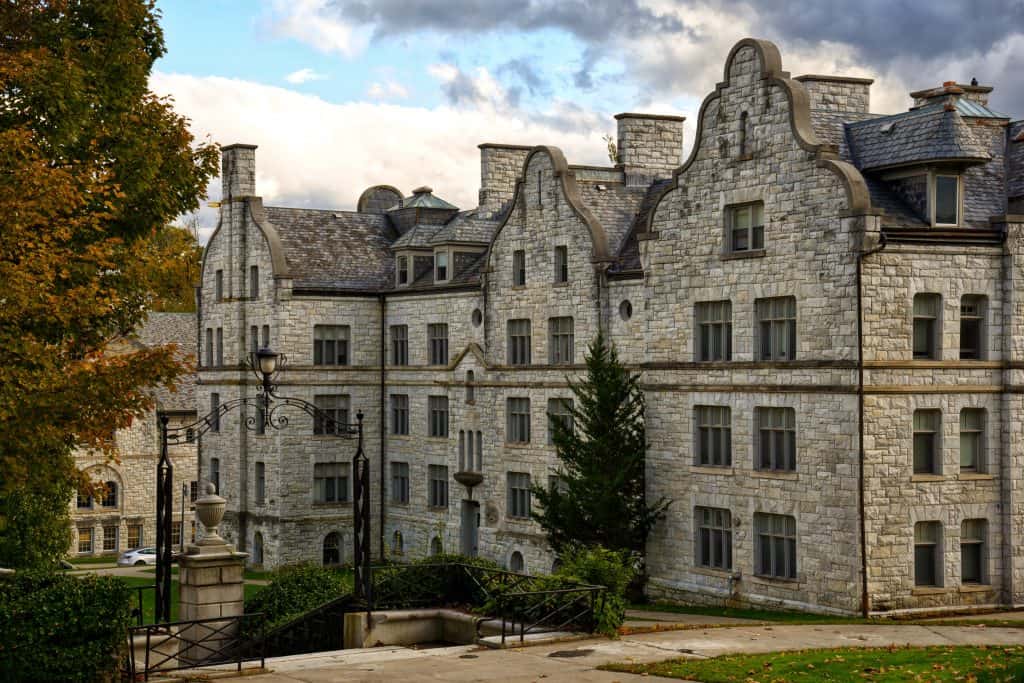
If you picture college sports, your mind probably jumps to 80,000-seat football stadiums, massive weight rooms, and campuses that feel like small cities. Those schools are real and they are impressive, but they are not the only places where serious college athletics live.
All over the country, there are small colleges with strong athletic programs that train just as hard, compete just as fiercely, and develop athletes just as well as many big-name Division I schools. The difference is that the campus might have 2,000 students instead of 40,000, and your coach might actually know every athlete on the roster by name.
If you want high-level sports plus smaller classes, tighter communities, and a more personal college experience, smaller colleges with serious athletic programs might be your best lane. The challenge is figuring out which schools are actually strong, which ones fit your level, and how to get on their radar.
This guide breaks down what "small but strong" really means, how to evaluate programs, and how to build a smart recruiting plan around them so you do not have to guess your way through the process.
How do I find smaller colleges with serious athletic programs that actually fit my sport and grades?
There is no official NCAA definition of a small college. In the recruiting world, people usually mean schools with a smaller overall enrollment and a tighter campus footprint, often in the NCAA Division II or Division III levels, the NAIA, or even strong junior colleges that feed into four-year programs.
According to the NCAA overview of its three divisions, more than 1,000 schools sponsor varsity sports across Division I, II, and III. Many of the most successful athletic programs in the country, especially in sports like soccer, volleyball, track, and baseball, are on campuses with a few thousand students or less.
The NAIA adds another 250 plus member schools, most of them small or mid-sized colleges where athletics are a central part of campus life. These programs offer real competition, real scholarships, and real paths to national championships.
So when we talk about small colleges with strong athletic programs, we mean schools that usually share a few traits:
• Lower total enrollment compared to flagship state universities.
• A campus that feels tight-knit instead of massive.
• Varsity teams that consistently compete for conference titles or postseason spots.
• Real investment in coaching, facilities, strength training, and support staff.
Strong does not always mean nationally ranked. It can also mean a program that develops players, graduates them on time, and competes at the top of its conference year after year.
What division level is realistic for me if I want a smaller campus but big-time athletics?
At the top of Division I, a lot of rosters are packed with players who were all-conference or all-state in high school. Many of them sit for a year or two before seeing real minutes or meaningful innings.
At a smaller college, the competition is still serious, but the depth chart is usually not stacked with four or five blue-chip recruits at every position. That can mean:
• A better shot to earn playing time earlier in your career.
• More reps in practice, which accelerates your development.
• Coaches who have the bandwidth to give you real feedback every week.
For a lot of athletes, that combination leads to a better college career and better long-term development than chasing a logo where they might never leave the bench.
At smaller schools with strong athletic programs, your coach is often more than just the person who runs practice. They might be the one who pushes you in the classroom, helps you line up internships, or connects you with alumni who work in your dream field.
Smaller class sizes also make it easier to communicate with professors when you are on the road. They are more likely to know you personally, which matters when you miss Friday labs for away games or need flexibility around exam dates.
Big-time Division I programs can feel like a full-time job on top of school. For some athletes that is perfect. For others, it leads to burnout.
At many Division II, Division III, and NAIA schools, the commitment is still serious, but there is usually a little more room for other parts of your life. You might be able to join a club, dive into a tough major, or study abroad and still be a key contributor on your team.
The NCAA estimates that only a small percentage of high school athletes ever play sports in college at any level. If you are one of the few who get that opportunity, the goal is not just to say you played Division I. The goal is to find a place where you can grow as a player and as a person.
Not every small school with a varsity team automatically belongs in the category of truly strong small-college athletic programs. You have to look a little deeper. Here is how to evaluate programs like a coach or scout would.
Instead of obsessing over last year's record, look at three to five years of results.
• Do they finish near the top of their conference most seasons?
• Are they qualifying for conference tournaments or national tournaments often?
• Do they have players earning all-conference or All-America honors?
A program that wins consistently across multiple seasons, even in a lower division, is usually doing something right with recruiting, development, and culture.
Wins are great, but development matters just as much. Dig into the roster and alumni pages on the team site.
• Are players improving their stats year to year?
• Do walk-ons or late additions ever develop into starters?
• Are alumni going on to pro leagues, national teams, or strong careers outside sports?
Smaller colleges with serious athletic programs tend to have stories of under-recruited athletes who came in, worked, and turned into impact players.
You do not need a 100,000 square foot facility to train at a high level, but you should see signs that the school is investing in your sport.
• Are the fields, courts, or tracks in good condition?
• Is there a dedicated strength coach or strength program for your team?
• Do they have athletic trainers and sports medicine staff at practices and games?
• Does the program travel to competitive tournaments or events, or do they stay only in a tiny local circle?
When a school puts real resources behind a team, it is a signal that athletics are taken seriously on that campus.
Which smaller colleges have the strongest athletic programs for my position and GPA?
A strong athletic program that leaves you hanging academically is not actually strong. You want to know you can graduate on time with a degree that means something.
When you research schools, look for:
• Majors that genuinely interest you, not just the easiest path.
• Graduation rates for student athletes, not just the general student body.
• Academic support like tutoring, study halls, and advising tailored to athletes.
Ask current players how professors treat them when they miss class for road trips. Their answers will tell you a lot about the balance between athletics and academics on that campus.
Once you understand what the best small-college athletic programs look like, the next step is building a realistic target list for your recruiting process.
Instead of starting with division labels, start with your life.
• What majors are you interested in?
• Where in the country do you actually want to live for four years?
• Do you want a religious campus, a public university, or a private non-religious school?
From there, you can filter down to schools that match your preferences and still have serious athletics. Tools like the Pathley College Directory can help you surface schools you have never heard of that still check your academic and athletic boxes.
Honesty about your level is crucial. A small college with a nationally ranked soccer team might be more competitive than a mid-level Division I program.
You want to target schools where, if you develop and work, you have a real chance to contribute. That is where a realistic evaluation of your measurables, times, stats, and film comes in.
If you want help reading where you stand, the Pathley College Fit Snapshot can show how you match up with specific programs across academics, athletics, and overall campus fit in one clear view.
Your target list should have variety. Even if your focus is on smaller schools with strong sports, you still want a mix that includes:
• A few reach schools where you might need development or a breakout season to fit.
• A solid group of realistic targets where your current level lines up well.
• Some safer bets where you are clearly above the current roster in certain areas.
As you learn more about programs, expect this list to change. Injuries, coaching changes, and academic shifts all affect fit. That is why using an adaptive tool like Pathley, instead of a static spreadsheet, can save you time and mistakes.
How many smaller colleges with strong athletic programs should be on my target school list?
The recruiting process at smaller schools has a lot in common with big Division I programs, but there are some key differences that work in your favor if you are proactive.
Smaller programs often have smaller recruiting budgets. That means they cannot see every tournament or pay for massive scouting services. They rely heavily on athletes who reach out with strong film, clear academic info, and honest measurables.
If you want to be noticed by smaller schools with strong athletic traditions, you cannot sit back and hope. You need to:
• Build a clean athletic resume and highlight video.
• Email or message coaches directly with personalized notes.
• Keep them updated on new times, stats, and film during your seasons.
Pathley can help streamline this by turning your info into a clean resume using the Athletic Resume Builder, then helping you track which coaches you have contacted and who has responded.
Even at smaller schools, you still have to follow recruiting and eligibility rules. Division II and Division III have their own calendars and contact rules, and the NAIA has its own eligibility center process.
Most small-college coaches are happy to walk you through the basics, but you should never rely only on them for rule education. Use official resources from the NCAA and NAIA and double-check key steps like standardized tests, core courses, and amateurism paperwork.
Because rosters are smaller and budgets are tighter, smaller programs sometimes keep walk-on spots open later into the cycle. They might also fill gaps very late based on transfers, injuries, or academic issues with other recruits.
That does not mean you should wait. It means that staying active in your communication, even into late junior and senior years, can lead to opportunities that were not visible during your sophomore season.
There are a lot of myths that scare families away from looking at small schools. Most of them are outdated or just wrong.
Walk into a top Division II or NAIA weight room in the middle of an offseason workout and tell those athletes that what they do is not serious. You will not say it twice.
Competition level lives on a spectrum. Many smaller colleges with powerful athletic programs would beat lower-tier Division I teams in head-to-head matchups. For you as a recruit, the better questions are:
• Will I be pushed and developed every day?
• Can I eventually earn a role that matters on the field, court, or track?
• Does the overall experience line up with the life I want after graduation?
Yes, it is true that a lot of pro scouts and national team coaches spend most of their time at big Division I events. It is also true that talented, hungry athletes get found when their performance demands attention.
If your goal is to play professionally or at a national level, you need exposure plus development. A small college that gives you playing time, elite coaching, and strong strength and conditioning might be a better path than sitting on a bench at a bigger name.
Division III schools cannot offer athletic scholarships by rule, but many offer substantial academic and need-based aid. Division II, NAIA, and junior colleges can all offer athletic aid, and some of them are incredibly generous when you combine athletics, academics, and need-based packages.
The key is understanding how each school packages money. One small college might list you as a partial athletic scholarship athlete plus a strong academic award. Another might give you only academic and need-based aid that still covers most of your cost.
Instead of assuming that smaller colleges with strong athletics are unaffordable, have real conversations with coaches and financial aid offices about how they build packages for athletes like you.
Once you narrow your list, the real question is not just whether a school has a strong athletic program. It is whether that program and campus are right for you.
Here are some signs you might have found your spot:
• You can clearly see a path to earning playing time if you work.
• The majors and academic support match what you need.
• You like the campus environment when you visit, not just the gear.
• Current players are honest with you and still say they would choose the school again.
• The financial package makes sense for your family without impossible debt.
When you find a place that checks all of those boxes, that is usually a better choice than chasing a slightly fancier logo that fits you worse in almost every category.
Navigating the world of small colleges with strong athletic programs can feel confusing. There are hundreds of schools with serious athletics that never show up on the first page of a generic search, and most families do not have the time to research every roster, schedule, and major by hand.
Pathley is built to fix that. Instead of leaving you to guess, Pathley uses AI to connect your sport, stats, academics, and preferences to specific colleges that match what you are actually looking for.
With Pathley you can:
• Discover new small-college programs that fit your sport and major using the College Directory and sport-specific hubs.
• Run a quick College Fit Snapshot on schools you are considering so you can see academic, athletic, and campus fit on one page.
• Build and update an athletic resume in minutes so you are always ready to reach out when a new program pops onto your radar.
• Ask real-time recruiting questions, any time, and get sport-specific answers instead of generic advice.
If you are serious about finding small colleges with strong athletic programs that actually fit your life, do not try to piece it together alone.
Rosters, coaches, and division breakdowns for every NCAA and NAIA program we track.








