Insight
D3 Basketball Colleges: A Practical Guide to Finding Your Fit
Division III basketball recruiting involves more than wins. Understand team style, roster context, coach interest, academic fit, and what opportunity looks like.
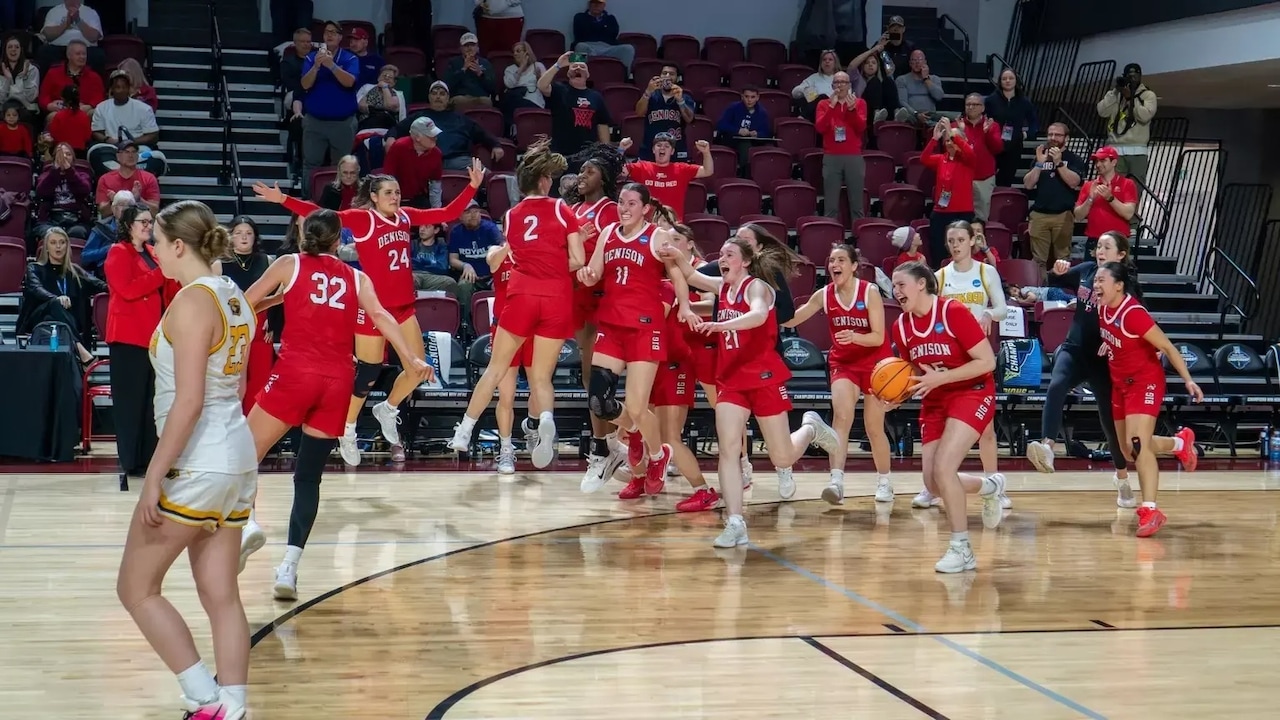
A guard watches a Division III team win a conference title and thinks, I could play there. A parent sees the same school and notices its strong academics. Both observations matter, but neither tells the family whether the athlete fits the team, the coach's plans, or the college itself.
That is the challenge with D3 basketball colleges. The division includes programs with very different playing styles, admissions environments, schedules, and competitive expectations. A school that looks perfect in a highlight clip might run an offense that rarely uses a recruit's strengths. A less familiar program might offer a better basketball and academic experience.
The starting point is a more specific question than whether a school is good: What should a high school guard look for in a Division III basketball program? The answer will differ for a guard, a post player, and an athlete who values a particular major or campus setting.
Division III is an NCAA classification, not a single level of basketball ability. Its teams include nationally competitive programs, conference contenders, and schools in different stages of building their programs. Some recruit across the country. Others draw much of their roster from nearby states. Every program still competes within its own schedule, conference, and institutional priorities.
According to the NCAA's overview of Division III, Division III schools do not award athletic scholarships. That rule does not mean all students receive the same financial aid. Institutions may offer other forms of aid under their own policies. Basketball interest, admission, and financial aid are separate conversations, even when they affect the same college decision.
Division III also should not be treated as an automatic fallback for an athlete who does not hear from Division I or II coaches. The best teams recruit skilled, experienced players who could have several college options. At the same time, the division contains a broad range of programs, so a recruit's fit cannot be determined by the D3 label alone.
A useful comparison has three parts: the basketball environment, the academic environment, and the athlete's likely experience within both. A team's win total provides context, but it cannot answer all three questions.
A winning team might return most of its rotation. Another might be graduating several regular contributors. A program with a modest record might play in a particularly demanding conference or have a young roster. The standings show outcomes, not the full explanation behind them.
Dedicated Division III coverage, including D3hoops.com, provides scores, schedules, and reporting that help put a team's season in context. Results are most useful when paired with recent game video and an understanding of who actually played. A close loss to a strong opponent can reveal more about a team's level than a comfortable win against a weaker one.
A college sports directory can provide a starting map of programs, but a recruit's shortlist becomes useful only after the schools are examined individually. The goal is not to find the most recognizable names. It is to identify places where the athlete could enjoy the school and contribute to the team.
A team's social media clips usually feature its best finishes. Full possessions reveal more. Does the offense create space for drives, or does it depend on constant movement without the ball? Are centers expected to pass from the perimeter? How often does the defense switch, pressure the ball, or protect the paint?
Imagine two high school guards with similar scoring averages. One excels in transition and defends the full court. The other controls tempo, reads ball screens, and rarely turns the ball over. Both can be strong recruits, but the same college offense may not bring out their best basketball. A useful question while watching is How can a basketball recruit evaluate playing style at a college?
Style is not a permanent label, either. Coaches adjust to their personnel, and an incoming class can change a team's pace. Repeated tendencies across several games are more informative than one fast or slow night.
College rosters offer clues about size, class years, positions, and where players came from. They do not reveal a coach's recruiting board or guarantee an opening. A roster with several senior guards does not prove the team needs another guard. Younger players might already be developing for those minutes, and the coach might want a different kind of player.
Still, patterns matter. If a program repeatedly plays multiple guards together, a versatile ball handler may fit differently than at a school that uses a traditional point guard and two taller wings. If the returning frontcourt is young, a post recruit should not assume immediate minutes simply because a senior started the previous season.
Position labels can be misleading. A roster may call two athletes forwards even though one primarily screens and rebounds while the other handles the ball on the perimeter. Recent game footage, minutes played, and lineup combinations put the labels in context.
Class year is not a promise of departure. Eligibility circumstances and roster updates vary. A player listed as a senior may not leave when a recruit expects, and a listed underclassman may change roles. Roster analysis is a way to form better questions, not to predict a future lineup with certainty.
A practical shortlist of D3 basketball colleges includes different degrees of athletic reach. Some teams may currently play above the recruit's demonstrated level, some may appear closely matched, and others may offer a different route to development. Those categories should change as new game film, conversations, and season results provide evidence.
A basketball decision also determines where an athlete will study, live, and spend time outside practice. Division III colleges differ substantially in majors, academic expectations, location, and campus culture. A player who wants a specific engineering program or a particular learning environment cannot treat those details as tiebreakers after choosing a team.
Academic fit has two sides. Admissions fit asks whether the applicant is a plausible candidate for the institution. Learning fit asks whether its programs and classroom environment suit the student. A coach's interest does not erase admissions requirements, and the extent of any coach involvement in admissions varies by school.
Students weighing several locations can use a college directory alongside official college websites to identify programs and investigate academic details. The U.S. Department of Education's College Navigator is another source for institutional information. For a specific major, the college's current department pages and course catalog are more useful than assumptions based on a school's general reputation.
Campus life matters during the offseason and after basketball ends. A recruit who dislikes the setting, available coursework, or distance from home will feel those tradeoffs far more often than the excitement of an initial recruiting conversation. The right basketball team cannot fix a college that otherwise feels wrong.
Coaches generally begin with a basketball question: can this athlete help our program, now or after development? The answer depends on the team's needs, but evaluation commonly includes decision-making, movement, defensive habits, skill under pressure, and the way a player responds when a possession goes badly.
For a guard, a scoring total does not show whether shots came within the offense or whether teammates received quality chances. For a post player, height alone does not show footwork, rebounding position, or the ability to defend a screen. Coaches need context about opponents and game situations, especially when athletes come from different leagues.
Film helps most when it makes the athlete easy to identify and shows complete basketball actions. A clip that begins with the player already scoring may hide the decision that created the basket. Sequences showing defensive possessions, passing reads, and mistakes followed by recovery offer a fuller picture. The question behind useful film is What does a Division III basketball coach want to see in game film?
Development matters too. Coaches may value an athlete who has improved steadily, learned a new role, or become more effective against stronger competition. One exceptional game is interesting. A season of dependable decisions is stronger evidence.
Recruiting communication exists on a spectrum. A general camp message tells an athlete far less than a coach's specific questions about academic interests, recent games, and how the athlete sees a role on the team. A conversation about an athlete's position and the program's style provides more information than a compliment without details.
Even sustained interest is not the same as an admission decision or a guaranteed place in the rotation. Coaches can explain how their recruiting process works, but they cannot promise minutes that have not been earned. The clearest conversations distinguish between being evaluated, being actively recruited, and understanding what steps remain before any roster decision.
Athletes can also learn from the questions a coach asks. Questions about defensive assignments or pace may indicate that the coach is thinking about a particular role. Questions about coursework may signal that academic alignment needs closer attention. Neither is proof of an outcome; both are more useful than trying to decode the speed of an email reply.
For families navigating their first set of conversations, a broader college basketball recruiting guide explains how outreach, evaluation, and offers fit together. At each stage, specificity is more valuable than guessing what a generic message means.
Video and websites cannot fully show a team's daily environment. A visit can reveal the distance between residence halls and classes, the pace of a practice, and how players interact when coaches are not speaking. Those details shape the experience long after recruiting ends.
Game-day atmosphere is worth noticing, but ordinary days deserve equal weight. A packed rivalry game is exciting; a routine practice and a normal weekday say more about what life there would actually feel like. Conversations with current players can add perspective on communication, time demands, and support, while still reflecting each player's individual experience.
The strongest visit questions are specific rather than performative. What does individual development look like for players outside the regular rotation? How are class conflicts handled? What has changed about the program over the past few seasons? Clear answers can confirm a good fit or reveal a mismatch before it becomes harder to address.
Early in high school, recruiting fit is mostly a working hypothesis. Athletes are changing physically, improving skills, and discovering what academic subjects interest them. Broad research makes more sense than assuming one college will remain the perfect destination for years.
Later, current game film, transcripts, and coach conversations make the picture sharper. A recruit may discover that the schools they initially admired play a style they do not enjoy. Another may grow into a role that opens a different range of programs. Revision is a sign of learning, not a failed plan.
Timing also differs by program. Coaches may evaluate classes at different stages, and team priorities can change. Silence from a school does not automatically settle an athlete's college basketball future. At the same time, a late surge in interest should not push academic or campus concerns out of view.
The best D3 basketball colleges for one recruit are not necessarily the teams with the most wins or the strongest name recognition. They are schools where the athlete can see a credible basketball role, handle the academic environment, and feel at home beyond the gym.
A family considering multiple programs may still be working through How should a family balance academics and basketball at a Division III college? There is no universal formula. The balance depends on the student's goals, the evidence from each program, and what daily life would look like if basketball changed unexpectedly.
Recruiting becomes clearer when each new fact tests an assumption. Game footage tests impressions from the standings. Roster patterns test guesses about opportunity. Coach conversations test whether interest is specific. Academic research tests whether the school works for the student. No single signal decides the choice, but together they make the decision more grounded.
Rosters, coaches, and division breakdowns for every NCAA and NAIA program we track.