Insight
College Coach Interest Signs: Spot Real Recruiting Interest Fast
Learn the real signs a college coach is interested, which signals are just noise, and how athletes should respond with a smarter recruiting plan.
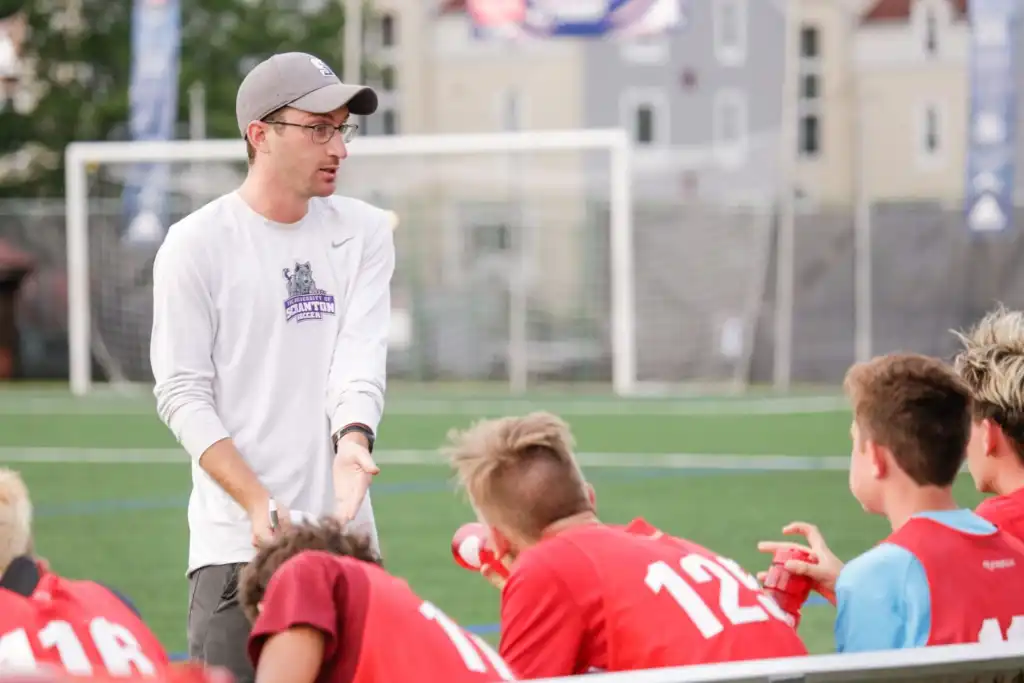
One of the hardest parts of recruiting is not always getting noticed. Sometimes it is figuring out what the attention actually means. A coach likes your highlight video. Another coach asks you to fill out a questionnaire. A third coach watches one of your games, then disappears for two weeks. Families spend a lot of time trying to read the room, and that is why understanding the real college coach interest signs matters so much.
Here is the truth. Not every email means you are being recruited. Not every social follow means you are on a serious board. But real interest does leave clues, and once you know what to look for, the process gets a lot less confusing.
If you want a quick second opinion while you read, open Pathley Chat and ask: What are the biggest signs a college coach is seriously interested in a recruit?
This guide breaks down the difference between casual awareness and real recruiting interest, the signals families overrate, and what to do next if a program starts leaning in.
Recruiting is rarely as direct as families want it to be. Coaches are managing big boards, scholarship limits, admissions standards, position needs, and sport specific rules. Athletes are trying to decode that from a few emails, some social media activity, and maybe a short call.
On top of that, communication rules vary by association and sport. NCAA calendars can shape when coaches are allowed to make certain kinds of contact, and those calendars are worth checking on the official NCAA recruiting calendars page. NAIA recruiting can move differently, and families should understand the official process through NAIA's eligibility portal as well.
That does not mean you need to become a rules expert overnight. It does mean you should stop judging interest by one isolated moment. Serious recruiting almost always looks like a pattern, not a single event.
A lot of recruits get stuck here. A coach may have seen your profile, opened an email, watched a short clip, or added you to a database. That is not bad. It is just early.
Common awareness signals:
• A generic camp invite sent to a large group.
• A form email with no personal details about your game.
• A request to fill out an online questionnaire.
• A social media follow with no follow-up conversation.
• One view of your highlight film, then silence.
Those things can matter, but they do not prove much by themselves.
When interest becomes serious, coaches invest time. They ask better questions. They look for more context. They bring other staff members into the conversation. They start trying to understand whether you fit academically, athletically, socially, and financially.
The best college coach interest signs usually show up as a pattern of specific communication, repeat evaluation, and clear next steps. That is when families should pay closer attention.
A good question to explore here is How should I respond when a college coach starts communicating more often?
Consistency matters more than intensity. A coach who sends one excited message and then vanishes is different from a coach who checks in every couple of weeks, asks for updates, and keeps the thread alive over time.
In most sports, serious programs build an evaluation trail. They might ask for your upcoming schedule, then circle back after an event. They might request updated film after a new season starts. They might check on your recovery if you were injured. That kind of steady communication is a strong signal that you are more than just a name in a spreadsheet.
Generic outreach is easy. Specific outreach takes work. If a coach mentions your position, your event times, your recent tournament, your transcript, or a detail from your film, that is different.
A baseball coach might reference pitch shape or exit velocity trends. A soccer coach might mention your movement off the ball. A volleyball coach might talk about arm speed, platform control, or how you handle first contact. A track coach might ask for FAT times instead of hand times. Specificity shows real evaluation.
When a coach can explain why you fit their program, that is one of the clearest signs that attention is turning into recruiting.
Families sometimes overlook this one, but coaches do not want surprises late in the process. If a program asks for GPA, transcript details, test information if relevant, core courses, or admissions context, that usually means they are trying to see whether your athletic fit can actually become a real recruitable fit.
This is especially important at academically selective schools, Ivy level programs, strong Division 3 schools, and colleges where admissions support is a major part of recruiting. Athletic ability matters, but so does whether the school can realistically get you through the front door.
If you have not handled the basics yet, do not wait. NCAA recruits should understand the official eligibility process, and NAIA recruits should do the same. Interest feels great, but eligibility and admissions still decide who can move forward.
One evaluation can create curiosity. Multiple evaluations create confidence.
Coaches know athletes have hot days and off days. That is why many programs want more than one data point. They may watch you live more than once, review more than one film, or ask for updated results later in the year. That repeated evaluation is a strong indicator that you are on a serious board.
This does not have to mean a coach is physically at every event. Sometimes it means the staff is following your schedule, asking for weekend results, or revisiting your film after seeing how your season develops.
If you want help planning that follow-up, ask: What should I include in a follow-up email after a coach watches me play?
When only one assistant interacts with you once, the relationship is still fragile. When the head coach joins a call, a position coach starts asking questions, or the staff connects you with admissions or academic support, the process is usually getting more serious.
Recruiting decisions are rarely made in isolation. If more people inside the program are being brought into the picture, that usually means your name is moving upward in internal conversations. If a coach wants a parent involved for a conversation about timeline, campus visits, or affordability, that can also be a meaningful sign that things are moving past the casual stage.
Programs do not spend time planning visits for athletes they barely know. If a coach wants to know whether you can get to campus, whether your family is open to a visit, or where their school stands on your list, they are trying to measure mutual fit.
Even if the visit is unofficial, the fact that a coach wants you on campus matters. They may want you to meet the team, see a practice, understand campus culture, or get a feel for housing and academics. Recruiting gets more real when both sides start talking about actual decision making instead of vague future interest.
Real recruiting moves forward. If a coach tells you exactly what they want next, that is important.
Examples of meaningful next steps:
• Send updated transcript after the semester ends.
• Share your tournament or meet schedule for the next month.
• Join a phone call with a parent present.
• Visit campus on a specific weekend.
• Update film once the season starts.
• Apply to the school and let the staff know when it is submitted.
These are the moments where interest becomes a process. Coaches who are serious usually create momentum.
Flattery is cheap. Honest feedback is valuable.
If a coach can tell you where you fit on their board, what they like, what still needs to improve, or which timeline they are operating on, that is a good sign. It means they are seeing you through a real recruiting lens, not just sending hype.
Sometimes the most helpful conversations are not the most glamorous. A coach might say you are a strong academic fit but a developmental athletic fit. Another may tell you they love your upside but are waiting on older recruits. Another may say you are likely better matched at a different division level. That kind of honesty can save families months of guesswork.
Some of the loudest moments in recruiting are not the most meaningful ones. Families can get pulled into excitement too early, especially when every notification feels important.
Watch out for these false positives:
• A social follow with no real conversation attached.
• A mass email that could have gone to hundreds of athletes.
• A camp promotion that does not reference your game.
• A coach saying "keep us updated" with nothing more specific.
• One brief conversation at a showcase.
• A compliment that never leads to another step.
This is where recruits get in trouble. They mistake attention for traction. The strongest college coach interest signs have two ingredients, specificity and momentum. If those are missing, stay encouraged but stay realistic.
Knowing the right college coach interest signs only helps if you respond well. When a program starts showing real attention, your job is to make the next decision easier for them.
Do not wait five days to answer a direct question. You do not need to respond in thirty seconds, but you do need to show that you are organized and serious. Clear communication makes coaches more comfortable investing time in you.
If your outreach needs work, use Pathley's Coach Email Generator to clean up your first impression. A better email will not create interest out of nowhere, but it can absolutely help you keep momentum once a coach is paying attention.
Busy coaches do not need long essays. They need relevant information. Send updates when something meaningful changes, new film, a big performance jump, a schedule update, academic improvement, or a completed application step.
A helpful update sounds like this in principle: here is what changed, here is the proof, here is what is next. Short, direct, easy to scan.
When coach interest starts to build, messy information becomes a real problem. Your film should be current. Your transcript should be easy to share. Your basic recruiting profile should be clean. Your schedule should be accurate. Your contact information should be simple and consistent across emails, forms, and social platforms.
If you are still piecing that together, Pathley has free tools that can help you move faster. You can review options on the Pathley Tool Page and use them without getting buried in old-school recruiting platforms.
One of the smartest things families can do is study the roster, not to predict exact openings, but to understand class balance, position depth, and the kind of athlete the program usually carries. That context makes coach communication much easier to interpret.
Pathley's Analyze Team Roster tool can help you see the bigger picture. It is not about fantasy scenarios. It is about understanding whether your position, graduation year, and development path make sense for that team.
A strong question to ask at this stage is When should my family take college coach interest seriously enough to start planning visits?
This is a huge mistake. Families get one positive conversation and suddenly stop building the rest of the board. Do not do that.
Interest is not an offer. A good conversation is not a commitment. A visit is not a final result. Keep building your list until something is official and actionable. Smart recruiting is about options, not hope.
Athletes often chase the school that sounds the most exciting in the moment. The smarter move is to chase fit. The right program is not just the one that likes you. It is the one where your level, academics, budget, development path, and day to day life all make sense.
A school can show real interest and still be a bad fit if admissions is shaky, cost is unrealistic, or the level is higher than where you can actually compete and develop. That is why families who only follow hype often end up disappointed late in the process.
If you already have a few schools showing attention and you want to sort them into realistic categories, ask: How do I turn coach interest into a realistic target school list?
Recruiting gets less stressful when you stop chasing every signal and start reading patterns. Consistent communication, specific feedback, repeated evaluation, academic questions, visit talk, and clear next steps usually mean something. Random likes, vague compliments, and mass emails usually do not.
Rosters, coaches, and division breakdowns for every NCAA and NAIA program we track.