Insight
College Athletic Recruiting Levels: How to Find Your Best Fit
Learn how college athletic recruiting levels really work, what coaches use to judge fit, and how families can build a smarter college list today.
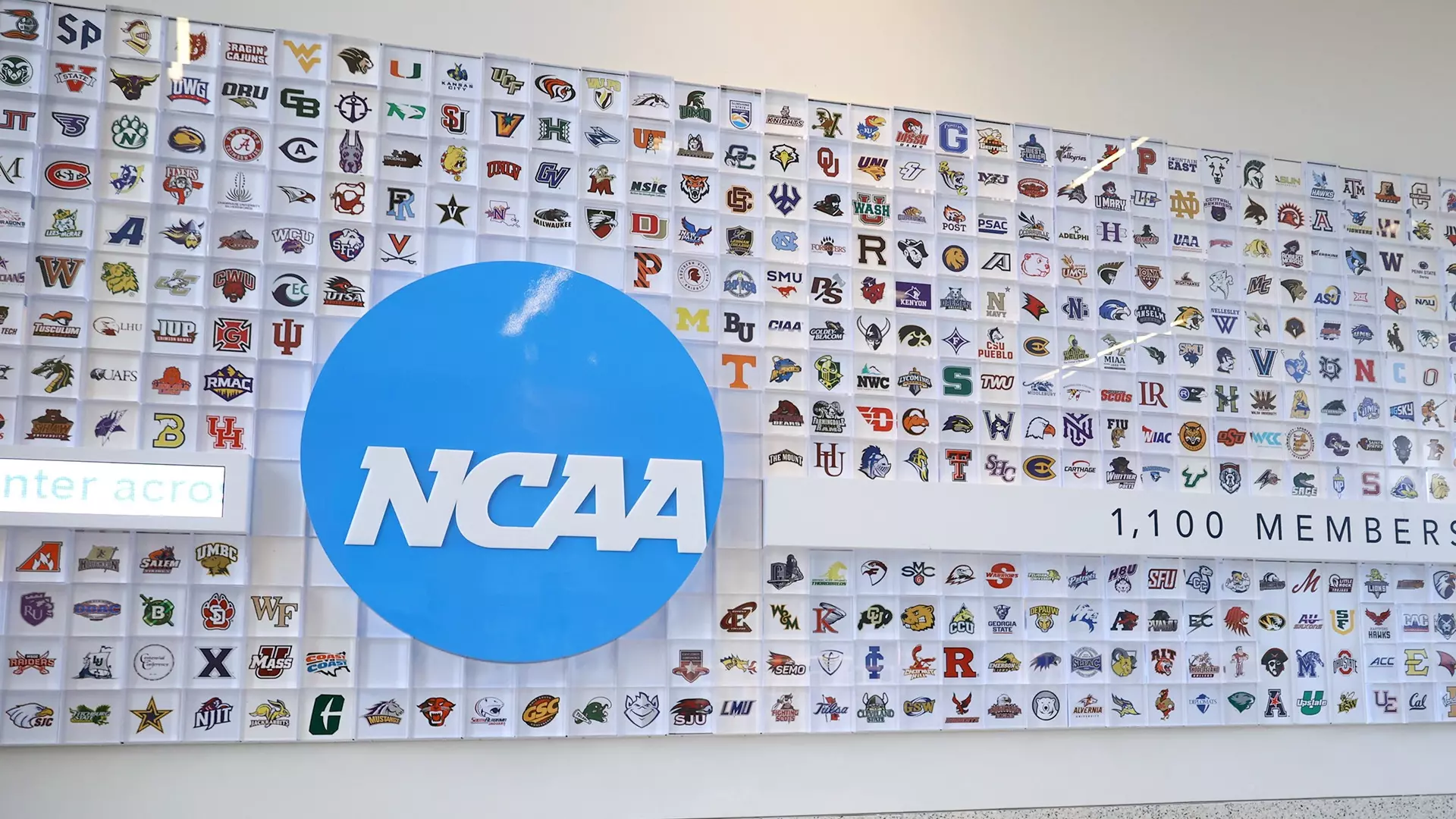
Most families start recruiting with the wrong question. They ask whether an athlete is good enough to play in college. The better question is where that athlete actually fits. The phrase college athletic recruiting levels sounds simple, but it sits underneath almost every smart recruiting decision you will make.
If you miss your real level, everything else gets harder. You waste months emailing schools that were never realistic, or you undersell yourself and ignore programs that could have been a great match. Real recruiting is not about chasing the biggest logo. It is about finding the schools where your athletic ability, academic profile, budget, and long-term goals line up.
That is also why recruiting can feel so confusing. An athlete can be good enough for college sports and still be aiming at the wrong slice of colleges. A player might have Division I tools but Division II timing. Another might fit strong Division III or NAIA programs that are better overall matches than lower-end scholarship offers elsewhere.
How do recruiting levels work for different sports?
Once you understand how coaches sort recruits, the process gets clearer fast. You stop treating recruiting like a mystery and start treating it like a map.
A recruiting level is not just a division label. It is a practical estimate of where you can help a program, earn serious interest, and realistically move through admissions and affordability. That is why one athlete can fit multiple levels at once, depending on the school, region, and timing.
The NCAA splits schools into Division I, Division II, and Division III, but those divisions are wide buckets, not clean talent rankings. The NAIA has its own recruiting landscape, and the NJCAA gives athletes another strong route through junior college sports. If you only think in terms of D1 versus not D1, you miss a huge part of the market.
One of the biggest mistakes families make is assuming every Division I program recruits at the same level. That is never true. In many sports, the gap between a national title contender and a lower-resourced regional program is enormous. The same is true in Division II, Division III, NAIA, and JUCO.
There are strong Division II and NAIA programs that could beat lower-level Division I teams. There are Division III schools with demanding admissions and excellent athletics. There are junior colleges that can be the right development path for athletes who need more growth, better exposure, or a more affordable bridge.
Coaches are not handing out labels for effort. They are building a roster. They want players who fit a role, starter, depth piece, developmental athlete, specialist, or future contributor. That means your recruiting level depends on how a coach sees you inside a specific program, not on the biggest name you can imagine.
If a coach cannot picture where you help their team, the division on the website does not matter. If a coach can clearly see your fit, interest gets real quickly.
Most mistakes around college athletic recruiting levels happen because families use the wrong evidence. They judge the market based on emotion, isolated compliments, or social media noise instead of real signals.
• A great weekend at camp does not automatically mean you fit that school.
• A teammate committing to a certain level does not mean you should target the same level.
• Club or high school dominance only matters when coaches can place it in context.
• Highlight clips can make almost any athlete look recruitable for a few seconds.
• Academics, cost, and geography can raise or lower the actual list in a big way.
A lot of families also confuse encouragement with traction. Coaches often say positive things because they want to keep options open. Real traction usually looks like consistent communication, direct questions, requests for academic info, interest in upcoming events, and a clear next step.
What matters most when figuring out my realistic college recruiting level?
When coaches evaluate a recruit, they are combining current ability with future projection. That is why college athletic recruiting levels are part performance, part projection, and part school fit.
This is the obvious part, but it still gets misunderstood. Coaches care about times, scores, size, speed, stats, video, and in-game impact. The exact mix depends on the sport. In track, swimming, golf, and cross country, objective numbers matter a lot. In sports like soccer, basketball, softball, lacrosse, baseball, volleyball, or football, film and live evaluation usually carry more context.
The key is not just whether your numbers look good. It is whether your production matches the level of program you are targeting.
Coaches also ask where those numbers came from. Who did you play against. What club level were you at. Was your success against top competition or weak local competition. Were you the main option on your team, or were you thriving in a smaller role against elite opponents.
Context matters because recruiting is comparison. Coaches are constantly sorting athletes from different regions, events, and schedules into one board.
Especially for younger athletes, projection matters. Size, speed, explosiveness, mechanics, movement quality, and room to develop can change the way coaches view you. A sophomore with a strong frame and clear upside may get more patience than an older athlete with similar current production but less obvious room to grow.
This is also why families should be careful about locking themselves into a label too early. Your level today does not have to be your level a year from now.
Academics are not separate from recruiting, they are part of it. A strong GPA and course load can open doors at selective schools, increase merit aid possibilities, and make you more attractive to coaches who do not want admissions risk. A weaker transcript can shrink the list fast, even for talented athletes.
If you are still exploring schools, the Pathley Sport Directory and Pathley College Directory can help you see the size of the landscape before you narrow your targets.
Coaches notice how recruits communicate. A clear intro email, a polished profile, updated video, and consistent follow-up all matter. They do not replace ability, but they help coaches take the next step. Recruiting is easier when your information is organized and easy to evaluate.
How can I build a college list that matches my athletic and academic fit?
Once you understand your profile, every school on your list should fall into a reach, target, or safety bucket. This is where recruiting becomes strategic instead of emotional.
These are schools where you have a possible path, but not an obvious one yet. Maybe the athletic bar is a little high. Maybe your academics are below the usual range. Maybe your exposure is limited and you need more evaluation opportunities. Reach schools are fine to keep, but they should not be the whole plan.
This is the sweet spot. Your current profile lines up with the level of the roster, the school is academically realistic, and a coach can reasonably see where you fit. Most of your energy should go here because this is where recruiting traction usually turns into real opportunity.
Safety does not mean bad fit. It means you likely meet or exceed the general athletic and academic bar. You still need to like the campus, cost, and environment. A school can be a recruiting safety and still be the best long-term decision for your life.
To sanity check your list, it helps to study roster construction, class balance, and positional depth. The free Analyze Team Roster tool can help you understand how a team is built over the next few recruiting cycles. That kind of context is much more useful than guessing based on a school logo.
What are the biggest signs that I am targeting the wrong schools?
A common story goes like this. An athlete has a few strong events, hears that they might be Division I, and builds a list with only high-profile schools. Months go by. Responses are slow or generic. Interest feels vague. Meanwhile, strong Division II, NAIA, or lower Division I programs that actually match the profile never get contacted.
This does not mean the athlete should dream smaller. It means the athlete should recruit smarter. Ambition is good. A one-dimensional school list is not.
Another athlete may be solid athletically, but excellent academically. That changes the equation. Selective schools, strong Division III programs, and schools with good merit aid may become excellent options. Families who only look for athletic money often miss the schools where the total package is better.
Some athletes improve later than others. They grow, get faster, add strength, or finally land on the right club team. Those athletes sometimes assume the recruiting window has closed because they were not on radar early. In reality, regional programs, NAIA schools, Division II programs, and JUCO routes can all create real paths if the athlete adjusts the list and acts quickly.
Athletes often treat recruiting level like a status contest, but families live with the financial decision for four years. That is why cost needs to be part of your recruiting level discussion from the beginning.
According to the NCAA division overview, Division III schools do not award athletic scholarships, but that does not mean they are automatically unaffordable. Academic aid and need-based aid can make a Division III school cheaper than a partial athletic scholarship elsewhere. NAIA and JUCO schools may offer aid too, but the size and structure of those packages vary a lot by sport and school.
The best move is to stop asking whether a school gives athletic scholarships and start asking what the real net cost could be. A smaller scholarship at the right school can be better than a bigger scholarship at the wrong one. A walk-on path at a dream logo can be more expensive and less stable than a rostered role at a school that truly values you.
Once you have an honest read on your level, the next step is action. You do not need a perfect list on day one, but you do need a structured one.
• Start wide enough to see real options, then narrow to schools that match your athletic level, academics, campus preferences, and budget.
• Compare schools inside the same realistic band instead of jumping only to the biggest names.
• Keep video, transcript details, contact notes, and event schedule organized so outreach is easier.
• Reassess every few months because development, exposure, and coach feedback can shift your list.
• Use free resources like the Pathley tools page to test ideas before you commit to a full strategy.
A good list is alive. It changes as your performance changes and as you learn more about what coaches are actually telling you. The families who make the best decisions are usually the ones who stay flexible without becoming random.
How should I narrow my schools once I know my recruiting level?
Recruiting gets better when your strategy gets more honest. You do not need hype. You need clarity. When you know where you actually fit, the process becomes simpler, faster, and a lot less stressful.
Your best opportunity might be higher than you thought. It might also be different than you imagined. Either way, the families who win in recruiting are the ones who find fit early and act on it.
Rosters, coaches, and division breakdowns for every NCAA and NAIA program we track.