Insight
How to Get Recruited for College Sports: Complete 2025 Guide
Learn how to get recruited for college sports with a clear game plan. Build your profile, contact coaches, use camps wisely and leverage AI with Pathley.
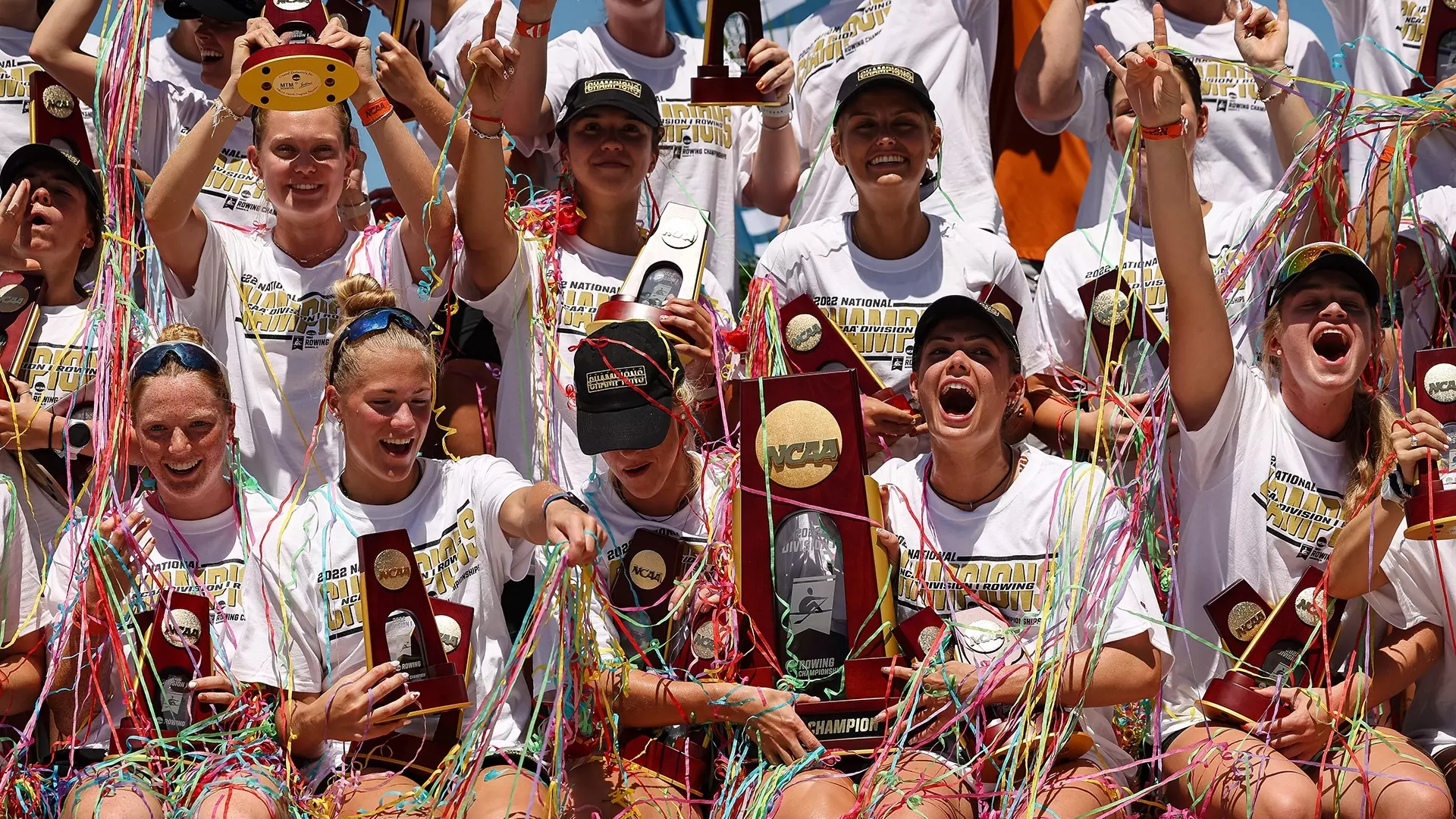
You are serious about playing in college. You train, travel to tournaments and scroll through rosters picturing your name on that list. Yet when it comes to the college recruiting world, it can feel like everyone else got the playbook and you are trying to guess the rules in real time.
If you are trying to figure out how to get recruited for college sports, you have probably heard a mix of conflicting advice. Go to every camp. Do not go to any camps. Wait for coaches to find you. Email 200 coaches today. It is confusing, and the wrong moves can waste time, money and energy.
This guide is the clear, modern game plan you should have gotten on day one. We will walk through what college coaches actually look for, how to build a real recruiting profile, smart ways to contact coaches and where new tech like Pathley fits into all of this.
Before you dive into the details of how to get recruited for college sports, you need a reality check on the numbers and how the process actually works.
According to NCAA data, only a small slice of high school and club athletes will compete at the college level at all. The NCAA estimates that about 7 percent of high school athletes play in college, and an even smaller fraction receive athletic aid (source). That sounds harsh, but it is actually good news for focused athletes because most players are not organized about recruiting.
Here is what that means for you:
The goal is not just any college offer. It is finding the right level, role and academic fit where you can develop, contribute and graduate with options.
The best recruiting journeys start with self awareness. You cannot build a smart plan until you know what you are aiming for and where you stack up right now.
Ask yourself and your family some real questions:
Your answers shape everything: the divisions you target, how much travel is realistic and what kind of scholarship situation makes sense.
Coaches recruit based on evidence, not vibes. You need an honest picture of where you fit.
This is not about limiting yourself. It is about starting from reality so you can build toward stretch goals instead of chasing fantasy offers that will never materialize.
Academics are not a side note. They are a recruiting tool and in many cases the difference between yes and no.
For more on academic and eligibility expectations, check out the NCAA's own recruiting and eligibility information at https://www.ncaa.org and NAIA guidance at https://www.naia.org/legislative/eligibility-center.
Once you know your goals and level, you need to package yourself in a way college coaches can evaluate fast. Think of this as your digital first impression.
Your athletic resume does not need to be fancy. It needs to be clear, accurate and easy to scan.
Key sections to include:
If you are not sure what to put on an athletic resume or how to format it, tools like Pathley's AI assistant can help you build a clean profile quickly and keep it updated as your stats improve.
Coaches are flooded with film. Your highlight tape has maybe 20 seconds to convince them you are worth a deeper look.
Practical tips for a strong recruiting video:
Remember your highlight is a trailer, not the movie. The goal is to earn a coach's time on your full game film or live evaluation.
Spray and pray emailing 200 random programs usually turns into silence. A focused list that matches your level and priorities gives you a real shot at traction.
A strong target list includes:
Here is where technology can save you months of guesswork. Instead of manually clicking through hundreds of athletic sites, you can use Pathley Chat to describe your sport, stats, GPA and preferences and get AI driven matches to programs that fit. Pathley can also surface roster data, coaching changes and realistic ranges for where you may project, so you focus where you actually have a shot.
At some point, recruiting stops being about profiles and becomes about people. Your goal is to get on the radar, build honest relationships and see where mutual interest exists.
Think of your first email or DM as your handshake. It should be short, specific and easy to respond to.
A simple structure that works:
Two important rules:
Coaches are not ignoring you on purpose. They are managing a roster, current team, travel and hundreds of recruits across classes. Respectful persistence matters.
What you should not do: spam daily messages, ask for scholarships in the first email or get salty if a coach is honest that you are not a fit. Every clear no frees you up to focus on schools that might say yes.
Camps and showcases can be either a rocket booster for your recruiting or a money pit. The difference is strategy.
Consider investing in a camp or showcase when:
Big brand events can be fun and expose you to lots of logos, but smaller, targeted ID camps where staff is actually evaluating your position can be more valuable.
Unofficial or official visits are where things get real. You are stepping into the environment you might live in for years.
Ask questions that go beyond the sales pitch, such as:
Your goal is not to impress the coach. It is to figure out if this is a place where you can grow as an athlete and as a person.
Athletic scholarships are rarely as simple as full ride or nothing. The reality depends on the sport, division and school.
Some sports at the highest NCAA division are considered head count sports where athletes who receive athletic aid get full scholarships. Many others are equivalency sports where coaches are allowed a pool of scholarship money to divide across the roster in partial awards.
On top of athletic aid, most athletes stack:
NAIA, junior colleges and other associations have their own scholarship structures and can be great options, especially for late bloomers or international student athletes. You can find specific NAIA eligibility and aid information directly from the association at https://www.naia.org.
Walking on to a program can be a viable path, but it comes with tradeoffs. There are two main types:
If a coach is talking about you as a walk on, ask direct questions about how many walk ons have earned playing time or scholarships in the past few years. You deserve to understand your realistic path, not just the dream version.
For years, recruiting advice has been stuck in the same loops: send more emails, pay for another list, attend another camp. The reality is you can be doing a lot of work and still feel in the dark about whether it is moving you closer to an offer.
That is exactly why Pathley exists. It is an AI powered recruiting platform built to give athletes, parents and coaches real clarity, not just more noise.
With Pathley you can:
On the coaching side, programs can define roster needs and receive AI curated athlete recommendations, which helps them find athletes who might otherwise be overlooked. That is good news if you are not the most hyped recruit in your area but you are serious, coachable and improving.
When you zoom out, how to get recruited for college sports comes down to a simple pattern:
You do not control who offers you a spot. You do control how prepared, organized and proactive you are. Athletes who treat recruiting like a process instead of a lottery put themselves in the best position to hear yes when it matters.
If you are tired of guessing and refresh checking your inbox, it is time to run a smarter playbook.
Create your free profile on Pathley, plug in your sport, stats and goals, and let AI help you find realistic matches, sharpen your athletic resume and stay on top of roster changes. You will still need to do the work in the classroom, weight room and on the field, but you will finally have a clear map for where to focus.
Get started in a few minutes at https://app.pathley.ai/sign_up and give yourself a better shot at finding the right college program, not just any program.
Rosters, coaches, and division breakdowns for every NCAA and NAIA program we track.