

Big Ten competition, strong technical academics and a residential college-town experience give athletes distinct reasons to consider Purdue.
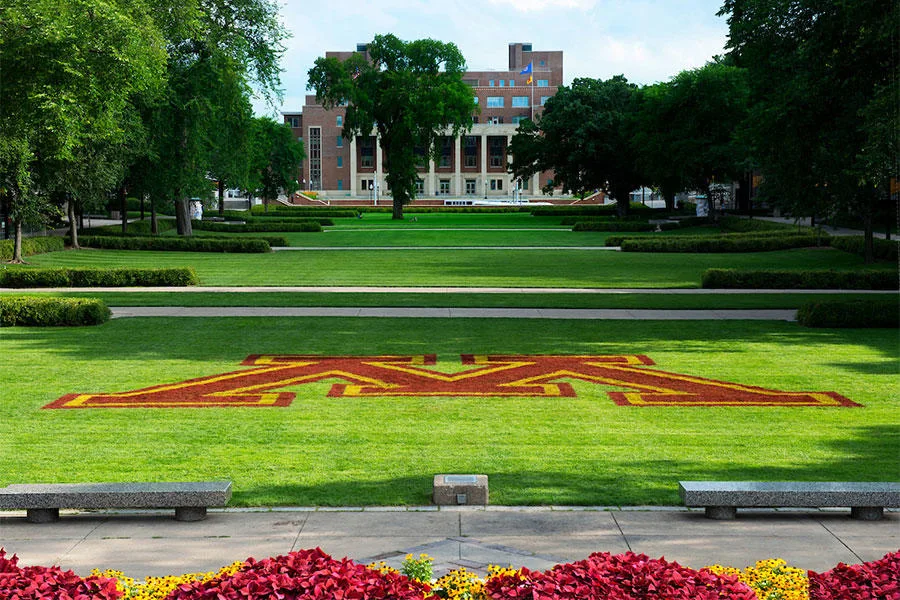
NCAA Division IBig Ten ConferenceMinnesota

University of Minnesota, Twin Cities Baseball
One plan built for University of Minnesota, Twin Cities Baseball, with the roster read, the coach's contact and a dated plan, delivered within 24 hours. An expert checks every plan.
- 35
- Roster
- 13
- Leaving
- 53%
- In-state
- 31%
- Transfers
Overview
University of Minnesota, Twin Cities Baseball Team Details
Key facts about the University of Minnesota, Twin Cities baseball team.
The Big Ten Conference includes University of Minnesota, Twin Cities, which competes in Division I baseball. After the 2026-27 season, it loses seven pitchers, the most of any position group, followed by three outfielders. Seniors and graduate students make up 37% of the roster, which makes it a veteran team.
NCAA Division IBig Ten ConferenceMidwestMinnesota
- Head coach
- Ty McDevitt
- Home venue
- Siebert Field
- Average roster
- 35
- Five-year win rate
- 37%
Head Coach
players a season
Fit check
Do You Fit at University of Minnesota, Twin Cities?
Pick your position and level, add a test score if you have one, and get an instant read on your chances here. Free, and no account needed.
Coaching staff
Get on This Staff's Radar
Head coach
Ty McDevittHead CoachEmail●●●●●●@●●●●.edu
Phone(●●●) ●●●-●●●●
Roster
Roster Breakdown
The roster by class
9FreshmenFr.
6SophomoresSo.
7JuniorsJr.
9SeniorsSr.
4GraduateGrad
35 players on the latest roster (2027).
Roster openings after 2026-27
13players in their final year, 37% of the roster
Pitcher 7 · Infielder 2 · Outfielder 3 · Utility/Designated Hitter 1
Watch pitchers for the Class of 2027, since seven leave after the 2026-27 season, followed by three outfielders. That class walks into more openings than most, with 13 players, 37% of the roster, set to leave after that season, against a median of 26% among Division I baseball teams.
See who you would be replacingMany of last season's non-seniors are gone, as just 37% are back, against a 61% median among Division I baseball teams. Upperclass depth is the story here, as 13 of 35 players are seniors or graduate students. Those players will leave soon, which tends to open spots for the next class.
Positions
Baseball Roster by Position
How many players a season the program carries at each position, and how tall they are.
Pitcher
18.3players a season
Average height 6'2"
Catcher
2.3players a season
Average height 6'1"
Infielder
9players a season
Average height 6'1"
Outfielder
5players a season
Average height 6'0"
Utility/Designated Hitter
0.7players a season
Average height 5'11"
Transfers
Transfers In and Out
11
transfers in for 2026-27
2
transfers out
- Share of the roster
- 31%
- Per 100 freshmen
- 122
- By position
- Pitcher 7 · Catcher 1 · Infielder 2 · Outfielder 1
- Came from
- 5 from Division I, 6 from Division II
Footprint
Where This Team Recruits
Where the players are from
106players
In-state52.8%
Other US states46.2%
International0.9%
Counted from players on recent rosters with a known hometown.
Top home states
Minnesota53%
Wisconsin18%
Illinois5%
Missouri4%
Iowa3%
Results
University of Minnesota, Twin Cities Baseball Recent Results
Swipe to see every season
2021
16%6-31overall
6-31conference
2022
31%16-36overall
6-18conference
2023
35%18-34overall
10-14conference
Best season
2024
52%25-23overall
11-13conference
Latest
2025
46%24-28overall
10-20conference
With a 37% winning percentage across five seasons, this team sits in the bottom quarter among Division I baseball teams.
Standings
Big Ten Conference Standings
Where University of Minnesota, Twin Cities stands in the Big Ten Conference.
Schedule and travel
Baseball Schedule
The season's games, home and away, and how far the team travels.
Recruiting
Recruiting Outlook
University of Minnesota, Twin Cities men's baseball competes in NCAA Division I in the Big Ten Conference. Minnesota improved to 30-23 in 2026 after going 24-28 in 2025, but finished tied for 12th in the 2026 conference standings; its most recent NCAA appearance and Big Ten title came in 2018. Earning a roster spot requires advanced skills, physical tools and a strong competitive record.
2026 30-win season2018 Big Ten title and NCAA appearanceBig Ten Division I roster competition
Recruiting difficulty
60/ 100
OpenCompetitiveSelectiveElite
Big Ten competition makes roster spots difficult, while Minnesota's recent mid-table finishes create opportunities for prepared recruits with strong tools and performance records.
What coaches value
- Consistent swing decisions, barrel control and quality at-bats against advanced pitching
- Position-specific defense, arm accuracy and reliable execution on routine and pressure plays
- Bat speed, throwing velocity, running ability, durability and competitive response under pressure
- Academic preparation, coachability, communication and commitment to team standards at a large public university
How to get recruited here
Contact the staff early with your graduation year, primary position, measurable tools, statistics, academic information, video and upcoming schedule. Include verified pitching velocities, running times, exit velocity, defensive metrics or game results relevant to your position, then pursue live evaluation through showcases, camps and high-level summer competition.
Who fits this program
- NCAA Division I baseball suits athletes seeking high-level competition and continued development against Big Ten opponents.
- Challenging academics require disciplined athletes who can manage demanding coursework with a Division I schedule.
- A large public university in urban Minneapolis suits athletes who prefer extensive campus opportunities and city access.
- The program fits athletes pursuing strong competition, measurable development and potential professional baseball opportunities.
Videos
University of Minnesota, Twin Cities Baseball Videos
The school
School Environment
The University of Minnesota, Twin Cities combines major research strength with a broad range of majors in computing, business, health and the sciences, making academic fit and support resources important parts of your recruiting decision.
University of Minnesota, Twin CitiesMinneapolis, MinnesotaSee the full profile 80%
Acceptance rate
85%
Graduation rate
- Undergraduates
- 41,303
- Net price a year
- $17,330
- Earnings after ten years
- $74,314
Official links
Official University of Minnesota, Twin Cities Baseball Links
Similar programs
Similar Baseball Teams
Programs at a similar level, with similar academics, worth adding to your recruiting list.
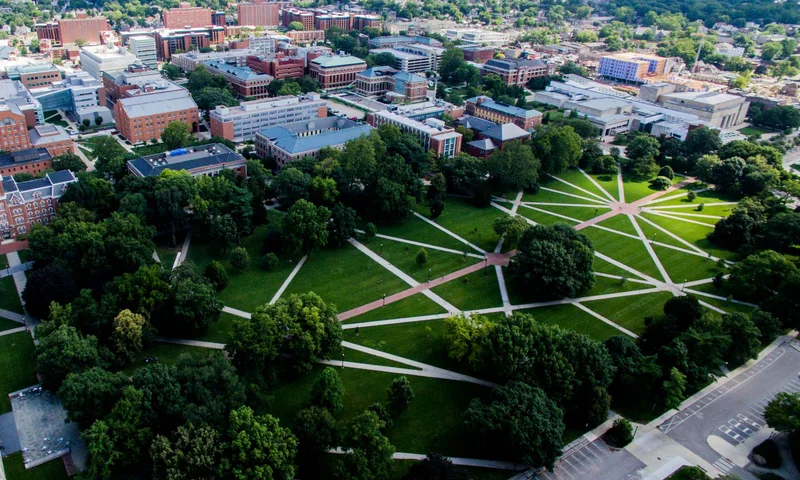

Big Ten competition, broad academic choices and research opportunities appeal to athletes seeking a large university experience.


Research opportunities, Big East competition and a lively residential campus give athletes compelling reasons to consider studying here.
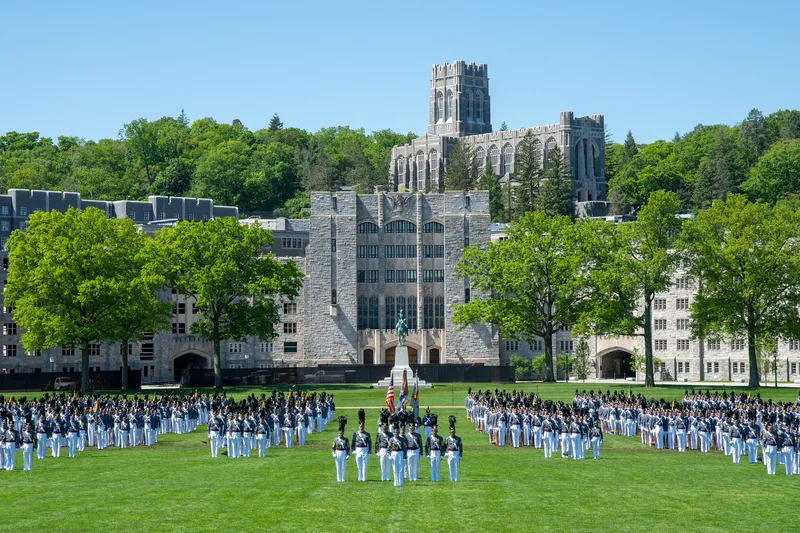

Athletes choose a fully funded education, competitive athletics and leadership preparation tied directly to Army service.
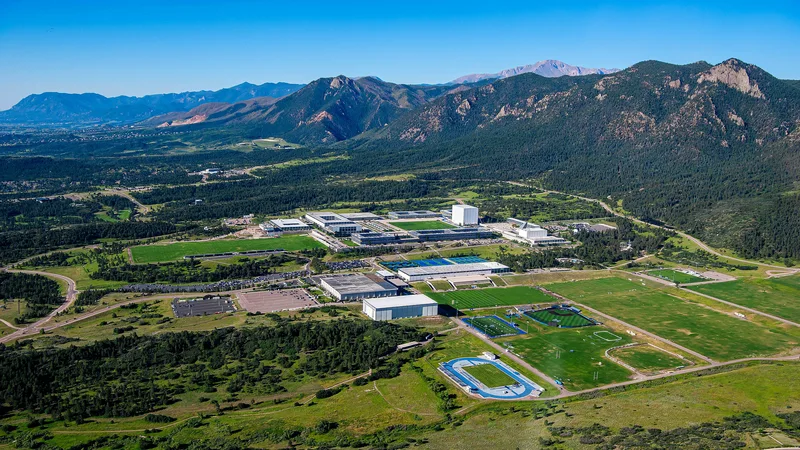

Athletes choose a fully funded education that combines competitive athletics, engineering preparation and military leadership development.


Division I competition, a respected business school and access to Twin Cities employers give athletes strong reasons to consider St. Thomas.
Roster openings · 2026-27
Which D1 Baseball programs have the most roster spots opening up?
Every program ranked by players in their final year, with the positions they are losing.
10.2players leaving per program, on average
See the programs Three ways to start
Where are you in the search?
Pick the option that matches where you are, and we will show you the plan that fits.
Recruiting Plan
Your 20 to 25 best-fit schools, picked for you.



- Starter: the list, fit reads, real costs and a dated timeline
- Complete: adds roster reads and coach emails for every school
$99 or $249Starter or Complete, one time
Build my plan
Roster Report
The roster at your position, at the schools you pick.


- Who is graduating at your position, class year by class year
- Where spots are likely to open, in plain words
From $193, 8 or 15 schools
Choose my schools
School Plan
One school, covered end to end.
- Your honest odds, the roster and the verified coach
- Intro email, three follow-ups, admissions steps and timeline
$49One school, one time
Pick my school Resources