Skills campBaseball · Men's
Hump Day Hitting Clinic
- Jan 21, 2026
- Alexander Field, West Lafayette, IN
- $54
One-hour hitting clinic for ages ~8-18 taught by Purdue coaches and players; max 20 players.
Browse programs
College directoryEvery program, filtered by what fits Sport directoryMen's and women's, every division State directoryPrograms in the states you would play inGo deeper
Major directoryYour major and your sport in one list Camp directoryID camps and showcases at college programs Conference directoryEvery conference and its member colleges

One plan built for Purdue University Baseball, with the roster read, the coach's contact and a dated plan, delivered within 24 hours. An expert checks every plan.
Overview
Key facts about the Purdue University baseball team.
Purdue University runs a baseball team in West Lafayette, Indiana, competing in the Big Ten Conference at the Division I level. After the 2026-27 season, it loses seven pitchers, the most of any position group, followed by four infielders. It is an experienced group, with 14 of 40 players seniors or graduate students.
Baseball Head Coach
players a season
Fit check
Pick your position and level, add a test score if you have one, and get an instant read on your chances here. Free, and no account needed.
Coaching staff
Head coach
Greg GoffBaseball Head CoachRoster
The roster by class
40 players on the latest roster (2026-27).
Roster openings after 2026-27
Pitcher 7 · Catcher 1 · Infielder 4 · Outfielder 2
Looking at the Class of 2027, departures cluster among pitchers, with seven finishing up after the 2026-27 season, followed by four infielders. Players at those positions have the clearest chance to step into new roles.
See who you would be replacingUpperclass depth is the story here, as 14 of 40 players are seniors or graduate students. Those players will leave soon, which tends to open spots for the next class.
Positions
How many players a season the program carries at each position, and how tall they are.
Average height 6'2"
Average height 6'1"
Average height 6'1"
Average height 6'1"
Average height 5'10"
Transfers
transfers in for 2026-27
transfers out
Footprint
Where the players are from
Counted from players on recent rosters with a known hometown.
Top home states
Recruiting reaches far past Indiana, which accounts for just 18% of the roster versus 40% for the median team among Division I baseball teams.
Results
Swipe to see every season
2021
38%16-26overall
16-26conference
2022
58%29-21overall
9-12conference
2023
45%24-29overall
11-13conference
2024
58%33-24overall
13-11conference
2025
57%31-23overall
11-19conference
Big Ten Conference play went 11-19 in 2025, a weaker mark than the 31-23 record overall. A 52% win rate over five seasons makes this a middle-of-the-table team, with no single year below 38% or above 58%.
Standings
Where Purdue University stands in the Big Ten Conference.
Recruiting
Purdue baseball competes at the NCAA Division I level in the Big Ten, where recruiting and roster competition are demanding. The program has a deep roster with experienced upperclassmen, transfers, junior college players, and developing underclassmen, so recruits generally need to show college-ready ability and a clear positional fit.
Recruiting difficulty
Purdue is a competitive Big Ten program where most roster opportunities require strong verified performance, physical tools, and a defined role.
What coaches value
How to get recruited here
Build a complete recruiting profile with verified measurables, video against strong competition, academic information, and recent statistics. Contact the baseball staff through the official recruiting process, explain your likely position or role, and continue developing the tools needed for Big Ten-level play.
How hard is it to make the team
Making Purdue baseball is difficult because it is a Division I Big Ten program with a deep roster and competition from recruited high school players, transfers, and junior college athletes. A realistic candidate should already demonstrate college-level athletic tools, reliable performance, and the ability to contribute in a specific role.
Who fits this program
Program stats
Athletes on the roster
Coaches on staff
Spent per athlete
Spending and revenue a year
Revenue covers 15% of what the program spends.
According to the 2025 EADA report, the program spends about $30,000 per athlete on operations, about three times the Division I median. Costs outrun income in the same report, with about $3.2 million spent against $480,000 in revenue, which covers 15% of the spending.
Source: the federal Equity in Athletics report, 2025.
Feeders
The high schools and clubs that sent the most players to this roster.
Four sources have each placed at least two players on recent rosters, Brother Rice High School among them.
The school
Purdue University's strengths in engineering, agriculture and technology shape an academic environment where recruits should weigh demanding coursework, admissions preparation, faculty access and career outcomes alongside their athletic commitments.
Purdue UniversityWest Lafayette, IndianaSee the full profile Acceptance rate
Graduation rate
Camps
New camp dates are not posted yet. These ran last season.
One-hour hitting clinic for ages ~8-18 taught by Purdue coaches and players; max 20 players.
One-hour hitting clinic for ages ~8-18 taught by Purdue coaches and players; max 20 players.
Official links
Similar programs
Programs at a similar level, with similar academics, worth adding to your recruiting list.
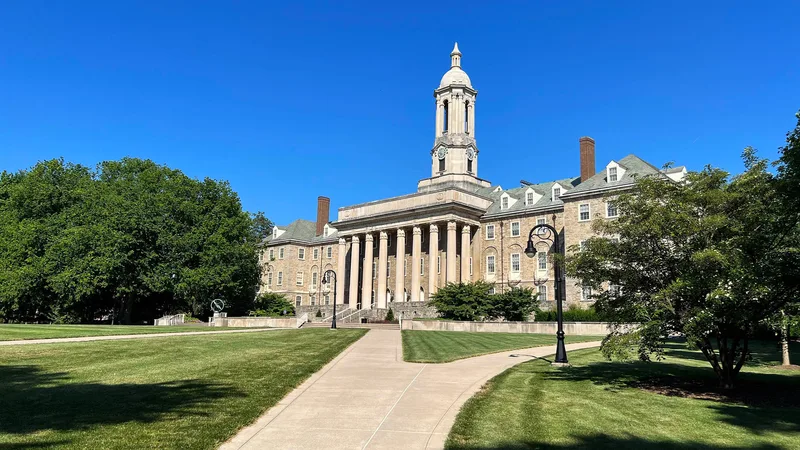
Big Ten competition, established academic strengths and an active residential campus draw athletes seeking a full college experience.
Big Ten competition, research opportunities and active campus life appeal to athletes seeking a broad college experience.
Competitive athletics, established academic programs and a faith-centered community appeal to athletes seeking structure and value.
Nationally prominent basketball, reachable faculty and strong career outcomes give athletes compelling reasons to consider this campus.
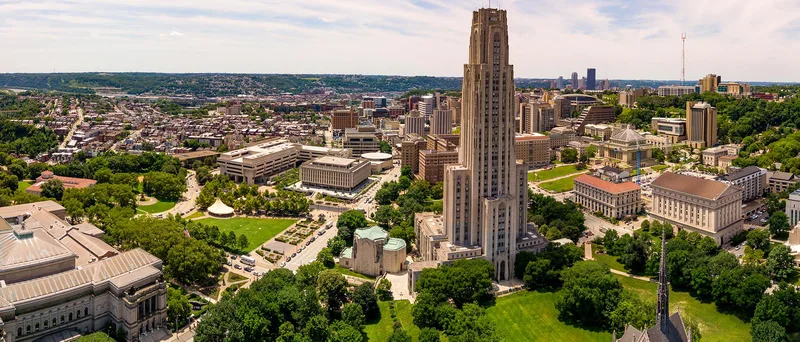
Health sciences, research opportunities and ACC competition draw athletes who want an academically demanding urban college experience.
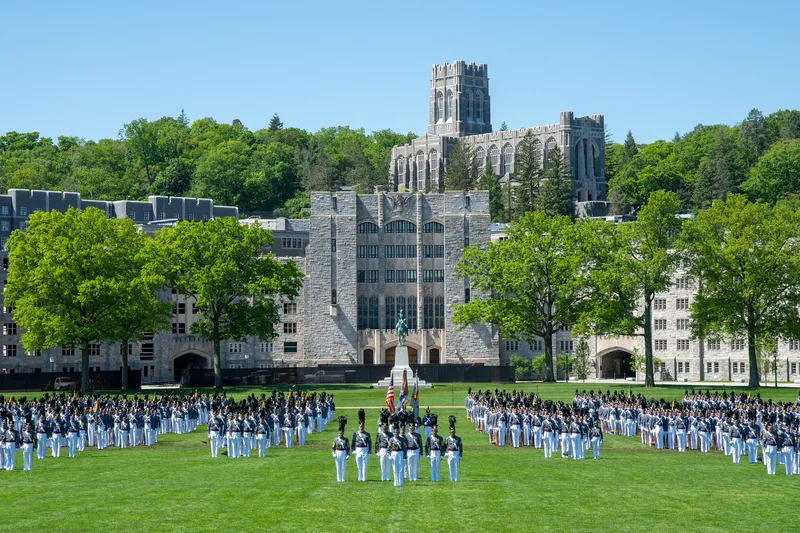
Athletes choose a fully funded education, competitive athletics and leadership preparation tied directly to Army service.
Teams in Indiana
Indianapolis, IN
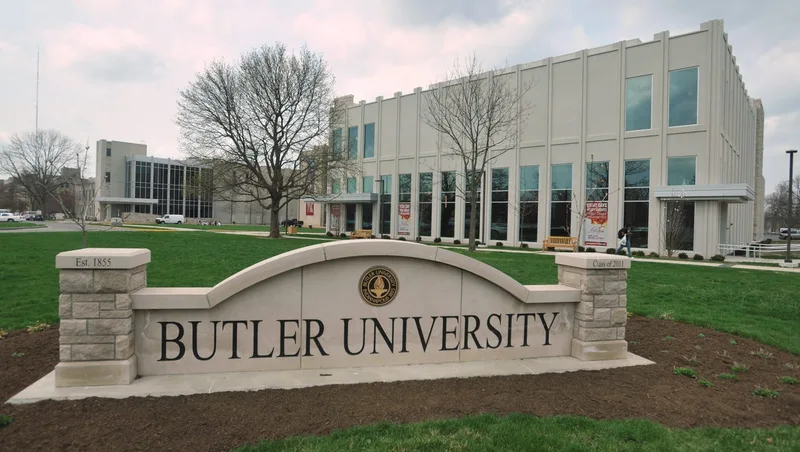
Athletes choose Butler for Big East competition, close faculty connections and professional opportunities in Indianapolis.
Evansville, IN
Close faculty mentoring, Division I competition and substantial institutional aid make this small campus worth considering.
Bloomington, IN
Big Ten competition, established academic strengths and an active residential campus draw athletes seeking a full college experience.
Notre Dame, IN
Competitive athletics, rigorous academics and a close residential community appeal to recruits seeking commitment beyond their sport.
Muncie, IN
Competitive athletics, specialized academic programs and in-state value give recruits several practical reasons to consider enrolling.
Terre Haute, IN
Accessible admissions, practical academics and affordable costs make a residential Division I experience worth considering here.
Evansville, IN
Accessible admissions, teaching-focused faculty and relatively affordable costs give athletes practical reasons to consider competing here.
Valparaiso, IN
Athletes can pursue Division I competition while staying connected to faculty in a small university community.
Roster openings · 2026-27
Every program ranked by players in their final year, with the positions they are losing.
Three ways to start
Pick the option that matches where you are, and we will show you the plan that fits.
Resources