Columbia University in the City of New York
New York, NY
Why it is similar: Same conference and state.Ivy League competition, demanding academics and New York City opportunities appeal to athletes with broad ambitions.
Browse programs
College directoryEvery program, filtered by what fits Sport directoryMen's and women's, every division State directoryPrograms in the states you would play inGo deeper
Major directoryYour major and your sport in one list Camp directoryID camps and showcases at college programs Conference directoryEvery conference and its member colleges

One plan built for Cornell University Football, with the roster read, the coach's contact and a dated plan, delivered within 24 hours. An expert checks every plan.
Overview
Key facts about the Cornell University football team.
The Ivy League is the home league for Cornell University football, a Division I FCS program in Ithaca, New York. The most room for the Class of 2027 is among offensive linemen, with six leaving after the 2026-27 season, followed by four defensive backs. Roster continuity is a strength, as 87% of last season's non-seniors are back, above the 67% median among FCS programs.
The Roger J. Weiss Head Coach of Cornell Football
players a season
Fit check
Pick your position and level, add a test score if you have one, and get an instant read on your chances here. Free, and no account needed.
Coaching staff
Head coach
Dan SwanstromThe Roger J. Weiss Head Coach of Cornell FootballRoster
The roster by class
119 players on the latest roster (2026).
Roster openings after 2026-27
Quarterback 2 · Running Back 1 · Wide Receiver 2 · Tight End 2 · Offensive Line 6 · Defensive Line 2 · Linebacker 3 · Defensive Back 4 · Specialist 1
After the 2026-27 season, six offensive linemen will leave, the largest group of departures by position, followed by four defensive backs. A recruit at those positions would arrive just as the roster turns over.
See who you would be replacingFew players leave early here, with 87% of last year's freshmen, sophomores and juniors back, versus a 67% median among FCS programs. Stable rosters tend to reward players already in the program, which matters for a newcomer's path to minutes.
Positions
How many players a season the program carries at each position, and how tall they are.
Average height 6'3"
Average height 5'10"
Average height 6'1"
Average height 6'4"
Average height 6'5"
Average height 6'3"
Average height 6'2"
Average height 6'0"
Average height 6'0"
Transfers
transfers in for 2026-27
transfers out
Footprint
Where the players are from
Counted from players on recent rosters with a known hometown.
Top home states
With the five largest states adding up to only 44% of the roster, the program recruits more broadly than most among FCS programs. Coaches here recruit well beyond one region, so location is less of a barrier for recruits.
Results
Swipe to see every season
2021-22
20%2-8overall
1-6conference
2022-23
50%5-5overall
2-5conference
2023-24
30%3-7overall
2-5conference
2024-25
40%4-6overall
3-4conference
2025-26
40%4-6overall
3-4conference
Under .500 in each of its last three seasons, the team has a 37% winning percentage from 2023-24 through 2025-26.
Standings
Where Cornell University stands in the The Ivy League.
Schedule and travel
The season's games, home and away, and how far the team travels.
Recruiting
Cornell football competes at the NCAA Division I FCS level in the Ivy League, where athletes face a strong academic and athletic evaluation process. The program has recently shown it can compete within the conference, but earning a roster opportunity still requires credible film, position-specific ability, and a strong admissions profile.
Recruiting difficulty
Cornell is a competitive Ivy League program with limited roster opportunities, and the academic admissions process adds another layer of selectivity.
What coaches value
How to get recruited here
Build a concise position-specific highlight video with full-game film, verified testing numbers, academic information, and an accurate physical profile. Contact the football recruiting staff early, attend relevant camps or showcases, and explain why Cornell fits both your academic goals and playing development.
How hard is it to make the team
Making Cornell football is difficult because it is a Division I FCS program competing in the Ivy League, and most roster opportunities are aimed at athletes who can contribute at that level. Walk-on possibilities may exist, but prospective players should realistically expect to compete with recruited athletes while also meeting demanding academic standards.
Who fits this program
Videos
Program stats
Athletes on the roster
Coaches on staff
Spent per athlete
Spending and revenue a year
Revenue covers everything the program spends.
According to the 2025 EADA report, the program spends roughly $4,400 per athlete on operations, about 42% below the FCS median.
Source: the federal Equity in Athletics report, 2025.
Feeders
The high schools and clubs that sent the most players to this roster.
Phillips Exeter Academy and Webb School Of Knoxville are tied at the top of the pipeline list, with three players each in recent seasons. A group of five schools and clubs each account for at least two recent players.
The school
Cornell University pairs demanding research-oriented academics with broad professional options, making academic preparation, major selection and the balance between coursework and athletic commitments central to evaluating your fit here.
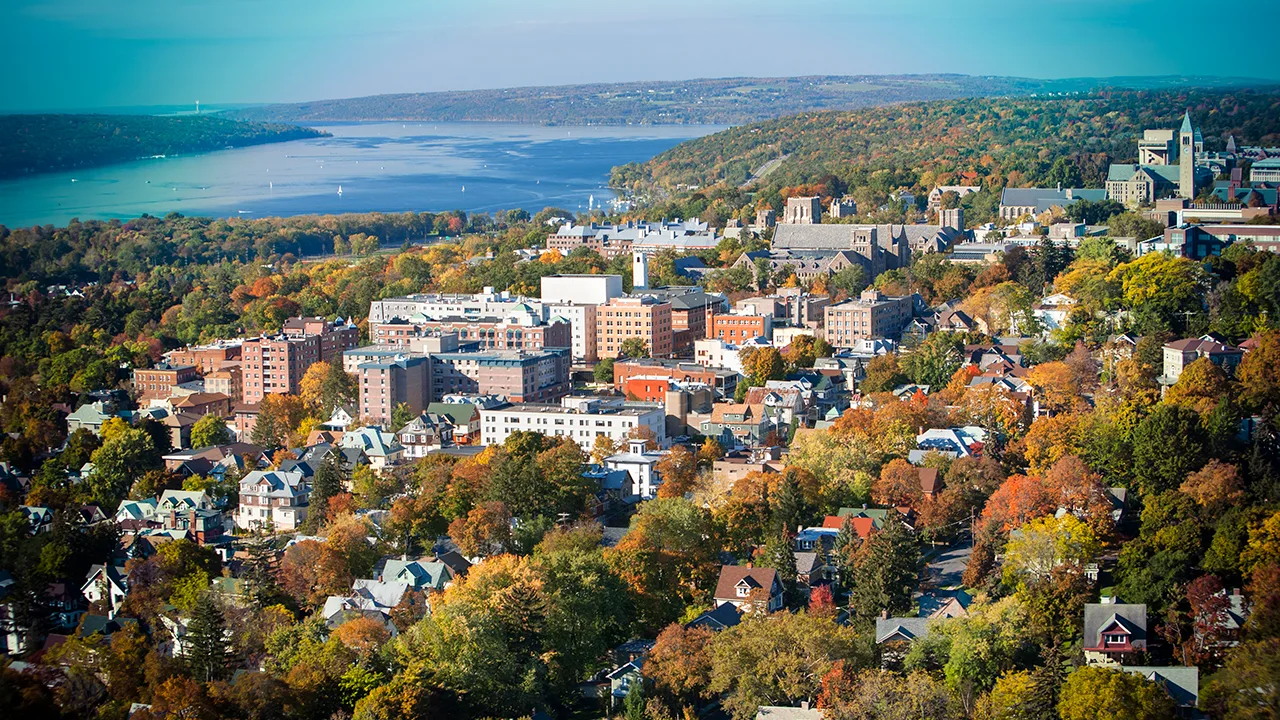 Cornell UniversityIthaca, New YorkSee the full profile
Acceptance rate
Graduation rate
Official links
Similar programs
Programs at a similar level, with similar academics, worth adding to your recruiting list.
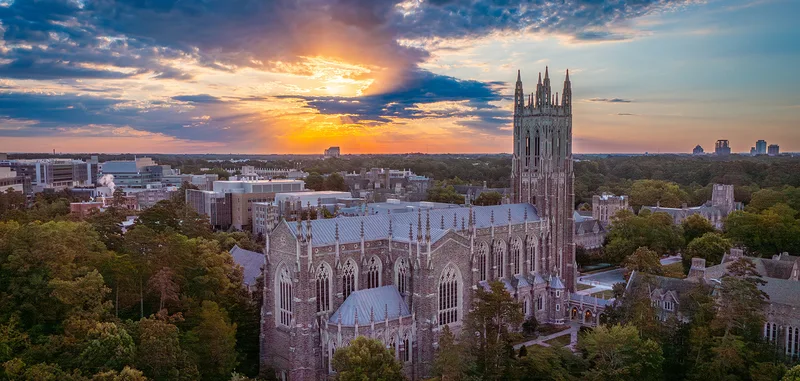
New York, NY
Why it is similar: Same conference and state.Ivy League competition, demanding academics and New York City opportunities appeal to athletes with broad ambitions.
Academic flexibility, close faculty access and Ivy League competition draw athletes who want substantial challenges beyond their sport.
Rigorous liberal arts study, close faculty relationships and competitive athletics appeal to recruits seeking a demanding college experience.
Big Ten competition, demanding academics and access to Chicago appeal to athletes with ambitious goals beyond sports.
Competitive athletics, demanding academics and Boston access appeal to recruits who want substantial opportunities beyond their sport.
Strong research opportunities, ACC competition and a spirited residential campus attract athletes with ambitious academic goals.
Teams in New York
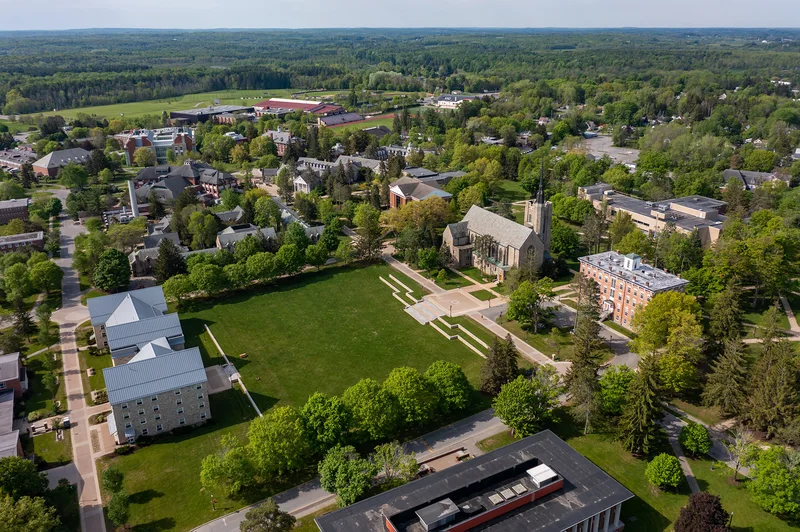
Hamilton, NY
Rigorous liberal arts study, close faculty relationships and competitive athletics appeal to recruits seeking a demanding college experience.
New York, NY
Ivy League competition, demanding academics and New York City opportunities appeal to athletes with broad ambitions.
New York, NY
Competitive athletics, business-focused academics and New York City career access give recruits distinct reasons to consider Fordham.
Brooklyn, NY
Career-focused study, accessible admissions and New York professional connections complement the demands of Division I competition.
Poughkeepsie, NY
Competitive athletics, career-focused academics and a residential Hudson River setting give recruits distinct reasons to consider studying here.
Stony Brook, NY
Research opportunities, competitive athletics and in-state value give recruits several practical reasons to consider studying here.
Syracuse, NY
ACC competition, strong professional programs and a lively residential campus give athletes compelling reasons to consider Syracuse.
Competitive athletics, research opportunities and access to capital-city internships give recruits a mix of academic and athletic options.
Canton, NY
Close faculty relationships, a residential community and competitive athletics appeal to students seeking a well-rounded college experience.
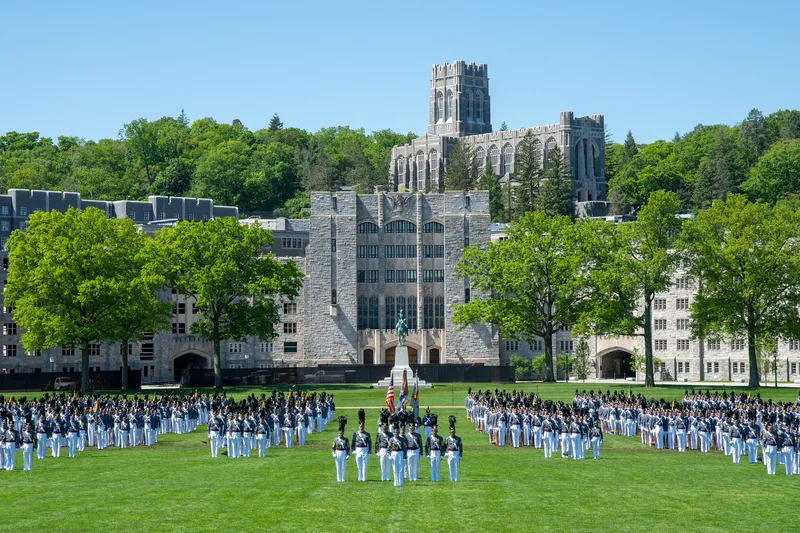
West Point, NY
Athletes choose a fully funded education, competitive athletics and leadership preparation tied directly to Army service.
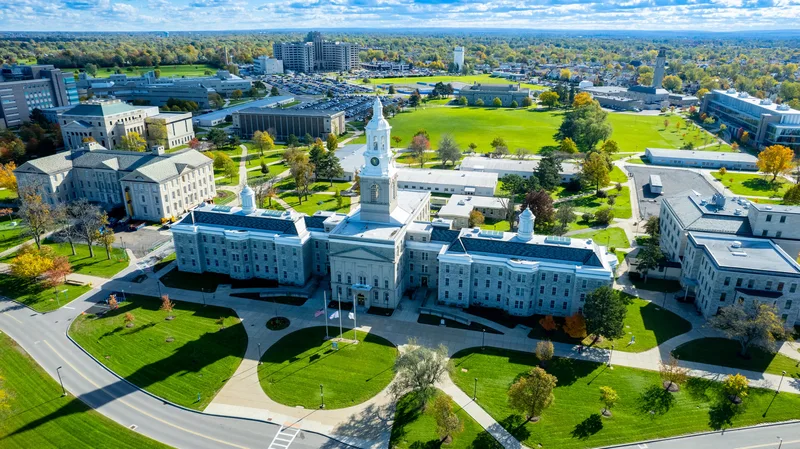
Buffalo, NY
Research resources, professional programs and Mid-American Conference competition give athletes several reasons to consider Buffalo.
Staten Island, NY
Close faculty relationships and city-based learning opportunities complement a small residential campus with Division I competition.
Roster openings · 2026-27
Every program ranked by players in their final year, with the positions they are losing.
Three ways to start
Pick the option that matches where you are, and we will show you the plan that fits.
Resources