Elite Prospect Camp
- Aug 24, 2025
- Lally Athletics Complex, On-campus, Syracuse, NY
- $275
Day prospect camp (9 a.m.–3 p.m.) for graduating classes 2026–2029 focused on skill instruction and game play with Syracuse women's lacrosse staff.
Browse programs
College directoryEvery program, filtered by what fits Sport directoryMen's and women's, every division State directoryPrograms in the states you would play inGo deeper
Major directoryYour major and your sport in one list Camp directoryID camps and showcases at college programs Conference directoryEvery conference and its member collegesOverview
Mission and culture
Syracuse University is a private research university in Syracuse, New York, with NCAA Division I athletics primarily in the ACC. Its Newhouse School of Public Communications, professional programs and residential campus offer a distinctive mix of career-focused academics and prominent college sports.
Why athletes choose Syracuse University
ACC competition, strong professional programs and a lively residential campus give athletes compelling reasons to consider Syracuse.
Fit check
Pick a sport, your position and level, add a test score if you have one, and get an instant read on your chances here. Free, and no account needed.
Academics
Syracuse University combines research opportunities with strengths in communications, public affairs, management and information studies, making academic preparation, course demands and career outcomes important considerations alongside your athletic fit.
Academic strength
A composite of graduation rate, earnings after college, how selective admissions are and how hard the coursework is.
Acceptance rate
More selectiveMore accessible
Admissions are moderately selective, so solid classroom preparation matters even when your athletic ability draws recruiting interest.
Six-year graduation rate
0%100%
Graduation outcomes suggest an excellent chance of finishing on time while pursuing your athletic goals.
Academic difficulty
Rated 4 out of 5
Expect demanding coursework that requires careful planning around practices, travel and competition.
Student to faculty ratio
students for every faculty member
Faculty should be reasonably accessible, giving you opportunities to seek guidance while managing your athletic schedule.
Median earnings
per year, ten years after starting college
Six years after: $60,459Strong graduate earnings support the value discussion, though your major and financial aid package still matter.
Undergraduate enrollment
undergraduate students
The large undergraduate community offers broad social and academic options, with your team providing a potential smaller circle.
SAT and ACT scores
Testing is optional, but the strong score profile makes submitting results worth considering when they reinforce your academic readiness alongside your classroom record.
Most popular majors
Admissions
Prepare your application to Syracuse University by reviewing deadlines by plan, test policy, the application fee and recommendation requirements alongside conversations with your recruiting contacts.
Binding. If admitted, you commit to attend.
Not binding. Hear back early and decide by May 1.
A second binding round with a later deadline.
The standard deadline. Not binding.
Majors
74 undergraduate majors across 7 academic areas.
No major matches that search.
Campus life
A large residential campus in an urban setting brings active Greek life, extensive student clubs and a campus atmosphere shaped by prominent athletics.
Athletics
Competing in NCAA Division I, primarily in the ACC, means a demanding athletic environment. Basketball, football and lacrosse contribute to the program's prominent national profile.
Athletic department
Explore how Syracuse University supports a substantial NCAA Division I athletic department through program revenue, recruiting investment and athletic aid, including how recruiting spending and aid differ by gender.
Athletes
Athletic aid
Recruiting spend
Source: the federal Equity in Athletics report, 2025.
Cost
At Syracuse University, the private university price makes comparing published costs, net price after grants and available need-based and merit-based aid essential to assessing affordability.
Average net price
What families pay on average after grants and scholarships, including tuition, housing and fees.
Published tuition
The sticker price a year, before any aid.
Financial aid
Need-based and merit-based aid availableAthletic scholarships, where a program offers them, are awarded by the coaching staff and come on top of these figures.
NIL
NIL rating
Syracuse University in Syracuse, New York offers a strong name, image and likeness (NIL) environment, driven by its NCAA Division I profile and passionate college sports fan base. High-visibility programs and a large alumni network create a solid foundation for student-athletes exploring NIL opportunities.
See the full NIL breakdownStudent fit
The kind of student-athlete who tends to do well at Syracuse University.
Syracuse University fits athletes seeking demanding NCAA Division I competition alongside strong professional programs, particularly those interested in communications, business or public affairs. You should be ready for challenging coursework and deliberate time management, rather than expecting your athletic schedule to make academics less demanding. The large residential community suits students who enjoy an urban setting, active campus life and opportunities to build connections through clubs, internships and alumni networks. Families who value strong graduation and career outcomes may find it worth pursuing, but should weigh the aid offer carefully, especially if affordability or a smaller campus is a priority.
Who thrives here
Career Focused AthletesHigh Expectation MindsetTime Management StrengthCompetitive Peer GroupBig Campus EnergyCamps
Syracuse University has not posted new camp dates yet. These ran last season.
Day prospect camp (9 a.m.–3 p.m.) for graduating classes 2026–2029 focused on skill instruction and game play with Syracuse women's lacrosse staff.
Questions
Syracuse University is best known for strong programs in communications, public affairs, business, architecture, engineering, and the arts. Its communications and public policy offerings are especially recognized nationwide, and it combines professional preparation with a solid liberal arts foundation.
Admission is competitive, with an emphasis on a strong high school record, challenging coursework, test scores if submitted, extracurricular involvement, and well-written application essays. Applicants are evaluated holistically, and meeting minimum criteria does not guarantee admission.
Campus life is active and social, with a large residential student population, many clubs and organizations, Greek life, student media, and frequent events. The campus has a strong sense of school spirit, particularly around athletics and seasonal traditions.
Yes, it offers established programs in engineering, computer science, and other STEM fields. Students benefit from research opportunities, modern labs, interdisciplinary projects, and industry connections that support internships and career placement.
It has a well-regarded business school known for programs in accounting, finance, marketing, entrepreneurship, and management. Students have access to experiential learning, professional development, and a broad alumni network in various industries.
Most first-year students live in on-campus residence halls, which include traditional and suite-style options. Upper-level students can choose from additional campus housing or nearby off-campus apartments, with housing offices providing guidance on placements and options.
The campus is set on a hill overlooking the city, with a mix of historic and modern buildings. The region experiences four distinct seasons, including cold, snowy winters, so students should be prepared for winter weather and enjoy access to related activities.
It offers a combination of need-based financial aid, merit-based scholarships, grants, loans, and work-study opportunities. Students are encouraged to submit financial aid forms by priority deadlines and explore institutional, state, and private scholarship options.
Athletics are a central part of campus culture, with teams competing at the NCAA Division I level. Home games, especially in major sports, draw large crowds, and traditions, pep rallies, and spirit events contribute to a vibrant game-day atmosphere.
Student-athletes receive structured support including academic advising, tutoring, and study hall resources. Coaches and academic staff work together to manage practice and travel schedules so athletes can meet both academic and athletic commitments.
Graduates benefit from a strong alumni network, dedicated career services, and internship opportunities across many fields. Many students secure internships during their studies and pursue careers in business, media, technology, government, and nonprofit sectors or continue to graduate school.
It attracts students from across the United States and around the world, offering orientation programs, academic support, cultural organizations, and advising tailored to diverse backgrounds. The campus community and surrounding city provide resources to help new students adjust and succeed.
Compare
Other colleges worth comparing with Syracuse University.
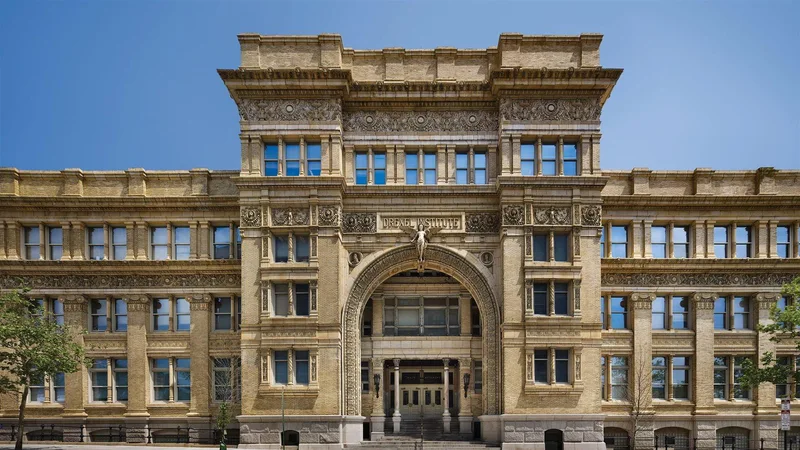
Competitive athletics, applied learning and Philadelphia career opportunities appeal to athletes with clear professional goals.
Competitive athletics, business-focused academics and New York City career access give recruits distinct reasons to consider Fordham.
Competitive athletics, challenging academics and a Christian campus community give recruits distinct reasons to consider Baylor.
Competitive athletics, policy-focused academics and access to Washington internships connect your sport with longer-term career goals.
Competitive athletics, close faculty access and Denver internships appeal to athletes seeking professional preparation alongside their sport.
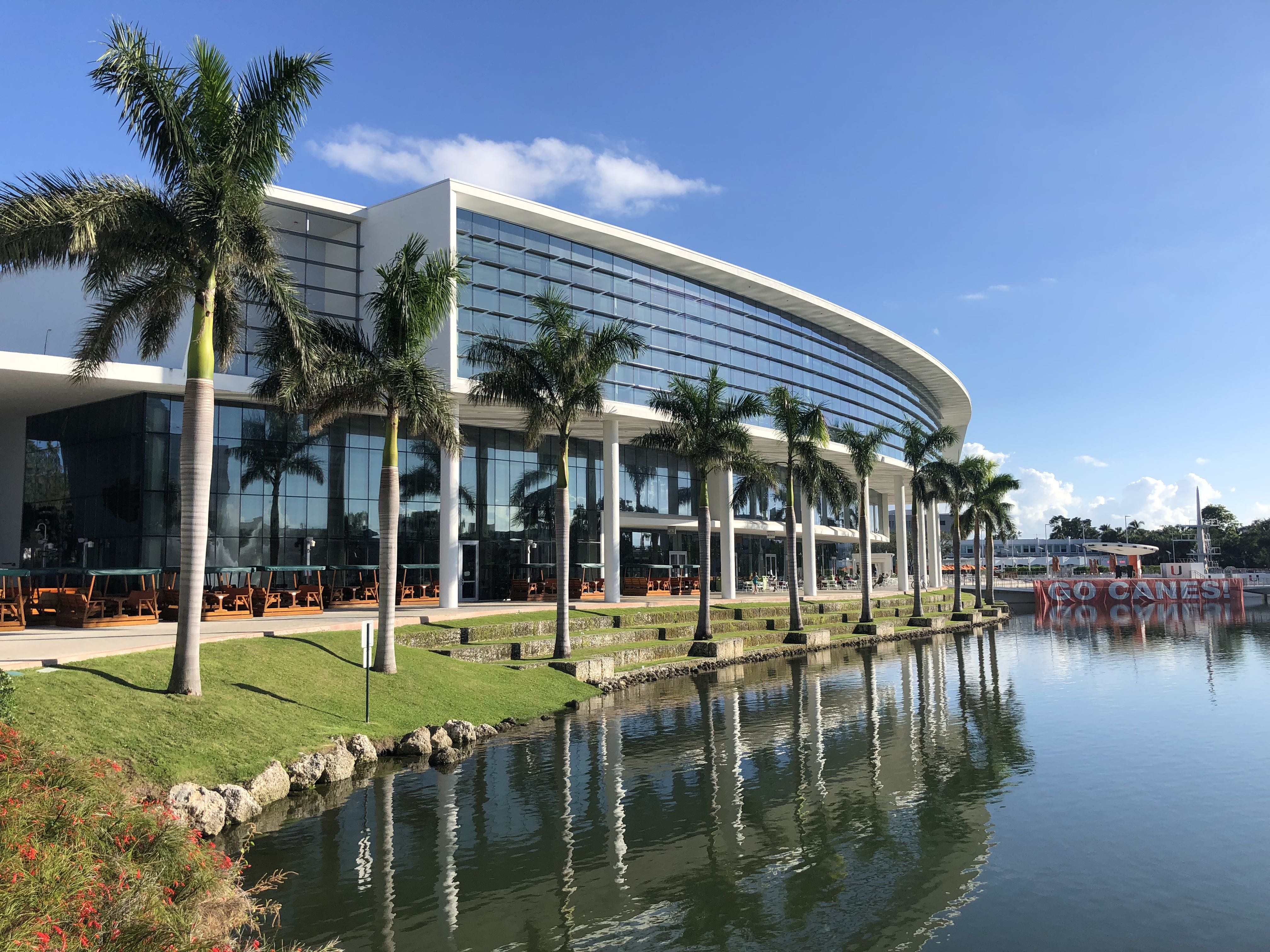
Major-conference competition, research opportunities and access to Miami employers give athletes reasons to look closely.
Patriot League competition, policy-focused academics and Washington internship opportunities give athletes clear reasons to consider this campus.
Competitive athletics, professional programs and nearby New York City give recruits several reasons to consider this campus.
Competitive athletics, professional programs and Chicago opportunities give athletes reasons to look beyond the playing field.
Competitive athletics, personal teaching and community engagement give recruits reasons to look closely at Tulane.
Competitive athletics, established academic programs and a faith-centered community appeal to athletes seeking structure and value.
Athletes come for competitive conference play, personal faculty attention and academic connections to Los Angeles industries.
Three ways to start
Pick the option that matches where you are, and we will show you the plan that fits.
News
Resources