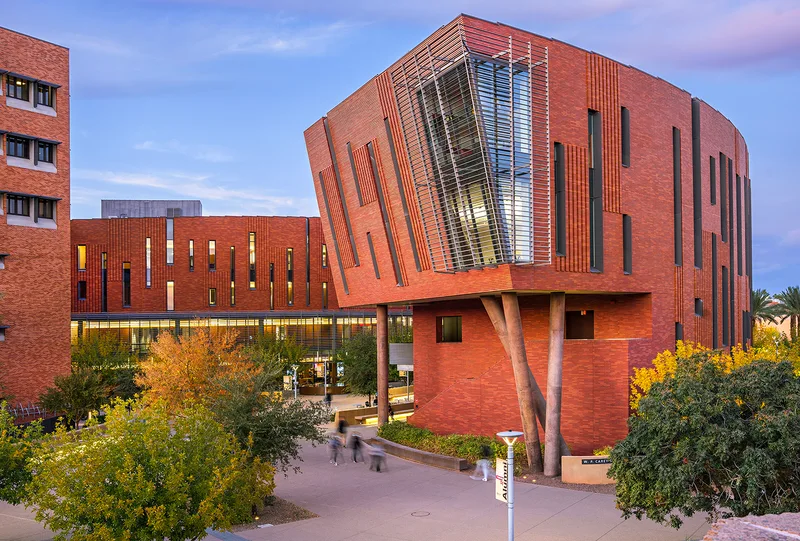
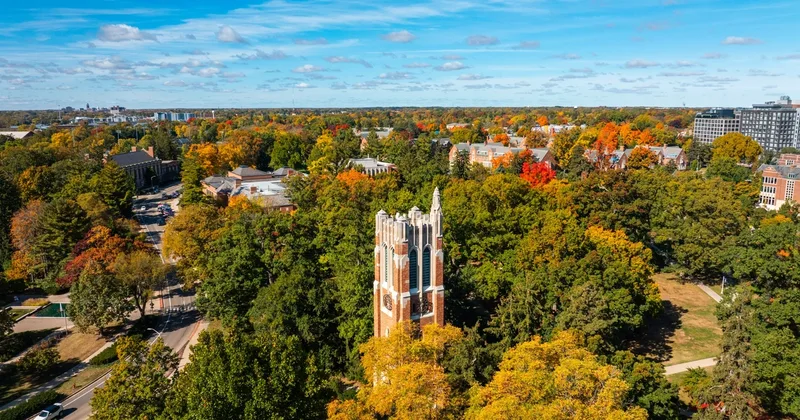
California State University, Sacramento
Sacramento · California · Urban
Competitive athletics, practical majors and capital-city internships give recruits several ways to build their future.
- Acceptance
- 94%
- Students
- 31,943
Browse programs
College directoryEvery program, filtered by what fits Sport directoryMen's and women's, every division State directoryPrograms in the states you would play inGo deeper
Major directoryYour major and your sport in one list Camp directoryID camps and showcases at college programs Conference directoryEvery conference and its member collegesExplore NCAA Division I women’s gymnastics programs with more accessible admissions standards. This ranking highlights schools that offer a realistic entry point for student-athletes seeking to compete at the Division I level.
Top of the list
25 programs ranked by Most Accessible
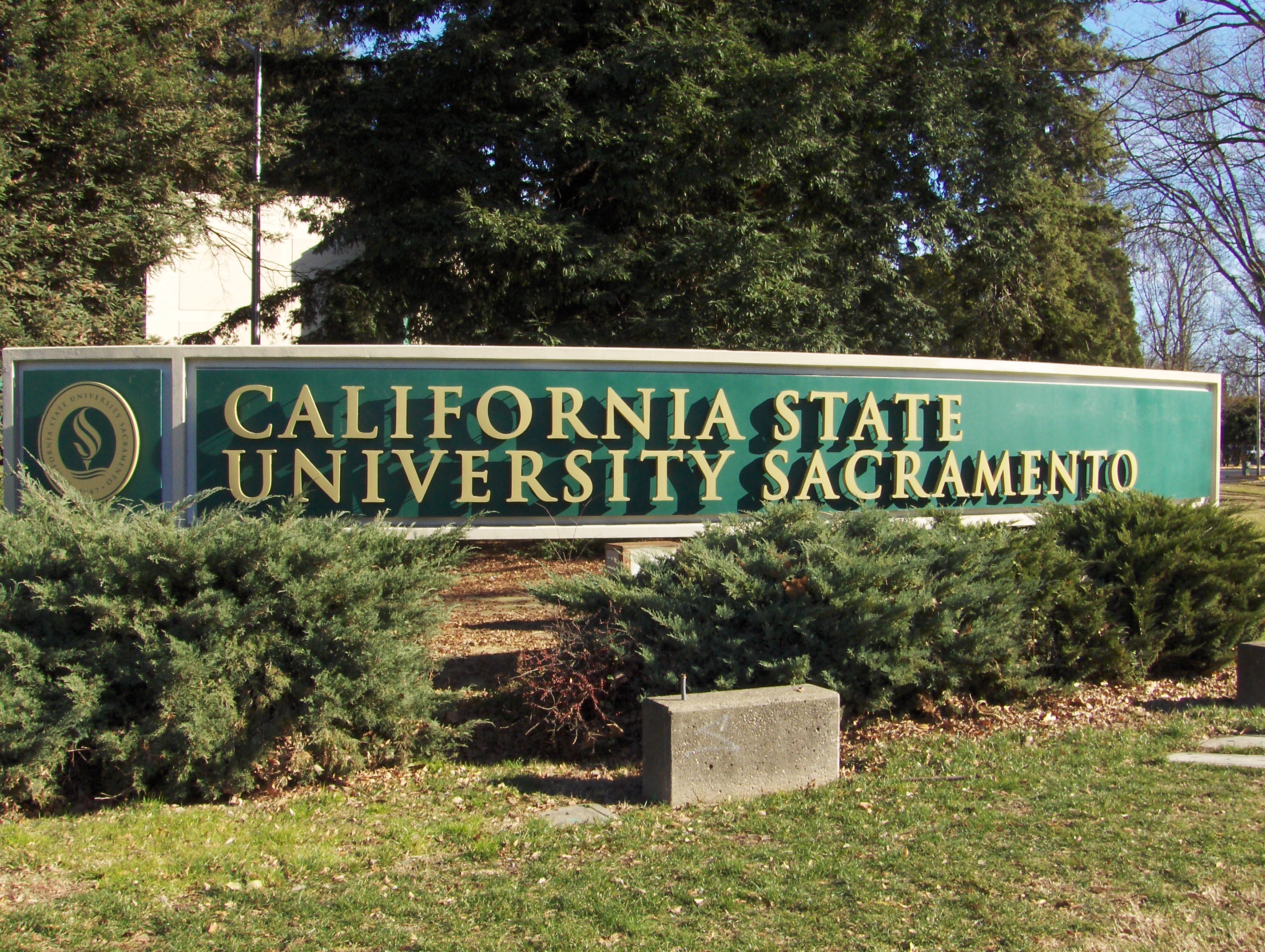 California State University, SacramentoSacramento, California94%Acceptance2
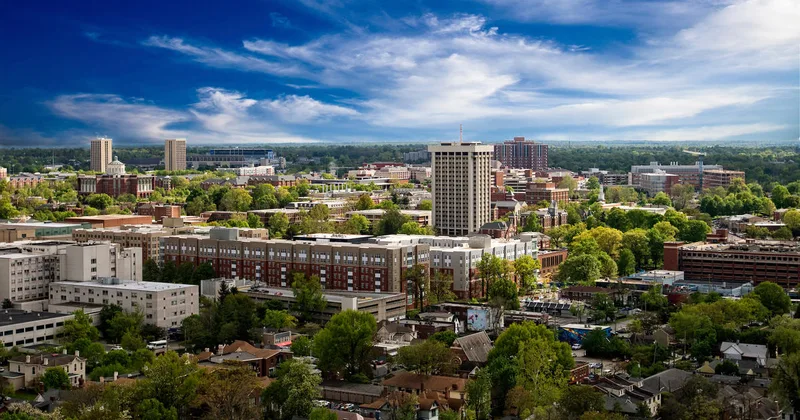
 University of KentuckyLexington, Kentucky93%Acceptance3

 Utah State UniversityLogan, Utah92%Acceptance
By the numbers
Every figure below is worked out from the 25 schools on this list.
The ranking
This list focuses on NCAA Division I Women's Gymnastics programs where general admission is typically less selective. Use these schools as potential safeties or solid targets to round out a list that also includes more competitive academic and athletic options.
Ranked by acceptance rate, highest first. Schools with the same rate are ordered by the strength of the program.
Sacramento · California · Urban
Competitive athletics, practical majors and capital-city internships give recruits several ways to build their future.
Lexington · Kentucky · Urban
SEC competition, research opportunities and in-state value draw athletes who want a broad university experience.
Logan · Utah · Small city
Competitive athletics, applied academic strengths and an outdoor-oriented campus give recruits several reasons to consider Utah State.

Tempe · Arizona · Urban
Competitive athletics, broad academic choices and an urban setting appeal to athletes planning for life beyond competition.

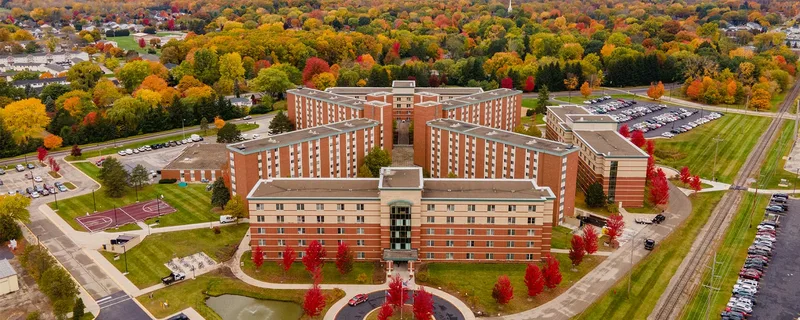
Mount Pleasant · Michigan · Rural
Conference competition, professional programs and a residential campus appeal to athletes seeking a balanced college experience.

Morgantown · West Virginia · Suburban
Visible Big 12 competition, broad professional programs and relatively affordable tuition give athletes several reasons to consider enrolling.

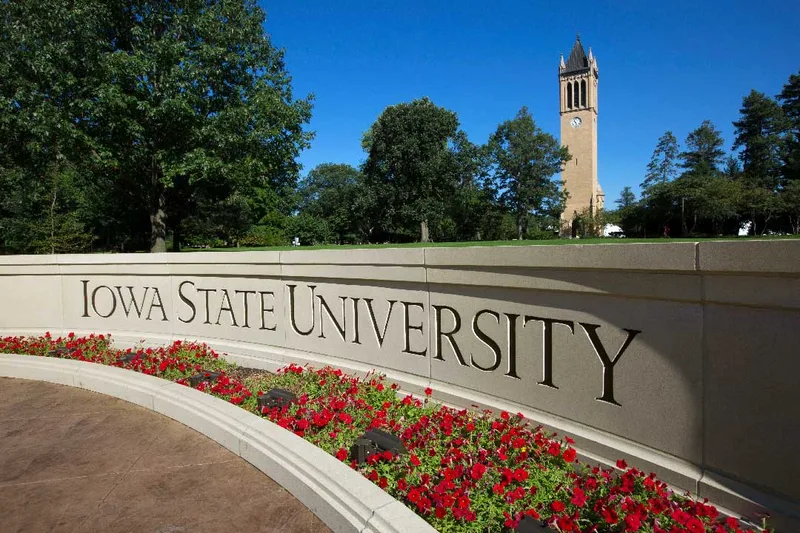
Ames · Iowa · Small city
Big 12 competition, applied academics and a collaborative campus attract athletes who want room to grow.

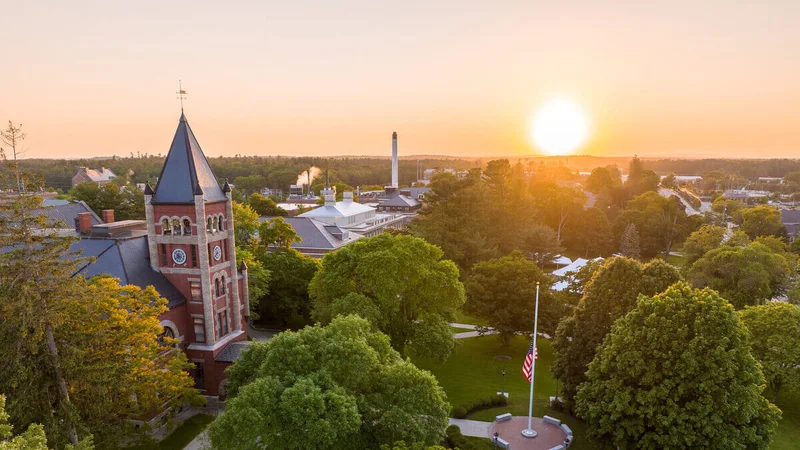
Durham · New Hampshire · Suburban
Division I competition, research opportunities and a residential New England setting appeal to athletes seeking a balanced college experience.

Normal · Illinois · Suburban
Competitive athletics, career-focused academics and regional internship opportunities give recruits several reasons to consider studying here.

Lincoln · Nebraska · Urban
Big Ten competition, hands-on research and in-state value appeal to athletes seeking a broad university experience.

Boise · Idaho · Urban
Division I competition, Boise internship access and accessible admissions give athletes several practical reasons to consider enrolling.

Kent · Ohio · Suburban
Competitive athletics, broad academic choices and a residential college-town setting give recruits several reasons to consider Kent State.

Brooklyn · New York · Urban
Career-focused study, accessible admissions and New York professional connections complement the demands of Division I competition.

Tucson · Arizona · Urban
Competitive athletics, research-focused academics and Tucson's outdoor opportunities appeal to athletes seeking a broad college experience.

Salt Lake City · Utah · Urban
Competitive athletics, research opportunities and Salt Lake City's career connections give recruits several reasons to consider Utah.

Muncie · Indiana · Small city
Competitive athletics, specialized academic programs and in-state value give recruits several practical reasons to consider enrolling.

East Lansing · Michigan · Suburban
Big Ten competition, broad academic choices and in-state tuition value give athletes several reasons to consider enrolling.

San Jose · California · Urban
Career-oriented academics and Mountain West competition attract athletes who want an urban college experience with professional possibilities.

Kalamazoo · Michigan · Urban
Specialized academics, competitive athletics and a residential Kalamazoo campus give recruits distinct reasons to consider this university.

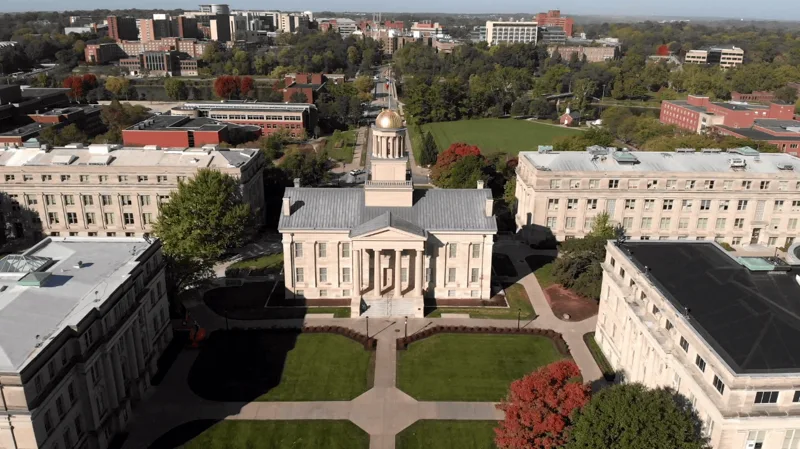
Iowa City · Iowa · Urban
Big Ten competition, broad academic choices and Iowa City's writing culture give athletes distinct reasons to consider Iowa.

Towson · Maryland · Suburban
Division I competition, broad academics and access to Baltimore give athletes reasons to consider Towson.

Cedar City · Utah · Rural
Athletes can pair Division I competition with experiential academics, outdoor recreation and relatively affordable college costs.

Bowling Green · Ohio · Rural
Division I competition, broad academic choices and a residential college-town setting give athletes several reasons to consider enrolling.

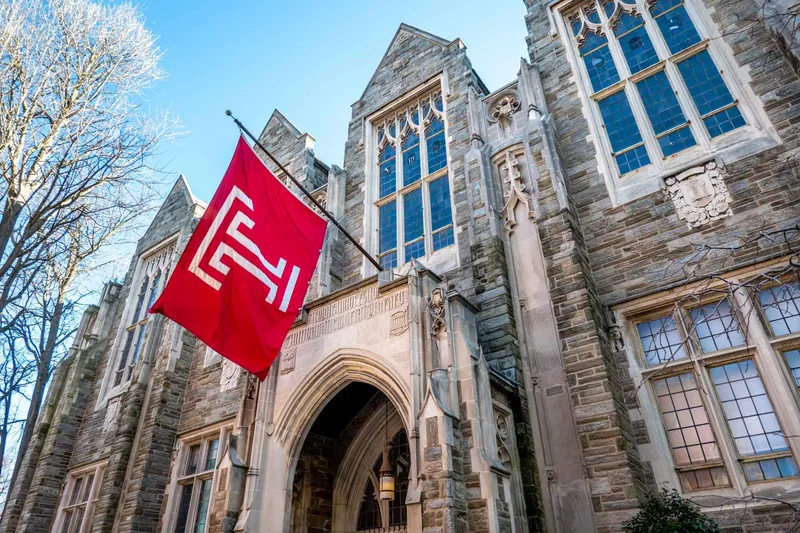
Philadelphia · Pennsylvania · Urban
Competitive athletics, broad academic choices and Philadelphia career connections give recruits several reasons to consider this urban campus.

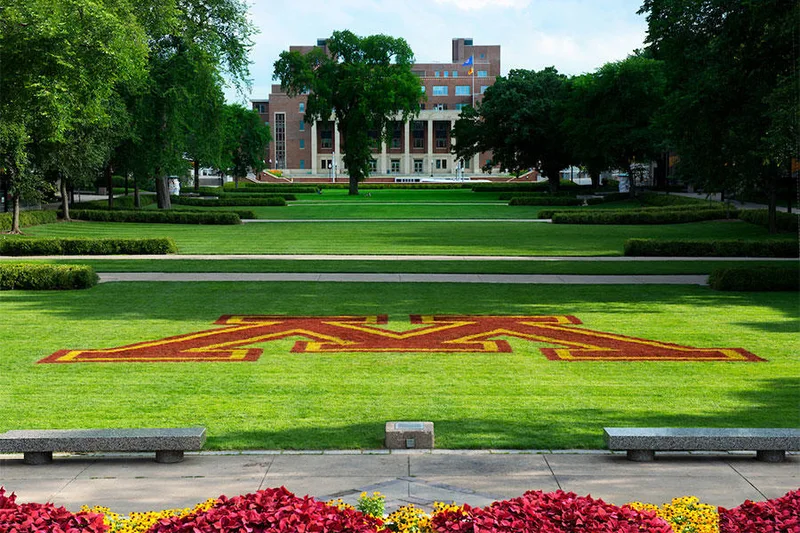
Minneapolis · Minnesota · Urban
Big Ten competition, research strength and access to Twin Cities employers give athletes strong reasons to consider Minnesota.
No school on this list is in that state.
Three ways to start
Pick the option that matches where you are, and we will show you the plan that fits.
Questions
25 programs are ranked here, from 17 states. California State University, Sacramento is ranked first.
Utah (3), Michigan (3), California (2).
The average acceptance rate across the list is 86%. Admission for recruited athletes still depends on the coach's support and on meeting each school's academic standards.
The average net price, which is what families pay after grants and scholarships, is $18,512 a year. Athletic aid varies by program and division, so ask each coach what is available.
Resources
More rankings
Programs and roster openings
Sport hub
The Women's Gymnastics hub brings every division together: how D1, D2, D3 and NAIA compare, the strongest programs in each state, camps, and the recruiting guides for each level.