Skills campSoftball · Women's
Small Group Clinic - Defense (Jan 6)
- Jan 6, 2026
- Secchia Stadium (Old College Field), East Lansing, MI
- $54
Small-group clinic focused on defensive skills for softball players.
Browse programs
College directoryEvery program, filtered by what fits Sport directoryMen's and women's, every division State directoryPrograms in the states you would play inGo deeper
Major directoryYour major and your sport in one list Camp directoryID camps and showcases at college programs Conference directoryEvery conference and its member colleges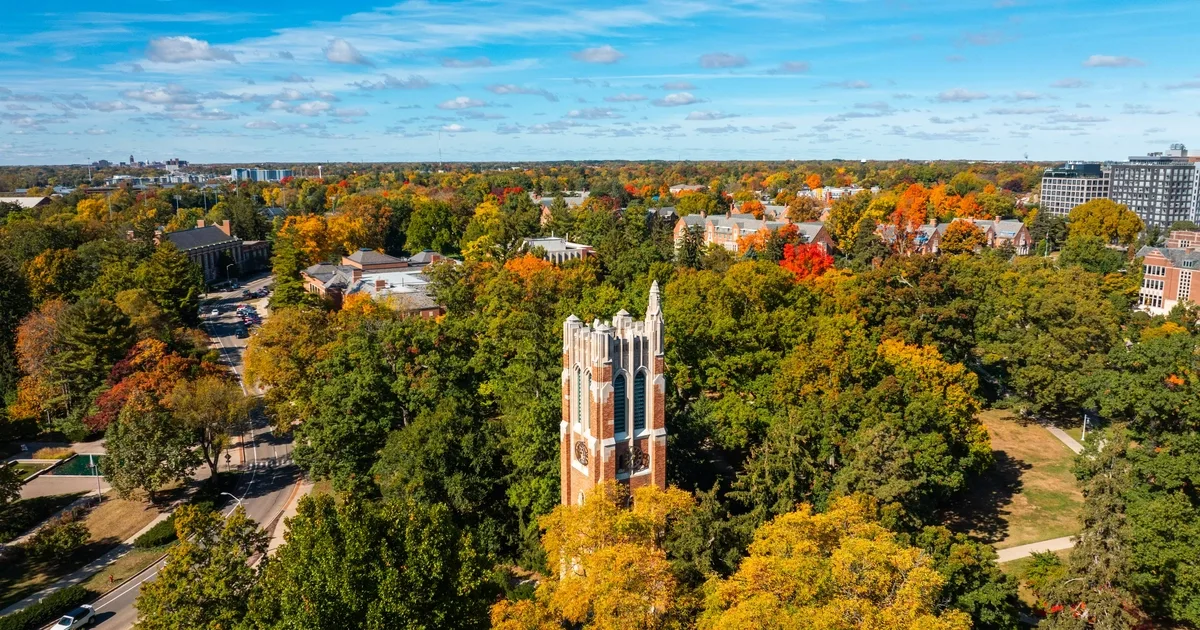

East Lansing, MichiganBig Ten Conference
Overview
Mission and culture
Michigan State University is a major land-grant research university in East Lansing, Michigan, where NCAA Division I athletics compete in the Big Ten. Its broad academic offerings, strong agricultural sciences and prominent men's basketball program make it worth considering for athletes seeking a large-campus experience.
Why athletes choose Michigan State University
Big Ten competition, broad academic choices and in-state tuition value give athletes several reasons to consider enrolling.
Fit check
Pick a sport, your position and level, add a test score if you have one, and get an instant read on your chances here. Free, and no account needed.
Academics
Michigan State University combines broad academic options with research strengths in business, engineering and agriculture, giving recruits room to explore interests while weighing coursework, faculty access and career outcomes.
Academic strength
A composite of graduation rate, earnings after college, how selective admissions are and how hard the coursework is.
Acceptance rate
More selectiveMore accessible
Admissions are accessible, making solid academic preparation important even when gaining entry is less selective than athletic recruiting.
Six-year graduation rate
0%100%
Strong graduation outcomes suggest an excellent path to completing your degree while managing athletic responsibilities.
Academic difficulty
Rated 3 out of 5
Coursework presents a balanced challenge, requiring steady study habits alongside your athletic commitments.
Student to faculty ratio
students for every faculty member
Expect a mix of larger classes and faculty access, with initiative helping you build academic connections.
Median earnings
per year, ten years after starting college
Six years after: $55,084Graduate earnings suggest solid outcomes, giving families reason to weigh academic fit alongside the final cost.
Undergraduate enrollment
undergraduate students
The large undergraduate community offers variety and activity, so finding a smaller circle can make daily life more personal.
SAT and ACT scores
Testing is optional, and the typical score profile suggests prepared recruits can use strong results to reinforce an application grounded in classroom performance.
Most popular majors
Admissions
Before applying to Michigan State University, review deadlines by admission plan, test policy, application fees and recommendation requirements alongside your athletic recruiting timeline.
Not binding. Hear back early and decide by May 1.
The standard deadline. Not binding.
Majors
97 undergraduate majors across 7 academic areas.
No major matches that search.
Campus life
A large suburban campus in East Lansing offers active Greek life, clubs and cultural events, with strong school spirit surrounding Big Ten athletics.
Athletics
Competing in NCAA Division I within the Big Ten means a demanding athletic environment. Men's basketball, football and men's ice hockey bring established competitive histories.
Athletic department
The athletic department at Michigan State University operates at a substantial Big Ten scale, with program revenue, recruiting expenditures and athletic aid offering context for its investment in athletes.
Athletes
Athletic aid
Recruiting spend
Source: the federal Equity in Athletics report, 2025.
Cost
Michigan State University's public tuition structure gives Michigan residents a cost advantage, while grants and merit-based aid make the net price more useful than the published total alone.
Average net price
What families pay on average after grants and scholarships, including tuition, housing and fees.
Published tuition
The sticker price a year, before any aid.
Financial aid
Need-based and merit-based aid availableAthletic scholarships, where a program offers them, are awarded by the coaching staff and come on top of these figures.
NIL
NIL rating
Michigan State University in East Lansing, Michigan offers a nationally visible name, image and likeness (NIL) environment, driven by major college sports and a large student body. High-profile teams and strong fan support give MSU athletes meaningful chances to build personal brands on and off campus.
See the full NIL breakdownStudent fit
The kind of student-athlete who tends to do well at Michigan State University.
Michigan State University fits athletes ready for demanding NCAA Division I competition who also want broad academic choices at a major research university. It particularly suits recruits interested in business, engineering or agriculture who can maintain steady classroom habits while handling the expectations of Big Ten athletics. You should enjoy a large, active suburban campus and be willing to build your own circle through your program, clubs and academic interests rather than expect an intimate college environment. Michigan families may find the in-state tuition advantage appealing, while out-of-state recruits should pay close attention to their aid package and final cost.
Who thrives here
Big Ten CompetitorsHigh Expectation AthletesSelf AdvocatesTradition Driven PlayersValue Focused FamiliesCamps
Michigan State University has not posted new camp dates yet. These ran last season.
Small-group clinic focused on defensive skills for softball players.
Small-group clinic focused on hitting mechanics and drills.
Winter elite hitting clinic led by MSU softball staff.
Questions
Michigan State University is known for strong programs in business, education, engineering, agriculture, communications, and the social sciences. It is also recognized for its research activity, large selection of majors, and opportunities for hands-on learning such as internships, study abroad, and undergraduate research.
Admission is considered moderately selective. Applicants with solid grades in college-prep courses, competitive test scores if submitted, and evidence of involvement outside the classroom generally have a good chance, but admission is not guaranteed and becomes more competitive for certain majors.
The campus has a classic Big Ten feel with a large, green campus, a busy central area, and academic buildings, residence halls, and sports facilities spread along the Red Cedar River. Students describe the environment as spirited, diverse, and active, with many options for involvement and social life.
Students who thrive tend to be self-motivated, comfortable on a large campus, and willing to seek out resources. Those who get involved in clubs, research, internships, and campus events typically find it easier to build community and take advantage of the university’s size and opportunities.
The university offers dedicated career services, including advising, career fairs, employer networking events, and help with resumes and interviews. Many students secure internships during college, and graduates commonly find jobs in business, technology, education, government, healthcare, and nonprofit sectors.
Popular areas of study include business and management, psychology, communications, engineering, biology and life sciences, education, and social sciences such as criminal justice and political science. There are also distinctive programs in agriculture, packaging, and environmental studies.
Student life is active and varied, with many student organizations, cultural groups, service clubs, and professional societies. There is a strong sense of school spirit around athletics, and students can also enjoy on-campus events, arts performances, and the shops and restaurants in downtown East Lansing.
The university attracts students from across the country and around the world. It offers orientation programs, academic advising, and support services tailored to out-of-state and international students, helping them adjust academically and socially to a large campus in the Midwest.
The university competes in NCAA Division I and is a member of the Big Ten Conference. It sponsors a wide range of varsity sports and is known for strong fan support and a prominent athletics tradition.
Students who are not varsity athletes can participate in intramural sports, club teams, and fitness classes. Campus recreation facilities typically include gyms, fields, courts, and group exercise options that make it easy to stay active and meet other students.
Most first-year students live in on-campus residence halls, which are grouped into neighborhood-style communities. Housing generally includes dining access, study spaces, and support staff, making it easier for new students to meet people and get connected to campus resources.
There is an active social scene and strong sports culture, but experiences vary widely by student. Many students balance social activities with academics, work, and involvement in clubs or research, and there are plenty of substance-free events and communities for those who prefer a quieter lifestyle.
Compare
Other colleges worth comparing with Michigan State University.
Competitive athletics, career-focused academics and access to Washington help athletes connect college goals with life after graduation.
SEC competition, established academics and a tradition-rich campus appeal to athletes seeking a demanding college experience.
Competitive athletics, paid co-op opportunities and city life give recruits compelling reasons to consider studying here.
Southeastern Conference competition, research opportunities and Baton Rouge employer connections give athletes distinct reasons to consider LSU.
SEC competition, recognized academic strengths and a lively residential campus give athletes several reasons to consider Missouri.
Big Ten competition, established academic strengths and an active residential campus draw athletes seeking a full college experience.
Competitive athletics, research-focused academics and Tucson's outdoor opportunities appeal to athletes seeking a broad college experience.
Research resources, professional programs and Mid-American Conference competition give athletes several reasons to consider Buffalo.
Competitive athletics, merit aid and a spirited campus attract athletes seeking a large flagship university experience.
Division I competition, research opportunities and a college-town setting appeal to athletes with interests beyond their sport.
Big 12 competition, professional programs and Houston career opportunities appeal to athletes planning beyond their sport.
Competitive athletics, research opportunities and Salt Lake City's career connections give recruits several reasons to consider Utah.
Three ways to start
Pick the option that matches where you are, and we will show you the plan that fits.
Resources