2026 Judge Softball Youth Camp
- Jan 10, 2026
- Stan Laub Indoor Training Center, Logan, UT
- $54
One-day instructional camp for K–6 players teaching the basics of softball using Utah State facilities and coached by the USU softball staff.
Browse programs
College directoryEvery program, filtered by what fits Sport directoryMen's and women's, every division State directoryPrograms in the states you would play inGo deeper
Major directoryYour major and your sport in one list Camp directoryID camps and showcases at college programs Conference directoryEvery conference and its member collegesOverview
Mission and culture
Utah State University is a public land-grant research university in Logan, Utah, with NCAA Division I athletics in the Mountain West Conference. Its agriculture and engineering strengths, residential campus and outdoor-oriented setting make it worth considering if you want a traditional college experience alongside competitive athletics.
Why athletes choose Utah State University
Competitive athletics, applied academic strengths and an outdoor-oriented campus give recruits several reasons to consider Utah State.
Fit check
Pick a sport, your position and level, add a test score if you have one, and get an instant read on your chances here. Free, and no account needed.
Academics
Utah State University combines land-grant strengths in agriculture and engineering with broader academic options, making program fit, classroom demands and degree completion important considerations as you plan around your sport.
Academic strength
A composite of graduation rate, earnings after college, how selective admissions are and how hard the coursework is.
Acceptance rate
More selectiveMore accessible
Admissions are highly accessible, so recruits should focus on classroom readiness and academic fit rather than selectivity alone.
Six-year graduation rate
0%100%
Finishing is a reasonable goal, but steady academic focus and consistent use of support matter.
Academic difficulty
Rated 3 out of 5
Coursework presents a balanced challenge, making steady study habits important alongside athletic commitments.
Student to faculty ratio
students for every faculty member
Expect a mix of larger classes and faculty access, with initiative helping you build academic connections.
Median earnings
per year, ten years after starting college
Six years after: $44,822Graduate earnings are moderate, so weigh affordability carefully and connect your major with clear career plans.
Undergraduate enrollment
undergraduate students
The large student body offers variety, while finding a smaller community can make daily campus life feel more personal.
SAT and ACT scores
Testing is optional, and the score profile suggests recruits with solid classroom preparation can consider whether submitting scores strengthens their application.
Most popular majors
Admissions
Prepare your application to Utah State University by reviewing deadlines by plan, test policy, the application fee and recommendation requirements alongside your recruiting timeline.
Not binding. Hear back early and decide by May 1.
The standard deadline. Not binding.
Majors
77 undergraduate majors across 7 academic areas.
No major matches that search.
Campus life
A traditional residential campus in Logan combines strong school spirit and outdoor recreation access with the everyday feel of a small city.
Athletics
The Aggies compete in NCAA Division I, primarily in the Mountain West Conference, with football, basketball and women's soccer offering examples of established competitive success.
Athletic department
Explore how Utah State University supports its NCAA Division I athletic department through overall spending, recruiting investment and athletic aid, including how recruiting resources and aid differ by gender.
Athletes
Athletic aid
Recruiting spend
Source: the federal Equity in Athletics report, 2025.
Cost
At Utah State University, in-state tuition shapes the public university value proposition, while published costs, net price after grants and available aid help families compare affordability.
Average net price
What families pay on average after grants and scholarships, including tuition, housing and fees.
Published tuition
The sticker price a year, before any aid.
Financial aid
Need-based and merit-based aid availableAthletic scholarships, where a program offers them, are awarded by the coaching staff and come on top of these figures.
NIL
NIL rating
Utah State University in Logan, Utah offers a solid name, image, and likeness (NIL) environment supported by passionate college sports fans and a large student body. Student-athletes can explore NIL opportunities that connect with both the campus community and the wider northern Utah region.
See the full NIL breakdownStudent fit
The kind of student-athlete who tends to do well at Utah State University.
Utah State University fits athletes seeking NCAA Division I competition, a traditional residential experience and applied academic options in areas such as engineering, agriculture or business. It suits students who want a large university in a small city, appreciate outdoor recreation and are ready to build a smaller community within the broader campus. Highly accessible admissions and moderately challenging coursework make readiness and consistent study habits more important than a highly selective academic profile. Families should compare residency-based tuition and aid carefully, while recruits who prefer a small student body or a major metropolitan setting may find the environment less suitable.
Who thrives here
Division I CompetitorsOutdoors OrientedSelf Driven StudentsPractical Career BuildersAggies Community FansCamps
Utah State University has not posted new camp dates yet. These ran last season.
One-day instructional camp for K–6 players teaching the basics of softball using Utah State facilities and coached by the USU softball staff.
One-day camp for grades 7–12 focused on hitting, fielding, pitching, team defense, base-running and strength/conditioning with Utah State coaching staff.
Questions
Utah State University is best known for strong programs in agriculture, engineering, education, business, and natural resources. It also has a reputation for hands-on undergraduate research and outreach across rural communities.
It is located in Logan, Utah, in a mountain valley in northern Utah. The campus offers a traditional college-town feel with four distinct seasons, easy access to outdoor recreation, and a close-knit community atmosphere.
Admission is considered moderately selective. Applicants with a solid high school GPA, college-prep coursework, and competitive test scores, if submitted, generally have a good chance of being admitted.
The academic experience is moderately rigorous, with an emphasis on applied learning, research opportunities, and faculty interaction. Many programs incorporate labs, internships, fieldwork, and real-world projects into the curriculum.
Yes, it offers well-regarded engineering and STEM programs, especially in mechanical, civil, electrical, and computer engineering, as well as science and technology majors that emphasize research and practical problem solving.
Students can choose from a wide range of undergraduate and graduate programs in areas such as agriculture, business, engineering, education, arts and humanities, social sciences, natural resources, and health-related fields.
Student life is active and campus centered, with many clubs, student organizations, service groups, and traditions. The college-town setting encourages on-campus involvement, athletic event attendance, and outdoor activities with classmates.
Yes, it is popular with students who enjoy the outdoors, thanks to nearby mountains, ski resorts, trails, and lakes. Many students participate in hiking, skiing, snowboarding, mountain biking, and other year-round recreation.
The university offers a variety of on-campus housing options, including traditional residence halls and apartment-style living. Housing is designed to support community building, with access to dining, study spaces, and campus events.
Athletics and school spirit are strong, especially around football and basketball. Home games are well attended, and students often participate in spirited traditions, creating an energetic game-day atmosphere.
Student-athletes have access to academic advising, tutoring, and structured study resources to help balance sports and coursework. Support services are designed to promote academic progress and eligibility in all varsity sports.
Students benefit from career services, employer recruiting, and internship connections across Utah and the broader region. Many programs incorporate internships or cooperative experiences to help students build resumes before graduation.
Compare
Other colleges worth comparing with Utah State University.
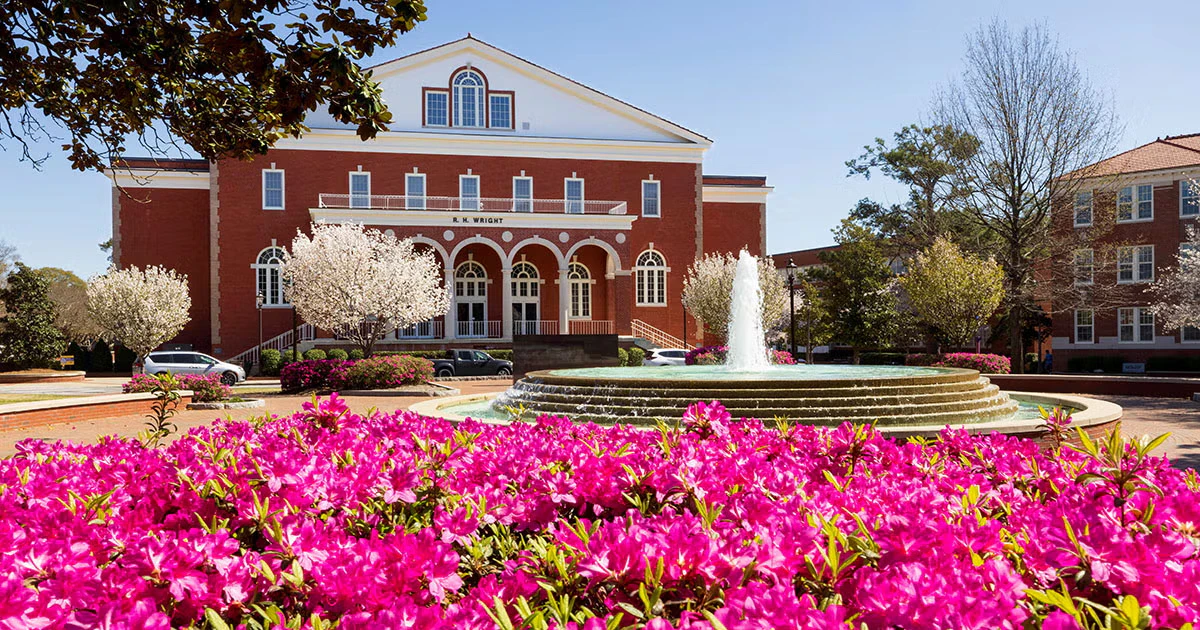
Competitive athletics, healthcare-focused academics and in-state affordability give recruits practical reasons to consider this Greenville campus.
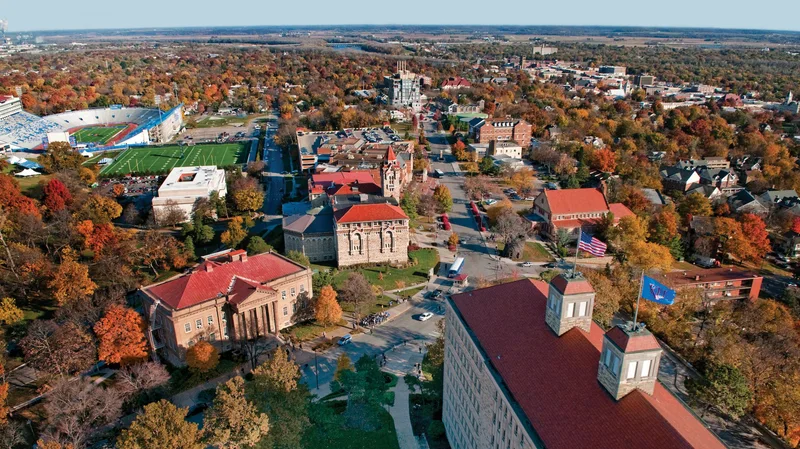
Big 12 competition, broad academic choices and active college-town life give athletes distinct reasons to consider Kansas.
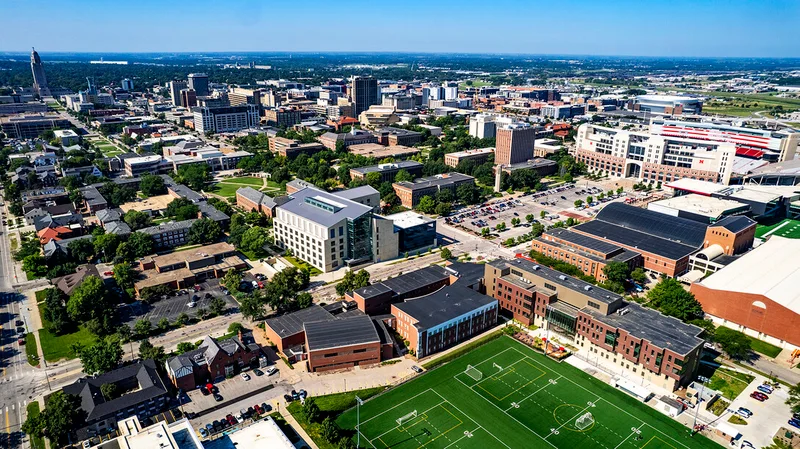
Research opportunities, professional programs and urban campus life complement the demands of competing at the Division I level.
Big Ten competition, hands-on research and in-state value appeal to athletes seeking a broad university experience.
Big Sky competition, outdoor recreation and career-focused academic options give athletes several reasons to consider this campus.
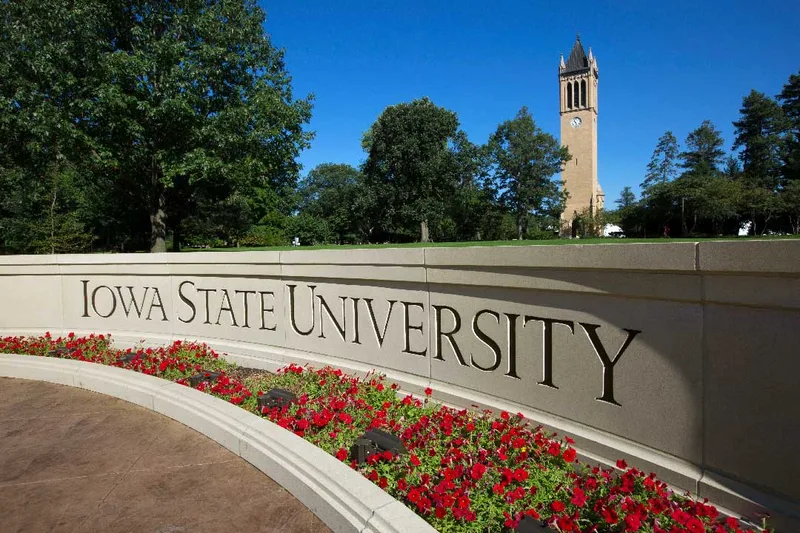
Ames, IA
Why it is similar: Similar academics and size.Big 12 competition, applied academics and a collaborative campus attract athletes who want room to grow.
Competitive athletics, research opportunities and Salt Lake City's career connections give recruits several reasons to consider Utah.
SEC competition, broad academic options and an active Fayetteville campus appeal to athletes seeking a traditional college experience.
SEC competition, established academic strengths and Oxford's residential college atmosphere give athletes distinct reasons to consider enrolling.
Mountain West competition, engineering strengths and access to Lake Tahoe give athletes distinct reasons to consider Nevada.
Competitive athletics, applied academics and public university value give recruits several reasons to consider studying in Lubbock.
Charlotte, NC
Why it is similar: Similar academics and size.Competitive athletics, industry-aligned academics and in-state value make this urban university worth considering for recruits.
Three ways to start
Pick the option that matches where you are, and we will show you the plan that fits.
Resources