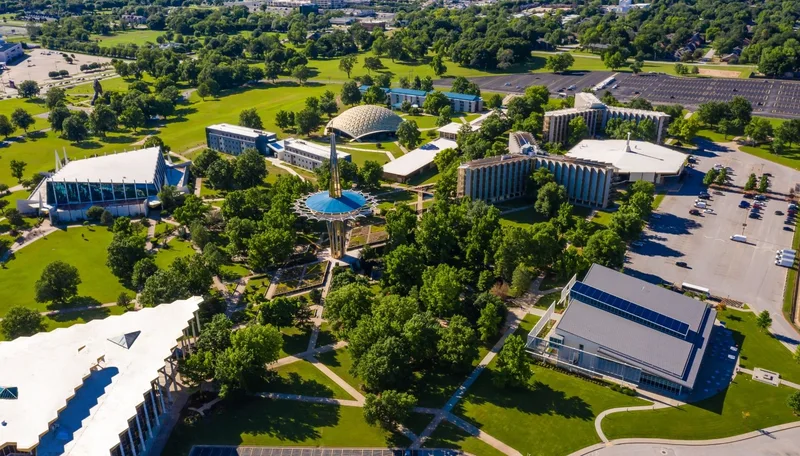
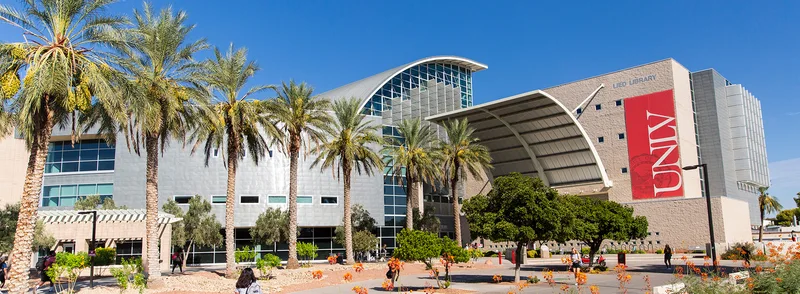
The University of Texas at El Paso
El Paso · Texas · Urban
Accessible admissions, research opportunities and affordable costs give athletes practical reasons to consider this border-city university.
- Acceptance
- 100%
- Students
- 25,039
Browse programs
College directoryEvery program, filtered by what fits Sport directoryMen's and women's, every division State directoryPrograms in the states you would play inGo deeper
Major directoryYour major and your sport in one list Camp directoryID camps and showcases at college programs Conference directoryEvery conference and its member collegesExplore the NCAA Division I women’s cross country colleges with more accessible admissions standards. This ranking highlights programs that offer a realistic entry point for student-athletes seeking competitive running and a strong college experience.
Top of the list
25 programs ranked by Most Accessible
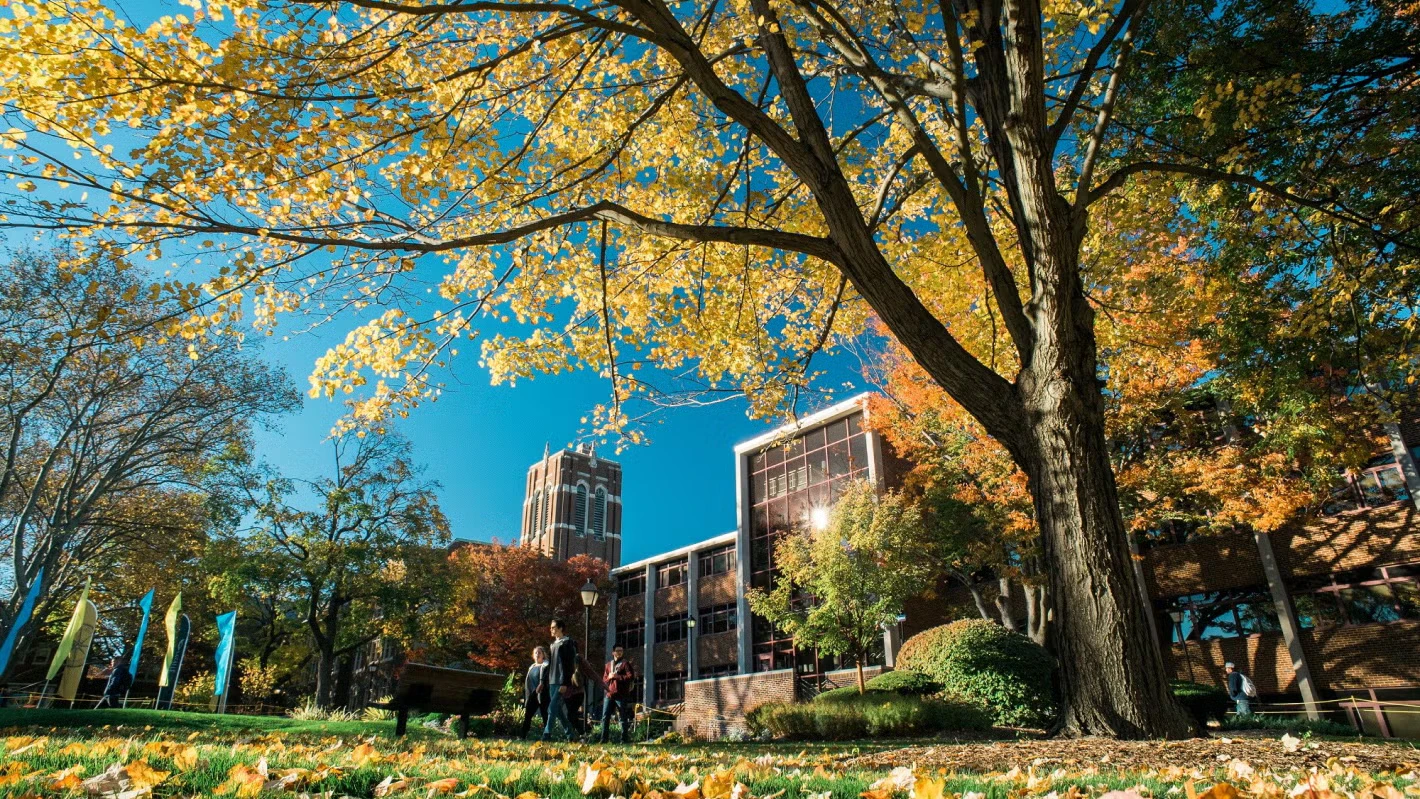
 The University of Texas at El PasoEl Paso, Texas100%Acceptance2
 Southeastern Louisiana UniversityHammond, Louisiana99%Acceptance3

 University of Southern MississippiHattiesburg, Mississippi99%Acceptance
By the numbers
Every figure below is worked out from the 25 schools on this list.
The ranking
Below are NCAA Division I Women's Cross Country programs that are generally easier to get into from an admissions perspective. Use this list to round out your targets with options where your chances of getting accepted are higher, while you also pursue more selective and reach schools in this division.
Ranked by acceptance rate, highest first. Schools with the same rate are ordered by the strength of the program.
El Paso · Texas · Urban
Accessible admissions, research opportunities and affordable costs give athletes practical reasons to consider this border-city university.
Hammond · Louisiana · Urban
Southland Conference competition, career-oriented study and relatively affordable tuition give athletes practical reasons to consider this Hammond campus.
Hattiesburg · Mississippi · Urban
Accessible admissions, specialized academics and Sun Belt competition give recruits several distinct reasons to consider studying here.

Lynchburg · Virginia · Urban
Christian campus culture, career-focused programs and Division I competition attract athletes seeking alignment between faith and college goals.

Tulsa · Oklahoma · Urban
Accessible admissions, professional programs and established Division I competition give athletes several distinct reasons to consider enrolling.

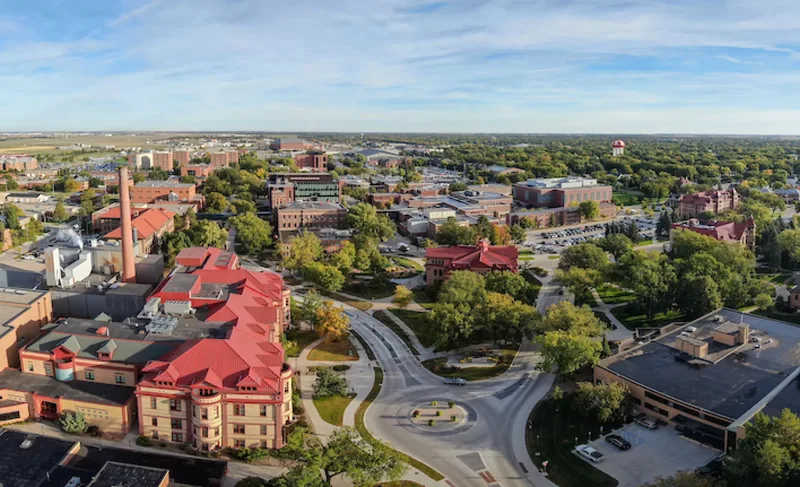
Vermillion · South Dakota · Rural
Division I competition, accessible admissions and professional study options draw athletes to a compact campus in Vermillion.

Brookings · South Dakota · Rural
Competitive athletics, practical academic programs and affordable tuition make this a compelling option for recruits.

San Antonio · Texas · Urban
Health-profession pathways, reachable faculty and Southland Conference competition appeal to athletes seeking career preparation alongside their sport.

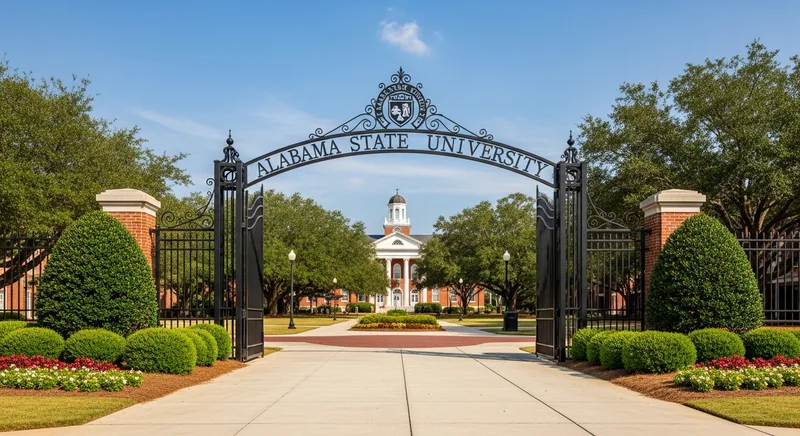
Montgomery · Alabama · Urban
Competitive athletics, HBCU heritage and a supportive campus community give recruits distinct reasons to consider coming here.

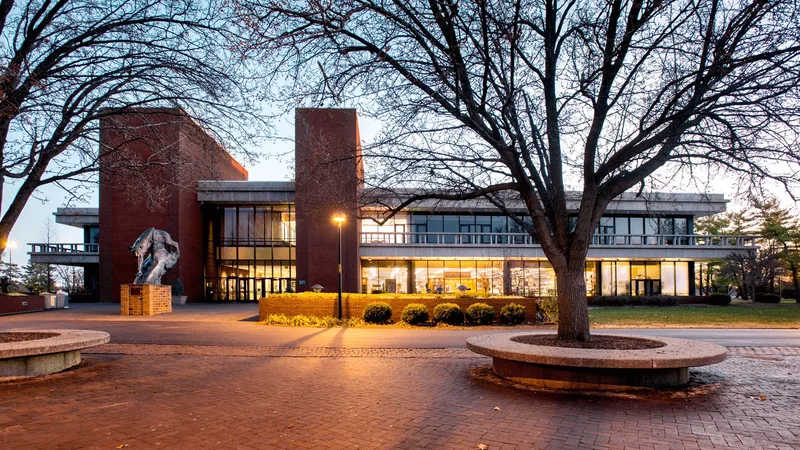
Edwardsville · Illinois · Suburban
Competitive athletics, professional programs and relatively affordable tuition make this a practical option for career-minded recruits.

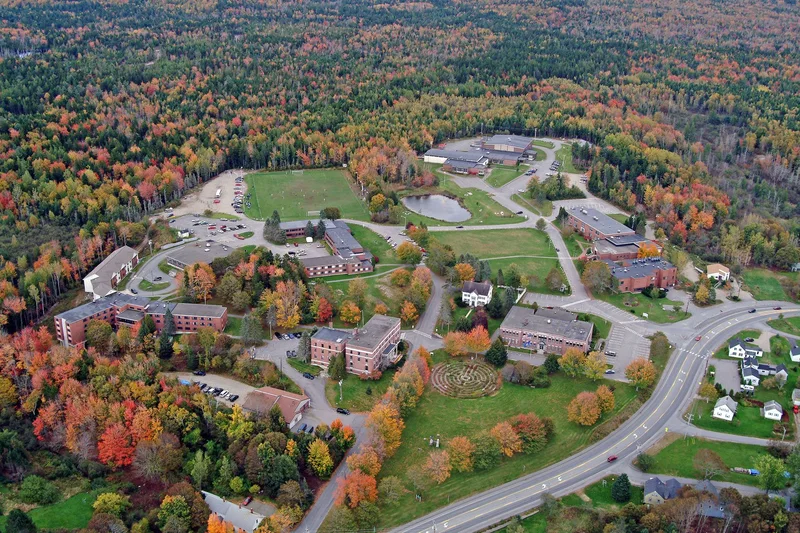
Orono · Maine · Suburban
Division I competition, research opportunities and a residential campus attract athletes seeking a traditional college experience.

Philadelphia · Pennsylvania · Urban
Athletes can pair demanding competition with personal faculty access and career-focused study in Philadelphia.

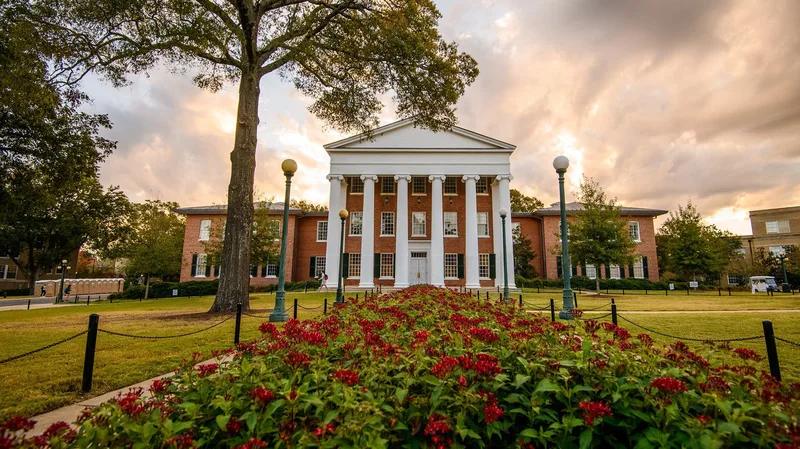
Oxford · Mississippi · Rural
SEC competition, established academic strengths and Oxford's residential college atmosphere give athletes distinct reasons to consider enrolling.

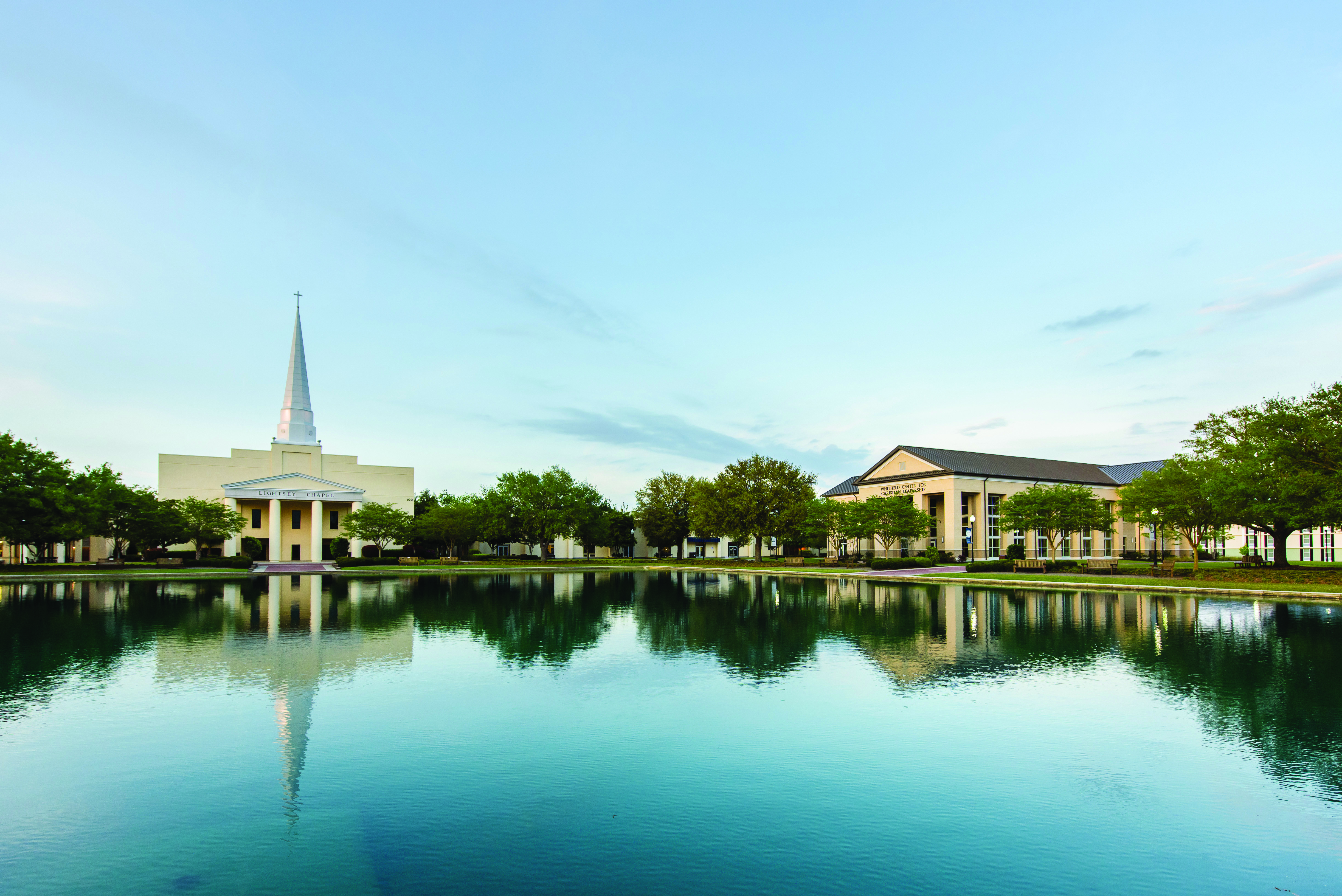
North Charleston · South Carolina · Suburban
A small Christian community and close faculty interaction help athletes find connection alongside Division I competition.

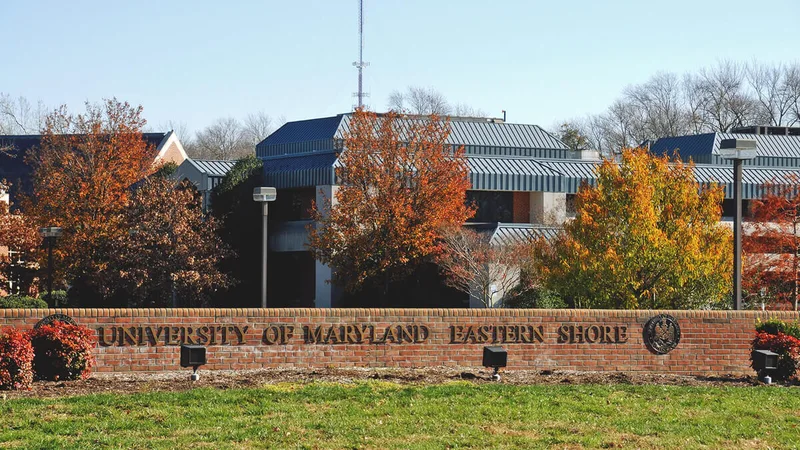
Princess Anne · Maryland · Rural
Division I competition, a close HBCU community and distinctive career programs give athletes strong reasons to consider UMES.

Clarksville · Tennessee · Urban
Accessible admissions, career-focused programs and relatively affordable costs give athletes practical reasons to consider competing here.

Fairborn · Ohio · Suburban
Accessible admissions, applied academics and regional career connections give athletes practical reasons to pursue Division I competition here.

Las Vegas · Nevada · Urban
Hospitality strengths, Las Vegas internship access and Mountain West competition give athletes practical reasons to consider this campus.

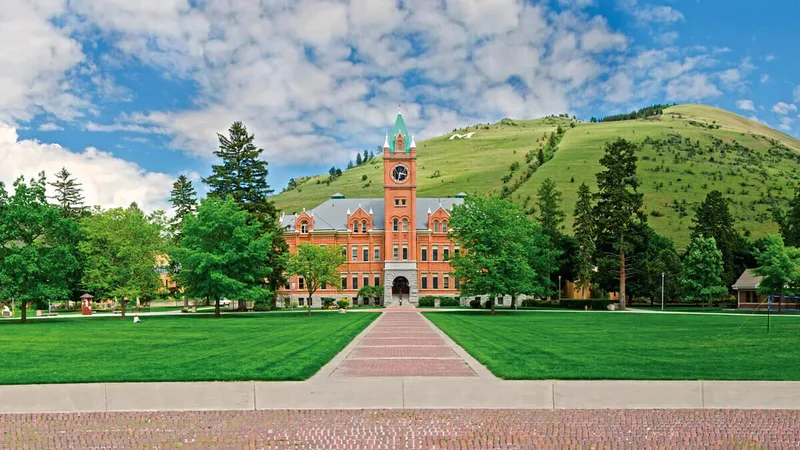
Missoula · Montana · Urban
Big Sky competition, accessible admissions and an outdoor-oriented community give athletes distinct reasons to consider studying here.

Evansville · Indiana · Suburban
Accessible admissions, teaching-focused faculty and relatively affordable costs give athletes practical reasons to consider competing here.

Huntington · West Virginia · Urban
Division I competition, approachable admissions and career-focused programs give athletes several reasons to consider Marshall.

Nashville · Tennessee · Urban
Competitive athletics, approachable faculty and Nashville's creative industries give athletes distinct reasons to consider studying here.

Albuquerque · New Mexico · Urban
Athletes come for Mountain West competition, research opportunities, accessible admissions and a culturally diverse campus.

Fargo · North Dakota · Urban
Competitive athletics, applied academics and comparatively affordable tuition give recruits a balanced mix of opportunities.

Edinburg · Texas · Urban
Division I competition, a very affordable cost and strong health-focused academics give athletes clear reasons to consider UTRGV.
No school on this list is in that state.
Three ways to start
Pick the option that matches where you are, and we will show you the plan that fits.
Questions
25 programs are ranked here, from 20 states. The University of Texas at El Paso is ranked first.
Texas (3), Mississippi (2), South Dakota (2).
The average acceptance rate across the list is 97%. Admission for recruited athletes still depends on the coach's support and on meeting each school's academic standards.
The average net price, which is what families pay after grants and scholarships, is $17,113 a year. Athletic aid varies by program and division, so ask each coach what is available.
Resources
More rankings
Programs and roster openings
Sport hub
The Women's Cross Country hub brings every division together: how D1, D2, D3 and NAIA compare, the strongest programs in each state, camps, and the recruiting guides for each level.