
HBCU community, SWAC competition and varied academic options draw athletes who want school spirit alongside their sport.
- 6,326
- Students
- 93%
- Admit rate
- $23,836
- Net price
Browse programs
College directoryEvery program, filtered by what fits Sport directoryMen's and women's, every division State directoryPrograms in the states you would play inGo deeper
Major directoryYour major and your sport in one list Camp directoryID camps and showcases at college programs Conference directoryEvery conference and its member colleges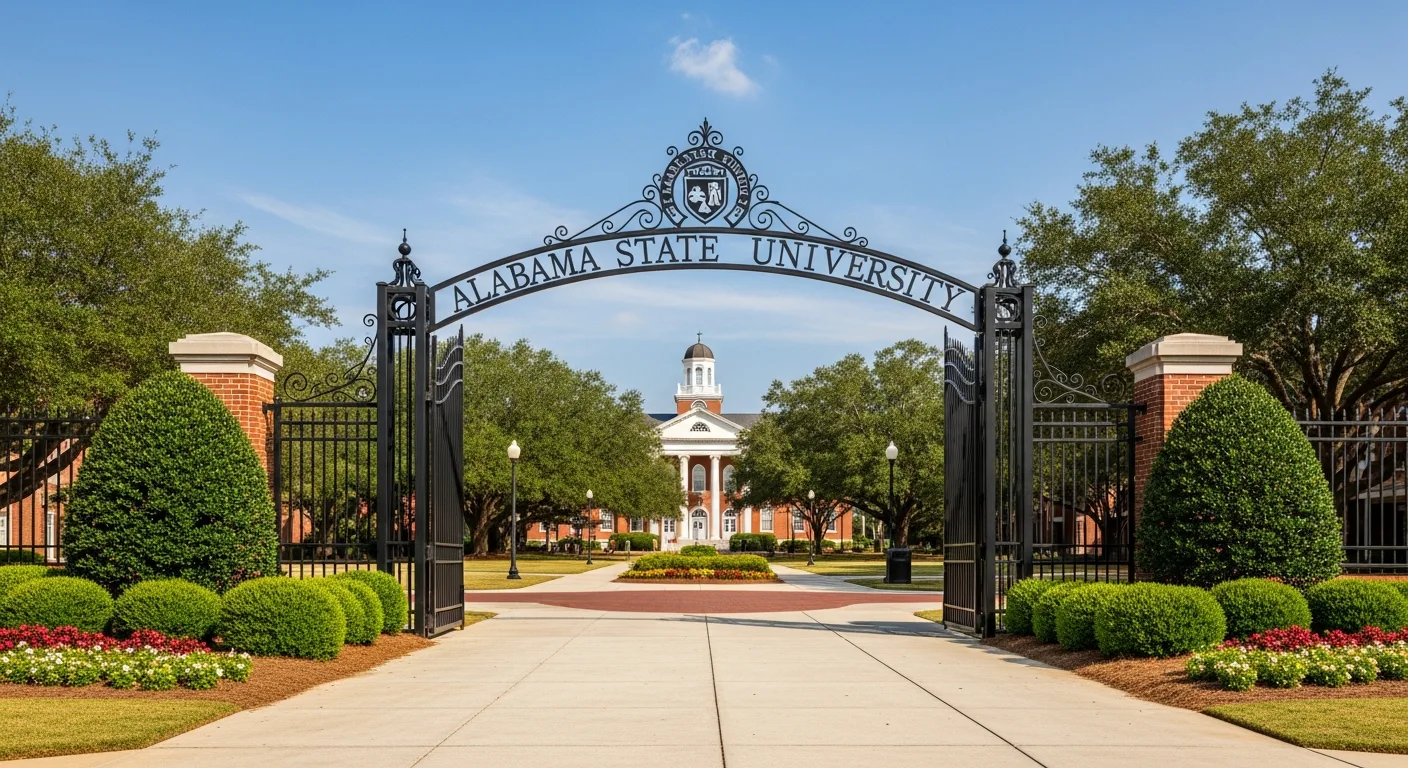

Montgomery, AlabamaSouthwestern Athletic Conference
Overview
Mission and culture
Alabama State University is a historically Black university in Montgomery, Alabama, with NCAA Division I athletics in the Southwestern Athletic Conference. Its small undergraduate community, accessible admissions and academic strengths in education, business and STEM make it worth considering for recruits seeking competitive athletics and a supportive campus.
Why athletes choose Alabama State University
Competitive athletics, HBCU heritage and a supportive campus community give recruits distinct reasons to consider coming here.
Fit check
Pick a sport, your position and level, add a test score if you have one, and get an instant read on your chances here. Free, and no account needed.
Academics
Alabama State University combines strengths in education, business, health sciences and STEM with accessible admissions, making academic fit, faculty access and a clear plan for graduation important considerations for recruits.
Academic strength
A composite of graduation rate, earnings after college, how selective admissions are and how hard the coursework is.
Acceptance rate
More selectiveMore accessible
Admissions are highly accessible, so recruits can focus on demonstrating classroom readiness rather than clearing a selective admissions hurdle.
Six-year graduation rate
0%100%
Finishing a degree takes real self-direction, consistent academic focus and active use of available support services.
Academic difficulty
Rated 3 out of 5
Coursework presents a balanced challenge, making steady study habits important alongside athletic commitments.
Student to faculty ratio
students for every faculty member
Faculty should be reasonably accessible, giving you opportunities to build academic relationships while managing your sport.
Median earnings
per year, ten years after starting college
Six years after: $27,453Graduate earnings are modest, so keeping costs manageable and building career experience should guide your decision.
Undergraduate enrollment
undergraduate students
The small undergraduate community offers a setting where you can build connections beyond your teammates and athletic commitments.
SAT and ACT scores
Testing is optional, and the score profile suggests an accessible academic entry point, so recruits should consider whether scores strengthen their application.
Most popular majors
Admissions
Prepare for Alabama State University's rolling admissions process by reviewing application deadlines, test policy, the application fee and recommendation requirements alongside your recruiting timeline.
Majors
27 undergraduate majors across 7 academic areas.
No major matches that search.
Campus life
A small HBCU community in urban Montgomery combines on-campus housing, Greek life, band opportunities and active social life with athletics.
Athletics
Competition takes place in NCAA Division I within the Southwestern Athletic Conference, with football at the FCS level and strong conference rivalries shaping the athletic experience.
Athletic department
Explore how Alabama State University supports its Division I athletic department through program spending, recruiting investment and athletic aid, including how resources are distributed across men's and women's programs.
Athletes
Athletic aid
Recruiting spend
Source: the federal Equity in Athletics report, 2025.
Cost
At Alabama State University, lower in-state tuition can improve value for Alabama families, while net price, published costs and need-based or merit-based aid shape the overall budget.
Average net price
What families pay on average after grants and scholarships, including tuition, housing and fees.
Published tuition
The sticker price a year, before any aid.
Financial aid
Need-based and merit-based aid availableAthletic scholarships, where a program offers them, are awarded by the coaching staff and come on top of these figures.
NIL
NIL rating
Alabama State University in Montgomery, Alabama offers a growing name, image and likeness (NIL) environment for NCAA Division I student-athletes. With visible college sports like football, basketball, and baseball, athletes at Alabama State can tap into both campus and community interest to build their personal brands.
See the full NIL breakdownStudent fit
The kind of student-athlete who tends to do well at Alabama State University.
Alabama State University fits athletes seeking NCAA Division I competition alongside HBCU heritage, a small undergraduate community and life in an urban Southern setting. It is especially worth exploring if your academic interests include business, education, health sciences or STEM, and you value a supportive campus with opportunities beyond athletics. Accessible admissions and moderately challenging coursework can suit students ready to build steady study habits, but completing a degree requires self-direction and active use of academic support. Families should weigh affordability carefully because modest graduate earnings make a clear career plan and manageable costs particularly important.
Who thrives here
HBCU Experience SeekersCommunity Driven LeadersCampus Involvement FansSelf Disciplined StudentsSWAC Rivalry CompetitorsQuestions
It is known as a historically black university with strong programs in education, business, health sciences, and the arts, as well as a proud marching band tradition and Division I athletics.
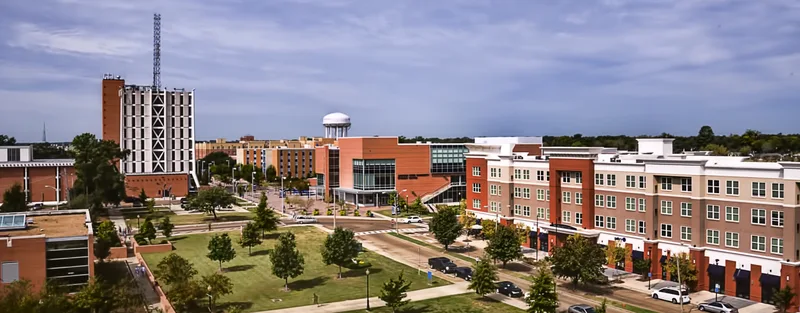
It is located in Montgomery, Alabama, on an urban campus that offers a close-knit community feel with modern academic buildings, residence halls, and access to city-based internships and cultural sites.
Admission is generally considered accessible, with a focus on a supportive, student-centered environment and opportunities for academic success for a wide range of high school achievement levels.
Students can choose from a broad mix of undergraduate majors and graduate programs in areas such as education, business, health sciences, social sciences, STEM fields, and the performing and visual arts.
Student life is active, with Greek-letter organizations, academic and cultural clubs, student government, campus events, and traditions that highlight school spirit and the university’s HBCU heritage.
Yes, it offers on-campus residence halls and apartment-style options, providing students with convenient access to classes, dining, and campus activities, especially for first-year and out-of-town students.
Its teams compete in NCAA Division I as a member of the Southwestern Athletic Conference, offering varsity sports for both men and women and a strong culture of school spirit around athletics.
The university fields teams in sports such as football, basketball, baseball, softball, track and field, volleyball, tennis, and other conference-sponsored sports, with opportunities for both competition and fan involvement.
It is generally considered welcoming to first-generation and nontraditional students, with academic support, advising, and campus resources designed to help different types of learners transition to college successfully.
Students have access to services such as tutoring, writing assistance, academic advising, disability support, and career counseling to help them stay on track and prepare for life after graduation.
Many departments offer a mix of face-to-face, online, and hybrid courses in selected programs, giving students some flexibility in how they complete degree requirements.
Students benefit from being in a historic capital city with museums, civil rights landmarks, government offices, and local employers that provide internship, service learning, and cultural opportunities.
Compare
Other colleges worth comparing with Alabama State University.
HBCU community, SWAC competition and varied academic options draw athletes who want school spirit alongside their sport.
Athletes come for competitive athletics, HBCU culture and professional programs connected to opportunities in Nashville.
Athletes come for Division I competition, a small campus community and Grambling's historically Black university traditions.
Athletes are drawn to Division I competition, a supportive HBCU community and opportunities in professional fields.
Conference competition, practical academic programs and Huntsville career opportunities give athletes several reasons to consider Alabama A&M.
Athletes can combine Division I competition with a small HBCU community, career-focused academics and affordable public education.
A supportive HBCU community and career-focused academics give athletes reasons to look beyond the competition.
Athletes come for competitive conference play, career-focused academics and a culturally engaged community in Baltimore.
Division I competition, applied academics and capital-city career access give athletes several reasons to consider studying here.
Athletes come for Division I competition, a supportive HBCU community and academic options connected to practical careers.
A supportive HBCU community, distinctive academics and Division I competition give recruits clear reasons to consider enrolling.
Athletes find competitive conference play, a supportive campus and practical academic options within a historically Black university.
Three ways to start
Pick the option that matches where you are, and we will show you the plan that fits.
Resources