
Skills campSoftball · Women's
Defense Camp
- Jan 18, 2026
- Grizzly Indoor Practice Facility, Missoula, MT
- $135
A winter defensive clinic for players entering grades 7-12 focusing on defensive fundamentals and drills; includes a tour after camp.
Browse programs
College directoryEvery program, filtered by what fits Sport directoryMen's and women's, every division State directoryPrograms in the states you would play inGo deeper
Major directoryYour major and your sport in one list Camp directoryID camps and showcases at college programs Conference directoryEvery conference and its member collegesOverview
Mission and culture
The University of Montana is a public research university in Missoula, where NCAA Division I athletics meet an outdoor-oriented campus culture. Big Sky Conference competition and academic strengths in natural resources and journalism make it worth considering if you want serious athletics alongside a connection to the surrounding landscape.
Why athletes choose University of Montana
Big Sky competition, accessible admissions and an outdoor-oriented community give athletes distinct reasons to consider studying here.
Fit check
Pick a sport, your position and level, add a test score if you have one, and get an instant read on your chances here. Free, and no account needed.
Academics
The University of Montana pairs strengths in natural resources and journalism with an accessible academic environment, making major selection, classroom expectations and degree completion important considerations for prospective athletes.
Academic strength
A composite of graduation rate, earnings after college, how selective admissions are and how hard the coursework is.
Acceptance rate
More selectiveMore accessible
Admissions are highly accessible, so recruits can focus on demonstrating classroom readiness rather than navigating a highly selective process.
Six-year graduation rate
0%100%
There is a reasonable path to graduation, but steady academic focus and consistent support matter.
Academic difficulty
Rated 2 out of 5
Coursework should be manageable with steady effort and planning around athletic commitments.
Student to faculty ratio
students for every faculty member
Expect a balance of faculty access and some larger classes, with initiative helping you build academic connections.
Median earnings
per year, ten years after starting college
Six years after: $35,729Graduate earnings are modest, making affordability, practical experience and a clear career plan especially important.
Undergraduate enrollment
undergraduate students
The medium-sized undergraduate community offers variety while giving you room to build a familiar circle beyond your sport.
SAT and ACT scores
Testing is optional, and the score profile suggests recruits with solid classroom preparation can remain competitive while deciding whether scores strengthen their application.
Most popular majors
Admissions
Plan your application to the University of Montana by reviewing admissions deadlines, test policy, application fees and recommendation requirements alongside your recruiting conversations.
Majors
53 undergraduate majors across 7 academic areas.
No major matches that search.
Campus life
Daily life blends a medium-sized campus community with Missoula's urban setting, outdoor recreation, arts and student organizations, offering interests beyond athletics.
Athletics
Competing in NCAA Division I through the Big Sky Conference brings serious athletic expectations, with football, basketball and women's soccer providing examples of the program's competitive profile.
Athletic department
Explore how the University of Montana supports its NCAA Division I athletic department through program spending, recruiting investment and athletic aid, including how resources are distributed by gender.
Athletes
Athletic aid
Recruiting spend
Source: the federal Equity in Athletics report, 2025.
Cost
For the University of Montana, residency shapes the cost picture, so compare published expenses with the net price after grants and available need-based and merit-based aid.
Average net price
What families pay on average after grants and scholarships, including tuition, housing and fees.
Published tuition
The sticker price a year, before any aid.
Financial aid
Need-based and merit-based aid availableAthletic scholarships, where a program offers them, are awarded by the coaching staff and come on top of these figures.
NIL
NIL rating
The University of Montana in Missoula offers a growing name, image and likeness (NIL) environment where college athletes can benefit from their personal brands. As a prominent public university in Montana with a strong college sports culture, student-athletes here can find regional NIL opportunities both on campus and in the wider community.
See the full NIL breakdownStudent fit
The kind of student-athlete who tends to do well at University of Montana.
The University of Montana fits athletes seeking NCAA Division I competition in the Big Sky Conference without a highly selective admissions barrier. It especially suits students drawn to environmental fields, journalism or other regional career paths who also want outdoor recreation and an active campus community in Missoula. You should be ready to organize coursework around training, build faculty relationships and use academic support consistently, since degree completion still requires steady focus even with manageable classroom demands. Families prioritizing affordability should weigh residency and aid carefully, while athletes seeking stronger graduate earnings may want a particularly deliberate career plan.
Who thrives here
Meaningful Minutes SeekersCommunity Centered AthletesOutdoors Oriented StudentsStructure Loving PlannersAffordability Focused FamiliesCamps
University of Montana has not posted new camp dates yet. These ran last season.
A winter defensive clinic for players entering grades 7-12 focusing on defensive fundamentals and drills; includes a tour after camp.
A winter pitching clinic for players entering grades 7-12 focused on velocity, accuracy, and pitch spin; sessions are limited and require campers to provide a catcher.
Multiple winter hitting sessions (afternoon/evening) for players entering grades 7-12 focusing on hitting mechanics and drills; limited participants per session.
Questions
It is known for strong programs in environmental studies, forestry, wildlife biology, creative writing, journalism, business, and health-related fields, with a focus on hands-on learning and research connected to the Rocky Mountain region.
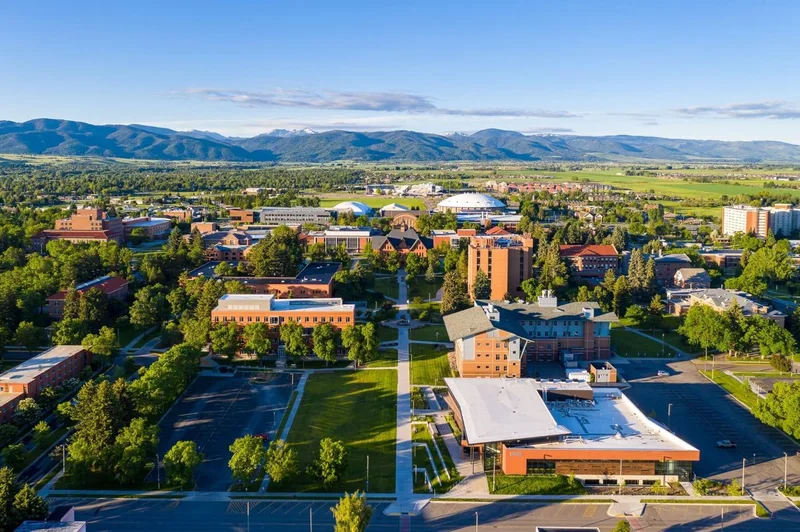
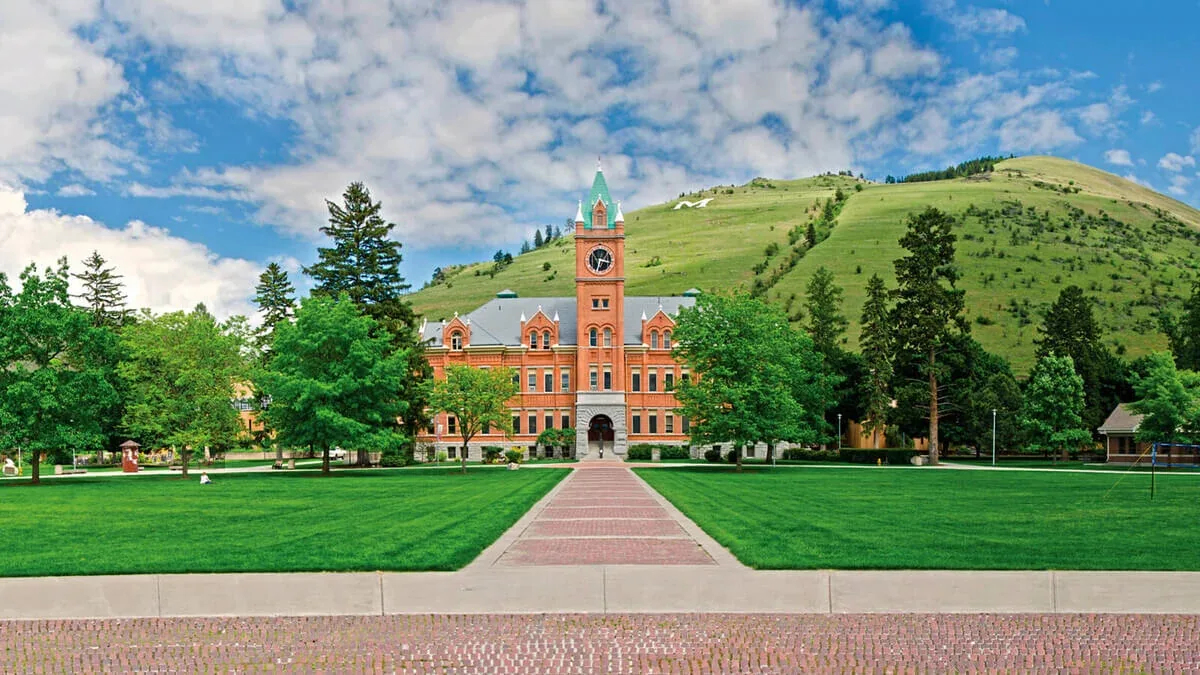
It is located in Missoula, Montana, near the Clark Fork River and surrounded by mountain ranges. The campus has a traditional layout with historic brick buildings, open green spaces, and easy access to trails and outdoor recreation.
Admission is generally considered accessible for many students, especially for in-state applicants who meet standard high school coursework and GPA expectations. Meeting or exceeding published requirements and submitting a complete application on time usually gives a strong chance of admission.
Overall academic difficulty is often considered manageable, with supportive faculty and resources such as tutoring and advising, while certain majors and honors options can be more rigorous and research-focused.
Popular areas of study include environmental science, forestry, wildlife biology, business, education, journalism, creative writing, health professions, and liberal arts disciplines like political science and sociology.
Student life blends a traditional college experience with an outdoor-oriented culture. Students take part in clubs, campus events, arts and music, community service, and outdoor activities like hiking, skiing, and river sports in and around Missoula.
Yes. It offers residence halls and other campus housing options for students, especially first-year students, along with dining services and residence life staff who support academic success and community building.
Yes. Its setting in western Montana provides direct access to forests, rivers, and mountains, giving environmental and natural resource programs strong fieldwork, research, and internship opportunities tied to real-world conservation and sustainability issues.
Its varsity teams, known as the Grizzlies, compete mainly in NCAA Division I athletics, with most sports participating in the Big Sky Conference against other regional universities.
Sports play a prominent role in campus life, with strong school spirit around football and basketball in particular. Home games often draw enthusiastic student and community support, creating a lively game-day atmosphere.
Students can access federal and state financial aid, institutional scholarships, and work-study opportunities. Merit awards, need-based grants, and departmental scholarships are available for eligible students who complete required applications and financial aid forms.
Yes. It offers a variety of online and hybrid courses, along with some fully online degree and certificate programs, allowing students to balance studies with work or other commitments while still accessing campus resources.
Compare
Other colleges worth comparing with University of Montana.
Research opportunities, Division I competition and outdoor access give athletes distinct reasons to consider studying here.
Accessible admissions, specialized academics and Sun Belt competition give recruits several distinct reasons to consider studying here.
Competitive athletics, applied academics and comparatively affordable tuition give recruits a balanced mix of opportunities.
Division I competition, career-focused academics and Kansas City connections give athletes several reasons to consider studying here.
Division I competition, career-focused majors and a growing city setting give athletes practical reasons to consider UTC.
Technical academics, accessible admissions and a residential Ruston setting complement the demands of Division I competition.
Competitive athletics, applied academic strengths and an outdoor-oriented campus give recruits several reasons to consider Utah State.
Health-focused academics, Sun Belt competition and scholarship opportunities give athletes practical reasons to consider this Mobile campus.
Health-focused academics, Southern Conference competition and Appalachian recreation give athletes distinct reasons to consider this campus.
Conference competition, career-focused academics and available scholarships give athletes practical reasons to consider studying and competing here.
Big Ten competition, hands-on research and in-state value appeal to athletes seeking a broad university experience.
Southern Conference competition, professional programs and an affordable urban campus give athletes several reasons to consider studying here.
Three ways to start
Pick the option that matches where you are, and we will show you the plan that fits.
Resources