Harvard University
Cambridge · Massachusetts · Urban
Demanding academics, Ivy League competition and need-based financial support draw athletes ready for a rigorous college experience.
- Strength of 100
- 92
- Win rate 5-year
- 74%
Browse programs
College directoryEvery program, filtered by what fits Sport directoryMen's and women's, every division State directoryPrograms in the states you would play inGo deeper
Major directoryYour major and your sport in one list Camp directoryID camps and showcases at college programs Conference directoryEvery conference and its member collegesExplore the top overall NCAA Division I men’s fencing programs, ranked for their strength across athletic performance, academics, and student experience. This list helps prospective fencers compare well-rounded colleges that offer competitive opportunities both on the strip and in the classroom.
Top of the list
18 programs ranked by Top Overall
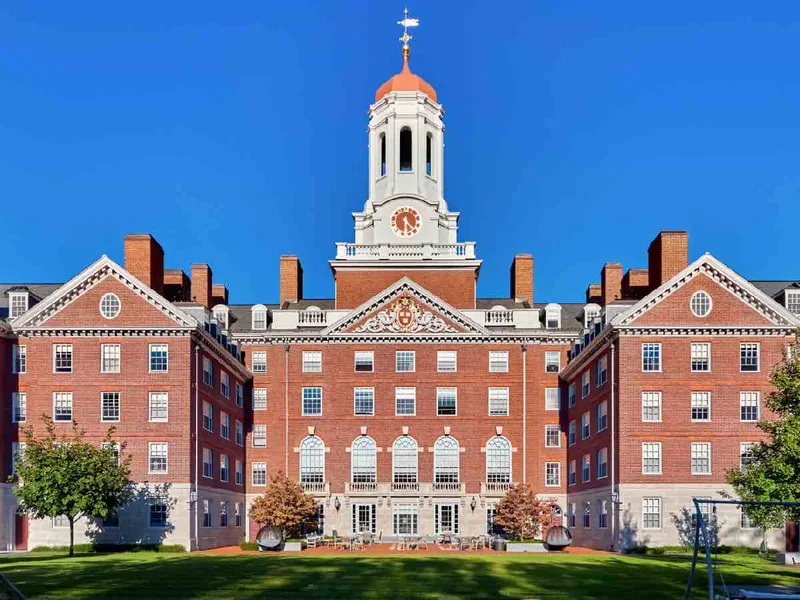 Harvard UniversityCambridge, Massachusetts92Strength2
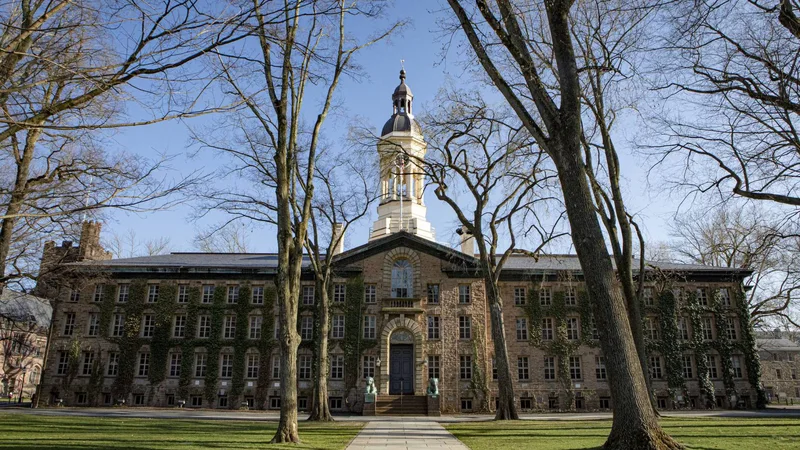
 Princeton UniversityPrinceton, New Jersey90Strength3

 Yale UniversityNew Haven, Connecticut90Strength
By the numbers
Every figure below is worked out from the 18 schools on this list.
The ranking
Below is a look at the best overall NCAA Division I Men's Fencing programs. These teams bring together high level competition, strong results, and a track record of developing fencers in all three weapons. Use this list to see where the sport is strongest at the D1 level.
Ranked by Pathley's strength score for the program, with the school's academic strength counted for 30 percent.
Cambridge · Massachusetts · Urban
Demanding academics, Ivy League competition and need-based financial support draw athletes ready for a rigorous college experience.
Princeton · New Jersey · Suburban
Demanding academics, Ivy League competition and close faculty connections appeal to athletes ready for a rigorous college experience.
New Haven · Connecticut · Urban
Demanding academics, Ivy League competition and residential college communities give athletes reasons to pursue Yale.

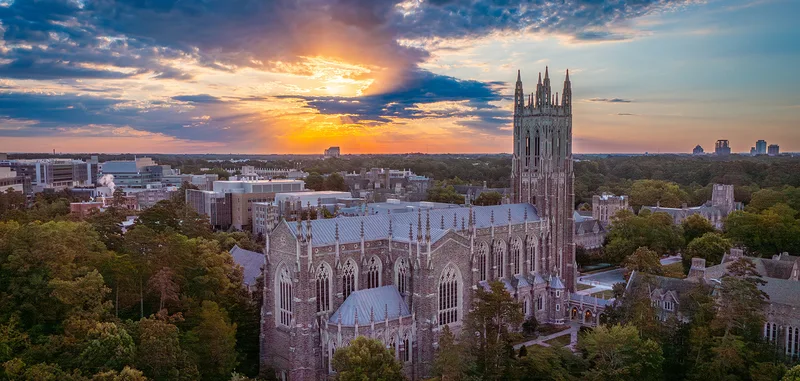
Durham · North Carolina · Suburban
Strong research opportunities, ACC competition and a spirited residential campus attract athletes with ambitious academic goals.

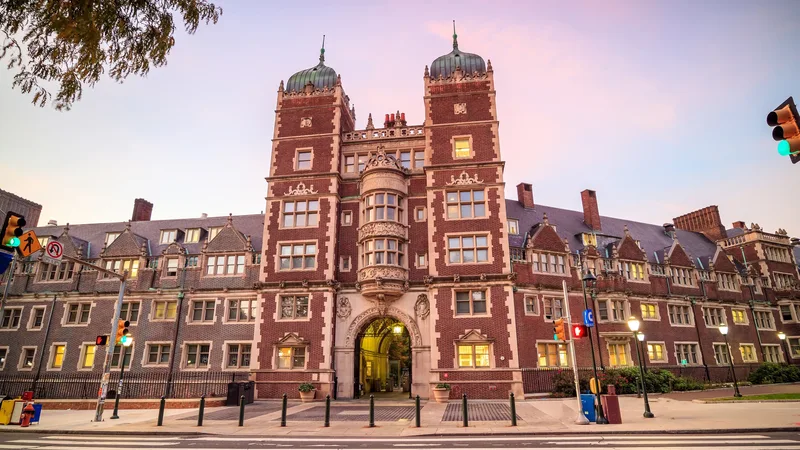
Philadelphia · Pennsylvania · Urban
Rigorous academics, Ivy League competition and Philadelphia opportunities appeal to athletes with ambitious academic and career goals.

Chestnut Hill · Massachusetts · Suburban
Competitive athletics, demanding academics and Boston access appeal to recruits who want substantial opportunities beyond their sport.

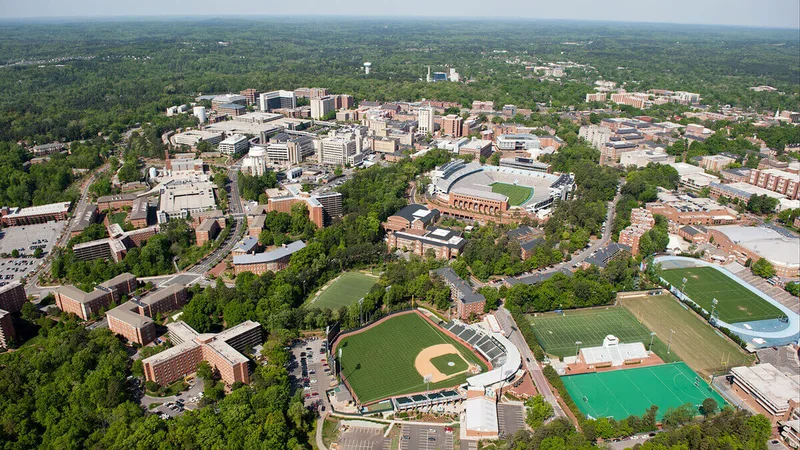
Chapel Hill · North Carolina · Small city
Strong academics, ACC competition and in-state value appeal to athletes seeking a demanding college experience.

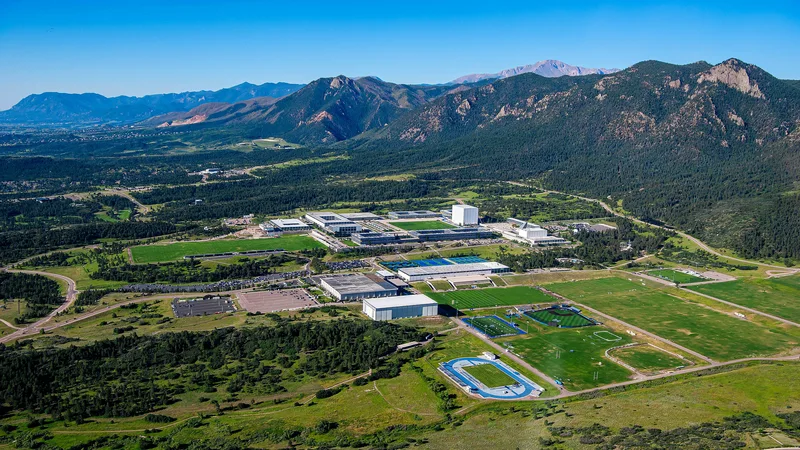
Colorado Springs · Colorado · Suburban
Athletes choose a fully funded education that combines competitive athletics, engineering preparation and military leadership development.

Baltimore · Maryland · Urban
Research strengths, close faculty access and competitive athletics appeal to recruits ready for demanding academic work.

New York · New York · Urban
Strong academics, competitive athletics and New York City connections appeal to recruits seeking opportunities beyond their sport.

Newark · New Jersey · Urban
Athletes choose a technology-focused education, Division I competition and regional career opportunities without leaving an urban campus.

Queens · New York · Urban
Big East competition, professional programs and New York City internships give athletes distinct reasons to consider studying here.

Staten Island · New York · Urban
Close faculty relationships and city-based learning opportunities complement a small residential campus with Division I competition.

San Antonio · Texas · Urban
Health-profession pathways, reachable faculty and Southland Conference competition appeal to athletes seeking career preparation alongside their sport.

Detroit · Michigan · Urban
Athletes choose an urban research setting that pairs Division II competition with professional programs and accessible admissions.

Brooklyn · New York · Urban
Career-focused study, accessible admissions and New York professional connections complement the demands of Division I competition.

Cleveland · Ohio · Urban
Downtown access, approachable admissions and career-focused academics give athletes practical reasons to consider competing here.

Detroit · Michigan · Urban
Competitive athletics, close faculty relationships and Detroit-based professional opportunities give recruits several reasons to consider this campus.
No school on this list is in that state.
Three ways to start
Pick the option that matches where you are, and we will show you the plan that fits.
Questions
18 programs are ranked here, from 11 states. Harvard University is ranked first.
New York (4), Massachusetts (2), New Jersey (2).
The average acceptance rate across the list is 39%. Admission for recruited athletes still depends on the coach's support and on meeting each school's academic standards.
The average net price, which is what families pay after grants and scholarships, is $22,490 a year. Athletic aid varies by program and division, so ask each coach what is available.
Resources
More rankings
Programs and roster openings
Sport hub
The Men's Fencing hub brings every division together: how D1, D2, D3 and NAIA compare, the strongest programs in each state, camps, and the recruiting guides for each level.