What is the University of Pennsylvania best known for academically?
It is best known for combining Ivy League academics with strong professional programs, especially in business, engineering, nursing, and the liberal arts. Students benefit from interdisciplinary study, renowned research opportunities, and extensive global and experiential learning options.
How hard is it to get into the University of Pennsylvania?
Admission is highly selective. Applicants typically present a rigorous high school curriculum, strong grades, high test scores if submitted, and standout achievements in activities, leadership, or research, along with compelling essays and recommendations.
What kind of students does the University of Pennsylvania look for?
The university looks for intellectually curious, academically driven students who show initiative, leadership, and impact in their communities. It values collaborative learners who can thrive in an urban campus, pursue interdisciplinary interests, and contribute to a diverse and inclusive environment.
Is the University of Pennsylvania need-blind and does it offer good financial aid?
For most domestic applicants, admission decisions are made without considering financial need, and the school commits to meeting demonstrated financial need with a combination of grants and work-study instead of required loans. International policies may differ, so applicants should review current guidelines.
What is campus life like at the University of Pennsylvania?
Campus life blends a traditional collegiate setting with an urban environment. Students live in residential communities, join a wide range of clubs and organizations, participate in cultural and arts events, and enjoy easy access to internships, restaurants, and museums throughout Philadelphia.
How strong are career outcomes for University of Pennsylvania graduates?
Graduates benefit from a powerful alumni network, robust on-campus recruiting, and a dedicated career services office. Many students secure internships during college and go on to careers in fields such as finance, consulting, technology, healthcare, public service, and graduate or professional school.
What are the most popular majors at the University of Pennsylvania?
Popular majors span business disciplines, economics, computer science, engineering fields, political science, biological sciences, and philosophy, politics, and economics. Students often combine majors or minors across different schools through flexible and interdisciplinary programs.
What is the campus setting of the University of Pennsylvania like in Philadelphia?
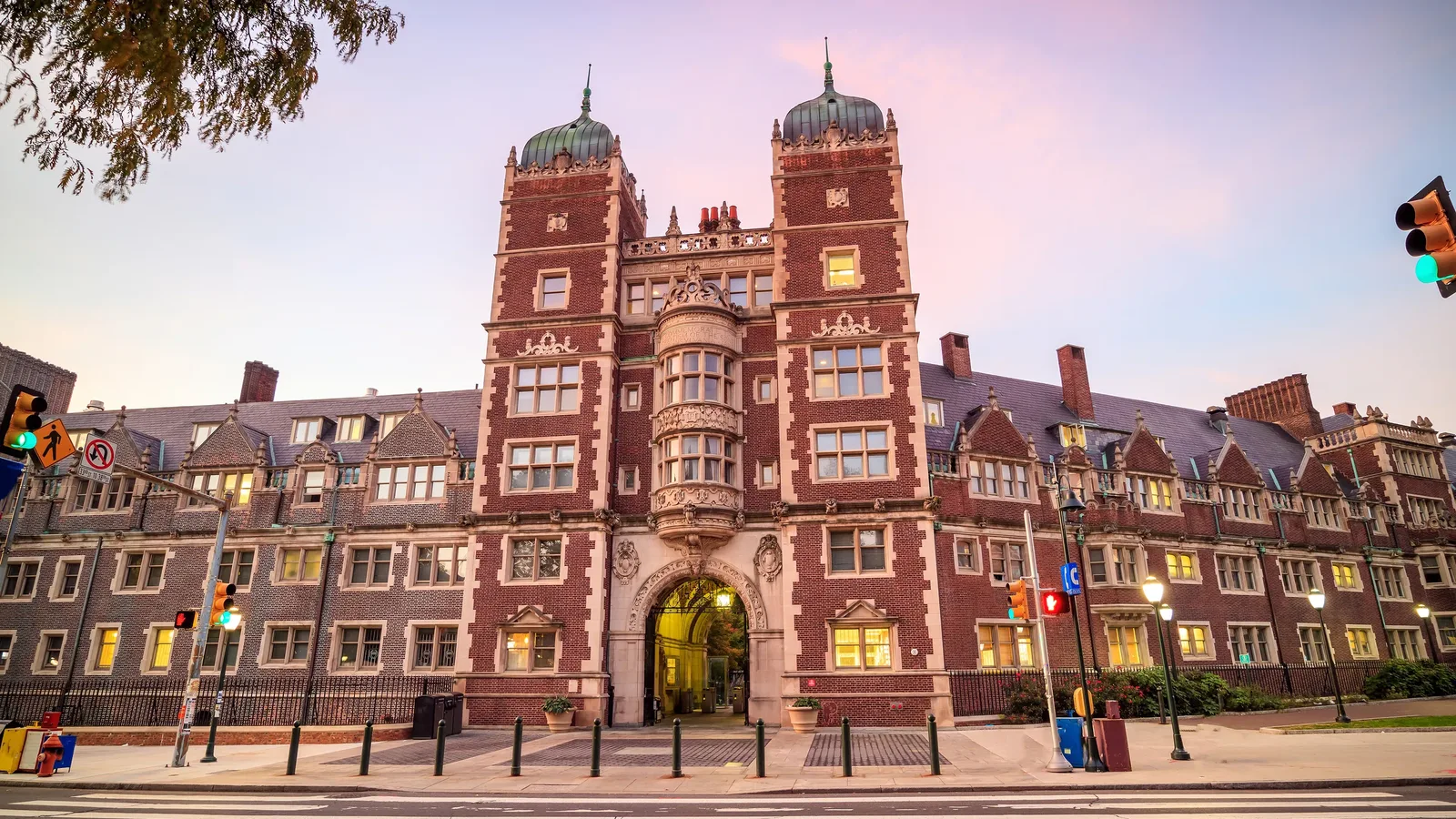
The campus is a defined, green, and walkable area in West Philadelphia that is fully integrated with the city. Students enjoy traditional quads and academic buildings, while having quick access to public transit, research hospitals, startup hubs, historic sites, and cultural institutions.
What housing options are available for students at the University of Pennsylvania?
Undergraduates typically start in college houses, which are residential communities with faculty involvement, dining options, and academic and social programming. Many students later move into other campus housing or nearby off-campus apartments, remaining close to classes and campus resources.
What is the University of Pennsylvania known for in athletics?
As an NCAA Division I member and part of the Ivy League, the school competes in a wide range of varsity sports and supports extensive club and intramural programs. Student-athletes balance demanding academics with high-level competition in facilities located on or near campus.
Can student-athletes balance sports and academics at the University of Pennsylvania?
Student-athletes are expected to prioritize academics and receive support from academic advising, tutoring, and athletic department resources. Practice schedules and competition are structured with coursework in mind, and many athletes successfully pursue demanding majors while competing.
Does the University of Pennsylvania offer research opportunities for undergraduates?
Undergraduates have broad access to research across disciplines, including work in labs, independent projects, and faculty-led initiatives. Opportunities span the sciences, engineering, social sciences, humanities, and professional fields, often with funding or academic credit available.