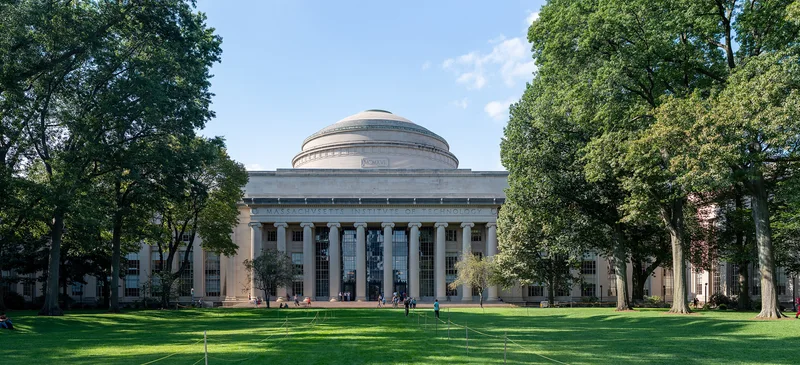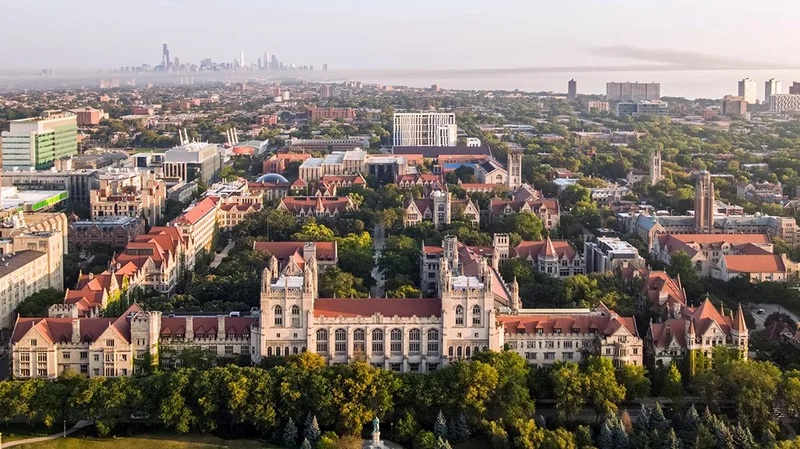

Rigorous academics, competitive athletics and Chicago access appeal to recruits who want intellectual challenge alongside sport.
- 18,566
- Students
- 4%
- Admit rate
- $14,860
- Net price
Browse programs
College directoryEvery program, filtered by what fits Sport directoryMen's and women's, every division State directoryPrograms in the states you would play inGo deeper
Major directoryYour major and your sport in one list Camp directoryID camps and showcases at college programs Conference directoryEvery conference and its member colleges

Baltimore, MarylandCentennial Conference
Overview
Mission and culture
Johns Hopkins University is a research university in Baltimore, Maryland, with particular strengths in biomedical engineering, public health and international studies. Athletics are primarily NCAA Division III, with Division I lacrosse, making it a fit for recruits seeking serious competition alongside highly selective admissions and demanding academics.
Why athletes choose Johns Hopkins University
Research strengths, close faculty access and competitive athletics appeal to recruits ready for demanding academic work.
Fit check
Pick a sport, your position and level, add a test score if you have one, and get an instant read on your chances here. Free, and no account needed.
Academics
Johns Hopkins University pairs a strong research culture in health, engineering and international studies with demanding coursework, making academic preparation and career direction important parts of evaluating your athletic fit.
Academic strength
A composite of graduation rate, earnings after college, how selective admissions are and how hard the coursework is.
Acceptance rate
More selectiveMore accessible
Admissions are highly selective, so recruits need standout academic preparation and accomplishments alongside their potential contribution to athletics.
Six-year graduation rate
0%100%
Graduation outcomes suggest an excellent path to completing your degree while maintaining progress alongside athletic commitments.
Academic difficulty
Rated 5 out of 5
Coursework is very challenging and time intensive, requiring careful planning around athletic commitments.
Student to faculty ratio
students for every faculty member
Close faculty access supports personal academic relationships, giving athletes opportunities for mentoring alongside demanding coursework.
Median earnings
per year, ten years after starting college
Six years after: $86,306Strong graduate earnings support the value discussion, though your major and financial aid offer still matter.
Undergraduate enrollment
undergraduate students
The medium-sized undergraduate community offers room to build connections through athletics and student organizations within a broader research university.
SAT and ACT scores
Required testing and a strong admitted-student score profile mean recruits should prepare carefully for exams while maintaining excellent classroom performance.
Most popular majors
Admissions
Applying to Johns Hopkins University calls for careful planning around admissions deadlines, test policy, the application fee and recommendation requirements alongside your recruiting conversations.
Binding. If admitted, you commit to attend.
A second binding round with a later deadline.
The standard deadline. Not binding.
Majors
45 undergraduate majors across 5 academic areas.
No major matches that search.
Campus life
An urban Baltimore setting, active student organizations and a research-focused academic culture shape daily life within a medium-sized undergraduate community.
Athletics
Competition is primarily NCAA Division III, while lacrosse competes at Division I. Recruits should evaluate their specific program's competitive expectations alongside the university's demanding academic environment.
Athletic department
The athletic department at Johns Hopkins University supports primarily NCAA Division III competition alongside Division I lacrosse, with spending, recruiting budgets and athletic aid offering context for program investment.
Athletes
Athletic aid
Recruiting spend
Source: the federal Equity in Athletics report, 2025.
Cost
At Johns Hopkins University, comparing the published private-university cost with the net price after grants and available need-based and merit-based aid helps families assess affordability.
Average net price
What families pay on average after grants and scholarships, including tuition, housing and fees.
Published tuition
The sticker price a year, before any aid.
Financial aid
Need-based and merit-based aid availableAthletic scholarships, where a program offers them, are awarded by the coaching staff and come on top of these figures.
NIL
NIL rating
Johns Hopkins University in Baltimore, Maryland offers a strong name, image and likeness (NIL) environment for a high-academic NCAA Division III program, boosted by its national reputation and prominent college sports like lacrosse and football. Student-athletes can leverage both the Johns Hopkins brand and the large Baltimore market to build personal platforms and pursue NIL collaborations.
See the full NIL breakdownStudent fit
The kind of student-athlete who tends to do well at Johns Hopkins University.
Johns Hopkins University suits academically accomplished athletes who want a research-focused education and are prepared to balance very challenging coursework with competitive college sports. It is especially relevant for recruits interested in biomedical engineering, public health or international studies who value close faculty access and a strong path toward completing their degree. Athletes comfortable with an urban Baltimore setting and a medium-sized undergraduate community can build connections through their sport and student organizations. Those seeking a lighter academic workload may find the demands less suitable, while prospective lacrosse players should account for Division I competition when evaluating their fit.
Who thrives here
Students First AthletesResearch Driven LearnersSelf Directed PlannersSTEM And Pre Med FocusHigh Expectation CompetitorsQuestions
It is best known for its strengths in research, especially in medicine, public health, engineering, international studies, and the natural and social sciences, along with a strong emphasis on interdisciplinary learning and undergraduate research.
Admission is highly selective, with applicants typically presenting strong grades in rigorous courses, high standardized test scores when submitted, and evidence of intellectual curiosity, initiative, and meaningful extracurricular involvement.
The university looks for students who are academically driven, intellectually curious, collaborative, and eager to engage in research, problem-solving, and leadership within a rigorous academic environment.
Yes, it offers internationally recognized programs in STEM fields and is widely regarded as a top choice for pre-med students due to its research opportunities, advising, clinical exposure, and connection to leading hospitals and health institutions.
Student life combines demanding academics with a vibrant campus experience that includes student organizations, arts and cultural events, community service, and opportunities to explore the surrounding Baltimore area.
The main undergraduate campus is in a residential area of Baltimore, Maryland, offering a traditional campus setting with easy access to city neighborhoods, cultural institutions, internships, and community engagement opportunities.
It offers robust financial aid and is committed to meeting demonstrated financial need for admitted students, using a combination of grants, work-study, and limited loans, though specific policies can vary by applicant type and year.
Undergraduates have extensive access to research across disciplines, with many students working directly with faculty in labs, centers, and institutes, often beginning as early as their first or second year.
Its varsity teams primarily compete at the NCAA Division III level, providing a competitive, student-centered athletics experience that emphasizes balance between academics and sports.
Student-athletes are expected to prioritize academics, and the structure of Division III athletics, along with academic support resources and time management guidance, is designed to make balancing rigorous coursework and varsity competition achievable.
The campus culture is academically focused and research-driven, yet collaborative, with students often working in teams, engaging closely with faculty, and participating in clubs, service projects, and creative activities outside the classroom.
Undergraduates benefit from close connections to renowned graduate and professional programs, extensive advising, and research and internship experiences that prepare them well for medical school, law school, graduate study, and other advanced career paths.
Compare
Other colleges worth comparing with Johns Hopkins University.
Rigorous academics, competitive athletics and Chicago access appeal to recruits who want intellectual challenge alongside sport.
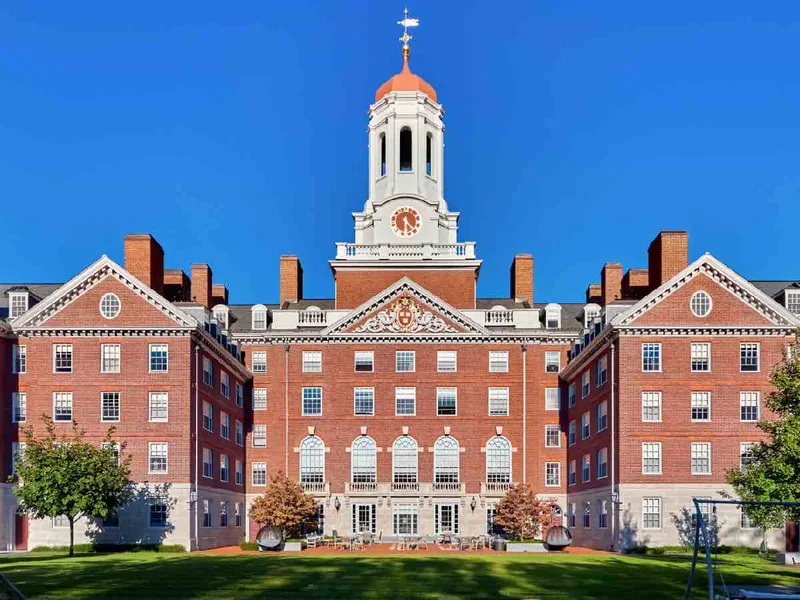
Athletes choose this research-focused environment for challenging academics, collaborative peers and competitive sport in urban Cambridge.
Strong academics, established athletic success and Atlanta internship access appeal to recruits who want a demanding college experience.
Strong academics, close faculty relationships and competitive athletics draw recruits who want substantial challenges beyond their sport.
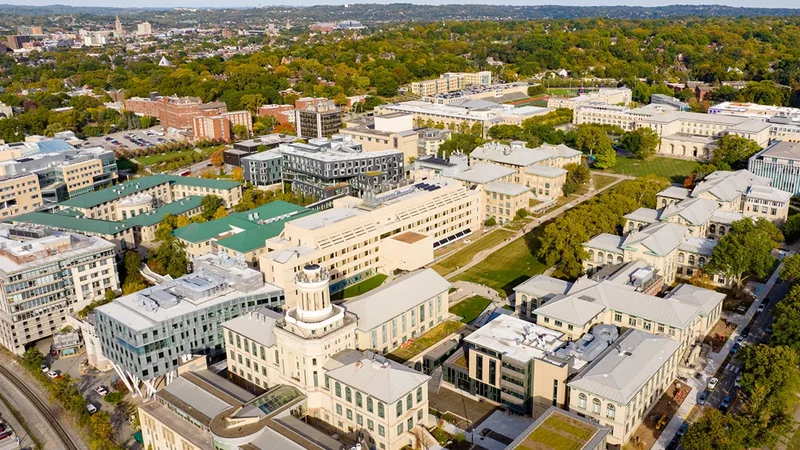
Technical depth, competitive athletics and Pittsburgh career opportunities appeal to athletes ready for a demanding academic experience.
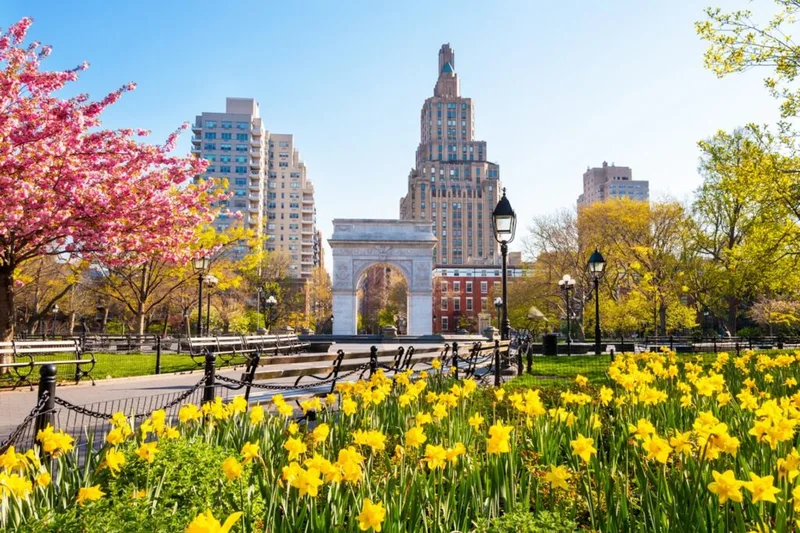
Strong academics, competitive athletics and New York City connections appeal to recruits seeking opportunities beyond their sport.
Rigorous academics, shared campus resources and competitive athletics appeal to recruits seeking a connected liberal arts experience.
Close faculty relationships, competitive athletics and generous need-based aid appeal to athletes seeking a demanding liberal arts education.
Research opportunities, strong career outcomes and urban access appeal to athletes who take academics as seriously as competition.
Demanding academics, Ivy League competition and need-based financial support draw athletes ready for a rigorous college experience.
Close faculty relationships and Centennial Conference competition appeal to athletes who want demanding academics alongside their sport.
Flexible academic choices and research opportunities appeal to athletes who want serious study alongside competitive athletics.
Three ways to start
Pick the option that matches where you are, and we will show you the plan that fits.
Resources