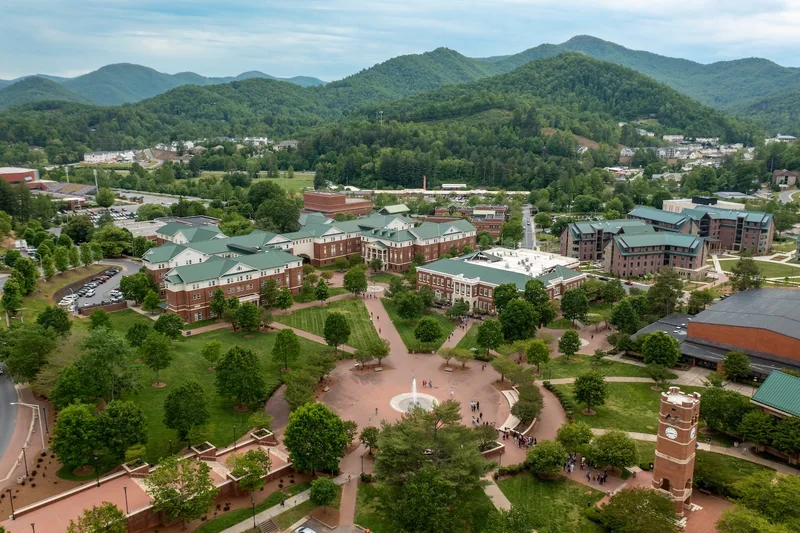
Health-focused academics, Southern Conference competition and Appalachian recreation give athletes distinct reasons to consider this campus.
- 13,728
- Students
- 86%
- Admit rate
- $15,983
- Net price
Browse programs
College directoryEvery program, filtered by what fits Sport directoryMen's and women's, every division State directoryPrograms in the states you would play inGo deeper
Major directoryYour major and your sport in one list Camp directoryID camps and showcases at college programs Conference directoryEvery conference and its member colleges

Chattanooga, TennesseeSouthern Conference
Overview
Mission and culture
The University of Tennessee at Chattanooga is a public university in the University of Tennessee System, set on an urban campus in Chattanooga. Its NCAA Division I athletics in the Southern Conference, career-focused programs and affordable in-state tuition make it worth considering if you want a mid-sized university in a growing city.
Why athletes choose University of Tennessee at Chattanooga
Division I competition, career-focused majors and a growing city setting give athletes practical reasons to consider UTC.
Fit check
Pick a sport, your position and level, add a test score if you have one, and get an instant read on your chances here. Free, and no account needed.
Academics
The University of Tennessee at Chattanooga pairs business, education and health programs with research strengths such as its SimCenter, making academic fit and career preparation important parts of your recruiting decision.
Academic strength
A composite of graduation rate, earnings after college, how selective admissions are and how hard the coursework is.
Acceptance rate
More selectiveMore accessible
Admissions are accessible, giving recruits with solid academic preparation a realistic opportunity to earn a place here.
Six-year graduation rate
0%100%
Finishing is a reasonable goal, but athletes should maintain steady academic focus and use available support.
Academic difficulty
Rated 3 out of 5
Coursework presents a balanced challenge that calls for steady study habits alongside athletic commitments.
Student to faculty ratio
students for every faculty member
Expect a balance of faculty access and larger classes, with initiative helping you build useful academic relationships.
Median earnings
per year, ten years after starting college
Six years after: $48,738Graduate earnings are solid, giving families a useful starting point for weighing cost against career goals.
Undergraduate enrollment
undergraduate students
The medium-sized undergraduate community offers variety without overwhelming scale, giving you room to find connections beyond your team.
SAT and ACT scores
The test profile suggests room for varied academic backgrounds, with solid classroom preparation helping your application as a recruit.
Most popular majors
Popular choices such as Psychology, Exercise Science and Sport Management, and Elementary Education reflect practical, people-focused career interests.
Admissions
Plan your application to the University of Tennessee at Chattanooga by reviewing deadlines, test policy, application fees and recommendation requirements together with your recruiting conversations.
Majors
40 undergraduate majors across 7 academic areas.
No major matches that search.
Campus life
Daily life centers on an urban campus close to downtown Chattanooga, where student organizations, Mocs athletics and the city's outdoor recreation and restaurants shape the experience.
Athletics
Athletes compete at the NCAA Division I level in the Southern Conference, with football in the Football Championship Subdivision and programs including basketball, softball and volleyball. UTC also has the only NCAA Division I wrestling program in Tennessee.
Athletic department
Explore how the University of Tennessee at Chattanooga supports its NCAA Division I department through athlete participation, program spending, recruiting budgets and athletic aid, including how recruiting resources and scholarships are distributed by gender.
Athletes
Athletic aid
Recruiting spend
Source: the federal Equity in Athletics report, 2025.
Cost
At the University of Tennessee at Chattanooga, in-state tuition can improve value for Tennessee families, while net price, published costs and need-based or merit-based aid shape your budget.
Average net price
What families pay on average after grants and scholarships, including tuition, housing and fees.
Published tuition
The sticker price a year, before any aid.
Financial aid
Need-based and merit-based aid availableAthletic scholarships, where a program offers them, are awarded by the coaching staff and come on top of these figures.
NIL
NIL rating
The University of Tennessee at Chattanooga offers a solid name, image and likeness (NIL) environment for NCAA Division I student-athletes. Southern Conference competition, a supportive local fan base and a growing city give Mocs athletes a range of ways to build personal brands.
See the full NIL breakdownStudent fit
The kind of student-athlete who tends to do well at University of Tennessee at Chattanooga.
The University of Tennessee at Chattanooga fits athletes who want NCAA Division I competition at a mid-sized public university in an active, outdoor-minded city. You should bring solid academic preparation and steady time-management habits, since coursework offers a balanced challenge and finishing on time takes consistent effort. It suits students interested in business, education, psychology or exercise science who want internship access in a growing regional economy. Families focused on value may find in-state tuition appealing, while out-of-state families should compare their aid offers carefully.
Who thrives here
Division I CompetitorsOutdoor Lifestyle SeekersCareer Focused AthletesInternship SeekersSteady Time ManagersQuestions
Yes. UTC is a public university and part of the University of Tennessee System. It offers undergraduate and graduate programs in an urban campus setting.
The university is located in Chattanooga, Tennessee, near downtown. Its setting provides access to local employers, cultural attractions, the Tennessee River and outdoor recreation.
UTC offers programs in fields such as business, engineering, nursing, education, arts and sciences. Degree requirements and admission criteria vary by program, particularly for majors with clinical or professional preparation.
Admission requirements depend on whether an applicant is a first-year, transfer or graduate student. Undergraduate applicants should review current academic preparation requirements, application materials and testing policies. Some programs have additional admission standards.
Yes. Tuition generally differs based on residency classification, with eligible Tennessee residents paying in-state rates. Total attendance costs also depend on fees, housing, meals, books and personal expenses.
Yes. Eligible students may receive scholarships, grants, loans or work-study assistance. Completing the FAFSA helps determine eligibility for federal aid and many other funding sources, while some scholarships require separate applications.
Yes. UTC offers on-campus housing, including apartment-style options. Availability, eligibility and housing requirements can vary, so students should review current housing policies before making living arrangements.
Student life includes campus organizations, recreation, service opportunities and NCAA Division I sporting events. The downtown location also gives students access to restaurants, entertainment and community activities beyond campus.
Chattanooga experiences four seasons, with hot, humid summers and generally mild winters. Spring and fall bring changing temperatures, and rain occurs throughout the year. Occasional winter snow or ice is possible.
Yes. Chattanooga offers access to hiking, climbing, cycling and paddling. The Tennessee River and nearby mountains make outdoor recreation a notable part of the area's appeal.
UTC competes in NCAA Division I as a member of the Southern Conference. Its football team competes in the Football Championship Subdivision, and its athletic programs include basketball, softball and volleyball.
Yes. UTC sponsors the only NCAA Division I wrestling program in Tennessee. The team competes in the Southern Conference, offering prospective wrestlers an opportunity to pursue Division I athletics.
Compare
Other colleges worth comparing with University of Tennessee at Chattanooga.
Health-focused academics, Southern Conference competition and Appalachian recreation give athletes distinct reasons to consider this campus.
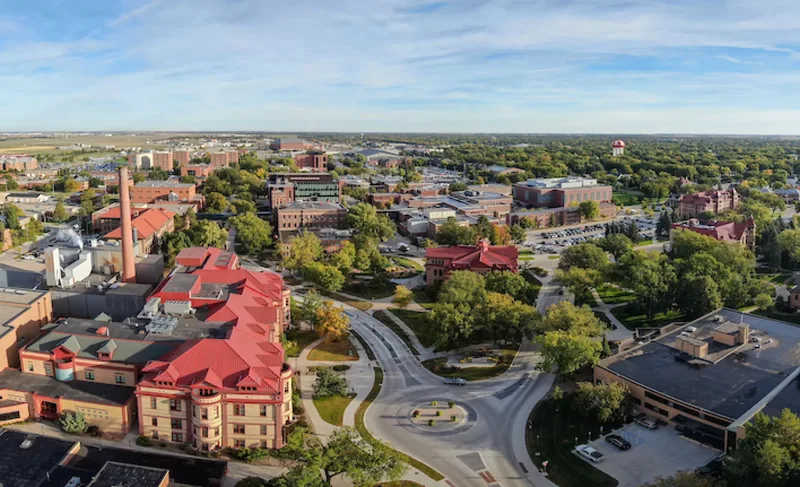
Athletes can pair Division I competition with career-focused academics, a residential community and accessible admissions.
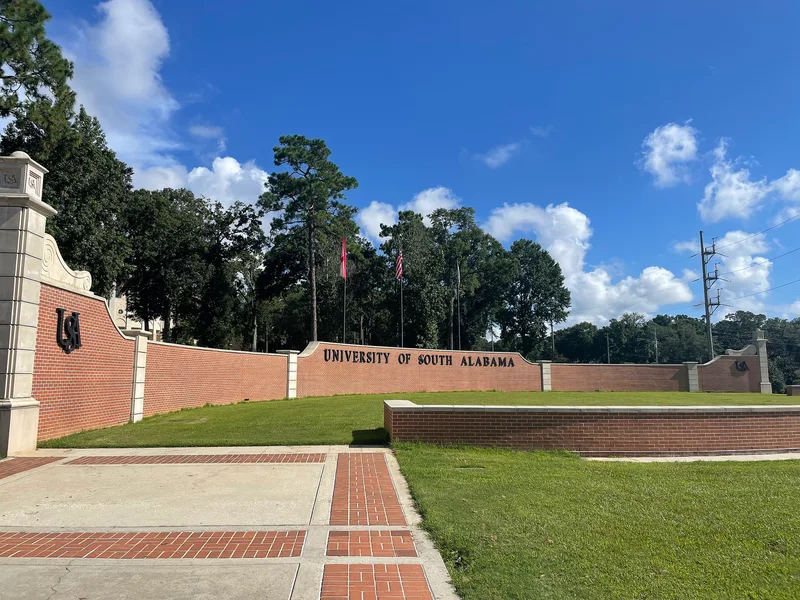
Health-focused academics, Sun Belt competition and scholarship opportunities give athletes practical reasons to consider this Mobile campus.
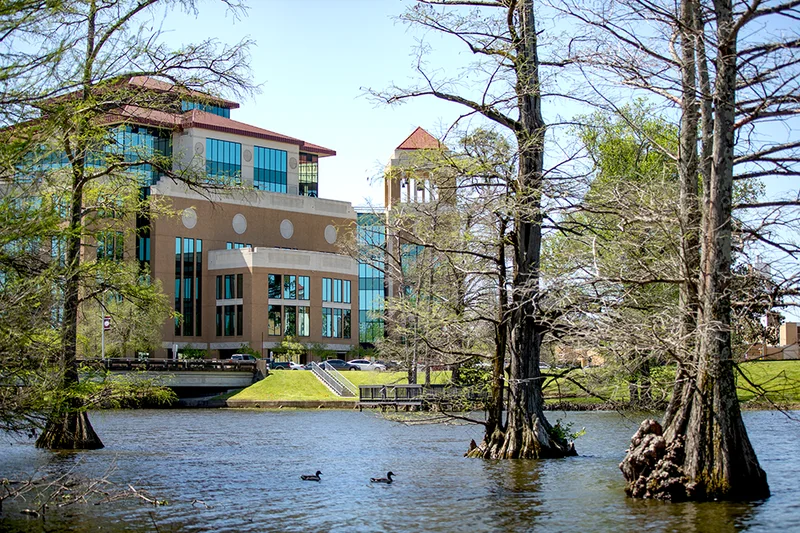
Competitive athletics, applied academics and comparatively affordable tuition give recruits a balanced mix of opportunities.
Competitive athletics, coastal research opportunities and nearby Myrtle Beach give recruits distinct reasons to consider this campus.
Conference competition, applied academics and affordable tuition appeal to athletes who also want a residential mountain experience.
Competitive athletics, career-focused academics and a nature-focused Jacksonville campus give recruits distinct reasons to consider this school.
Sun Belt competition, career-focused programs and regional accessibility give athletes practical reasons to consider studying here.
Tallahassee, FL
Why it is similar: Similar academics and size.Athletes choose FAMU for Division I competition, a supportive HBCU community and career-focused academic options.
Accessible admissions, career-focused programs and relatively affordable costs give athletes practical reasons to consider competing here.
Career-focused programs, affordable tuition and an urban campus give athletes practical reasons to pursue Division I competition here.
ACC competition, health-focused academics and an urban setting give athletes distinct reasons to consider Louisville.
Three ways to start
Pick the option that matches where you are, and we will show you the plan that fits.
Resources